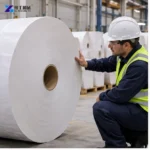
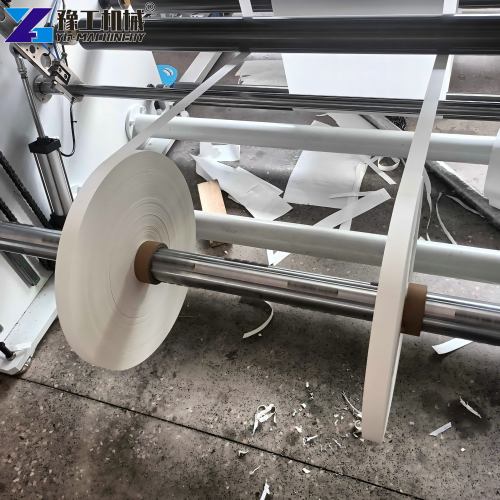
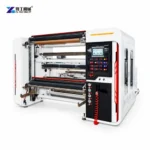
Paper Slitter Rewinder Operating With A Parent Roll And Finished Rewind Rolls
A finished roll can show rough edges, telescoping, wrinkles or uneven hardness even when the blade is sharp. The defect may begin at unwind alignment, web tension, guiding, knife selection or rewind pressure. A Paper Slitter should therefore be specified as a coordinated web-handling system, not as a cutting station in isolation.
The following diagnostic sequence starts with the parent roll and works toward the finished rewind. It helps buyers define material data, distinguish cutting defects from tension defects and prepare a technical specification that can be tested during commissioning.
What Roll Data Must Be Defined Before Choosing A Paper Slitter?
Record the material type, basis weight or thickness, coating, parent-roll width, unwind diameter, core size, required slit widths and finished-roll diameter. Add the number of lanes and acceptable width tolerance. Thermal paper, label stock, coated paper and general packaging paper do not react identically to tension and dust, so a material sample is valuable when the web is sensitive.
The production target must describe good rolls per shift, not only maximum line speed. Include normal changeover frequency, splice method, inspection points and how finished rolls are removed. Then explain how each item affects production: frequent width changes increase knife-setting and alignment time; small cores may limit rewind torque; heavy finished rolls require a safe unloading method; sensitive coatings may require lower acceleration. This exposes bottlenecks that a headline speed cannot show and gives the supplier enough information to configure the complete line.
How Does Web Tension Change Edge And Roll Quality?
Unwind tension must keep the web stable without stretching or deforming it. If tension is too low, the web can wander and wrinkle before it reaches the knives. If it is too high, lightweight or coated material can elongate, curl or change width. Closed-loop control and a responsive braking arrangement help maintain a usable tension window as the parent-roll diameter decreases.
Rewind tension must change as the finished roll grows. Excessive pressure can create a hard outer layer, crushed cores or blocking; insufficient tension can produce soft rolls and telescoping. The target is consistent roll build from core to final diameter. The buyer should define how hardness or winding quality will be accepted, rather than relying only on visual judgment.
Diagnose A Finished Roll From The Defect Pattern
A defect that appears on every lane often points to upstream tension, guiding or parent-roll condition. A defect limited to one edge or one lane is more likely related to an individual knife, spacer, holder or rewind position. Recording when and where the defect begins helps the supplier trace the correct part of the web path instead of repeatedly changing blades.
Razor slitting is simple and effective for suitable thin materials but depends on clean blade condition and stable web support. Shear slitting uses paired circular knives and is preferred where a controlled scissor action produces a cleaner edge. Crush cutting presses a knife against an anvil roll and suits selected materials where that method is acceptable. The choice should follow the substrate, thickness, coating and edge requirement.
Knife overlap, side pressure, runout and holder alignment matter as much as blade grade. Dust extraction or trim handling should be included where the material produces debris. Ask for a sample trial when edge appearance, coating damage or dust level is commercially important.
The YG range provides three web-width references with the same published unwind and rewind diameter limits. Use the table to screen the machine envelope, then confirm material, knife system, control scope and finished-roll handling in the final quotation.
Parameter
YG-1300
YG-1600
YG-1800
Maximum Web Width
1300 mm
1600 mm
1800 mm
Maximum Unwind Diameter
1400 mm
1400 mm
1400 mm
Minimum Slit Width
30 mm
30 mm
30 mm
Maximum Rewind Diameter
1000 mm
1000 mm
1000 mm
Published Speed
Up To 350 m/min
Up To 350 m/min
Up To 350 m/min
Total Power
24 kW
26 kW
30 kW
Power Supply
380 V / 50 Hz
380 V / 50 Hz
380 V / 50 Hz
Machine Weight
4000 kg
4500 kg
5500 kg
Machine Length
3300 mm
3300 mm
3300 mm
Machine Width
3150 mm
3450 mm
3650 mm
Machine Height
1930 mm
1930 mm
1930 mm
How Should Rewinding Quality Be Accepted?
Agree a trial roll and inspection method before production approval. Check slit width, edge condition, roll face, telescoping, core condition and winding hardness at the start, middle and end of a run. Record material batch, speed, tension settings and knife arrangement so a successful setup can be reproduced. This makes commissioning a controlled process rather than an argument about appearance.
What Belongs In A Paper Slitter Technical Specification?
A complete request includes parent-roll data, finished widths, number of lanes, core sizes, target diameter, material samples, acceptable edge quality, normal working speed, dust or trim handling, unloading method, voltage and workshop space. State which materials are most important and which changes occur most often.
This information lets YG review the full web path and propose the appropriate unwinding, guiding, slitting, rewinding and control arrangement. Buyers can compare the paper roll slitting machine, paper slitter rewinder, thermal paper slitting machine and broader slitting equipment pages according to material and finished-roll requirements. Stable rolls come from matching these functions to the acceptance standard, not from selecting the widest machine or highest published speed.
Paper Slitter Roller And Bearing Maintenance
Paper Slitter FAQ
Is Razor Or Shear Slitting Better For Paper?
The correct method depends on paper thickness, coating, speed and required edge. Shear cutting often gives controlled edges, while razor slitting suits selected thin materials. Test sensitive stock.
Why Do Finished Rolls Telescope?
Low or unstable rewind tension, poor guiding, misalignment or an unsuitable taper can let layers shift sideways. Diagnose the web path before blaming the blade.
What Is The Published Minimum Slit Width?
The published reference is 30 mm for YG-1300, YG-1600 and YG-1800. Confirm the material and number of lanes for the final configuration.
How Can Slitting Dust Be Reduced?
Use the correct knife method and condition, control overlap and pressure, and include dust or trim extraction where the substrate requires it.
What Sample Should Be Sent?
Send representative parent-roll material with thickness, coating, width and the required finished edge. Include a good-roll reference if available.
Submit A Finished Roll Requirement
Send YG the parent-roll specification, finished-roll drawing or size list, sample material and acceptance criteria. The technical discussion can then focus on the web tension, knife system and rewind arrangement needed to produce consistent saleable rolls.