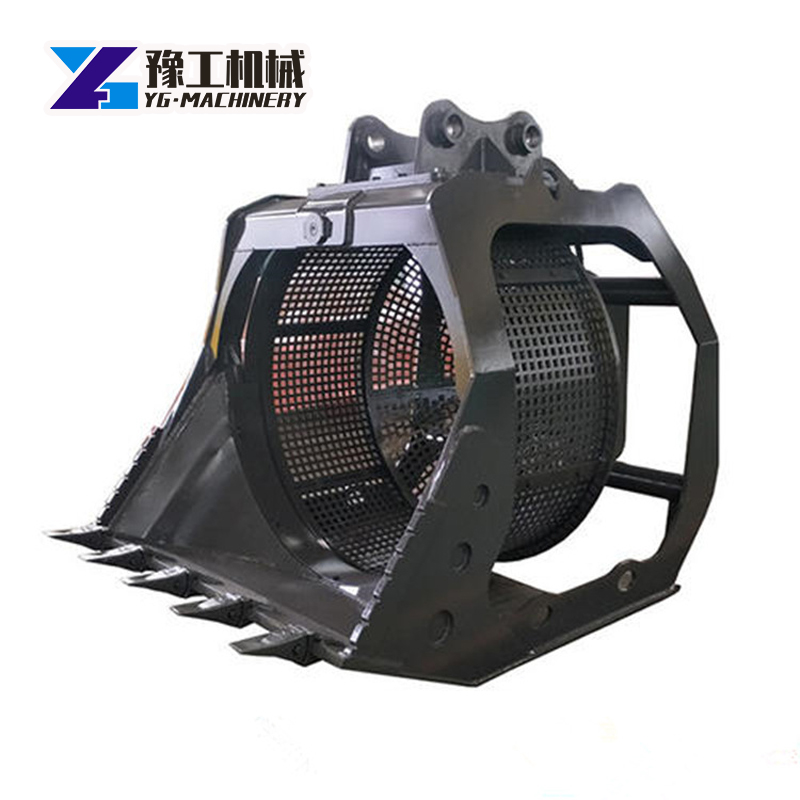

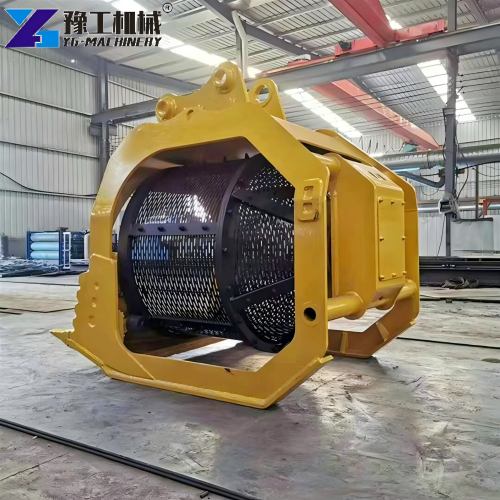
An excavator screening bucket for sale is designed to separate a bucketful of material on site. In a rotating basket arrangement, material tumbles against the screen: smaller particles pass through the openings while oversize pieces remain inside for discharge. This lets construction, landscaping and recycling crews separate useful fractions near the excavation or stockpile instead of moving every load to a separate screening location.
The benefit depends on the material stream. Separating stones from suitable excavated soil can create a useful fine fraction and a separate oversize pile. Grading prepared sand and gravel has a different aim: producing a size fraction for a particular task. In either case, screen opening, feed condition and loading practice determine the result and how much material remains available for reuse.
Rotation repeatedly presents material to the openings, but moisture and clay can make particles stick together or blind the screen. Free-flowing granular material separates differently from wet cohesive soil. A smaller bucket can suit restricted work areas, while its batch size and carrier capacity still limit production; compact dimensions do not imply the same output as a larger configuration.
The carrier supplies hydraulic power and positions the bucket over separate product piles. Matching the mounting interface, hydraulic circuit and allowable attachment load makes that arrangement practical. When one excavator also performs digging and loading, attachment changes and stockpile layout become part of the work cycle rather than simultaneous operations.
Product Parameters of Excavator Screening Bucket For Sale
The table below shows detailed specifications of YG Machinery screening bucket models.
| Model Number | Applicable Tonnage of Excavator(T) | Operating Flow(L/min) | Working Pressure(Mpa) | Self Weight(Kg) | Number of Revolutions Per Minute(RPM) |
| YG01 | 1.5-3 | 20 | 10-12 | 158 | 35 |
| YG02 | 3.5-5.5 | 30 | 10-12 | 245 | 60 |
| YG08 | 6-10 | 45 | 12-15 | 530 | 65 |
| YG012 | 11-18 | 65 | 15-18 | 1020 | 65 |
| YG016 | 19-28 | 80 | 18-22 | 1920 | 65 |
| YG018 | 29-38 | 150 | 18-22 | 2430 | 65 |
Use the model table to compare carrier class, attachment mass and hydraulic demand together. Attachment weight reduces the load margin available for the material in the bucket, especially at reach. The hydraulic supply must suit both flow and pressure; a larger carrier does not by itself establish the correct circuit setting. Project size matters only after this carrier match and the material-screening duty are understood.
Rotating Screening Bucket vs Traditional Fixed Screening System
A screening bucket processes batches where the excavator can reach them. A stationary screening plant organizes feeding and discharge around a dedicated processing position. Their relative value depends on the amount of material, how often the work area changes and whether separate feeding equipment is available.
Working Method Difference
- Rotating screening bucket: Load a batch, rotate the basket over the fine-material pile, then empty the retained oversize into a separate location. Excavator positioning connects the screening step to nearby excavation and placement tasks.
- Stationary screening system: Material is delivered to a dedicated screen, commonly using a controlled feeder or another loading machine. Its feed and discharge arrangement can support a sustained material stream where enough volume justifies the setup.
Efficiency and Productivity
- Batch cycle: Bucket output includes loading, screening, oversize discharge and repositioning. Moisture, sticky fines, opening size and the proportion of oversize change the time needed to complete a batch.
- Sustained throughput: A dedicated plant can suit larger, regular feed streams, while a bucket can reduce transfers on smaller or dispersed jobs. Wet clay can interfere with either arrangement; screen type and material preparation matter more than assuming one system never blocks.
Maintenance and Operation
- Bucket service: Inspect the basket or screen panels, drive components, bearings, mounting points and hydraulic hoses according to the operating instructions. Screen wear changes separation performance as well as maintenance cost.
- Plant service: Include screen media, drives, feeders and conveyors in the maintenance plan where fitted. Compare service access, wear exposure and available support for the actual configurations rather than ranking maintenance needs from system type alone.
Application Flexibility
- Moving between work areas: A bucket can screen near different stockpiles within the carrier’s reach and reposition with the excavator. This suits dispersed material quantities and space-constrained jobs with suitable access.
- Organizing a processing area: A stationary plant can combine feeding, multiple separation stages and discharge routes when configured for them. Choose between the systems around required fractions, volume and available space, not a blanket claim that fixed equipment handles fewer materials.
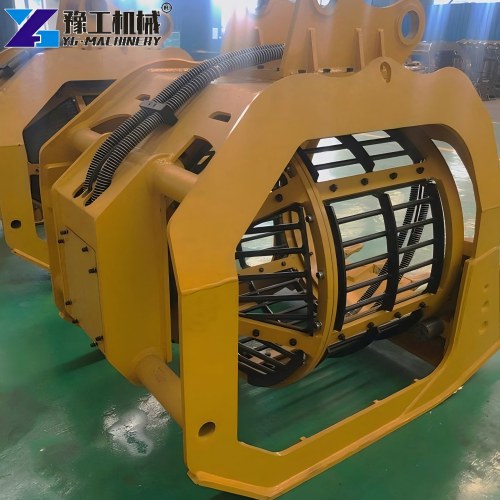
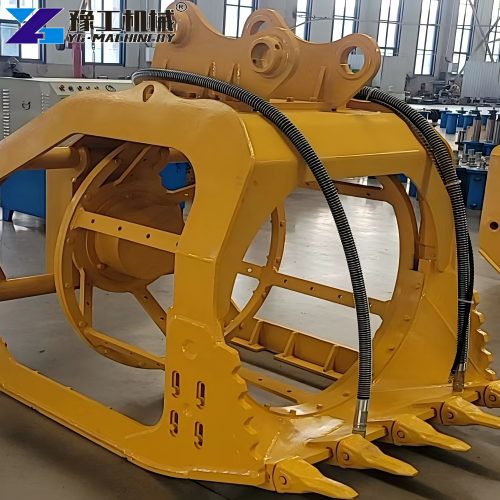
Screening Bucket Applications For Soil And Aggregate Reuse
On-site separation supports recycling when there is a defined use for the resulting fractions. The screening bucket separates by size; it does not establish chemical cleanliness, strength or suitability for every construction use. Three common material routes illustrate the difference:
- Excavated soil with stones: Screen suitable soil to separate a finer fraction from larger stones before landscaping or an approved reuse task. Wet clay clods can retain fines or travel with oversize, so material condition affects the separation.
- Sand and gravel: Select an opening appropriate to the intended fraction and collect the screened and retained material separately. The resulting grading still needs to satisfy the receiving task; screen opening alone does not define a complete grading specification.
- Prepared inert demolition material: Screen an appropriately prepared material stream to separate size fractions for further processing or an approved reuse route. Hazardous or contaminated material requires its own assessment and treatment, and reinforced oversize may need separate processing.
Suitable screened fractions may serve backfill, road-base preparation or site-leveling work only where they meet the project’s material requirements. Establish the required grading and other acceptance criteria before deciding which fraction to retain. This connects the recycling task to a usable product instead of merely producing two piles.
Separation quality depends on both the openings and how particles reach them. Rotation exposes fresh surfaces, while excessive filling, cohesive lumps and worn screen components can change the result. Inspecting the output against the intended use helps identify whether loading practice, material preparation or the screen needs adjustment.
When an accepted fraction replaces imported material or avoids an off-site processing trip, on-site screening can reduce haulage, associated fuel use and traffic. The saving depends on the quantities actually reused and the remaining disposal route; retained unsuitable material still needs a planned destination.
Screening Bucket Workflow On Construction Sites
A workable site cycle connects excavation, screening, temporary storage and final placement. Put the product piles where the carrier can reach them without repeatedly crossing the haul route. This makes the screening bucket part of the construction sequence rather than an isolated processing step.
Where the material and acceptance requirements suit on-site screening, the crew can avoid waiting for some off-site transfers and bring suitable material back into use nearby. Allow space for unscreened feed, screened output and oversize so these streams stay separate and the next batch can be loaded efficiently.
Mini excavator screening buckets can be useful on residential, garden and utility jobs where access and working room restrict the carrier. Plan around the actual carrier swing, discharge positions and safe work area. A compact bucket helps with access, but smaller batches and material behavior still determine daily progress.
With one carrier, digging, screening and placing occur in sequence. With separate feeding or loading equipment, some tasks may overlap if the site layout supports it. Compare the complete cycle, including attachment changes and oversize disposal, when estimating time rather than counting only basket rotation.
This planning links production speed to quality control: keep accepted material separate, inspect the output and adjust the cycle when feed conditions change. The most useful configuration is the one that fits both the required fraction and the available carrier workflow.
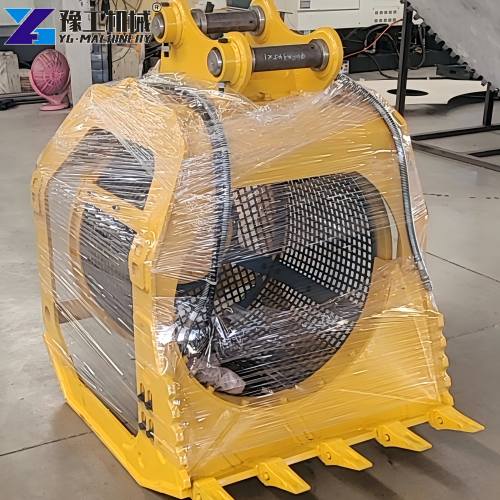

YG Excavator Screening Bucket For Sale
YG screening bucket selection brings together carrier compatibility, screen arrangement and the intended material route. Consider the working environment, abrasive exposure and service access when discussing the configuration, because these factors affect wear and practical upkeep throughout the job.
For soil screening, gravel separation, landscaping and prepared construction-material recycling, match the proposed bucket to the excavator’s mounting interface and hydraulic supply. Each use has its own required output fraction and material condition, so the same carrier match does not make every feed equally suitable.
In addition to screening buckets, YG Machinery also offers a complete range of excavator attachments. These include drum cutter machine,hydraulic shears for excavator,hydraulic pile breaker,rock splitter for excavator,and integrated rock drill and splitter These products help customers complete different engineering tasks with one supplier solution.
Select the screen opening and configuration around the fraction needed on the project, then compare the hydraulic demand and attachment weight against the carrier. Include wear parts, operating instructions and available service support when reviewing the offer.
For a quotation, provide the carrier model, material description, intended output fraction and expected work cycle. These details connect the proposed screening bucket to the project and help define any installation, screen or support requirements in the supply scope.