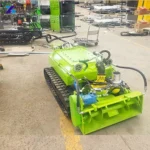

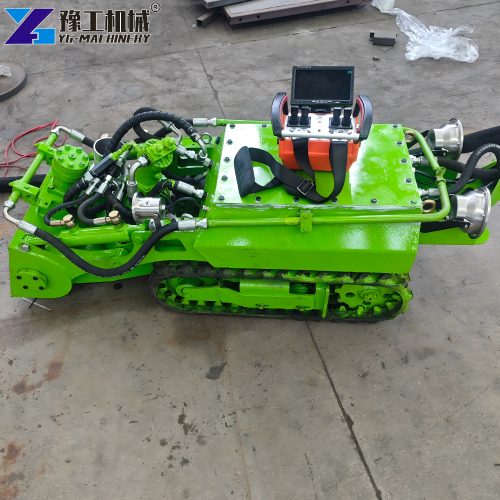
Sediment builds up in every working pond over time. Fish waste, uneaten feed, and organic debris settle on the bottom year after year. Without a plan for removal, this layer keeps growing. That is where modern pond dredging equipment comes in. YG Machinery designs robotic dredgers that clear pond bottoms quickly and safely. There is no need to drain the water first. Farm operators no longer need dive teams or weeks of paused operations. Instead, a single technician guides the robot from shore with wireless remote control. The result is a cleaner pond, healthier fish, and a faster path back to full production.
Pond Dredging Equipment Parameters
Choosing the right model depends on pond size, sediment depth, and desired dredging speed. YG offers six models, ranging from compact units for smaller ponds to heavy-duty machines for large aquaculture sites.
| Dredging Robot Parameter | ||||||
| Model | YG-500 | YG-600 | YG-700 | YG-800 | YG-900 | YG-1200 |
| Robot dimensions | 1500*500*650mm | 1500*600*650mm | 1600*700*650mm | 1600*850*700mm | 1650*960*750mm | 1900*1200*750mm |
| Dredging width | 500mm | 600mm | 700mm | 800mm | 900mm | 1200mm |
| Track travel speed | 3-15m/s | 3-15m/s | 3-15m/s | 3-15m/s | 3-15m/s | 3-15m/s |
| Robot weight | 320kg | 350kg | 380kg | 400kg | 420kg | 500kg |
| Pump output diameter | 3inch | 3inch | 4inch | 4inch | 4inch | 4inch |
| Pump flow rate(cubic meters/ hour) | 100 m³ | 100m³ | 200m³ | 200m³ | 200m³ | 200m³ |
| Hydraulic station dimensions(mm) | 2200*1200*1700 | 2200*1200*1700 | 2200*1200*1700 | 2200*1200*1700 | 2200*1200*1700 | 2120*1240*1200 |
| Main motor power | 22kw | 22kw | 30kw | 30kw | 30kw | 45kw |
| Hydraulic system pressure | 0-16Mpa | |||||
| Particle size | 15mm | 15mm | 38mm | 38mm | 38mm | 60mm |
| Reeling system speed | 0-10r/min | |||||
| Hydraulic hoses | 50m (Standard configuration) | |||||
| Control system | Wireless remote control | |||||
| Lighting system | Underwater LED lights *2 | |||||
The YG-500 and YG-600 work well as small pond dredging equipment. Their compact size suits precision jobs over raw power. Larger farms often choose the YG-800 or YG-900 for faster coverage across wider ponds. This small pond dredging equipment range gives buyers flexibility no matter their pond size.


Why Do Ponds Need Regular Dredging?
Sediment does not stay harmless once it settles. Left alone, it changes the pond environment in ways that stay hidden below the surface.
1. Sediment buildup and reduced pond depth
As sludge accumulates, pond depth shrinks year after year. This reduces the total water volume available for fish. A shallower pond also warms faster in summer. That stresses fish and lowers dissolved oxygen at the time farms need it most.
2. Impact on water quality
Thick sediment layers trap organic waste that keeps decomposing. This process consumes oxygen and releases ammonia and other harmful compounds. Water clarity drops over time, and algae blooms grow more frequent.
3. Impact on fish and other aquatic life
Poor water quality rarely affects every species the same way, but it eventually affects all of them. Fish exposed to low oxygen and high ammonia grow more slowly and become more vulnerable to disease. In serious cases, farms see sudden die-offs after storms stir up settled sediment.
4. Impact on farming and aquaculture revenue
Every issue above eventually reaches the balance sheet. Slower growth means longer production cycles, and higher disease risk means more losses and higher feed costs. Farms that skip regular dredging often see yields decline year after year.
How Much Can a Small Pond Dredge Save a Farm Per Year?
Farms that switch from manual dredging to robotic equipment tend to see savings across several categories, not just one.
1. Labor cost reduction
Traditional dredging often requires a dive team or a large manual crew working over several days. A pond dredging robot needs only one operator on shore. That can meaningfully lower labor costs across a dredging season.
2. Less downtime
Draining a pond for manual cleaning can take a farm offline for a week or two. The robot works while the pond stays full, so farms skip this gap entirely.
3. Higher dredging efficiency
Flow rates reach up to 200 cubic meters per hour on larger models. Because of this, robotic dredging clears sediment much faster than manual digging or dragline methods. Crews can service more ponds within the same maintenance window.
4. Lower ongoing maintenance costs
Consistent, scheduled dredging keeps sediment from building back up to critical levels. This steady approach tends to reduce the emergency repairs that come from years of neglect.
5. Return on investment
Many farms recover their initial investment within one to two dredging seasons. This depends on pond count and prior labor costs. Once the equipment pays for itself, savings continue for years, since the robot only needs routine upkeep.


How Did a U.S. Farm Restore Pond Capacity with a Pond Dredge For Sale?
Client background
A mid-sized catfish farm in the southern United States had run several ponds for over ten years. Sediment removal rarely happened, since manual dredging seemed too costly and disruptive.
Client challenge
By the time the farm reached out to YG, several ponds had lost real depth. Water tests showed low dissolved oxygen and rising ammonia levels. Fish growth had slowed. The farm worried that a full manual dredging job would take ponds offline during peak season.
YG solution
The YG team reviewed pond dimensions and sediment depth first. They recommended the YG-800 model for its balance of dredging width and pump capacity. Farm staff then operated the robot themselves with wireless remote control. Sediment came out of each pond while water levels stayed steady. The job needed no diving crew and no drainage step.
Client feedback
Water clarity improved within weeks of the first dredging cycle, according to the farm. The operations manager said the robot helped them reclaim pond depth without shutting down production. Learning the remote control also took less time than expected. Routine dredging cycles now run on the same schedule with the same equipment.
Frequently Asked Questions About Pond Dredging Equipment
This equipment removes built-up sediment, sludge, and organic debris from the pond bottom. It restores water depth and improves water quality for fish and other aquatic life.
The robot works fully submerged. A hydraulic pump draws sediment through hoses to a shore-based collection point. The pond skips the draining step entirely.
Particle size ranges from 15mm up to 60mm, depending on the model. Larger models like the YG-1200 handle coarser sediment, while smaller models suit finer sludge in compact ponds.
Yes. The robot removes sediment without draining the pond or using chemical treatment. Fish can often stay in the water during dredging. Some farms still move fish out first as a precaution.
Time depends on pond size and sediment depth. Flow rates up to 200 cubic meters per hour mean most ponds clear noticeably faster than with manual methods.


Buy YG Pond Dredging Robot
YG Machinery has built industrial and agricultural equipment for international markets for many years. The focus stays on reliable, field-tested machinery for demanding environments. Every unit meets standard specifications, backed by a manufacturing team that understands aquaculture operations firsthand. Farms looking for a pond dredge for sale can request a spec sheet and pricing from YG’s sales team. Beyond dredging robots, YG also supplies excavator attachments and construction machinery for international buyers. Contact YG Machinery today to find the right model for your pond.
Compare the related mini dredge for sale and small dredge for sale pages when water depth, sludge condition or mobilization requires a different dredging arrangement.