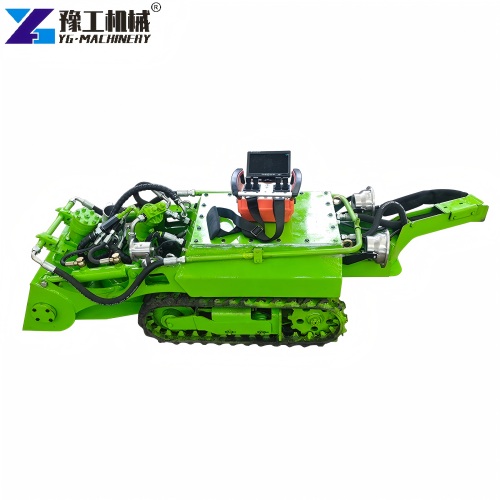
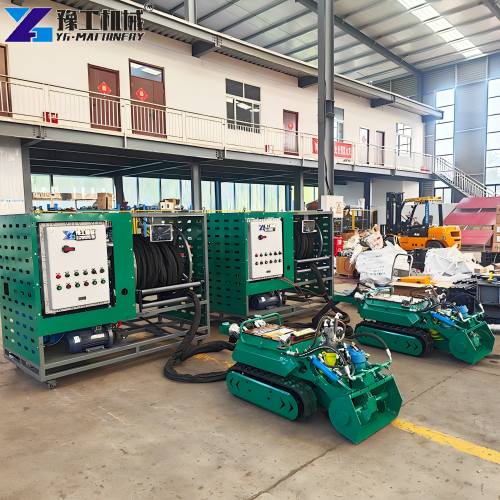
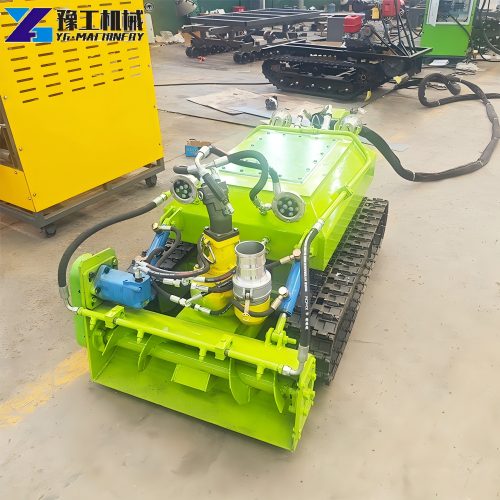
In water treatment plants, mining sites, and construction ponds, sediment builds up quickly. Manual cleaning is slow, risky, and very expensive. YG Machinery provides a reliable dredging machine to solve this challenge. It is a submersible robot that removes sludge and sand without draining the tank. You can keep your facility running during the whole process. The unit is a leading choice in robotic tank cleaning equipment. It handles heavy slurry and coarse sand with ease. Our robotic dredging solution works across many water depths. It delivers high pumping rates and truly safe operation. Our engineers have refined this technology for over fifteen years. They focus on durable components and simple daily maintenance. You get a machine that lowers costs and protects workers. Furthermore, every system meets strict factory testing before shipment.
Dredging Machine Parameters for Robotic Cleaning Tasks
The table below lists specifications for our six standard models. These details help you choose the right automated dredging unit for your project.
| Dredging Robot Parameter | ||||||
| Model | YG-500 | YG-600 | YG-700 | YG-800 | YG-900 | YG-1200 |
| Robot dimensions | 1500*500*650mm | 1500*600*650mm | 1600*700*650mm | 1600*850*700mm | 1650*960*750mm | 1900*1200*750mm |
| Dredging width | 500mm | 600mm | 700mm | 800mm | 900mm | 1200mm |
| Track travel speed | 3-15m/s | 3-15m/s | 3-15m/s | 3-15m/s | 3-15m/s | 3-15m/s |
| Robot weight | 320kg | 350kg | 380kg | 400kg | 420kg | 500kg |
| Pump output diameter | 3inch | 3inch | 4inch | 4inch | 4inch | 4inch |
| Pump flow rate(cubic meters/ hour) | 100 m³ | 100m³ | 200m³ | 200m³ | 200m³ | 200m³ |
| Hydraulic station dimensions(mm) | 2200*1200*1700 | 2200*1200*1700 | 2200*1200*1700 | 2200*1200*1700 | 2200*1200*1700 | 2120*1240*1200 |
| Main motor power | 22kw | 22kw | 30kw | 30kw | 30kw | 45kw |
| Hydraulic system pressure | 0-16Mpa | |||||
| Particle size | 15mm | 15mm | 38mm | 38mm | 38mm | 60mm |
| Reeling system speed | 0-10r/min | |||||
| Hydraulic hoses | 50m (Standard configuration) | |||||
| Control system | Wireless remote control | |||||
| Lighting system | Underwater LED lights *2 | |||||
The pump flow rate reaches up to 200 cubic meters per hour. This allows rapid sediment removal. Particle passages range from 15 mm to 60 mm to handle fine mud as well as larger debris. The robust track system and heavy robot weight give excellent underwater stability. Even in thick sludge, the machine moves with strong grip. Standard 50-meter hydraulic hoses enable deep-water work right out of the box. In addition, the wireless remote and dual LED lights ensure precise control and clear visibility.
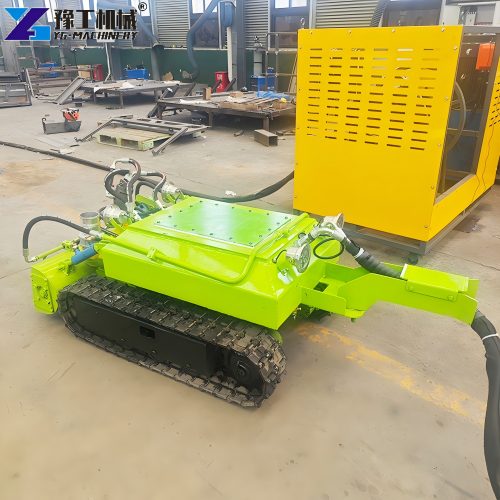
Manual Dredging vs. Robotic Tank Cleaning Equipment
Many teams still rely on manual methods. However, this robotic equipment offers overwhelming advantages.
- Manpower needs differ sharply. A manual crew typically requires six to ten workers. They shovel sludge, guide suction hoses, and transport waste. Extra people must serve as confined space watchers. In contrast, a submersible dredging machine needs only one or two workers. They operate the unit from a safe control station on dry ground.
- Daily output tells the same story. A manual team might remove 40 to 80 cubic meters per day. Fatigue and poor visibility slow them down. Meanwhile, the YG unit pumps 100 to 200 cubic meters per hour. You can easily clean several hundred cubic meters during one shift.
- Safety risk is the most critical factor. Confined space entry exposes workers to toxic gas, low oxygen, and drowning. Severe accidents still happen every year worldwide. A remotely operated cleaning robot completely removes this danger. Workers never enter the tank, so injuries drop to zero.
- Total cost comparisons are eye-opening. Manual labor involves continuous wages, high insurance fees, and expensive disposal. More than that, tank draining causes production downtime. That lost output often costs more than the cleaning itself. A robotic unit consumes only electricity and needs basic maintenance. Users frequently report 50 to 70 percent total cost reduction.
- Payback arrives quickly for most buyers. Because labor and downtime savings are so large, the machine often pays for itself within six to twelve months. One municipal plant recovered its full investment after only eight months. Clearly, the shift to robotic cleaning is a sound financial decision.
Water Depths for Robotic Dredging with a Sand Dredger for Sale
Customers often ask which water depth our sand dredger can handle. Our machines operate effectively from shallow basins to deep reservoirs.
- For 2-meter depth, the robot works without any special modification. Standard 50-meter hoses give plenty of reach. Compact models like the YG-500 and YG-600 are ideal. They are light yet stable, so deployment is very fast.
- At 5 meters, you match the depth of typical wastewater clarifiers. Here, the YG-700 or YG-800 performs best. Their 200 m³/h flow rate removes settled solids rapidly. In addition, the wider dredging path covers more area per pass.
- When reaching 10 meters, hydraulic pressure stays steady and reliable. The track drive ensures firm grip on sloped floors. The YG-900 works well for these mid-depth jobs. Its 38 mm particle passage handles compacted sludge easily.
- At 20-meter depth, deep industrial tanks or reservoirs demand extra power. We recommend the YG-1200 with its 45 kW motor and 60 mm particle capability. You may require longer hydraulic hoses, which we supply as a custom option. Robotic dredging at this depth keeps all personnel completely safe. In every case, the machine cleans without dewatering. This saves weeks of downtime and major bypass pumping costs.
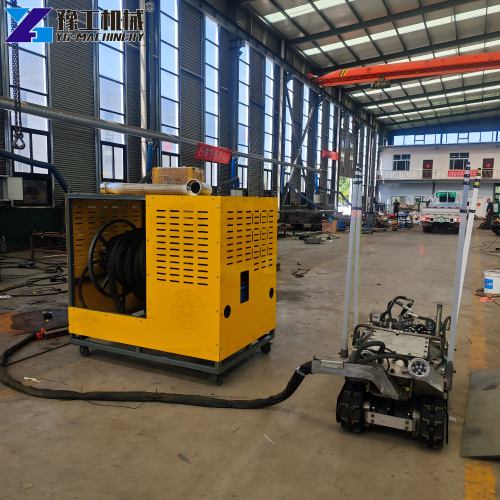

Why U.S. Plants Choose Sand Dredger for Sale and Robotic Dredging?
More American wastewater and industrial plants are investing in robotic dredging technology. Several strong trends drive this shift.
- Safety regulations grow stricter each year. OSHA demands rigorous confined space permits, gas monitoring, and rescue teams. Choosing a sand dredger eliminates these requirements entirely. Plant managers can dramatically reduce liability.
- Downtime avoidance is another big factor. EPA guidelines often discourage or restrict tank draining during plant upgrades. A robotic unit can clean while the basin stays in operation. This is vital for facilities that run continuously.
- Labor shortages add more pressure. Finding workers who accept manual tank cleaning is increasingly difficult. Younger workers tend to avoid such dangerous, dirty jobs. A reliable machine fills the labor gap permanently.
- Cleaning precision also improves with robotic controls. Onboard cameras and bright LED lights let the operator see every corner. The robot can target sediment around pipes and on uneven floors. You achieve more thorough removal than manual shoveling ever can.
- Long-term cost logic seals the decision. The upfront price of this equipment may seem high at first. However, savings on labor, insurance, bypass pumping, and safety incidents add up extremely fast. We now receive growing requests for sand dredgers from municipal districts across the United States.
FAQ: Dredging Machine and Robotic Tank Cleaning Equipment
A dredging machine is a submersible, remote-controlled robot that pumps sludge, sand, and debris from underwater. You operate it from a safe location above ground. It removes the need for workers to enter confined spaces. The unit moves on tracks and works without draining the tank.
Yes. Depending on the model, the pump passes solids from 15 mm up to 60 mm in diameter. This capability makes it a true sand dredger. The impeller is made of hardened, wear-resistant material. As a result, it handles abrasive media with long service life.
Usually, a two-person crew can set up the machine in under two hours. You lower the robot by crane or hoist, connect hydraulic hoses, and start the power unit. YG provides quick-start training and clear operation manuals.
Daily care mainly involves checking hydraulic oil level, cleaning the pump intake strainer, and inspecting hose connections. This routine takes about 20 minutes. More detailed inspections are scheduled every few hundred operating hours. Proper care ensures years of reliable service.
Yes. We build critical parts from stainless steel and apply special protective coatings. Before you order, please share a water quality analysis. Our engineers will recommend the best material configuration for your specific liquid conditions.

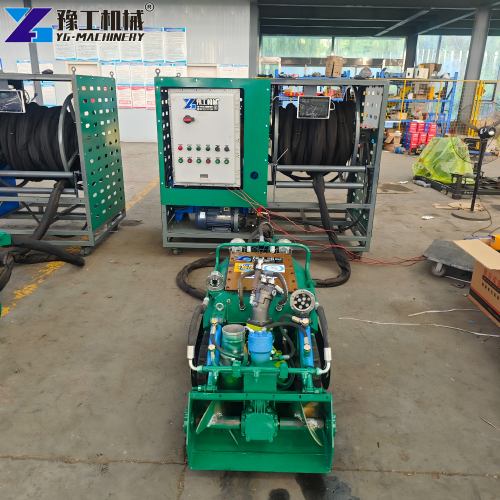
YG Dredging Machines and Sand Dredger for Sale – Contact Us
YG Machinery supplies a complete lineup of dredging machine models. We keep YG-500 through YG-1200 ready for fast delivery. Every system undergoes full load testing at our factory. We can also support you with on-site installation and operator training. This robotic dredging equipment will transform your operation. It improves safety, cuts costs, and lets you clean without shutdowns. Do you need a durable sand dredger today? Reach out now to receive a customized quote. Describe your project, and our application experts will recommend the right model. We respond to all inquiries within 24 hours.


