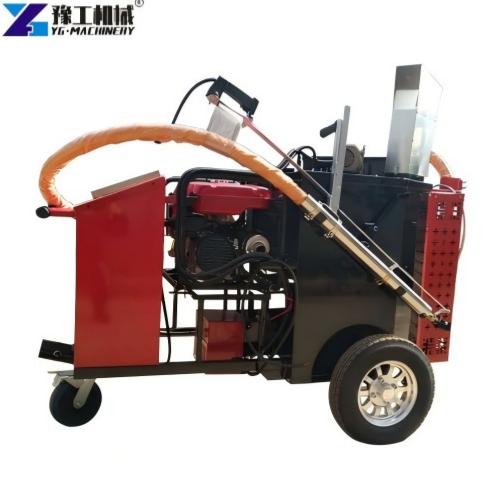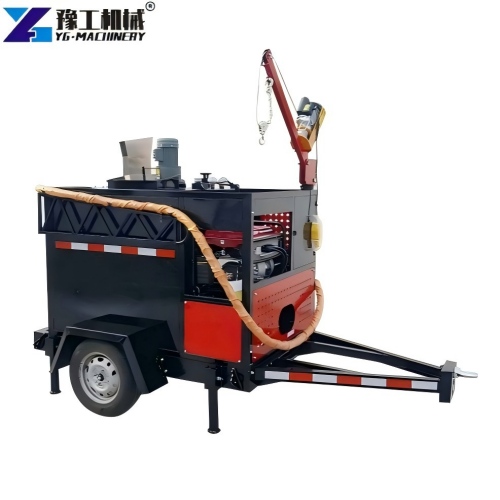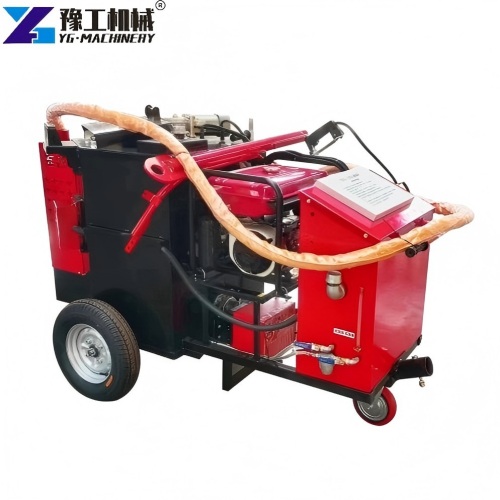
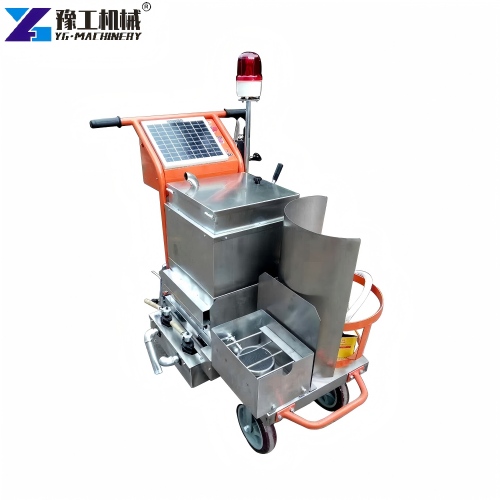

A crack filler machine seals cracks in asphalt and concrete surfaces before water and debris cause deeper damage. Road crews and contractors rely on this equipment to extend pavement life. It also helps reduce long-term repair costs. YG Machinery offers three models, each built for a different project scale. Whether you manage small local roads or large highway systems, one of these units can match your workflow. Each design combines efficient heating and precise temperature control. Together, they keep sealant application consistent from start to finish.
Road Crack Sealing Machine Parameters
The table below outlines the core specifications for each model. Use it to compare hopper volume, heating method, and power configuration side by side.
| Model | YG-50L | YG-80L | YG-100L |
| Hopper volume | 50L | 80L | 100L |
| Discharge method | Self flow | Asphalt pump feed | Asphalt pump feed + hand-held tube |
| Heating method | Liquefied gas | Liquefied gas + heat transfer oil | Italian diesel burner, heat transfer oil cycle heating |
| Temperature control | Temperature sensor 180 ° (temperature control call) | Temperature sensor 180 ° (temperature control call) | Automatic temperature control system |
| Filling speed | 10m/min | 15m/min | 20m/min |
| Length of sealing pipe | —— | —— | 5m |
| Walking mode | Push-type + brake device | Push-type + brake device | Push-type + trailer |
| Mixing method | Manual mixing | Manual mixing | Electric stirring |
| Power Configuration | Solar panels + batteries | Solar panels + batteries | Import 2KW generator |
| Dimensions | 1200*700*1200mm | 1200*700*1200mm | 1750*786*1200mm |
| Weight | 120kg | 150kg | 220kg |
The Role of Crack Filler Machines in Eco-Friendly Road Maintenance
Modern road maintenance now places more focus on sustainability. A crack filler machine supports that shift. It reduces material waste and lowers the need for full-scale resurfacing.
1.Reducing Material Waste and Extending Pavement Life
Sealing cracks early stops small damage from spreading. This approach uses less asphalt overall since crews avoid repaving entire sections. As a result, projects consume fewer raw materials and generate less construction waste over time.
2.Energy-Efficient Heating and Power Options
The YG-50L and YG-80L run on solar panels paired with batteries. This setup lowers fuel consumption and cuts emissions on job sites without grid access. For larger operations, the YG-100L uses a diesel burner with heat transfer oil cycle heating. This design keeps sealant temperature stable during long work sessions. Together, these power options give teams flexibility based on site conditions and goals.
3.Preventing Water Infiltration and Long-Term Road Damage
Water that seeps into cracks can freeze, expand, and weaken the base layer beneath a road. A road crack sealing machine addresses this early. It works before moisture reaches deeper structural layers. Consequently, agencies spend less on emergency repairs and full reconstruction projects. This makes the investment practical for any maintenance budget focused on long-term durability.
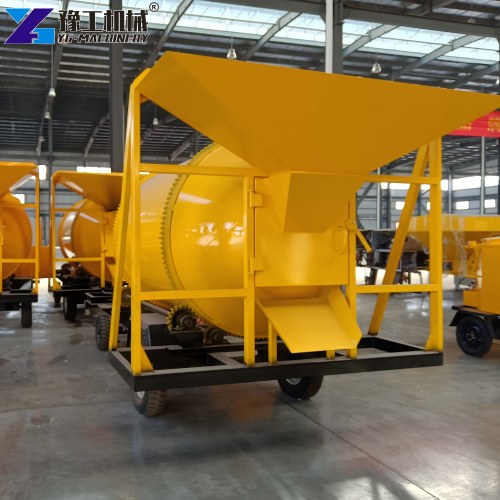

Trailer-Mounted Crack Filler Machine vs. Push-Type Crack Filler Machine
Choosing between a trailer-mounted unit and a push-type model depends on project size, terrain, and crew size.
Push-Type Models for Small to Mid-Size Projects
The YG-50L and YG-80L use a push-type walking mode with a built-in brake device. Operators can move these units easily across sidewalks, parking lots, and narrow road sections. Since both models rely on manual mixing, they suit smaller crews handling routine maintenance work. Their compact dimensions also make storage and transport simpler between job sites.
Trailer-Mounted Model for Large-Scale Roadwork
The YG-100L pairs a push-type frame with a trailer. This allows it to travel longer distances between sites. It also includes electric stirring instead of manual mixing, which speeds up preparation time. With a 5m sealing pipe and a filling speed of 20m per minute, this model handles high-volume highway projects efficiently. Its 2KW generator removes dependence on solar charging. This makes it suitable for continuous, large-scale operations.
Key Factors to Consider Before Buying a Crack Filler Machine
Before purchasing a crack filler machine, it helps to match specifications to your actual project needs. The following factors can guide that decision.
1.Project Scale and Hopper Volume
Smaller hopper volumes, like the 50L option, work well for occasional repairs. Larger volumes, such as the 100L model, reduce refill frequency on bigger jobs. Therefore, estimating your typical crack length and frequency helps determine the right hopper size.
2.Heating Method and Climate Conditions
A hot crack filler machine must maintain consistent sealant temperature regardless of outdoor conditions. Liquefied gas heating works well in moderate climates. Diesel burner systems, on the other hand, offer more stable output in colder or high-demand environments. Matching heating method to your regional climate improves sealing quality year-round.
3.Power Source and Site Access
Solar-powered models suit remote sites without reliable electricity access. Generator-powered units, on the other hand, support continuous operation regardless of sunlight availability. Consider your typical job site conditions before selecting a power configuration.
4.Filling Speed and Crew Efficiency
Faster filling speeds reduce labor time on larger projects. Does your team handle high-volume repairs on a regular basis? If so, a model with higher filling speed and electric stirring can improve daily output.

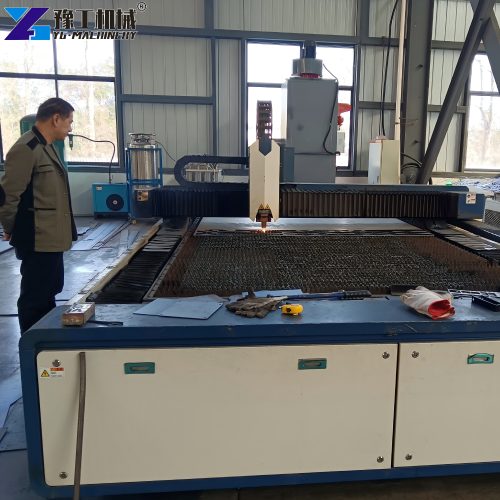
Buy YG Crack Filler Machines and Explore Our Full Road Equipment Range
YG Machinery builds each crack filler machine to meet international quality standards. Our team also supports customers through every stage of the buying process. This includes initial specification review and after-sales technical support. Are you searching for an asphalt crack filler machine for sale that fits your project? Our engineers can recommend the right configuration. They will consider your climate, crew size, and typical repair volume.
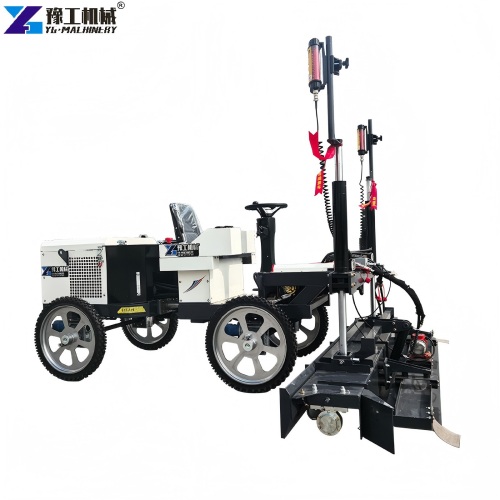
Beyond this product line, YG also produces a broader range of road maintenance equipment. These machines work well alongside your sealing operations. Our lineup includes a small road roller for compacting repaired surfaces. We also offer a concrete laser leveling machine for precise flatness control on larger paving projects. In addition, our range covers a concrete floor bead blaster for surface preparation. A road line marking machine completes the post-repair striping process.
Contact our team today to request a detailed quote, technical specifications, or a customized configuration for your road maintenance fleet.