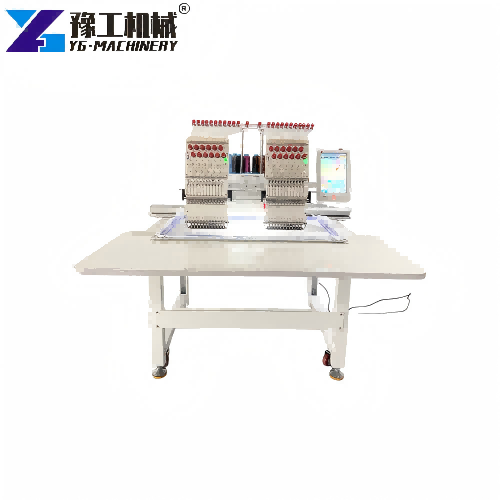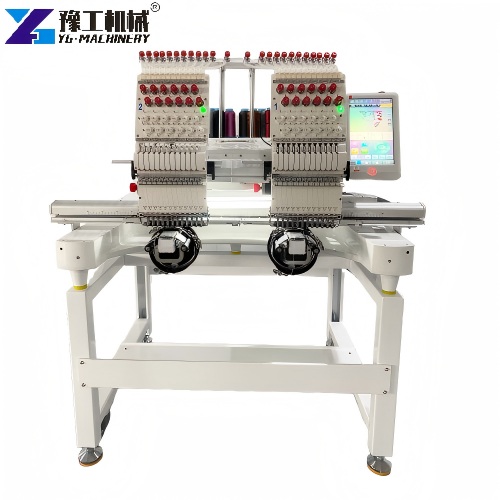


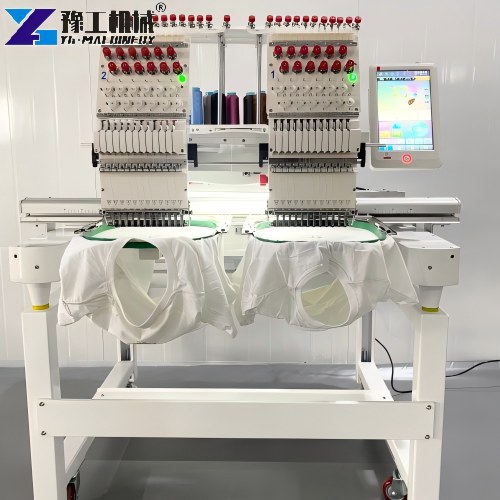
A reliable embroidery shirt machine turns a plain uniform into a branded product in one pass. It positions the garment under a computer-guided needle and stitches a digital logo file into the fabric. Threads trim automatically between color changes. For factories, uniform suppliers, and workwear brands, this single machine can replace an entire outsourced production step. Buyers researching an embroidery shirt machine usually fall into three groups: factories adding a service line, suppliers moving in-house, and promotional companies scaling up. The right choice comes down to needle count, field size, and tension consistency.
Embroidery Shirt Machine Parameters
| Parameter | YS-1201CT (Single Head) | YS-1202CT (Two Heads) | YS-1203 (Three Heads) |
| Heads | 1 | 2 | 3 |
| Needles | 9 / 12 / 15 optional | 12 | 12 (9/15 optional) |
| Working Area | 360 × 510 mm | 400 × 500 mm | 400 × 450 mm |
| Max Speed | 1,000 RPM (adjustable) | 1,000 RPM (adjustable) | Flat: 1,000 RPM; caps/garments: 800 RPM |
| Control System | Dahao A15 | Dahao A15 | Dahao A15 |
| Display | Colour LCD touch, 1280×800 | Colour LCD touch, 1280×800 | 10 inch true colour touch LCD |
| Package Size (L×W×H) | 92×88×85 cm (wooden) | 1.37×1.12×0.92 m (wooden) | 2.07×1.12×1.01 m (wooden, ~2.3 CBM) |
| Gross Weight | 210 kg | 420 kg | 650 kg |
| Voltage | 110V/60Hz or 220V/50Hz | 110V/60Hz or 220V/50Hz | 110 220V |
| Spindle Motor | — | — | Servo motor |
| Rotary Hook | Standard | Standard | High quality hook |
Why Are More Brands Replacing Printed Logos With Embroidered Logos?
Screen printing dominated corporate branding for decades, but that pattern is shifting. Buyers now link a stitched logo to a company that invests in its image.
1.Premium Brand Perception. A raised, textured logo reads as finished rather than decorated. Printing sits on top of the shirt; stitching becomes part of it.
2.Long-Term Wash Durability. Printed logos crack and fade after repeated industrial laundering. Thread-based branding holds its shape through hundreds of wash cycles, which matters most on uniforms washed daily for years.
3.Elevated Corporate Image. Executive polos and client-facing workwear increasingly treat embroidery as a baseline, not an upgrade. Brands use it to show that every detail, down to collar stitching, meets the same standard.
4.High-End Market Preference. Hospitality groups, private aviation, and luxury retail rarely accept printed branding on visible garments. Suppliers offering only printing get pushed out of these segments entirely.

Why Are Clothing Brands Building In-House Embroidery Workshops Instead of Outsourcing?
Outsourced embroidery once made sense at any volume. That math has changed as orders shift toward smaller, faster, more customized runs.
1.Shorter Delivery Cycles. Sending shirts to a third-party embroiderer adds days to every order. Investing in embroidery equipment for sale removes that round trip and often cuts lead time in half.
2.Rising Demand for Small-Batch Orders. Corporate clients now order 20 to 50 pieces at a time instead of container-scale runs. Outsourced embroiderers often deprioritize small jobs, but an owned machine treats every order equally.
3.Design Confidentiality. Unreleased product lines and client-specific uniforms carry risk once digitized files leave the building. Keeping embroidery in-house closes that exposure.
4.Better Quality Control. A shirt returned with a misaligned logo still damages the brand’s reputation, not the vendor’s. Running embroidery internally means rejects get caught before shipping.
5.Lower Long-Term Costs. Per-piece outsourcing fees add up fast past a few thousand units a year. Buying embroidery equipment for sale outright typically pays for itself within the first year of steady logo orders.
The Real Cost of Shirt Embroidery Isn’t Stitching — It’s Rework
Most buyers price embroidery by thread and labor cost per piece. That number misses the real expense: garments that fail inspection and must be redone.
1.Positioning Errors. A logo stitched five millimeters off-center is visible to anyone wearing the shirt. Manual hooping causes most positioning failures, and each one wastes a garment plus thread.
2.Fabric Puckering.Thin or stretch fabrics bunch under the needle when tension doesn’t match the material. Puckered logos can’t be pressed flat, so they force a full reject rather than a quick fix.
3.Logo Misalignment. Multi-piece runs sometimes drift as hoops shift or backing loosens partway through. Without automated checks, drift can go unnoticed until several shirts are already wrong.
4.Repeated Production Costs. Every rejected shirt costs twice: once for wasted fabric and thread, again for labor on the replacement. A 5% reject rate can quietly erase margin on an entire batch.
5.How to Reduce Reject Rates?Consistent hooping, automatic tension adjustment, and pre-production digitizing checks address most rework at the source. Stable frame-locking and reliable thread-break sensors catch problems before garments finish.
Why Can a One Head Embroidery Machine Cost 30% More Than Another?
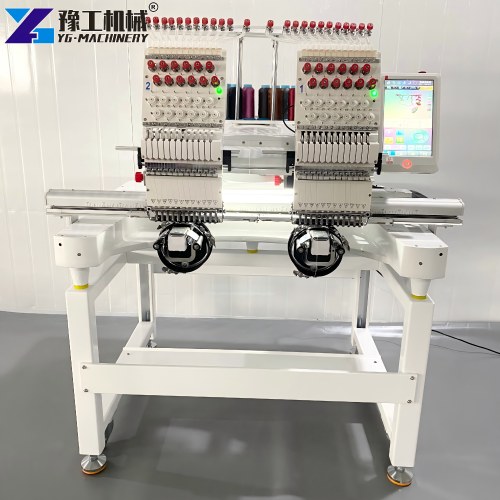
Two suppliers can quote the same logo on the same shirt and land 30% apart on price. The gap rarely comes from thread or labor; it comes from the machine itself. Needle and hook quality shapes how often thread breaks during a run, and each break stops production. Automatic tension control reduces puckering-related rejects, while manual-tension machines depend entirely on operator skill. A frame that vibrates under load also produces uneven stitches that pass casual inspection but fail on close review. Reliable reciprocators and frame-locking mean fewer rejects per thousand pieces than a cheaper unit with the same needle count. Tally thread breaks, rejects, and rework labor across a run, and the 30% gap becomes easy to explain.
Which Countries Are Best for Investing in a Shirt Embroidery Business?
Embroidery demand tracks garment manufacturing volume and workwear consumption closely, which makes some regions clearly stronger investment targets.
1.China. This market remains the largest clothing manufacturer by volume, producing around 35% of the world’s garments and over $170 billion in apparel exports. That scale supports dense local supply chains.
2.Vietnam. Its industry has risen from a cost-based sourcing hub into a high-growth, export-driven apparel powerhouse. Factories here have invested heavily in equipment for complex construction, including workwear, supporting strong demand for in-house embroidery equipment.
3.Bangladesh. Apparel exports here rank second globally, backed by a garment sector that consistently needs branded workwear and uniform trim.
4.Mexico. Factories in this market benefit from lead times of 15-25 days to the US, versus 45-60 days from Vietnam. This speed suits uniform suppliers serving replenishment-driven North American clients.
5.Turkey. This market offers a strong base for denim and knit manufacturing, with proximity to Europe supporting fast turnarounds at lower cost than many European producers. That fits businesses serving European uniform demand.
FAQ about Embroidery Shirt Machine
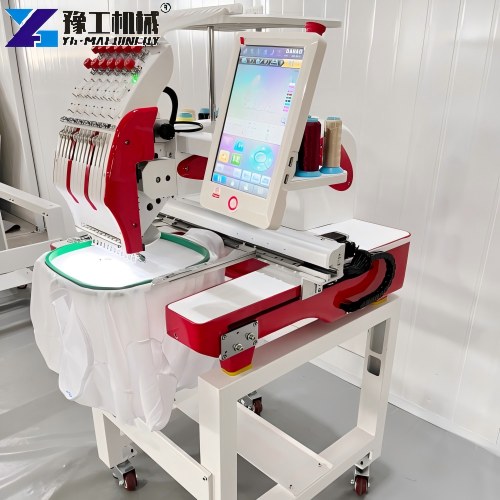
A one head embroidery machine stitches a single garment using multiple needles for color changes, suiting startups. The term multi needle sewing machine can describe that same design or a larger multi-head system.
Pricing depends on needle count, embroidery area, and control features, with single-head models sitting at the lower-cost entry point. Contact YG Machinery for a configuration-specific quote.
Yes, with correct needle selection, backing material, and tension settings. Heavier fabrics typically run at reduced speed to prevent puckering.
Minimum order quantities vary by configuration. Contact our sales team for current MOQ and shipping terms.
Output depends on stitch count, needle count, and machine speed. A single head unit running steadily can typically finish several hundred small logos per shift.


Buy YG Embroidery Shirt Machines
YG Machinery supplies embroidery shirt machines built for factories, uniform suppliers, and workwear brands moving production in-house. Our wider catalog covers multi-head, industrial, cap, computerized, and multi-color embroidery machines for every logo type. Every unit is built for the tension consistency and frame stability that keep reject rates low. Contact our team for a full parameter sheet and pricing by configuration.