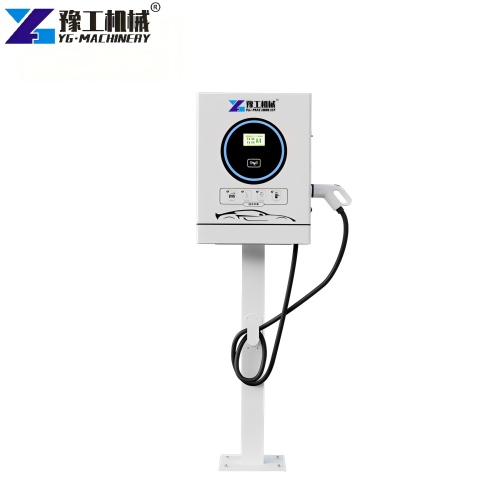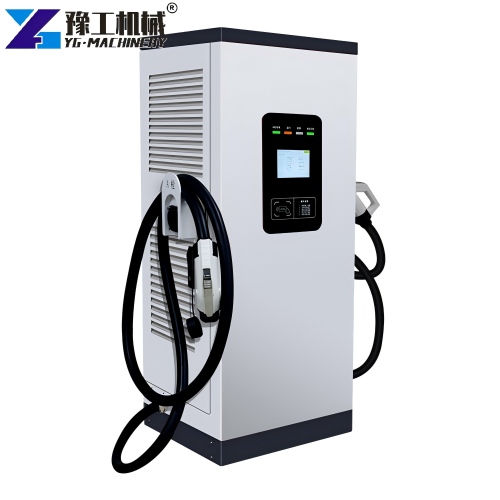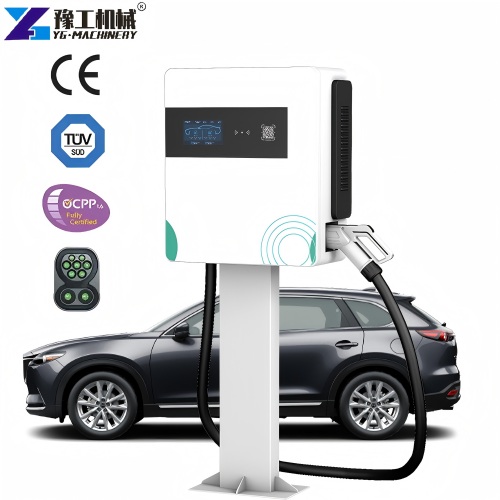
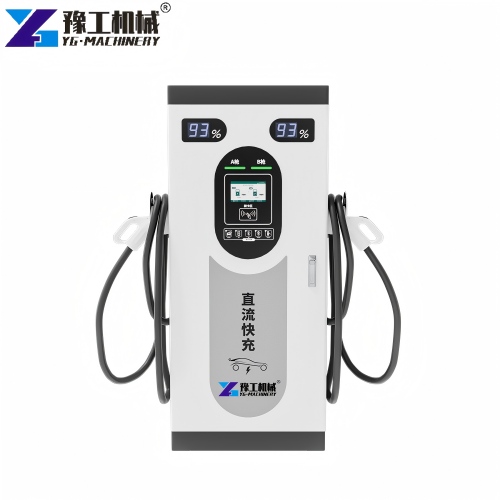
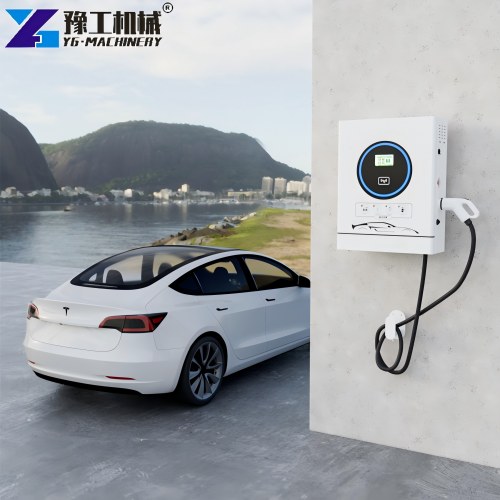
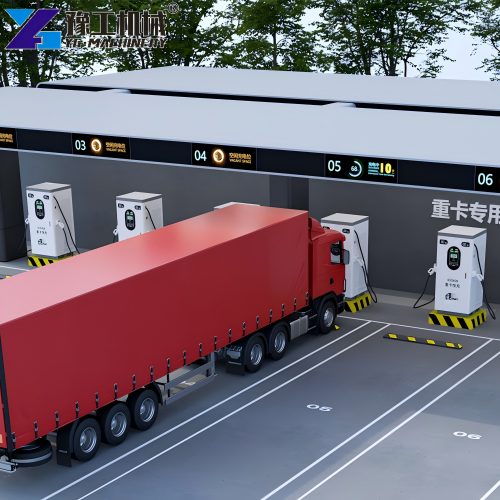
As electric vehicles become more common worldwide, the demand for efficient charging infrastructure continues to grow. Businesses, fleet operators, and charging station investors are looking for charging solutions that offer fast charging speed, reliable performance, and long-term value. A dc charger for electric car meets these requirements by delivering direct current directly to the battery, which greatly reduces charging time compared with traditional AC charging methods.
YG Machinery provides commercial EV charging solutions designed for modern charging applications. Our chargers are available in 60kW, 80kW, and 120kW models and support multiple charging standards. With intelligent control systems, stable operation, and flexible configuration options, these charging stations are suitable for a wide range of commercial projects.
DC Charger for Electric Car Parameters
| Product number | YG-60KW | YG-80KW | YG-120KW | |
| Detailed specification | rated power | 60KW | 80KW | 120KW |
| Charging equipment | User Interface | 7-inch LCD color display touchscreen | ||
| installation | Floor-standing/Down in down out | |||
| Routing mode device size | 635*423*1600(mm) | |||
| Input voltage | AC380V±20% | |||
| Input frequency | 45~65Hz | |||
| The output voltage | 200-750VDC | |||
| Single gun output current range | 200V-500V | 200V-500V | 200V-500V | |
| The output voltage | 0-90A | 0-120A | 0-160A | |
| Single gun output current range | 200V-750V | 200V-750V | 200V-750V | |
| The output voltage | 0-60A | 0-80A | 0-107A | |
| Charging equipment | Single gun output current range | 0-112A | 0-150A | / |
| Cable length | 5m | |||
| Electrical index | Measurement accuracy | Level 0.5 | ||
| Current limit protection value | ≥110% | |||
| Voltage regulation accuracy | ≤±0.5% | |||
| Steady flow accuracy | ≤±1% | |||
| Ripple coefficient | ≤±0.5% | |||
| effectiveness | ≥94.5% | |||
| Power factor | ≥0.99 (50% load or more) | |||
| Harmonic content THD | ≤5% (50% load or more) | |||
| Feature design | HMI | 7-inch LCD color display touch screen, LED indicator | ||
| Charging mode | Auto full / fixed power / fixed amount / fixed time | |||
| payment method | Credit card payment / APP payment /scan code payment | |||
| Communication Interface | Ethernet 2/3/4G (optional) | |||
| Safety design | Executive standard | GB\T 20234, GB/T 18487, GB/T 27930, NB\T 33008 | ||
| security function | Charge gun temperature detection, overvoltage protection, undervoltage protection, overload protection, short circuit protection, grounding protection, over-temperature protection, low-temperature protection, insulation monitoring protection, polarity reverse connection protection, lightning protection, emergency stop protection, leakage protection | |||
| Environmental indicators | Operating temperature | -25°C~+50°C | ||
| Working humidity | 5%~95% non-condensing cream | |||
| Working elevation | <3000m | |||
| Protection level | IP54 | |||
| cooling method | Forced air cooling | |||
| Noise control | ≤60dB | |||
| MTBF | 100,000 hours | |||
| Product number | YG-60KW | YG-80KW | YG-120KW | |
| Detailed specification | rated power | 60KW | 80KW | 120KW |
| Charging equipment | User Interface | 7-inch LCD color display touchscreen | ||
| installation | Floor-standing/Down in down out | |||
| Routing mode device size | 635*423*1600(mm) | |||
| Input voltage | AC380V±20% | |||
| Input frequency | 45~65Hz | |||
| The output voltage | 200-750VDC | |||
| Single gun output current range | 200V-500V | 200V-500V | 200V-500V | |
| The output voltage | 0-90A | 0-120A | 0-160A | |
| Single gun output current range | 200V-750V | 200V-750V | 200V-750V | |
| The output voltage | 0-60A | 0-80A | 0-107A | |
| Charging equipment | Single gun output current range | 0-112A | 0-150A | / |
| Cable length | 5m | |||
| Electrical index | Measurement accuracy | Level 0.5 | ||
| Current limit protection value | ≥110% | |||
| Voltage regulation accuracy | ≤±0.5% | |||
| Steady flow accuracy | ≤±1% | |||
| Ripple coefficient | ≤±0.5% | |||
| effectiveness | ≥94.5% | |||
| Power factor | ≥0.99 (50% load or more) | |||
| Harmonic content THD | ≤5% (50% load or more) | |||
| Feature design | HMI | 7-inch LCD color display touch screen, LED indicator | ||
| Charging mode | Auto full / fixed power / fixed amount / fixed time | |||
| payment method | Credit card payment / APP payment /scan code payment | |||
| Communication Interface | Ethernet 2/3/4G (optional) | |||
| Safety design | Executive standard | GB\T 20234, GB/T 18487, GB/T 27930, NB\T 33008 | ||
| security function | Charge gun temperature detection, overvoltage protection, undervoltage protection, overload protection, short circuit protection, grounding protection, over-temperature protection, low-temperature protection, insulation monitoring protection, polarity reverse connection protection, lightning protection, emergency stop protection, leakage protection | |||
| Environmental indicators | Operating temperature | -25°C~+50°C | ||
| Working humidity | 5%~95% non-condensing cream | |||
| Working elevation | <3000m | |||
| Protection level | IP54 | |||
| cooling method | Forced air cooling | |||
| Noise control | ≤60dB | |||
| MTBF | 100,000 hours | |||
What Is a DC Charger for Electric Car?
A dc charger for electric car is a fast charging device that converts alternating current from the power grid into direct current before sending electricity directly to an EV battery. Unlike AC chargers, which rely on the vehicle’s onboard charger for power conversion, DC chargers perform the conversion internally.
As a result, charging speeds can be significantly faster. Depending on battery capacity and charging conditions, many electric vehicles can charge from 20% to 80% in around 20 to 40 minutes. Therefore, DC charging technology has become an important part of public charging networks and commercial charging stations.
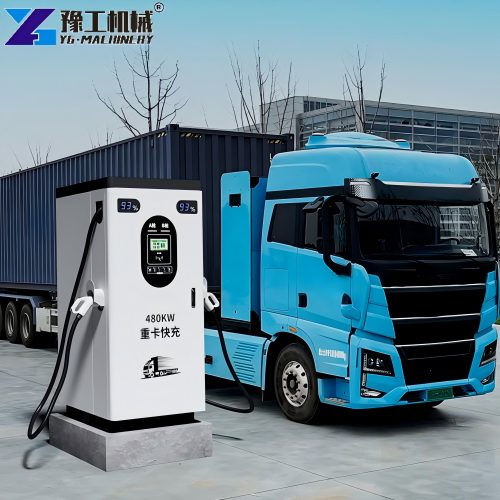
Today, these charging systems are commonly used in shopping malls, service stations, public parking areas, logistics centers, taxi fleets, and bus depots. Their ability to reduce waiting time helps improve the overall charging experience.
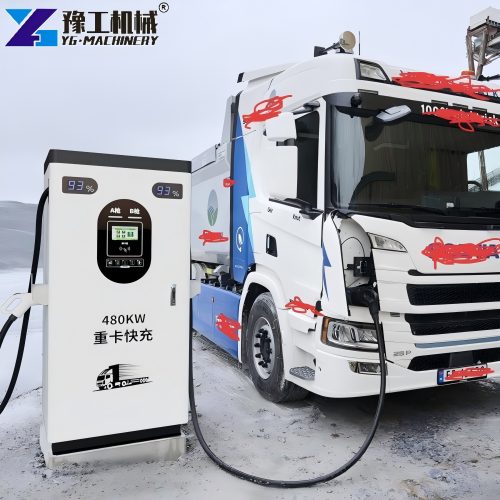
What Is the Working Principle of an EV Car DC Charger?
The operation of an ev car dc charger involves several coordinated steps that ensure safe and efficient charging.
1. AC Power Input:The charging station receives three-phase AC electricity from the local power supply system. Stable input power is important for maintaining charging performance.
2. Internal Power Conversion:Advanced power modules convert AC electricity into DC electricity. This process takes place inside the charging station rather than inside the vehicle.
3. Vehicle Communication:Before charging begins, the charger communicates with the vehicle’s battery management system. This communication helps determine the appropriate charging voltage and current.
4. Intelligent Charging Control:During charging, the system continuously monitors battery status. It automatically adjusts charging output according to battery requirements and operating conditions.
5. Automatic Charging Completion:When the battery reaches the target charging level, the system automatically stops charging. This helps protect the battery and improve operational safety.Through these processes, a modern charging station delivers fast, reliable, and efficient charging performance.
Advantages of DC Charger for Electric Car
Commercial charging operators continue to choose DC charging technology because it offers several important advantages.
1. Fast Charging Speed
Charging efficiency is one of the biggest benefits. A 120kW charging station can deliver a large amount of energy in a short period. This allows drivers to spend less time waiting and more time on the road.
2. Higher Station Utilization
Because vehicles can charge more quickly, charging stations can serve more customers throughout the day. Consequently, operators may achieve better returns on their investments.
3. Direct Battery Charging
Unlike AC charging systems, DC chargers provide electricity directly to the battery. This reduces dependence on the vehicle’s onboard charger and improves charging efficiency.
4. Intelligent Management Functions
Many charging projects require remote monitoring and management. Chargers equipped with OCPP communication can connect to management platforms and provide real-time operational data.
Operators can:
- Monitor charging status
- Review charging records
- Manage users remotely
- Analyze operational performance
- Support online payment functions
5. Multiple Payment Options
Modern charging stations support various payment methods. Users can choose RFID cards, mobile applications, QR codes, or integrated payment systems depending on project requirements.
6. Wide Vehicle Compatibility
YG charging stations support GB/T and CCS2 charging standards. This flexibility allows operators to serve different vehicle brands and meet local market requirements.
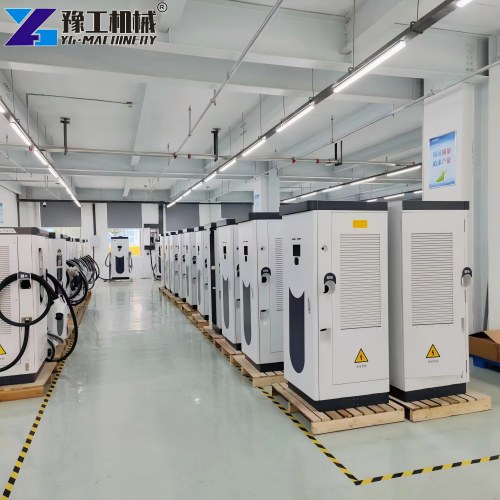
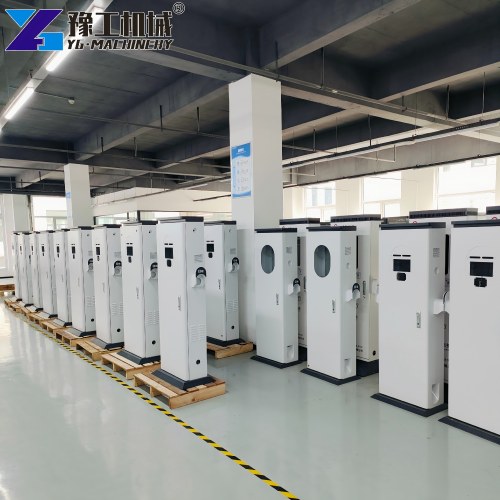
EV DC Charger Price: Factors Affecting Cost
Many customers searching for ev dc charger price discover that charging station costs can vary considerably. Several factors influence the final price.
1. Charging Power
Power output is one of the most important pricing factors.
Generally:
- 60kW models offer lower investment costs.
- 80kW models provide balanced performance.
- 120kW models support higher charging demand.
Higher power levels usually require more advanced charging modules and electrical components.
2. Charging Standards
Different charging connector standards affect manufacturing costs and system configuration.
Common options include:
- GB/T
- CCS2
- Customized connector solutions
The selected standard often depends on the target market.
3. OCPP Communication Functions
Many commercial charging stations require remote operation and software integration. OCPP-enabled chargers include additional communication capabilities, which may increase equipment costs.
4. Payment System Configuration
Payment hardware such as RFID readers, card systems, and software integration can influence the total project budget.
5. Installation Environment
Installation requirements vary from one project to another. Factors such as transformer capacity, electrical infrastructure, and site preparation can affect overall investment costs.
6. Order Quantity
Larger orders often receive more competitive pricing. Therefore, bulk purchasing can reduce the average cost per unit.
When evaluating ev dc charger price, buyers should consider both equipment costs and long-term operational benefits.
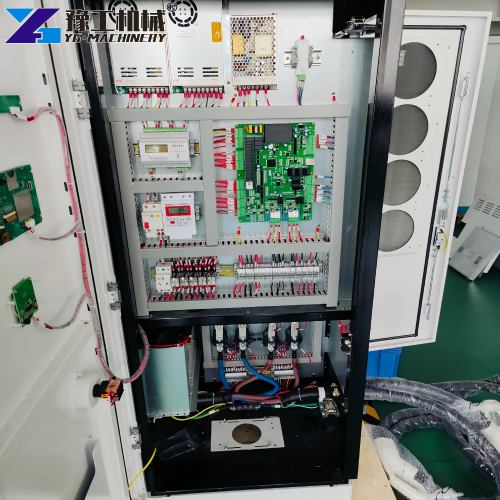
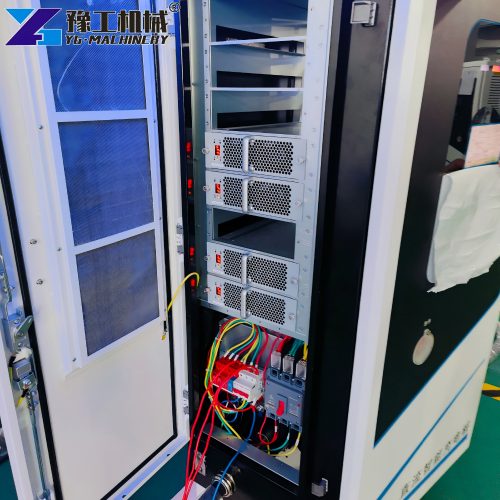
YG Professional DC Electric Charger Manufacturer
YG Machinery is committed to providing reliable charging solutions for customers around the world. Our products have been supplied to projects across Europe, the Middle East, South America, Africa, and Asia.
We understand that every charging project has unique requirements. Therefore, we offer flexible solutions that support different charging standards, communication protocols, and installation environments.
Why choose YG Machinery?
- Professional charging equipment supplier
- 60kW, 80kW, and 120kW models available
- GB/T and CCS2 charging standards
- Optional OCPP communication support
- Strict quality control procedures
- Stable charging performance
- Export experience in multiple countries
- Technical support and after-sales service
- OEM and ODM customization available
In addition to DC charging stations, we also provide AC EV charging stations for residential, commercial, and public charging applications. Customers can select the most suitable charging solution according to their project requirements and budget.
Whether you are building a new charging station or expanding an existing charging network, YG Machinery can provide a dependable dc electric charger solution tailored to your needs.
Contact us today for technical specifications, project recommendations, and the latest quotation information.