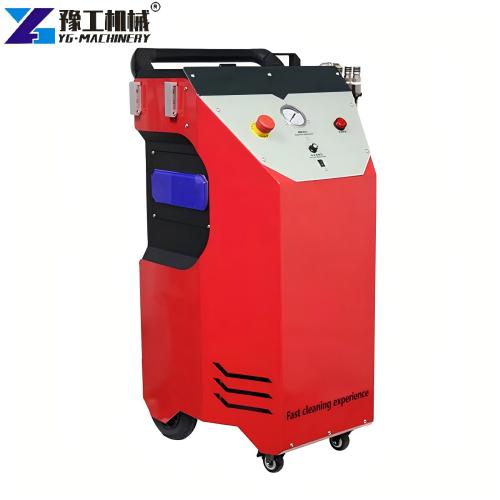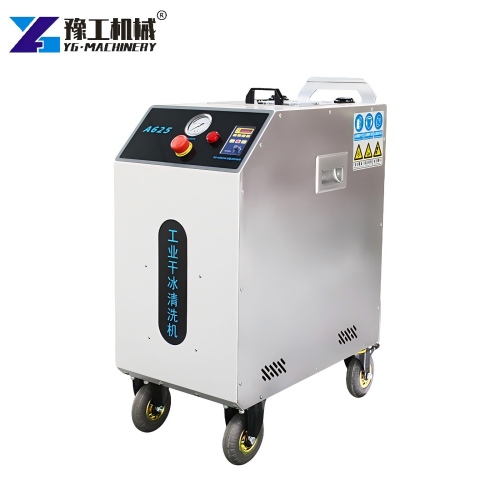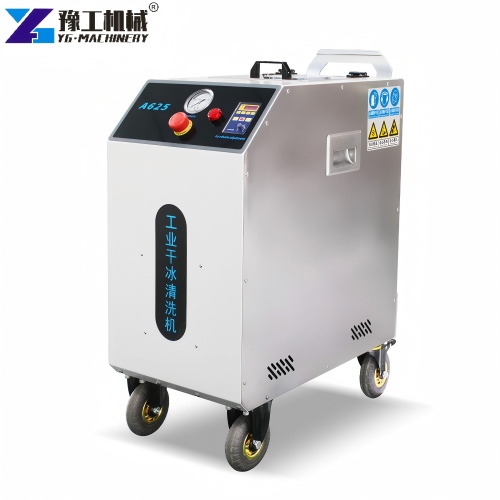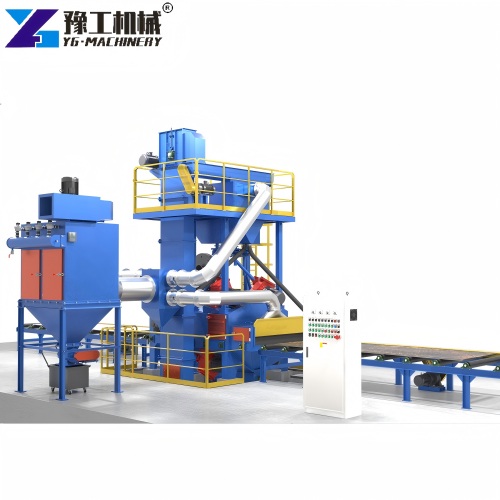
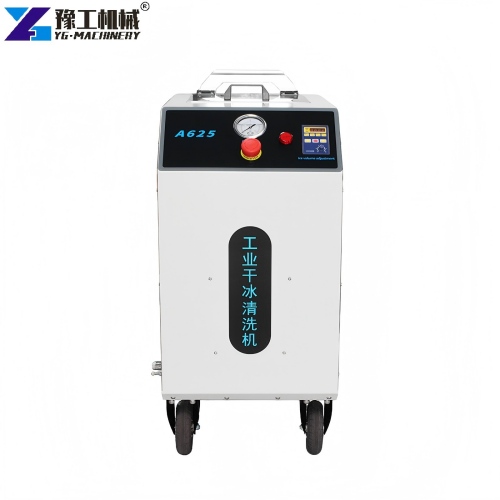
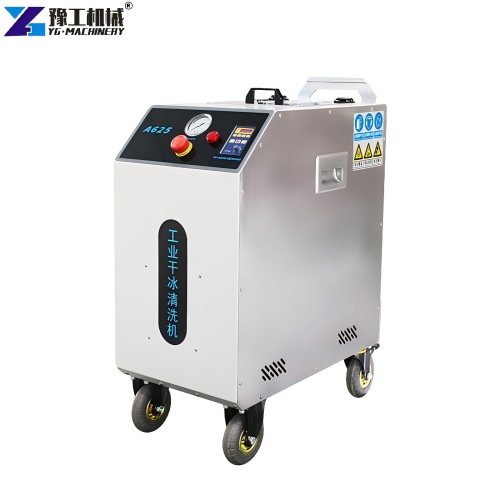
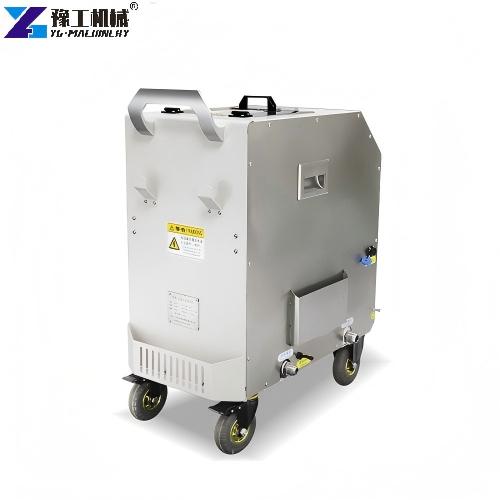
Achieving efficient and thorough cleaning remains a core challenge across various industries such as manufacturing, food processing, and power maintenance. Traditional methods often present dilemmas: chemical cleaning may leave harmful residues, high-pressure water jets risk damaging equipment, and manual grinding is inefficient. In this context, dry ice blasting technology has emerged as an innovative solution. This guide explains the principles, key advantages, and equipment selection criteria to assist in the decision-making process.
Understanding Key Parameters for Dry Ice Blasting Equipment
Understanding technical specifications is the first step in comparing different models. YG Machinery provides tailored solutions for diverse application scenarios. The key parameters below are for reference. For a detailed configuration and quote tailored to your needs, please contact us.
| Model | ICE-JET 3.0 | ICE-JET 6.0 | ICE-JET 15 | ICE-JET 40 |
| Dry Ice Capacity | 3KG | 6KG | 15KG | 40KG |
| Dry lce Consumption | 20-50KG/H | 20-50KG/H | 30-100KG/H | 30-100KG/H |
| Supply Pressure | 3-10bar | 13-10bar | 3-10bar | 3-10bar |
| Air Consumption | 1-2m³/min | 1-3m³/min | 1-4m³/min | 1-5m³/min |
| Weight | 40KG | 50KG | 65KG | 80KG |
| Dimensions | 460x340x750mm | 460x350x850mm | 550x445x985mm | 650x550x1000mm |
| Total Power | <500W | <800W | <800W | <800W |
Interpretation of Core Parameters
- Dry Ice Capacity: Determines continuous operation time after a single fill. A larger capacity is more suitable for extended tasks.
- Air Consumption: A key factor in selecting a compatible air compressor, impacting initial setup and operational costs.
- Working Pressure: The adjustable pressure range allows for handling both delicate surfaces and stubborn contaminants.
- Pellet Size: Adjustable pellet size provides flexibility for achieving different levels of cleaning precision.
- Unit Weight: Weight directly affects portability. Lighter models feature the characteristics of a portable dry ice blaster, making them ideal for scenarios requiring mobility.
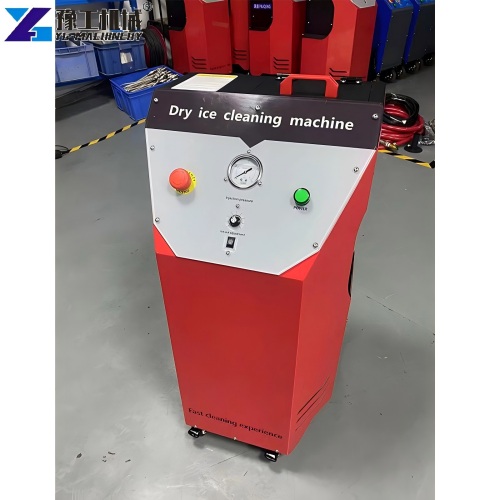
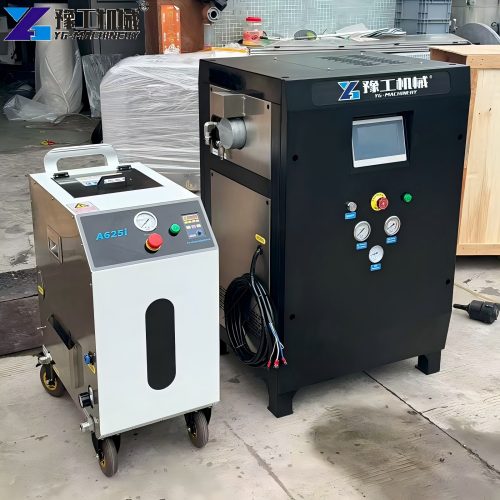
Five Core Advantages of Modern Dry Ice Blasting
- Revolutionary Non-Contact Cleaning: This technology combines thermal shock and kinetic energy. Upon impact, dry ice pellets rapidly sublimate, causing micro-expansion that lifts contaminants away from the substrate without scratching or eroding the underlying material. This makes it particularly suitable for precision molds, sensitive electronics, and other scenarios where traditional abrasive methods could cause damage.
- Exceptional Adaptability Across Industries: Its application range is extensive. From cleaning engine parts and molds in automotive and aerospace to sanitizing conveyor belts in food and beverage, and even restoring stonework in cultural heritage, the technology demonstrates powerful versatility. The availability of portable dry ice blaster models extends this adaptability to on-site maintenance and outdoor equipment servicing.
- Eco-Friendly and Safe Operation: The process primarily uses reclaimed CO2 as the medium, which completely sublimes, producing no secondary waste for disposal. It eliminates the need for hazardous chemical solvents and their associated disposal costs and risks. The entire process generates no wastewater, protecting the environment while also reducing operator exposure to harmful chemicals.
- Maximized Productivity and Reduced Downtime: A key operational benefit is the ability to perform in-situ cleaning. Equipment such as heavy motors, production line frameworks, or large molds often does not need disassembly or movement to a dedicated cleaning area. This significantly reduces downtime, as cleaning can often be completed during scheduled short breaks.
- Long-Term Cost-Effectiveness: While considering the initial investment, the long-term economic profile is compelling. The technology eliminates recurring costs for chemical detergents, abrasive media, and wastewater treatment, while significantly reducing labor hours. Its non-abrasive nature also helps extend the service life of expensive tools and equipment.
How to Use a portable dry ice blaster: Basic Steps
Operating a co2 cleaning machine efficiently and safely involves a clear, step-by-step process. Following these steps can help ensure optimal results and safe operation.
1.Preparation and Setup
Begin by reviewing the specific operation manual for your machine model. Select the appropriate nozzle and set the machine parameters—such as air pressure and pellet feed rate—based on the contaminant type (e.g., grease, paint, mold) and the substrate material. Prepare the work area by ensuring it is well-ventilated. For a truly portable dry ice blaster, this step includes positioning the unit close to the work site and connecting it to a stable, dry compressed air source that meets the machine’s air consumption requirements.
2.Personal Protective Equipment (PPE)
Safety is paramount. Operators and nearby personnel must wear proper PPE. This typically includes safety goggles or a face shield, insulated gloves to prevent cryogenic burns, hearing protection as the process can be loud, and long-sleeved clothing. A respirator may be necessary in confined spaces.
3.Loading and Startup
Wearing gloves, fill the machine’s hopper with the recommended size and quantity of dry ice pellets. Secure the hopper lid. Power on the unit, following the manufacturer’s startup sequence. Allow the machine and air lines to cool and pressurize properly.
4.Testing and Operation
Before beginning on the actual workpiece, perform a quick test on a small, inconspicuous area or a sample piece to fine-tune the distance (typically 5-30 cm from the surface) and angle of the spray gun. Hold the gun at the correct angle and use a sweeping motion to clean, allowing the kinetic energy and sublimation to lift away the contaminant. Avoid holding the nozzle too close or in one spot for too long.
5.Post-Operation and Maintenance
After cleaning, release the trigger and follow the machine’s procedure to purge the hose of remaining pellets. Turn off the power and disconnect the air supply. Properly store the unit and any leftover dry ice. Regular maintenance, such as checking filters and ensuring fittings are tight, helps maintain performance. For detailed guidance tailored to your specific application, contact our technical team.
How to Choose the Right Dry Ice Blasting Equipment
Choosing an efficient cleaning solution requires matching the equipment’s capabilities with specific operational needs. A systematic evaluation of the following factors can lead to a suitable choice.
- Define Primary Applications: Identify the main contaminant types and substrate materials. Different combinations may require different pressure settings, pellet sizes, and nozzle configurations.
- Assess Frequency and Scale of Use: Determine if the equipment will be used for occasional maintenance, daily shifts, or continuous operation. This influences the required robustness and capacity.
- Consider On-Site Conditions: Evaluate practical constraints like available compressed air (pressure and flow rate), workspace size/accessibility, and power availability. Frequent mobility needs point towards a portable dry ice blaster.
- Compare Key Specifications: Match parameters like hopper capacity, air consumption, and pressure range with your defined needs. When evaluating different dry ice machines for sale, a detailed specification comparison is crucial.
- Consider Total Cost of Ownership: Look beyond the purchase price. Factor in estimated costs for dry ice pellets, compressed air, maintenance, and training. A machine with higher efficiency may offer better long-term value.
There is no universal solution. The right choice balances performance, practicality, and budget. For a tailored recommendation, providing a supplier with detailed requirements is the most reliable approach.
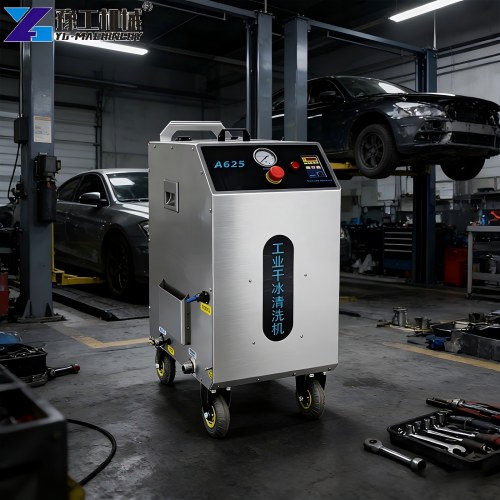
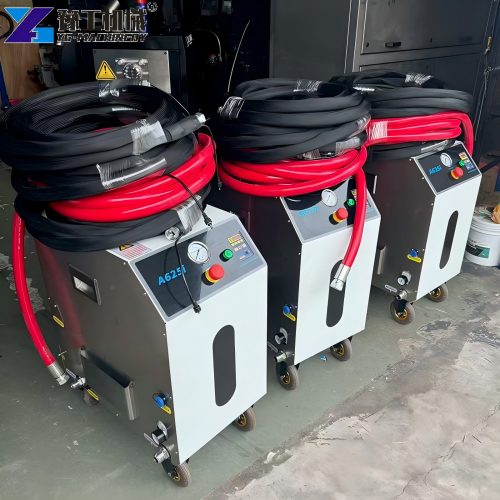
Frequently Asked Questions About CO2 Cleaning Machine
A1:Modern systems are designed for user-friendliness. Operators can typically begin work after basic training.
A2:Yes, the supply network is well-established. YG can also assist in providing reliable supply solutions.
A3:This technology often offers advantages in precision, speed, and avoiding substrate damage, especially where water or chemicals cannot be used.
YG: Building Trust in Industrial Cleaning Solutions
Selecting a dry ice cleaning machine is a significant decision, and the manufacturer’s overall strength provides essential support. YG has deep expertise in the industrial cleaning sector, earning market recognition through dedicated R&D and reliable quality. The company possesses a mature technical team focused on the continuous optimization of CO2 cleaning machine technology.
With a deep understanding of various industries, YG provides highly scenario-specific solutions. From pre-sales consulting and in-sales training to comprehensive lifecycle support, YG is committed to building long-term partnerships, ensuring each unit delivers continuous value in production.
Find Your Ideal Dry Ice Cleaning Solution.Dry ice cleaning machines open new possibilities for efficient, eco-friendly industrial cleaning. To obtain relevant application cases or receive a free professional assessment from our experts, please get in touch. Contact us now for a personalized quote and solution, and take the key step towards a cleaning upgrade.