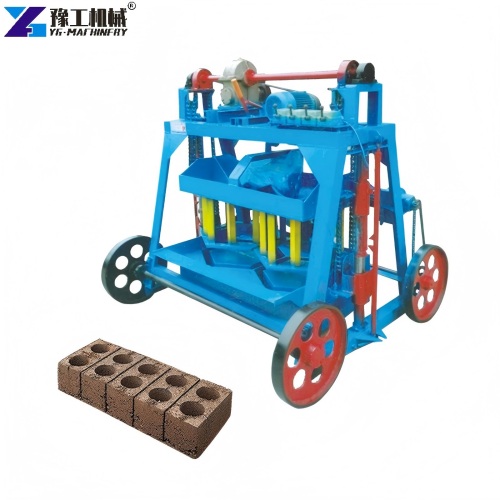
Starting a small brick manufacturing plant can be a promising opportunity, fueled by steady demand from local construction and development projects. However, the biggest question for most new investors is: “How much money do I need to start?” Uncertainty around the total investment—from the concrete brick making machine itself to land, raw materials, and labor—can stall great ideas. This guide provides a transparent, step-by-step budget analysis for a complete setup, turning uncertainty into a clear financial plan.
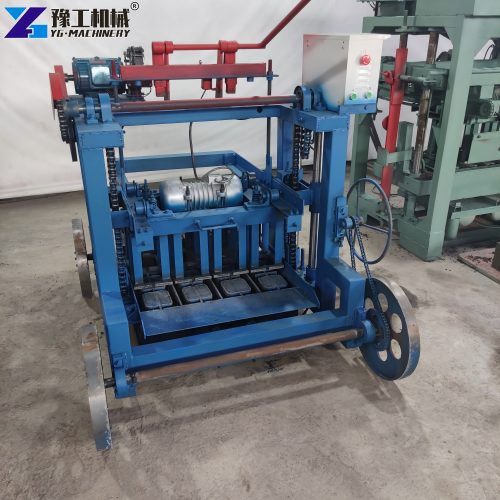
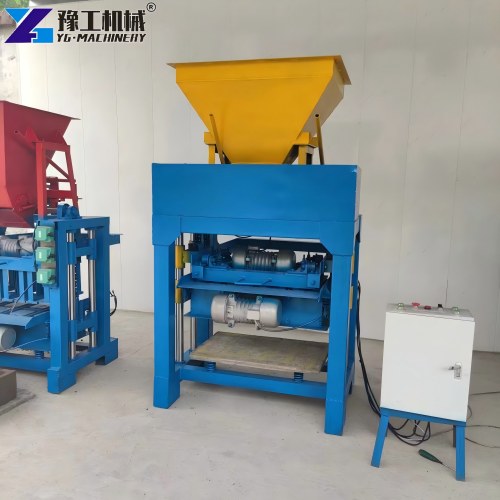
Key Machine Parameters: Understanding Your “Profit Engine”
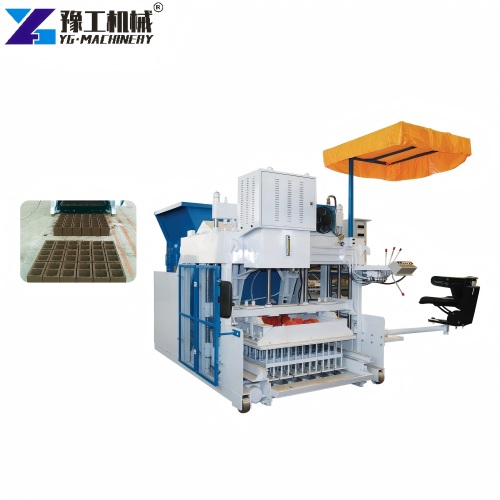
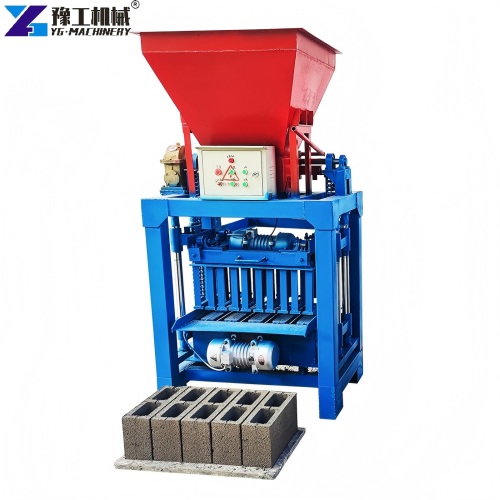
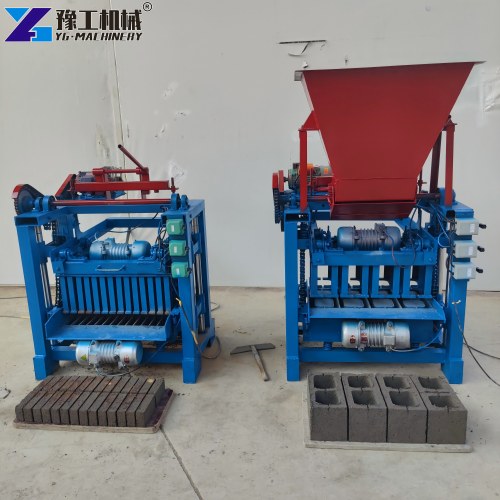
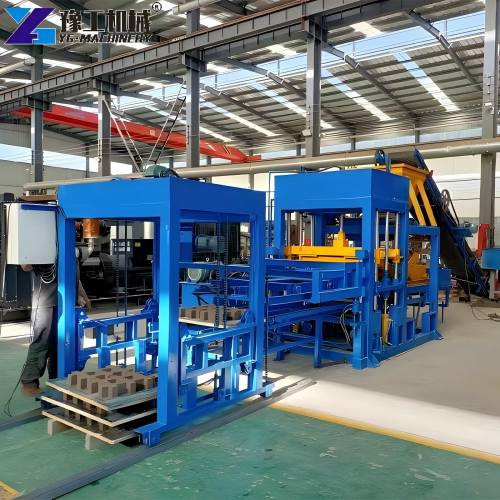
The brick making machine is the core of the operation. Its key parameters directly determine potential output, product mix, and ultimately, profit. The table below details the production specifications for a versatile model, showing how different brick moulding machines and mold configurations yield varied results.
| Block Name | Size (L*W*H)mm | Molding Cycle | QTY/Mould | QTY/hour | Qty/8hr |
| Hollow block | 400*200*200 | 15-20s | 6pcs | 1080-1440pcs | 8640-11520pcs |
| Hollow block | 400*150*200 | 15-20s | 7pcs | 1260-1680pcs | 10080-13440pcs |
| Hollow block | 400*100*200 | 15-20s | 11pcs | 1980-3640pcs | 15840-21120pcs |
| Porous block | 240*115*90 | 15-20s | 15pcs | 2700-3600pcs | 21600-28800pcs |
| Standard brick | 240*115*53 | 15-17s | 30pcs | 6300-7200pcs | 50400-57600pcs |
| Paver | 225*112.5*60 | 20-25s | 15pcs | 2160-2700pcs | 17280-21600pcs |
Analyzing the Parameters for Investment:
- Production Speed Parameter (Molding Cycle): The 15-25 second cycle time is critical. A faster cycle directly increases the Hourly Output Parameter (QTY/hour), which is the foundation for calculating daily revenue.
- Capacity and Planning Parameter (Qty/8hr): The 8-hour production estimates (from 8,640 to over 57,600 pieces) provide a realistic view of daily capacity. This figure is essential for assessing market demand match and performing core Return on Investment (ROI) calculations.
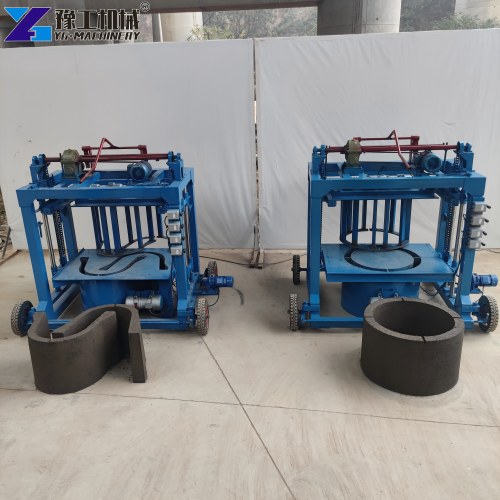
- Product Flexibility: The ability to produce hollow blocks, porous blocks, standard bricks, and pavers on one block production machine allows a business to adapt to diverse market needs and maximize equipment utilization.
5 Key Considerations for Your Brick Plant Investment Budget
1. Analyzing Equipment Investment: The Price Range of Brick Machines
The choice of machine significantly impacts the initial cost. Options range from manual and semi-automatic to fully automatic brick making machine lines. The automatic brick making machine price is influenced by factors like the level of automation (PLC controls, robotic handling), brand reputation, and production capacity. For a new plant, finding a balance between efficient automation and manageable initial investment is often the key to sustainable growth.
2. Beyond the Core Machine: The “Hidden” Setup Costs
The main brick production equipment is just one part of the total investment. Other essential costs include:
- Land & Shelter: Costs for a simple workshop or a more structured factory space.
- Auxiliary Equipment: A concrete mixer, belt conveyors, pallets, and curing racks or a dedicated curing area.
- Initial Raw Material Stock: The first purchase of cement, aggregates, and potential pigments.
3. Planning for Ongoing Operational Costs
A healthy cash flow requires budgeting for running expenses:
- Variable Costs: Raw material cost per brick, electricity consumption (a major factor), and water usage.
- Fixed Costs: Worker salaries, a maintenance fund for equipment, and any applicable local fees or permits.
4. Total Investment Scenarios: From $20,000 to $100,000+
Total startup costs can vary widely based on scale and automation:
- Scenario A (Basic Entry): A small semi-automatic line with minimal infrastructure.
- Scenario B (Recommended Start): A mid-capacity automated concrete block machine with full auxiliary setup.
- Scenario C (Large Scale): A high-output fully automatic plant with modern facilities.
Understanding these models helps in defining a budget that matches both financial capability and business goals.
5. Estimating Return on Investment (ROI) and Identifying Risks
Using the machine’s daily output parameter from the table, potential income can be estimated. A simple ROI calculation (Total Investment / Estimated Daily Profit) gives a preliminary payback period. Key risks to consider include securing a stable market for sales, fluctuations in raw material prices, and the critical need for reliable equipment with strong after-sales support to ensure consistent production.
Recommended Solutions: How YG Machines Can Optimize Your Investment
Selecting the right equipment involves aligning machine capabilities with both budget constraints and production goals. The optimal concrete brick making machine should deliver a strong return on investment by maximizing output and minimizing long-term operating costs.
Efficiency Through Design: Translating Parameters into Profit
Key machine parameters directly impact financial performance. A faster Molding Cycle Parameter (e.g., 15-25 seconds) increases the Production Output Parameter, with some models capable of producing up to 7200 standard bricks per hour. This high throughput is the foundation for generating revenue and achieving a quicker payback period. Furthermore, a versatile machine that supports various brick moulding machines and molds allows a single production line to make different products—from solid blocks to pavers—enabling a business to chase the most profitable market segments without additional major capital expenditure.
Strategic Investment Paths
For entrepreneurs focused on minimizing initial outlay, semi-automatic models present a lower-entry option. They allow for market validation and process establishment while maintaining a respectable daily output, as reflected in the Daily Output Estimation Parameter of thousands of units per shift.
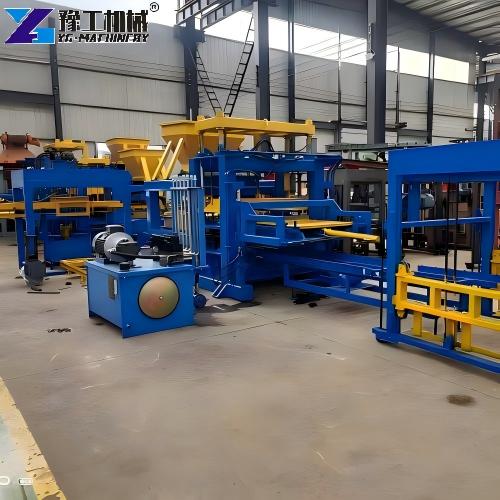
For operations where scale, consistency, and reduced labor dependency are priorities, an automatic brick making machine becomes a compelling investment. The higher automatic brick making machine price is offset by significantly lower per-unit labor costs and more stable, high-volume production. The integration of automation ensures that the theoretical output figures are consistently achieved, which is crucial for fulfilling large contracts and planning growth.
In essence, a well-chosen machine transforms its technical parameters—cycle speed, hourly yield, and flexibility—into tangible business advantages: faster ROI, lower operational expenses, and the agility to adapt to market opportunities.
YG Concrete Brick Making Machine FAQ
A: Prices vary significantly based on automation and capacity, ranging from tens of thousands to several hundred thousand dollars. The focus should be on matching the machine’s output to your specific project goals and total budget.
A: A clay brick making machine typically requires a kiln for firing, which can involve higher initial energy and infrastructure costs. Concrete block machines use hydraulic pressure and curing, often resulting in a different product and a potentially more flexible startup cost structure.
A: A comprehensive quote should cover the main machine, specified molds, essential spare parts, and sometimes basic installation guidance. Costs for shipping, customs duties, and local foundation work are usually separate.
YG Company Strength and Trust Building
YG has built a reputation in the construction machinery industry by developing durable and practical equipment designed for real-world production environments. Our machines are engineered for stability and ease of maintenance, helping to maximize uptime for small and medium businesses. This commitment to reliability is demonstrated through a growing global presence, with brick manufacturing equipment operating successfully in numerous regions including Southeast Asia, Africa, the Middle East, and South America. This worldwide experience ensures that solutions are tested and adapted to various market conditions.
Take the Next Step
Creating a detailed budget is the first solid step toward launching a brick manufacturing business. Use the production parameters above to estimate your potential output. For a personalized cost breakdown and to discuss which brick moulding machines best fit your financial and production plans, reaching out for a detailed consultation can provide the specific answers needed to move forward confidently.