A paper slitting process converts one wide parent roll into narrower finished rolls while protecting width, edges, surface and winding quality. The process begins before loading: paper grade, basis weight, moisture condition, coating, roll hardness, core and defects must be recorded.
The machine does not correct every upstream problem. Wrinkles, damaged edges and uneven parent-roll density can remain visible after slitting. A controlled job therefore links incoming inspection, setup, trial approval, production monitoring and final roll acceptance.
Send the roll material, dimensions and finished-roll target for an initial review.
Confirm paper type, width, diameter, core, winding direction, splice locations and visible damage. Store and condition paper according to the material requirement because moisture and temperature changes can affect curl, static and dimensional stability.
Define the order before setup: lane widths, trim, quantity, cores, finished diameter and labels. Add tolerance and inspection method. This prevents operators from using an unapproved generic slit pattern.
Load and Thread the Paper Slitting Machine
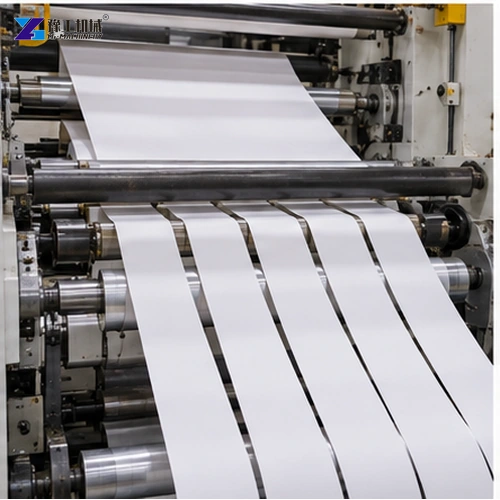
Use approved roll handling and secure the parent roll on the unwind stand. Centre it, confirm brake or drive direction and follow the documented threading path through guide and tension rollers.
Check web alignment at low speed. Remove wrinkles without placing hands near moving rolls or nip points. Confirm that sensors see the intended paper edge or printed reference before the trial.
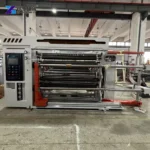
Threading paper through the machine
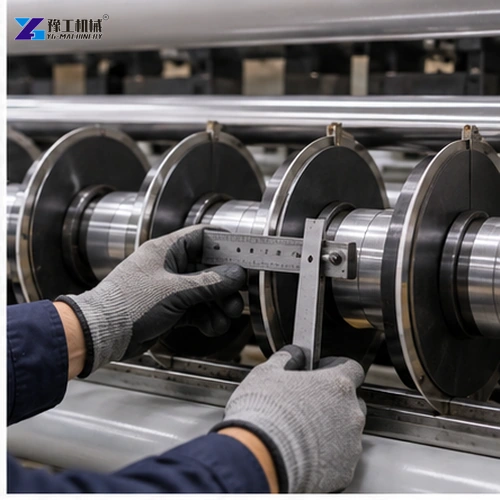
Setting knife spacing for paper widths
Set Paper Slitting Knives and Trim
Choose the approved knife type for the paper and coating. Clean shafts and spacers, set lane positions and verify cumulative width. Knife sharpness, clearance and overlap affect fibre pull, dust and edge quality.
Plan edge trim and its disposal path. Excessive trim wastes paper, while insufficient trim may leave damaged parent-roll edges. Run a short trial and inspect every lane before releasing the full order.
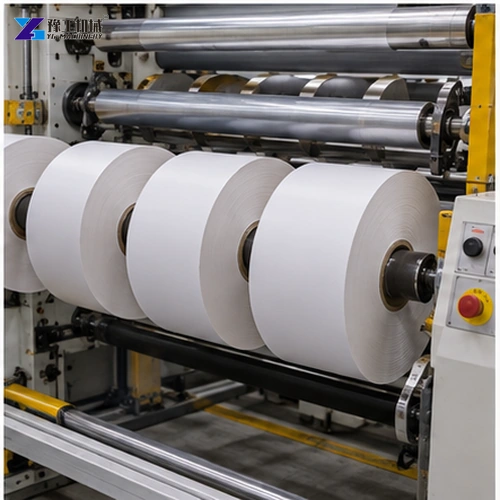
Set unwind, intermediate and rewind tension for the paper rather than copying a film or nonwoven recipe. Excess tension can stretch, curl or crush cores; low tension can create loose rolls and telescoping.
As diameter grows, the control system adjusts torque. Watch roll faces, lane separation and web tracking during acceleration and deceleration. Record corrections with the material lot and roll position.
Trial paper slitting before production
Rewinding narrow paper rolls
Inspect Finished Paper Rolls
Measure width using the approved tool and sampling plan. Inspect cut edges for dust, feathering, burr-like fibre damage and coating lift. Check end-face alignment, diameter, core condition, roll hardness and telescoping.
Quarantine nonconforming rolls with the related parent-roll and lane information. Defect location can distinguish a paper issue from a knife, guide or winding problem. Preserve samples when supplier review is needed.
Document the Paper Slitting Process
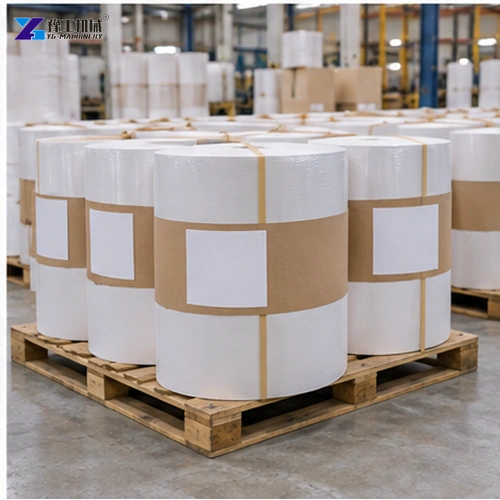
Record machine, model, paper grade, parent roll, slit pattern, knife arrangement, tension recipe, speed range, trim and inspection results. Labels should maintain traceability to the source roll and order.
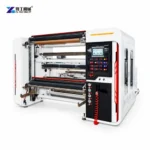
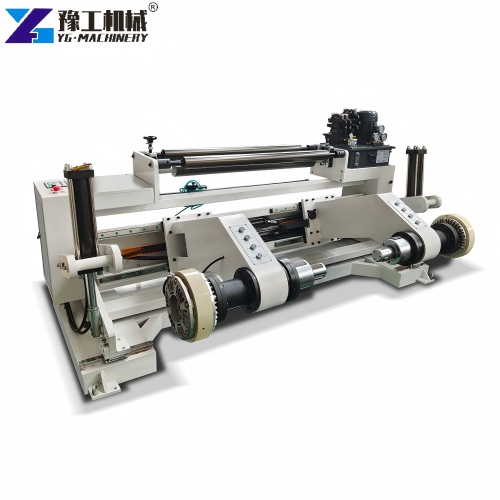
Send these inputs when requesting equipment. YG-1300, YG-1600 and YG-1800 provide different web-width and power options. The final knife, guiding, static-control and winding arrangement must match the actual paper, slit pattern and finished-roll acceptance standard.
Provide utilities, destination and required accessories for a complete quotation.