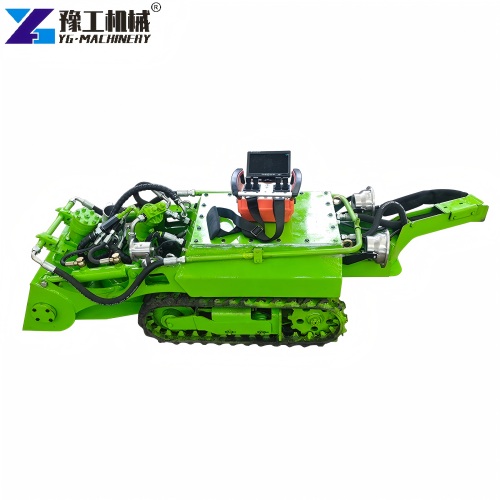


YG Machinery designs a reliable Tank Cleaning Robot for industrial sludge removal. This solution eliminates human entry into confined tanks. Operators control the machine from a safe distance. It travels on sturdy tracks and pumps thick sediment. Many plants use it as a powerful Sludge Cleaning Robot. It also works fully submerged as an Underwater Cleaning Robot. The system handles heavy deposits quickly and cuts downtime. You gain a safer, faster way to restore tank capacity.
The robot moves through a standard manhole and drives along the tank floor. An onboard pump pulls sludge, sand, or slurry and sends it out through hoses. Bright LED lights and a rugged hydraulic design support non-stop operation. This remote-controlled unit replaces manual shoveling and vacuum truck setups effectively. It fits crude oil tanks, chemical storage, wastewater digesters, and more. With zero human entry, your team avoids toxic fumes and engulfment risks. You also lower labor costs and disposal fees. The system delivers consistent results project after project.
YG Tank Cleaning Robot Parameter Table
The table below lists key specifications for the YG series Dredging Robot models. Choose a size that matches your tank diameter and sediment type.
| Dredging Robot Parameter | ||||||
| Model | YG-500 | YG-600 | YG-700 | YG-800 | YG-900 | YG-1200 |
| Robot dimensions | 1500*500*650mm | 1500*600*650mm | 1600*700*650mm | 1600*850*700mm | 1650*960*750mm | 1900*1200*750mm |
| Dredging width | 500mm | 600mm | 700mm | 800mm | 900mm | 1200mm |
| Track travel speed | 3-15m/s | 3-15m/s | 3-15m/s | 3-15m/s | 3-15m/s | 3-15m/s |
| Robot weight | 320kg | 350kg | 380kg | 400kg | 420kg | 500kg |
| Pump output diameter | 3inch | 3inch | 4inch | 4inch | 4inch | 4inch |
| Pump flow rate(cubic meters/ hour) | 100 m³ | 100m³ | 200m³ | 200m³ | 200m³ | 200m³ |
| Hydraulic station dimensions(mm) | 2200*1200*1700 | 2200*1200*1700 | 2200*1200*1700 | 2200*1200*1700 | 2200*1200*1700 | 2120*1240*1200 |
| Main motor power | 22kw | 22kw | 30kw | 30kw | 30kw | 45kw |
| Hydraulic system pressure | 0-16Mpa | |||||
| Particle size | 15mm | 15mm | 38mm | 38mm | 38mm | 60mm |
| Reeling system speed | 0-10r/min | |||||
| Hydraulic hoses | 50m (Standard configuration) | |||||
| Control system | Wireless remote control | |||||
| Lighting system | Underwater LED lights *2 | |||||
All models can be customized for longer hoses, higher flow, or explosion-proof ratings. Contact YG with your project details.


Why Is a Dredging Robot Replacing Manual Tank Entry?
A Dredging Robot changes how facilities handle confined space cleaning. Traditional methods put workers inside hazardous tanks. Now a single operator manages the job from outside. Three main drivers explain this shift.
- Confined space safety
Human entry requires gas monitoring, rescue teams, and permits. A remote-controlled robot removes these needs. Workers stay away from toxic atmospheres and unstable sludge layers. The machine drives into the tank while the operator stands at a safe control panel. This approach drastically reduces injury and fatality risk. - Continuous cleaning without fatigue
A person inside a tank needs frequent breaks. Heat, protective suits, and physical exertion limit work time. The robotic system runs for hours without pause. It maintains constant pump flow and travel speed. Production tanks return to service faster. Shorter cleaning windows mean higher plant availability. - Consistent and thorough solids removal
Manual shoveling often leaves sludge in corners and behind internal structures. The robot’s tracks and compact size help it reach these spots. It scoops sediment and pumps it out in one smooth action. The result is a cleaner tank floor with less water waste. In addition, the unit works well in submerged conditions, acting as a true Underwater Cleaning Robot when tanks cannot be fully drained.
Regulators and safety managers increasingly prefer robotic methods. This shift makes the robotic cleaning approach a standard tool in modern tank maintenance.
Cost Comparison: Tank Cleaning Robot vs. Manual Cleaning
A quick cost review shows why the Tank Cleaning Robot delivers a fast return on investment. Even a single cleaning project highlights meaningful savings.
Labor expense drops sharply. Manual cleaning often needs a crew of four to six workers plus a confined space rescue team on standby. The robot requires only one trained operator. This change reduces hourly wages, overtime, and supervision costs. Furthermore, you avoid the expense of standby rescue personnel.
Insurance and liability costs fall. Confined space entry raises premiums and carries serious legal exposure. A robotic operation lowers risk profiles and can lead to reduced insurance rates over time.
Disposal fees shrink. The machine can concentrate solids internally and reduce the volume of liquid sent for treatment. Less waste means lower tipping and transport fees. Manual methods often mix water and sludge, increasing disposal volume significantly.
Personal protective equipment and decontamination costs become minimal. Disposable suits, respirators, and decontamination showers are no longer needed for a full crew. The robot needs only basic rinsing after use.
Downtime decreases. This equipment cleans at a steady pumping rate. The YG-900 model, for instance, moves up to 200 m³/h. Manual crews simply cannot match that pace. Faster cleaning puts tanks back online sooner. This directly protects revenue.
Over three to five projects, the cost advantage of a Sludge Cleaning Robot becomes clear. Many service providers recoup their equipment cost within a year.
What Sediments Can a Sludge Cleaning Robot Remove?
A Sludge Cleaning Robot handles a wide range of settled materials. Understanding these types helps you select the right model.
Heavy oil sludge and petroleum residues sit at the bottom of crude oil tanks. The machine cuts through this dense layer and pumps it out. It works reliably even when the material is sticky and thick.
Chemical sediments often form in processing tanks. The robot’s hydraulic components resist aggressive media when specified with appropriate seals. It safely removes settled solids without exposing workers to corrosive environments.
Wastewater and sewage sludge collects in digesters and lift stations. Here the machine works as a submersible Dredging Robot. It maneuvers through submerged solids and clears the tank floor.
Sand, grit, and mineral scales challenge many cleaning methods. The YG-1200 model handles particles up to 60 mm in diameter. This capability suits mining slurries and industrial process vessels.
Food and beverage by-products build up in settling tanks. The unit cleans these deposits without introducing contaminants. Its smooth surfaces and washdown-ready design meet hygiene expectations.
In each case, the right pump flow and track width matter. YG helps you match the robotic solution to your specific sediment challenge.
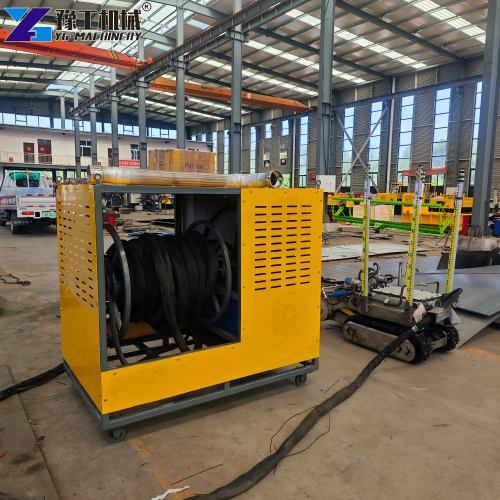

Tank Cleaning Robot vs. Fixed CIP Systems
Many facilities compare a mobile Tank Cleaning Robot with permanent Clean-in-Place systems. They serve different purposes, and knowing the gap helps you invest wisely.
Flexibility is a major difference. A fixed CIP system stays in one tank. A single robot can move from tank to tank. This portability is valuable for tank farms with dozens of vessels. You avoid installing dedicated spray headers on each unit.
Heavy solids handling separates the two. CIP spray balls work well for light residues and rinsing. They struggle with thick sludge layers. The robotic dredging system directly cuts and pumps settled solids. CIP alone often cannot remove accumulated sediment. Some sites use CIP for regular rinsing and call in a robot for periodic deep cleaning.
Capital expenditure favors the robot. Fixed CIP piping, pumps, and controls for a large tank farm require significant investment. A robotic system costs far less than outfitting every tank. In addition, machine maintenance is simpler. You retrieve the unit and service it above ground. A clogged CIP nozzle may require tank drainage and confined space entry to repair.
Water and chemical use can be lower with a targeted robotic clean. CIP often relies on large volumes of cleaning solution. The robot applies high-pressure extraction right at the sludge interface. This reduces chemical consumption and waste liquid generation.
For thorough solids removal, this automated cleaning solution outperforms a fixed CIP system every time.
Future Trends: AI, Visual Recognition and the Unmanned Underwater Cleaning Robot
The Underwater Cleaning Robot is evolving rapidly. New technologies push it toward fully unmanned tank maintenance.
Artificial intelligence will soon enable automatic path planning. Instead of manual joystick control, the robot maps the tank floor and cleans in the most efficient pattern. It avoids obstacles and ensures complete coverage. This reduces operator training time and increases cleaning consistency.
Visual recognition systems will classify sludge density. Onboard cameras and sonar sensors feed data to a smart controller. The machine then adjusts pump speed and track movement to match the sediment type. For instance, it slows down over thick oily sludge and speeds up over thin silt. This smart behavior improves cleaning quality and protects the pump.
Remote fleet management will become common. One supervisor may oversee several units cleaning different tanks at once. Real-time video and data streaming create a digital twin of the cleaning process. The operator can intervene only when needed. This shifts the role from manual driver to process monitor.
Predictive maintenance will add asset inspection capabilities. The same Underwater Cleaning Robot that removes sludge can also scan the tank floor. It checks for corrosion, pitting, and weld defects. This turns a cleaning run into a valuable integrity survey. Repair planning gets better data without extra entry.
YG Machinery actively tests these smart modules. As they mature, automated tank cleaning will become a core tool for unmanned industrial maintenance.


Get Your YG Tank Cleaning Robot Quote
Choose a safer, faster way to clean your tanks. YG Machinery builds robust Tank Cleaning Robot solutions that keep people out of confined spaces.
We offer six standard models to match different tank sizes and sediment loads. Each unit arrives with a wireless remote, hydraulic power pack, and underwater LED lights. We also supply custom track widths, extended hoses, and explosion-proof configurations.
Our team supports your project from selection through commissioning. Reach YG today for a detailed quote and technical advice.
Describe your tank diameter, sludge thickness, and access opening size. We will recommend the best model for your needs. Invest in non-entry cleaning and protect your crew with YG.