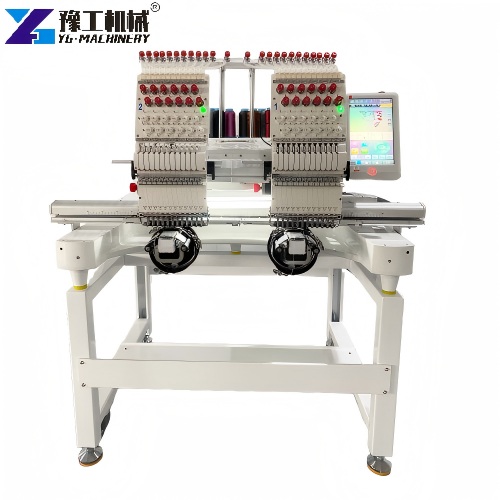
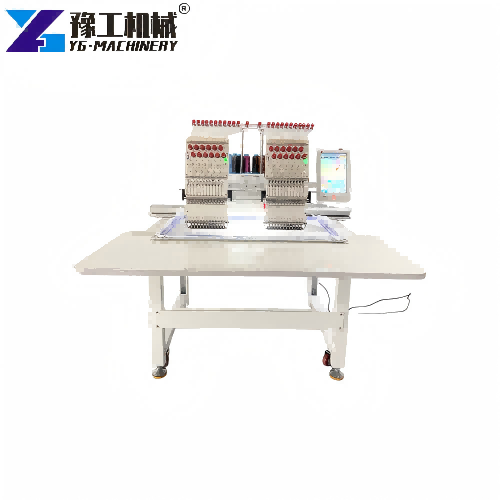

A multi head embroidery machine helps factories turn large fabric orders into finished designs without slowing down production. Instead of stitching one item at a time, several heads work together on the same pattern. This setup suits garment plants, cap makers, and home textile producers who need consistent results at scale. YG designs and builds these machines for buyers who want dependable equipment rather than short-term fixes. Whether you run a small workshop or a growing export business, the right head configuration matters. It shapes your daily output and long-term costs.
This guide walks through machine parameters and how models compare. It also covers fabric requirements and speed versus quality trade-offs. By the end, you’ll know where to buy a multi head embroidery machine that fits your line.
Flat Embroidery Machine Parameters
Before comparing models, it helps to see the numbers side by side. The table below lists three configurations so you can match specifications to your production needs.
| Parameter | YS-1201CT (Single Head) | YS-1202CT (Two Heads) | YS-1203 (Three Heads) |
| Heads | 1 | 2 | 3 |
| Needles | 9 / 12 / 15 optional | 12 | 12 (9/15 optional) |
| Working Area | 360 × 510 mm | 400 × 500 mm | 400 × 450 mm |
| Max Speed | 1,000 RPM (adjustable) | 1,000 RPM (adjustable) | Flat: 1,000 RPM; caps/garments: 800 RPM |
| Control System | Dahao A15 | Dahao A15 | Dahao A15 |
| Display | Colour LCD touch, 1280×800 | Colour LCD touch, 1280×800 | 10 inch true colour touch LCD |
| Package Size (L×W×H) | 92×88×85 cm (wooden) | 1.37×1.12×0.92 m (wooden) | 2.07×1.12×1.01 m (wooden, ~2.3 CBM) |
| Gross Weight | 210 kg | 420 kg | 650 kg |
| Voltage | 110V/60Hz or 220V/50Hz | 110V/60Hz or 220V/50Hz | 110 220V |
| Spindle Motor | — | — | Servo motor |
| Rotary Hook | Standard | Standard | High quality hook |
These figures show how head count affects working area, weight, and packaging size. A single head model suits smaller runs, while three heads handle heavier daily volume. Needle options also vary, so factories working with delicate or heavy fabric can select the right fit.
Single Head VS Two Heads VS Multi Head Embroidery Machine
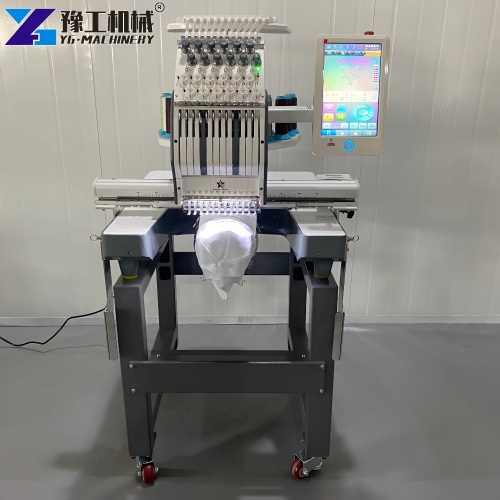
Choosing between one, two, or three heads depends on order size and floor space. A single head flat embroidery machine works well for sample-making and small workshops. It needs less space and costs less upfront. Operators also keep full control over each design this way.
A two-head setup raises output without a major jump in footprint. Many mid-sized shops choose this option because it doubles capacity while keeping training and maintenance simple. It’s a practical middle ground for businesses moving beyond samples into steady small-batch orders.
Three heads suit factories with consistent bulk orders. The YS-1203 model, for example, includes a servo motor and a high-quality hook for smoother stitching at higher volume. Larger working areas also mean fewer repositioning steps, which saves time across long production runs. Buyers should weigh order frequency against machine cost before committing to a larger configuration.

How an Embroidery Machine Factory Builds an Efficient Line?
An efficient line starts with matching machine count to actual order flow. Overbuying capacity ties up capital, while underbuying creates bottlenecks during peak seasons. Many factories begin with a mix of single and multi head machines, then adjust as demand grows.
Layout matters just as much as equipment choice. Placing machines near thread and fabric storage cuts down walking time between stations. Clear pathways also reduce accidental snags and keep operators moving safely.
Staff training shapes output too. Workers who understand tension settings, needle changes, and basic troubleshooting keep machines running longer. Pairing this skill with a simple maintenance schedule prevents small issues from turning into costly downtime.
Finally, good production planning avoids idle machines. Grouping similar designs together reduces setup changes. This way, operators spend more time stitching and less time reconfiguring settings between jobs.
What Requirements Do Different Fabrics Have for Embroidery Equipment?
Fabric type changes how a machine should be set up. Lightweight materials like silk or chiffon need lower tension and finer needles, often in the 9 range. This helps avoid puckering or tearing. Operators should also slow the machine slightly on these fabrics to protect delicate fibers.
Heavier fabrics such as denim, canvas, or leather call for stronger needles, often 12 or 15 gauge. Firmer hooping also helps here. These materials can handle higher speed settings without losing stitch quality. Still, presser foot pressure needs closer attention on thicker layers.
Stretch fabrics, including knits and sportswear, present a different challenge. Proper hooping prevents the fabric from shifting mid-design. Machines with reliable thread break detection also help avoid wasted material. Needle options on a multi head embroidery machine range from 9 to 15 across YG’s models. This lets factories switch configurations based on the fabric running through their line that day.
Matching needle size and tension to fabric type isn’t just about avoiding mistakes. It also affects how clean the final design looks. That consistency matters for brands that depend on steady quality across every order.

How to Balance High-Speed Production and Embroidery Quality?
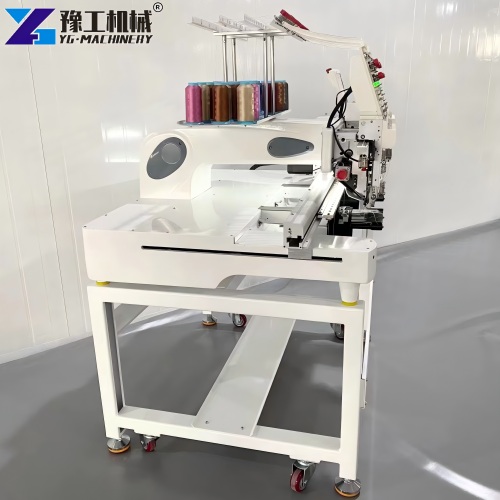
Speed and quality often pull in opposite directions, but the right settings can support both. YG’s machines offer adjustable speeds up to 1,000 RPM. This gives operators room to slow down for detailed designs and speed up for simpler patterns.
The Dahao A15 control system plays a key role here. It helps manage stitch precision even as speed increases, reducing the guesswork operators would otherwise face. Combined with thread break detection and tension control, this system keeps output steady across long shifts.
Rather than running every job at maximum speed, experienced operators adjust RPM based on design complexity and fabric type. Dense patterns with many color changes usually need slower settings. Simple logos, on the other hand, can run faster without sacrificing clarity. This approach protects both machine longevity and finished product quality. That trade-off matters more than shaving a few minutes off each run.
Frequently Asked Questions About Multi Head Embroidery Machine
It stitches the same design across several items at once, which speeds up production for garment plants, cap makers, and textile businesses handling bulk orders.
Small workshops often do well with a single head, while growing businesses benefit from two or three heads to keep pace with larger, steady order volumes.
These machines work across lightweight fabrics like silk, heavier materials like denim and canvas, and stretch fabrics such as knits, provided needle size and tension are adjusted accordingly.
Single head machines suit sampling and small runs, while multi head machines increase output for factories running consistent, higher-volume production.


Where to Buy Embroidery Machine Equipment from YG
Buyers who want reliable, factory-tested equipment often turn to YG. As an established embroidery machine factory, YG ships every unit with tested components. This includes the Dahao A15 control system and adjustable speed settings suited to varied fabric types. Customers can also choose needle configurations based on their typical order mix. This covers both fine detail work and heavy-duty stitching.
Beyond this product line, YG also supplies a full range of related equipment from the same embroidery machine factory. This includes industrial embroidery machines for large-scale production and cap embroidery machines for headwear specialists. Computerized embroidery machines suit buyers who need precise digital control. Commercial embroidery machines, shirt embroidery machines, and multi color embroidery machines round out the lineup. These options give factories room to expand their product lines.
If you’re ready to buy embroidery machine equipment, reach out to YG’s team directly for specifications and pricing. Our staff can help match machine configuration to your fabric types and order volume. That way, you get equipment built for how you actually work.