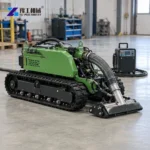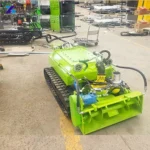

Small dredging work becomes much easier to specify when the pond is measured before equipment is selected. Water depth alone is not enough. The buyer also needs to describe the sediment, estimate the removal volume, identify the available launch and recovery route and decide where the slurry can be discharged. In this article, Small Dredging Equipment means a compact tracked or remote-controlled cleaning robot that travels directly into the work area.
This guide turns pond and canal project measurements into a practical equipment brief. It explains which dimensions affect robot movement and suction work, how silt differs from sand, why pipeline distance changes the duty point and when a compact tracked or remote-controlled arrangement is suitable. The separate small-dredge sales page carries the broader purchase task; this page remains focused on site selection and the information needed before a quotation.
What Should Be Measured Before Selecting Small Dredging Equipment?
Start with a simple plan of the water body. Record the deepest working point, typical depth, approximate length and width, and the distance from the work face to the proposed discharge area. Mark gates, soft banks, overhead lines and the location where the dredging robot can be unloaded, launched and recovered. These measurements reveal whether the machine can enter safely and how its hose and control route should be arranged.
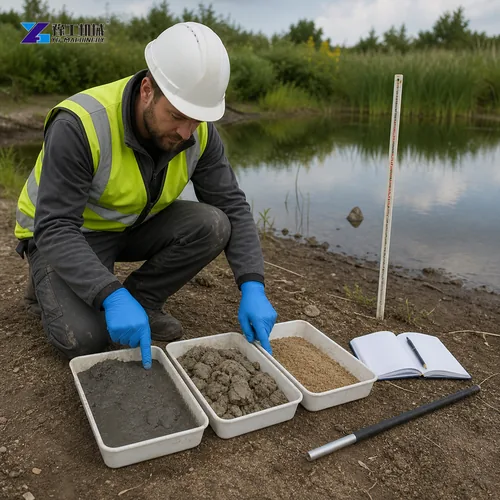
Next, take sediment samples from several points. A thin organic layer behaves differently from compact clay, sand or gravel. Record the soft-layer thickness and note roots, rubbish or stones that could obstruct the robot’s working head or suction path. If the pond must remain in service, add the acceptable water-level change, the zones that must stay open and the route the robot will follow. These details determine whether a tracked machine can maintain traction, turn safely and work without repeatedly crossing already cleaned sediment.
Turn The Site Survey Into A Dredging Scope
A usable scope states how much material must move and where it will go. Estimate volume from the surveyed area and average sediment thickness, then identify whether the discharge point is a settling area, dewatering bag, truck-loading zone or remote disposal point. This prevents a pump from being selected for suction performance while the discharge route remains undefined.

Which Dredging Method Matches The Sediment?
Soft silt and loose mud can usually enter a suction inlet with limited mechanical assistance. Dense clay or consolidated deposits need the robot’s agitator or cutting head to loosen material before removal. Sand requires enough flow velocity to keep solids moving through the line, while gravel raises limits on inlet size, passage and wear. A photograph and sample description are therefore more valuable than calling every deposit mud.
The objective is a stable removal process rather than maximum agitation. Excessive disturbance can spread fine sediment through the water and increase the volume that must be settled; insufficient loosening leaves compact material behind. The operator uses the remote controls to advance the robot in planned lanes, adjust the working head, observe discharge consistency and reverse away from an obstruction. In soft mud the passes can be wider and more continuous; in dense deposits the robot works more slowly so loosened material is collected before the next pass.


How Do Suction Depth And Discharge Distance Affect The System?
Suction depth describes the vertical relationship between the pump or inlet and the sediment. Discharge duty includes vertical lift, horizontal pipeline length, bends, hose diameter and the density of the mixture. Every bend and long hose section adds resistance. A quotation should therefore separate water depth, actual suction lift and total discharge route instead of combining them into one distance.
Pipeline routing also affects site operation. Lay out the shortest practical route, protect it from traffic, provide gradual bends and plan a place to inspect joints. If the discharge point moves during the project, include both the initial and maximum distance. YG can then review pump duty, hose size and any booster requirement against the most demanding planned condition.
Small Dredging Equipment Input Checklist
| Input | What To Provide | Why It Matters |
| Water Body | Length, width and working depth | Defines the robot route and working range |
| Sediment | Type, thickness and solids size | Determines the working head and travel pace |
| Suction | Working-head relationship to sediment | Affects material pickup |
| Discharge | Vertical lift, horizontal length and bends | Defines system resistance |
| Access | Bank condition, gate width and launch space | Determines unloading and recovery |
| Destination | Settling, dewatering or transport plan | Controls downstream handling |

Which Platform Arrangement Fits The Access?
A tracked dredging robot is useful where a compact machine must enter narrow ponds, channels or confined water bodies without placing a large carrier at the edge. Its route still needs planning: the bank must support launch and recovery, the working depth must suit the machine, and the bottom must allow controlled travel. Very soft deposits may require a different track or support arrangement from a firm channel bed, while debris-heavy water needs a clear inspection and cleaning procedure.
Transport and service access should be checked at the same time. Confirm the largest component, lifting method, fuel or hydraulic supply and the space needed to inspect wear parts. The best configuration is not merely the one that enters the pond; it must also be recoverable, maintainable and movable as the work face changes.


What Should Be Sent For A Small Dredging Equipment Quotation?
Send a site sketch, representative photos, water depth, sediment description, estimated volume, full discharge route, bank gradient, launch width, power availability and destination. State whether the project is periodic maintenance or a one-time cleanout and whether the robot must pass through a culvert, gate or restricted channel. These details allow YG to discuss the tracked unit, working head, hose route, remote-control method and recovery plan as one system instead of returning a generic machine listing.
For related configurations, compare the published mini dredge, pond dredging equipment and small dredge pages. These links cover different project arrangements and help the buyer separate a compact cleaning robot from pump-only or larger dredging systems.
A well-defined survey protects both capacity and budget. It helps the technical team match the inlet, pump, pipeline and platform to one duty and gives the buyer a clear basis for comparing proposals. The result is a configuration designed around measurable pond conditions and a realistic material-handling route.

Small Dredging Equipment FAQ
Yes, but the working head, flow and wear arrangement must match the deposit. Send a sample description because compact clay, loose silt and abrasive sand create different duties.
No. Water depth describes the pond; working depth also considers the robot body, track contact and the position of its material-removal head.
The workable distance depends on vertical lift, horizontal length, bends, hose diameter and slurry density. YG reviews the complete route before recommending a system.
Provide bank condition, gate width, unloading area, lifting equipment and the space needed to launch, recover and service the robot.
Dense slurry, oversized solids, low transport velocity, sharp bends and an obstructed inlet are common causes. Correct sizing and an inspectable route reduce the risk.
Prepare A Measured Dredging Request
The most effective next step is to collect the site measurements and sediment evidence in one file. YG can use that information to review the complete Small Dredging Equipment configuration, clarify any missing operating condition and prepare a quotation around the actual cleaning objective.