A spider crane for sale is worth considering when a load must be lifted where a conventional crane cannot reach or set up. Its compact tracked base moves the machine close to the work, while a telescopic boom and adjustable outriggers create the lifting position. The key is to separate access from lifting capacity: fitting through a route does not prove the crane can lift the load at the required reach. This guide explains how the machine works, where its layout helps, what limits a lift, and which site details let a supplier recommend a practical configuration.
What does a spider crane do on a restricted site?
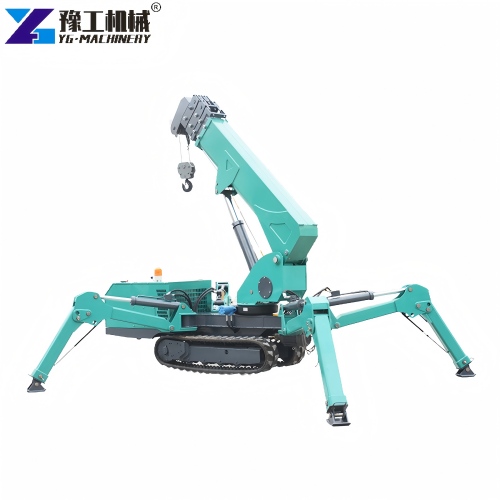
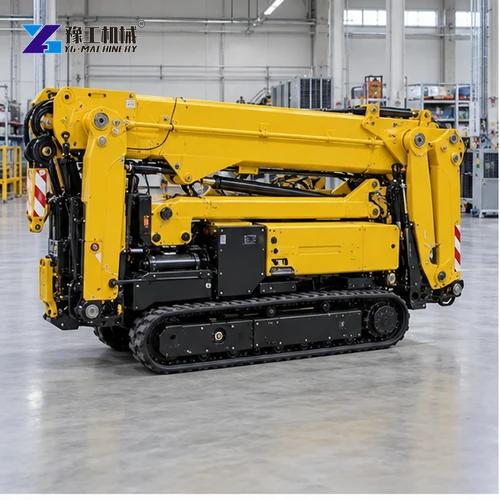
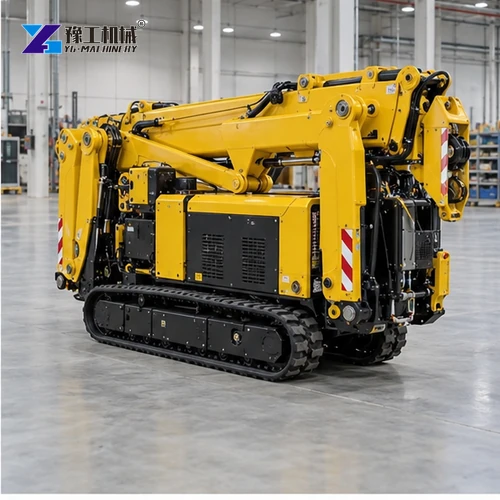
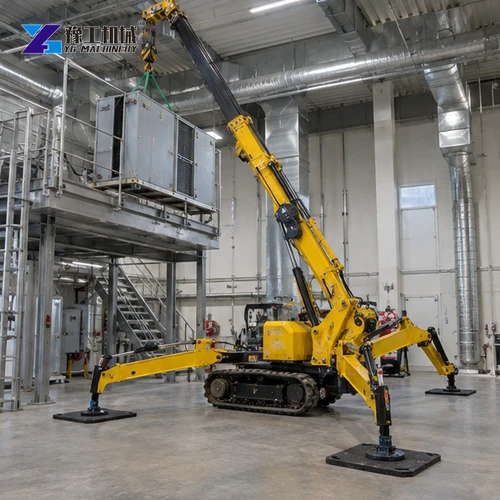
A spider crane combines a tracked carrier, a compact rotating body, a telescopic boom, a hoist and extendable support legs. The tracks move it over the planned travel route. Once it reaches the work area, the operator positions the machine, deploys the outriggers and levels the chassis before lifting. The boom then reaches over an obstruction or into a tight work zone, while the hoist raises and lowers the load under controlled movement.
Each component answers a different need: tracks move the carrier, outriggers support the lift, and boom reach changes allowable load. The support surface must carry the outrigger reactions. Begin with the load and landing point, then check route, radius, headroom and support area together.
How does a spider crane for sale position a load around its base?
A spider crane for sale uses hydraulics to operate the boom and hoist as the upper structure slews the hook into position. It provides continuous 360° slewing, so the operator can face different work points without repeatedly driving the carrier.
Slewing does not remove the need to plan clearance. The boom, hook and suspended load still need a path that avoids beams, services, glazing and nearby workers. Before choosing a set-up point, mark the load pickup, the landing point and the space needed for the boom to move between them. If the lift must pass through an opening, check the load dimensions and rigging as well as the crane’s position; the hook may need a different approach than the carrier.
Share the load weight, pickup and landing points, required reach, headroom and a photo of the proposed set-up area. Those details make it possible to discuss a spider crane configuration against the lift rather than choosing by appearance alone.
Which projects suit a compact spider crane?
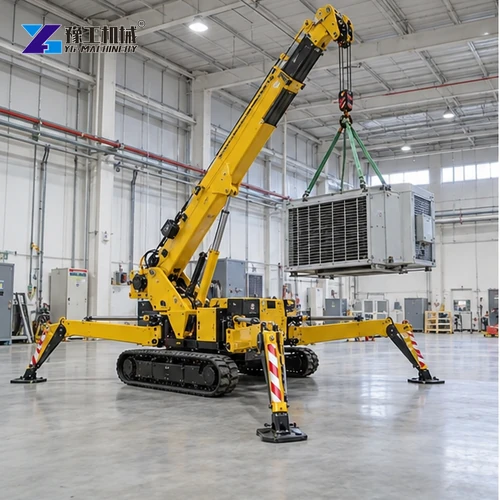
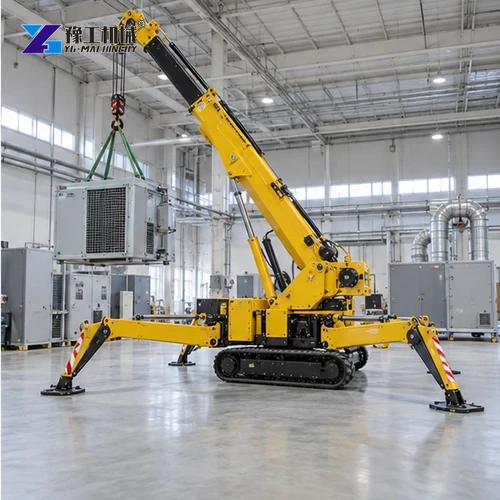
The compact format is useful for equipment installation, factory maintenance, glass or façade work and renovation tasks where a larger crane cannot enter the building or reach the work face. A tracked carrier can move the crane through a prepared route, and the boom can place a load where a forklift cannot approach directly. The arrangement is especially useful when the machine must work close to the installation point rather than lifting from a distant street or yard.
Outdoor work can also benefit when the machine needs to cross a confined access route and then set up beside the load. However, ground slope, soft soil, voids, covers and buried services can change whether the support area is suitable. For finished floors, do not assume rubber tracks alone protect the surface: check the floor construction, turning path and outrigger reactions, and use suitable protection where the site plan requires it. The crane should be chosen for the complete route and lift, not only the doorway.
What advantages should buyers weigh in a spider crane for sale?
The main advantage is access combined with a purpose-built lifting system. A compact carrier can reduce the amount of dismantling or manual handling needed to bring a crane close to an indoor task. The boom and hoist then provide controlled vertical placement, while the outriggers establish a stable working base. Optional lifting attachments may also help with a specific load, but the attachment, rigging and load chart must be treated as one configuration.
The same compact design has limits. The crane still needs a clear travel route, a usable set-up footprint and a support surface that can take the outrigger forces. A narrow route may lead to a convenient set-up point that is too far from the load, and a long reach can reduce available capacity. When comparing a spider crane for sale, look at the load chart and support plan as carefully as the machine’s folded size. A spider crane is not a substitute for checking structural floor capacity, rigging geometry or overhead clearance. If the required lift exceeds the chart for the proposed set-up, change the position or select a different lifting method.
If the work is indoors, include floor type, overhead obstructions and the available outrigger area. YG can use these conditions to discuss access and support before you compare optional accessories.
What should you verify before buying a spider crane?
Measure the route in its narrowest and lowest places, including door hardware, temporary barriers, floor transitions and turns. The crane must be able to travel to the operating position, but the route check should also consider how it will turn or reverse. At the work area, record the distance from the crane’s planned center to the load and landing points. This gives the supplier a useful basis for matching the boom position to the actual task.
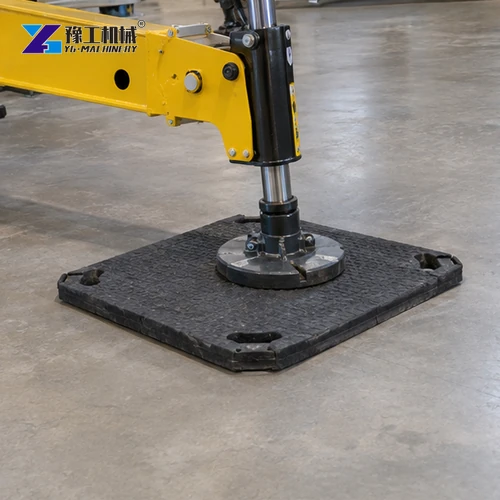
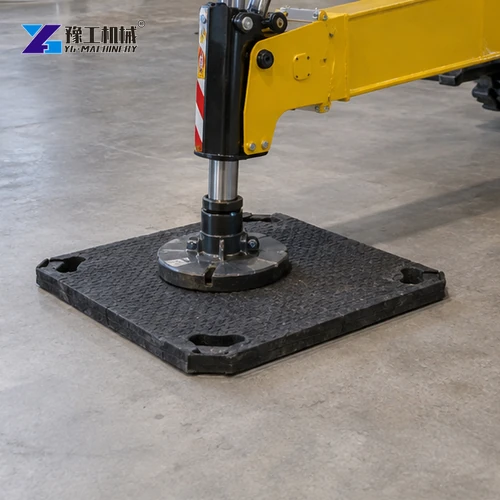
Next, check the support area. Identify floor slabs, pits, trenches, drains, covers and any surface that may settle under load. Note whether mats can be placed and whether the outriggers can deploy without blocking an aisle or striking nearby equipment. If a lift crosses a production area, also plan exclusion zones and a clear signal between the operator and the person guiding the load. These details affect the set-up and work sequence, not just the machine choice.
- Load weight, dimensions and lifting points, including the rigging that will hang below the hook.
- Pickup and landing positions, required horizontal reach, lift height and available headroom.
- The narrowest route width, lowest overhead obstruction, turning space and floor transitions.
- Surface type and condition beneath the carrier and each planned outrigger position.
- Any required attachment, power arrangement, delivery destination and included accessories.
How do working radius and support affect the lift?
The working radius is measured horizontally from the crane’s slewing center to the suspended load. As that distance grows, the allowable load usually changes, so the rated maximum cannot be applied at every reach. The relevant load chart must match the boom configuration and the actual outrigger arrangement. A partially extended support leg or restricted set-up can change the permitted lift even when the load itself is unchanged.
Use the load chart to test the proposed pick and landing points before the crane is positioned. Include the hook block, slings, lifting beam and attachment in the suspended load calculation. If the chart does not cover the planned combination, do not extrapolate from a nearby value. Move the crane closer, adjust the lift path, split the task where appropriate or select equipment designed for the required reach and load. This is how a compact crane remains useful without treating its headline capacity as a promise for every lift.
Send a simple sketch with the crane center, load path and landing point. Adding the load and rigging weights helps the team review the same lift you intend to perform.

What belongs in a spider crane for sale quotation?
A useful quotation identifies the crane configuration, the lifting equipment included, any selected attachment and what the buyer must provide locally. Ask the supplier to show which items are standard and which are optional. Clarify packing, freight, unloading, commissioning or operator familiarization separately, because the machine price and the delivered project cost are not always the same scope.
A spider crane for sale should be compared against your route and lift, not only against a headline capacity or a short feature list. Send the project location, access photographs, load details, working radius, floor or ground information and desired delivery terms. If the machine will work indoors, explain the noise, exhaust or floor-protection requirements. A clear request helps the supplier identify what is known, what is optional and what still needs engineering review before an order is placed.
For current equipment details, compare the YG tracked mini crane product page. If working reach and budget are your main trade-offs, the spider crane price and working radius guide explains which lift details matter in a useful comparison.
Once you have the load, reach, route and delivery destination, send them together with any requested attachment. The quotation can then address the machine and the working package as one purchase.
Questions buyers ask before choosing a spider crane
It can be suitable for indoor lifting when the travel route, floor capacity, overhead clearance, ventilation requirements and outrigger support are appropriate for the selected configuration.
The tracks carry the crane during travel. The outriggers establish the working support for a lift and must be deployed according to the operating instructions and load chart.
No. Allowable load depends on working radius, boom configuration and support arrangement. Use the load chart for the exact planned lift, including rigging and attachments.
Provide the load, lifting points, pickup and landing locations, required reach, route measurements, support surface, destination and any attachment or delivery requirements.
A spider crane is most useful when its compact travel layout and its lifting chart both fit the job. Start with the load and landing point, measure the route and support area, and then request a configuration around those conditions. When reviewing a spider crane for sale, use those same details to compare the proposed setup with the lift you actually need to perform. That makes the comparison clearer and reduces the chance of buying a crane that can enter the site but cannot complete the planned lift.