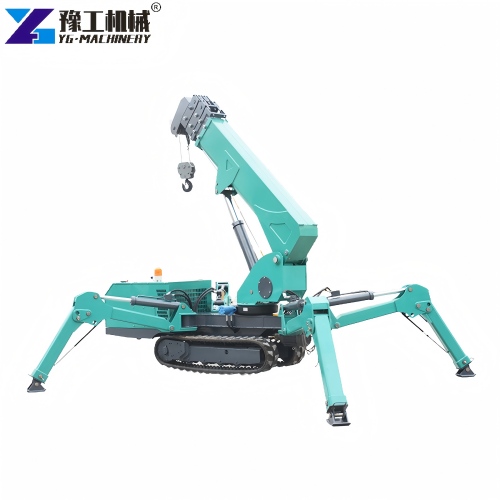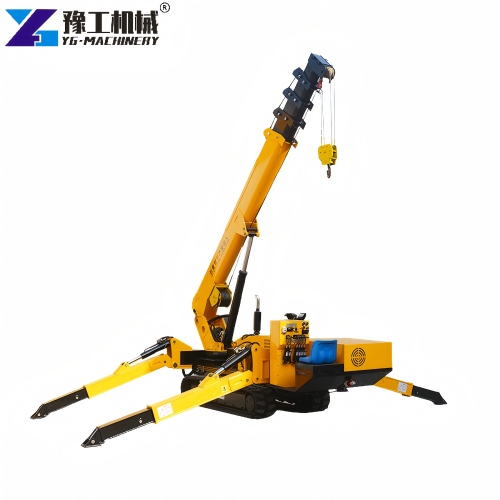
A mini crawler crane for sale is a practical candidate when the lifting point sits beyond a narrow gate, inside a building or on a work area that a larger crane cannot reach. Its crawler base helps move the machine along a prepared route, but travel access and lifting ability are separate checks. The route determines whether the crane can reach the job; the load chart, boom position and outrigger support determine whether it can complete the lift. This article focuses on how to plan those two stages together before selecting a tracked crane.
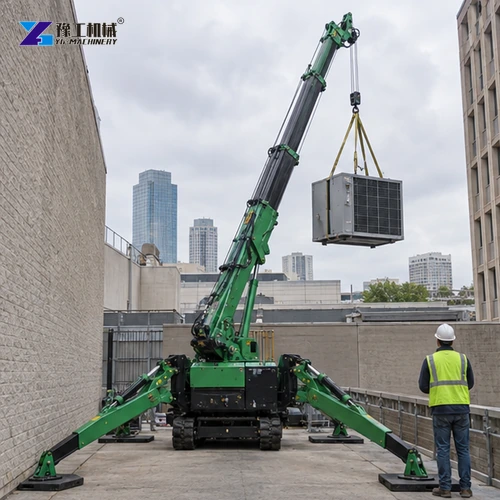

What makes a mini crawler crane different from a wheeled crane?
A mini crawler crane uses a tracked undercarriage rather than road wheels to move around the work area. The crawler base distributes movement across two tracks and can be useful on prepared concrete, compacted ground or other surfaces suited to the machine. Its compact body can approach work positions through routes that may be unavailable to a truck-mounted crane. However, a track layout does not guarantee that the crane fits through a doorway or can cross every floor, ramp or threshold.
The lifting system is separate from the travel chassis. After the carrier reaches the planned position, the operator deploys the outriggers and prepares the crane for the lift. The load is then moved with the boom and hoist under the applicable load chart. This distinction matters because a machine that can travel to a load may still lack the reach or capacity to place it, while a crane that can lift the load may have no workable route to the set-up point.
How does a mini crawler crane for sale move from travel to lifting?
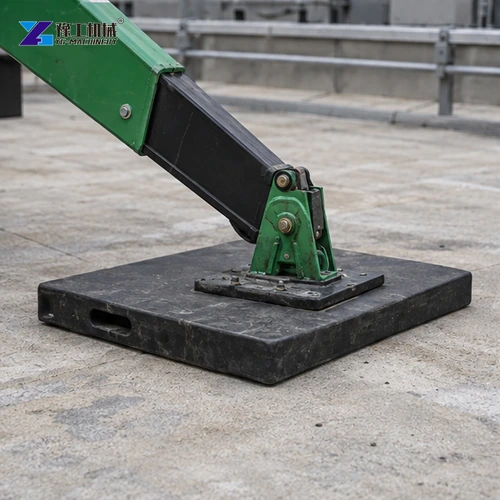
The tracks support controlled travel between the loading area and the work position. They do not replace the outriggers during lifting. Once the crane is parked, the support legs extend to establish a working base and level the machine. Their footprint must fit the site, and each support point needs suitable ground or floor beneath it. The operator should set the crane according to its operating instructions rather than treating the crawler tracks as a substitute for a stable lifting base.
The boom can then slew, telescope and raise or lower the hook to position the load. This design provides continuous 360° slewing, allowing the operator to orient the boom around the crane without turning the crawler chassis for every placement. The benefit is controlled positioning from a selected base location; it does not mean the load can pass through any overhead gap or that the crane can work safely with an obstructed view.
If you are comparing a mini crawler crane for sale, send a route sketch, the load weight and the landing point. The discussion can then cover both the travel path and the lift position.

What route can a mini crawler crane for sale actually use?
Measure the clear route rather than relying on a doorway label or a site plan alone. Record the narrowest opening, the lowest beam or service, each turn, ramp and threshold, and the space available to align the crane before it reaches the lift area. Check the full travel configuration, including any folded boom or accessories that remain attached. A route with enough width on a straight section may still be unusable if the crane cannot turn or if a low obstruction blocks the boom or operator station.
Also check what is below the route. A floor slab, suspended platform, temporary cover or service trench may not be suitable for the moving machine simply because it looks level. For a mini crawler crane for sale, verify any freight-lift dimensions, rated capacity and loading rules against the transport configuration. Never assume elevator access from the word mini.
How should travel, positioning and lifting be planned?
Plan the move and the lift as connected but separate operations. First choose a route that brings the carrier to a position close enough to the load while leaving room to deploy the outriggers. Then identify the crane center, the pickup point and the landing point. Their distances determine the working radius and boom orientation. Check the load path for walls, roof members, pipes, machinery and people before deciding where the machine should stop.
Do not assume the crane may travel with a suspended load. That practice depends on the specific machine design, operating instructions and load chart. Unless the manufacturer expressly permits the planned pick-and-carry condition, travel with the load removed and make the lift from a properly supported position. This keeps the purchase question tied to the work the machine is actually designed and authorized to perform.
A photo of each route pinch point, plus the planned crane position and load path, helps expose access problems before delivery or mobilization.


Which site conditions matter after the crane reaches the work area?
The set-up area needs room for the outriggers, the boom to move and the load to be rigged without forcing people into the danger zone. Identify floor edges, pits, drains, covers, loose ground and nearby structure before settling on a position. The support surface must suit the forces imposed beneath the outriggers. Where ground conditions are uncertain, have the site team evaluate the support area and specify any mats or engineered protection before the lift.
For an indoor installation, include ceiling height, overhead services, floor finish, ventilation and the route used to bring the crane inside. For an outdoor job, note slopes, soft shoulders, weather exposure and the approach for delivery equipment. These conditions influence whether the crane can enter, how it should be positioned and which accessories are relevant. They are more useful to a supplier than a general description such as ‘tight space’ or ‘rough ground.’
If the crane will work near a floor edge, trench, service cover or finished floor, send a photo of the proposed outrigger positions so the support plan can be discussed before the lift.
What should buyers send when requesting a mini crawler crane for sale quote?
A strong enquiry gives the supplier enough information to relate the crane to the site. Start with the load’s verified weight, dimensions, lifting points and landing orientation. Add the required lift height and horizontal reach, plus the point where the crane can be set up. A rough plan with measurements is helpful, and photographs from both the route and work position can show obstructions that a dimension alone misses.
- Route measurements at the narrowest, lowest and tightest turning points.
- Floor or ground type, transitions, ramps, covers and any restricted support areas.
- Load weight, dimensions, rigging arrangement, pickup location and landing point.
- Available outrigger footprint, overhead clearance and required work radius.
- Destination, delivery conditions, requested attachments and any indoor operating limits.
Send the access measurements and lift plan together. This lets the quotation address the crane, the required accessories and the practical site conditions in one conversation.

What should the final configuration and quote clarify?
Ask for the selected crane configuration and its relevant load-chart information for the planned lift. The quotation should distinguish the machine from optional attachments, rigging items, packing and delivery. If the job depends on an indoor power arrangement or a special lifting accessory, state that requirement and ask whether it is included. A clear scope makes it easier to compare offers without assuming that every accessory, service or transport cost is part of the headline figure.
A mini crawler crane for sale is the right candidate only when both tests pass: the machine can reach the set-up point, and its supported lifting configuration can place the load at the destination. If either test fails, revise the route, crane position or equipment choice before committing. For product details and the wider lifting range, review the YG tracked mini crane page. For a specific installation sequence, see the spider crane indoor equipment installation guide.
Questions buyers ask about mini crawler cranes
That depends on the crane’s transport dimensions and the actual clear opening, including handles, frames and turning space. Measure the complete route and compare it with the selected transport configuration.
Tracks support travel. The outriggers provide the working support for lifting and must be deployed on a suitable surface in accordance with the operating instructions and load chart.
Only if the manufacturer specifically permits that operation for the selected configuration and the load chart covers it. Otherwise, travel without the suspended load and lift from a supported position.
Provide route measurements, load weight and dimensions, required reach and height, crane set-up area, support surface, destination and any requested attachment.
The best tracked mini crane is not simply the smallest one that can enter the site. A mini crawler crane for sale must also reach a workable set-up position, deploy its supports and handle the load at the required radius. Measuring those stages before purchase gives you a clearer product comparison and a more useful quotation.