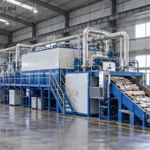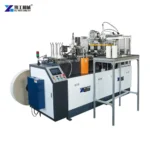
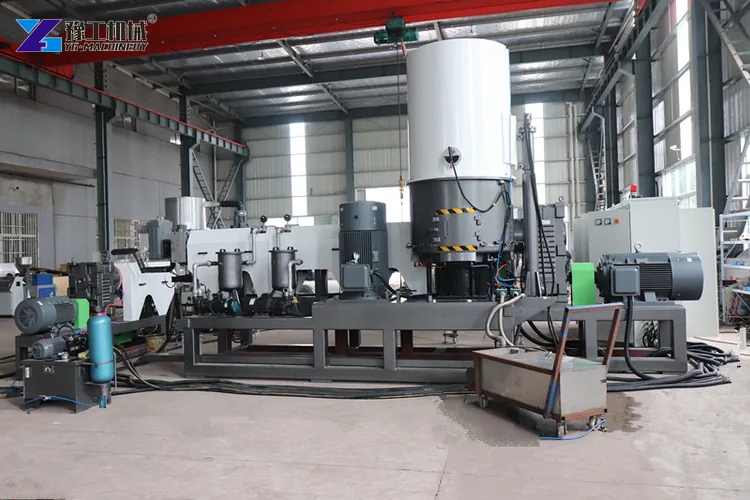
A Plastic Granulator Machine is selected around the material stream, required pellet form, utility conditions and practical output target. The most useful comparison is not simply the largest motor; it is the relationship between material preparation, screw configuration, cooling, downstream handling and the product quality expected by the buyer.
YG publishes three TS configurations with 35 mm, 45 mm and 55 mm screws. Their listed output range is 8–35 kg/h at 380 V. This guide presents those published values and explains the preparation and operating decisions that help a buyer specify a suitable Plastic Granulator Machine.
How a Plastic Granulator Machine Processes Material?
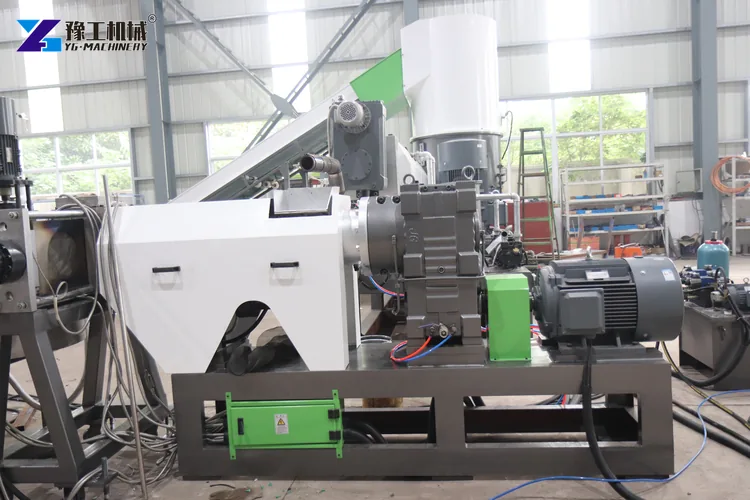
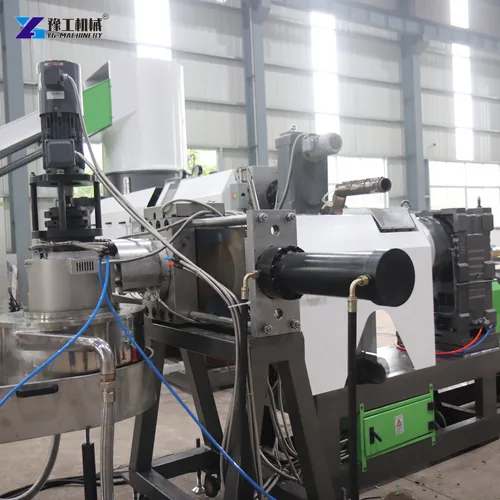
Prepared plastic enters the feed system and moves through a heated screw zone where the material is processed for pellet formation. The finished stream is cooled and handled by the selected downstream arrangement. Stable material preparation is essential because a screw system cannot compensate for mixed, contaminated or inconsistent feedstock by itself.
The complete TS35, TS45 and TS55 table lists tube size, screw diameter, length ratio, voltage, power and published output. Use it as a model-selection reference and confirm the final material, pellet requirement and included configuration with the supplier.
Complete Plastic Granulator Machine Parameter Table
The values below are published reference parameters for the identified models or plastic-granulation process configuration. Confirm the final scope, included equipment and working conditions in the quotation.
| Parameter | YG TS35 | YG TS45 | YG TS55 |
| Tube Size | 1–4 mm | 2–8 mm | 8–15 mm |
| Screw Diameter | 35 mm | 45 mm | 55 mm |
| Length To Diameter Ratio | 28:1 | 28:1 | 28:1 |
| Power Supply | 380 V | 380 V | 380 V |
| General Power | 5.5 kW | 11 kW | 15 kW |
| Published Output | 8–10 kg/h | 15–18 kg/h | 30–35 kg/h |
The published output range should be read together with the polymer condition and the required pellet result. A buyer comparing TS35, TS45 and TS55 can use the screw diameter, installed power and working space to select a practical starting configuration, then confirm the final setup against the intended material stream.

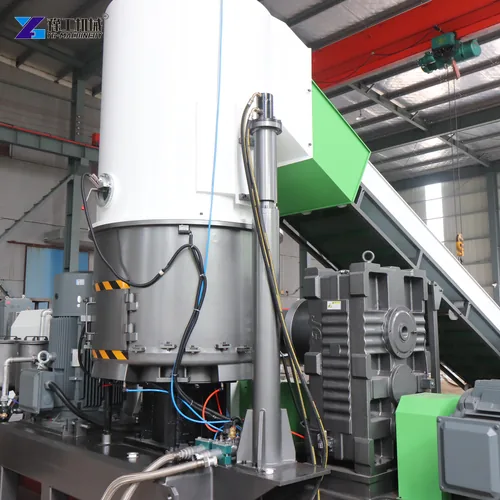
Match Feedstock and Select the Screw Configuration
Describe the polymer type, form, thickness, contamination level, moisture condition, color and desired end use. A clear sample description supports a more relevant recommendation than the general phrase waste plastic. It also helps define pre-treatment, screen, water and handling requirements.
Plastic Recycling Equipment preparation should be defined before material enters the feed system, and a Plastic Recycling Equipment review should consider sorting, drying and safe handling alongside the extrusion stage.
The published TS series moves from a 35 mm screw to 45 mm and 55 mm configurations. Compare the desired input range with the available power, floor plan and handling capacity. The selected Plastic Pelletizing Machine should be sized around a stable total process, including feed preparation and pellet collection.

Prepare Plastic Recycling Equipment and Control Operation
Sort material by polymer and remove unsuitable contaminants before it reaches the processing line. If washing, drying, size reduction or metal separation is needed, organize those stages around the actual waste stream. Good preparation supports more consistent operation and protects wear components.
Start with the confirmed material and approved operating procedure. Observe feed stability, heating response, pellet appearance, cooling condition and collection. Record material changes and accepted settings so the team can repeat a successful run instead of relying on memory after a shift change.

Plan Safety, Maintenance and the Buyer Checklist
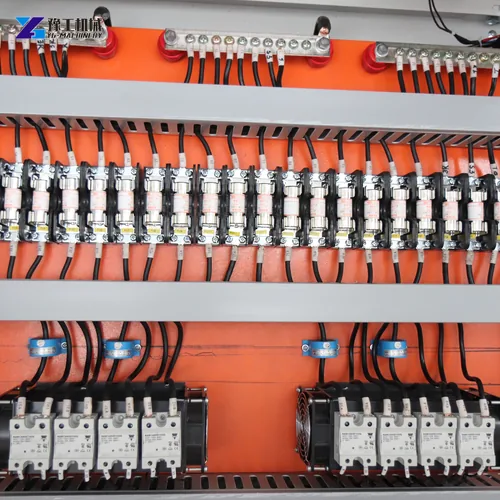
Guard hot surfaces, rotating components and electrical equipment. Use safe material-handling methods and isolate energy before cleaning or maintenance. The work area should separate incoming material, processing equipment and finished pellets so operators retain clear access to controls and emergency devices.
Follow the supplied maintenance schedule for the screw system, heating zones, drive, cooling and downstream components. Inspect wear points before changes in pellet shape or operating behavior become persistent. A planned spare-parts list makes it easier to restore normal operation without improvising the wrong component.
Send polymer type, material condition, target pellet form, planned throughput, voltage, workshop layout and destination. Include photos or a sample description when possible. Request confirmation of the selected model, included equipment and any preparation stages required for the proposed process.

Related recycling references include the Tire Recycling Line and the Other Machine category. Share your plastic material details for a granulator configuration review.
Plastic Granulator Machine FAQ
YG lists 8–10 kg/h for TS35, 15–18 kg/h for TS45 and 30–35 kg/h for TS55; actual suitability depends on the confirmed material and configuration.
The published TS35, TS45 and TS55 models list a 380 V power supply.
Polymer type, contamination, moisture and size affect process stability, component wear and pellet consistency.
Provide the material type and condition, desired pellet result, target output, utility information, layout and destination.
Request a Plastic Granulator Machine Configuration
Send YG Machinery your material or product specification, required configuration, available utilities, application plan and destination. Our team can review the Plastic Granulator Machine details and prepare a suitable quotation.