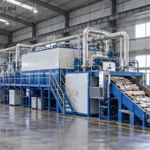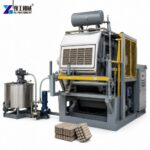
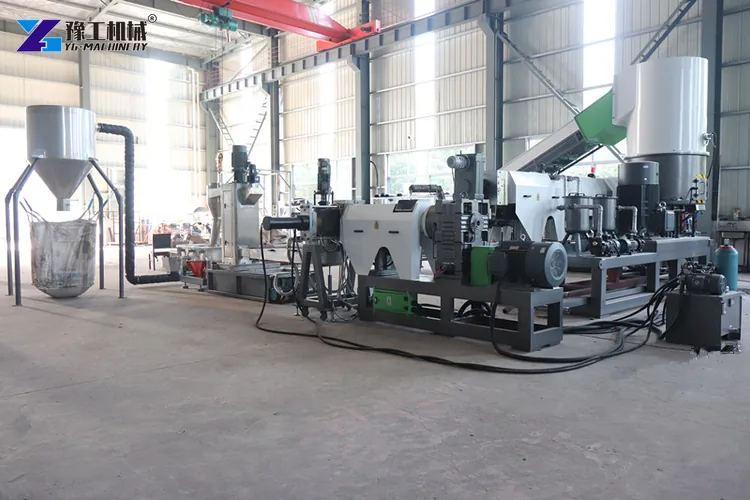
Plastic Recycling Equipment is planned as a connected line, not a collection of unrelated machines. Incoming material, sorting, size reduction, washing or drying where required, pelletizing, cooling, storage and quality checks all need a defined handoff. A balanced flow is easier to operate and easier to improve over time.
YG publishes 300 kg/h, 500 kg/h, 1000 kg/h and 2000 kg/h plastic recycling line references. The table includes workshop, crew, water, flake size and moisture values that help a buyer begin a realistic line-planning discussion. Final layout and equipment scope should be matched to the actual material stream.
Map the Plastic Recycling Equipment Material Flow
Begin with how material arrives, how it is identified and how unsuitable items are removed. From there, map each processing stage to a clear output condition. The line should prevent unprocessed material from mixing with cleaned material or finished pellets, while leaving room for inspection and safe maintenance.
The published line references give a practical capacity ladder from 300 kg/h to 2000 kg/h. Workshop area, crew and water figures should be treated as planning inputs, not a substitute for a confirmed site layout. They help a buyer ask the right questions before engineering begins.
Complete Plastic Recycling Equipment Parameter Table
The values below are published reference parameters for the identified models or integrated recycling line configuration. Confirm the final scope, included equipment and working conditions in the quotation.
| Parameter | 300 Kg | 500 Kg | 1000 Kg | 2000 Kg |
| Published Capacity | 300 kg/h | 500 kg/h | 1000 kg/h | 2000 kg/h |
| Workshop Reference | 40 × 7.5 × 6 m | 42 × 10 × 6 m | 70 × 12 × 6 m | 80 × 15 × 6 m |
| Reference Crew | 3–4 | 5–6 | 7–8 | 10–12 |
| Water Reference | 2–3 t/h | 3–5 t/h | 7–10 t/h | 10–15 t/h |
| Flake Size Reference | 10–18 mm | 10–18 mm | 10–18 mm | 10–18 mm |
| Maximum Product Moisture | 1% | 1% | 1% | 1% |

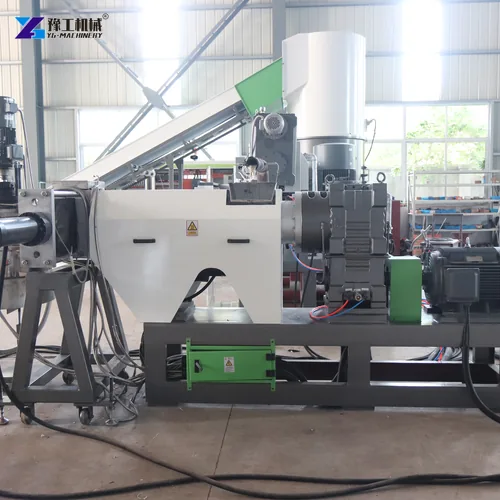
Specify Input Material and Choose Capacity
Document polymer type, origin, form, contamination, labels, films, rigid pieces, moisture and color mix. This information determines whether sorting, washing, drying, size reduction, metal separation or other preparation is required. A good input description protects the rest of the Plastic Recycling Line from uncertain assumptions.
A Plastic Granulator Machine can form part of the downstream process when the material and pellet requirements are compatible. The Plastic Granulator Machine selection should follow, rather than replace, a complete line review.
Capacity must match material availability, labor, utilities, storage and sales requirements. A larger listed capacity does not create value if the feeding and discharge stages cannot keep pace. Compare the 300–2000 kg/h references with the site’s practical shift plan and downstream handling.

Plan Utilities and Control Finished Product Quality
Review electrical supply, process water, drainage, ventilation, access, loading equipment and floor area before final selection. Water requirements are published from 2–3 t/h to 10–15 t/h across the reference line sizes. Confirm how water will be supplied, managed and recovered within the proposed site.
A Plastic Granulator Machine must be placed where feed preparation, cooling and finished-pellet handling can support the intended line flow.
Set measurable checks for material cleanliness, flake or pellet condition, moisture, color consistency and packaging. The published reference lists 10–18 mm flake size and maximum 1% product moisture. Use the agreed product specification, not a visual judgment alone, to guide routine inspection.
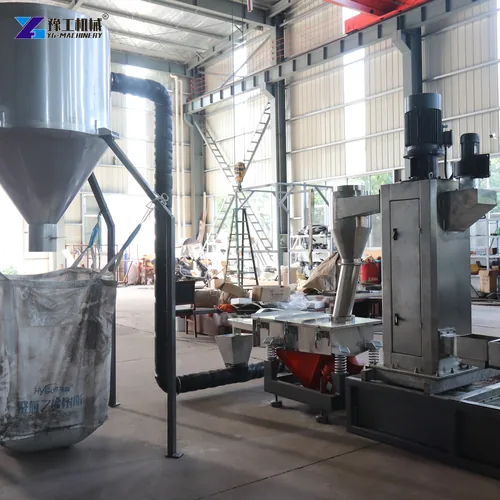

Organize Operations, Maintenance and Project Scope
Assign clear responsibilities for receiving, sorting, line operation, quality checks, material movement and maintenance. Keep incoming material and finished product labeled. A visible shift record helps supervisors understand whether a change in quality came from feedstock, settings, cleaning or a mechanical condition.
Plan cleaning, wear checks, lubrication, screen or filter service where applicable, electrical inspections and water-system attention around the manufacturer’s instructions. Record the condition of critical parts before they fail. Preventive work is especially valuable where material contamination can create avoidable stops.
Provide feedstock details, desired output, available utilities, workshop drawing, expected operating hours, local handling equipment and destination. Ask for a process layout, complete scope and clear responsibilities at each interface. This creates a stronger foundation for an equipment proposal.
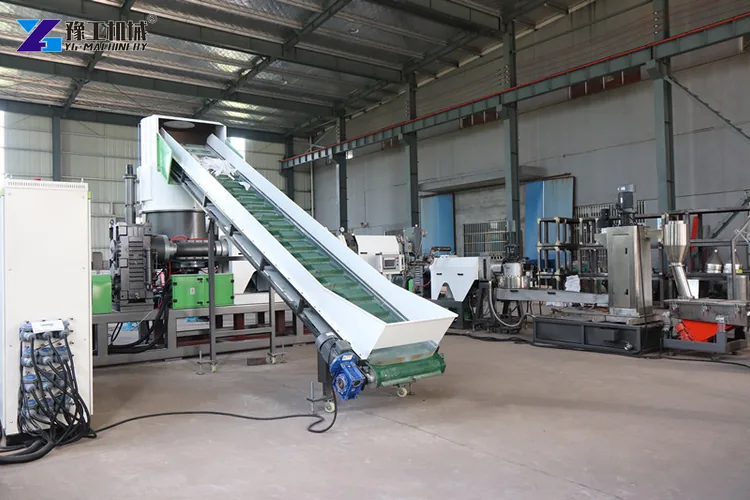


The Tire Recycling Line and Other Machine category offer related material-recovery references. Ask YG to review your line plan with the incoming-material details.
Plastic Recycling Equipment FAQ
The published references are 300 kg/h, 500 kg/h, 1000 kg/h and 2000 kg/h.
The listed workshop references range from 40 × 7.5 × 6 m for 300 kg/h to 80 × 15 × 6 m for 2000 kg/h.
Sorting gives the process a more consistent input and helps prevent incompatible or unsuitable material from disrupting the line.
Provide material data, target output, utilities, floor plan, operating hours, handling arrangement and destination.
Request a Plastic Recycling Equipment Configuration
Send YG Machinery your material or product specification, required configuration, available utilities, application plan and destination. Our team can review the Plastic Recycling Equipment details and prepare a suitable quotation.