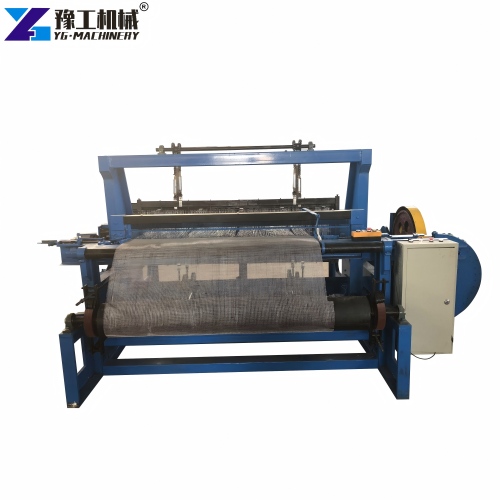

A Chain Link Fencing Making Machine forms steel or coated wire into continuous diamond mesh, finishes the edges and rolls the completed fence. Buyers must match wire diameter, mesh opening, finished width, hourly output and edge style to their market. Utility voltage, floor space, wire supply and operator training also influence the final configuration.
YG publishes two models covering 0.5–4 m mesh widths and several wire ranges. The faster YG-25-80 is not automatically the best choice for every factory; wire specification, mesh demand and handling capacity still matter. This guide presents the complete available parameter table and a practical chain link fence production workflow.
Review other construction machinery, visit the YG Machinery home page, or send your fence specification for a model and tooling review.
How a Chain Link Fence Machine Forms Diamond Mesh
The machine feeds wire through forming tooling so each spiral interlocks with the previous spiral. Control timing, wire tension and mesh indexing determine whether openings remain uniform. Edge-finishing equipment then knuckles, twists or combines both treatments before the finished mesh is wound into a manageable roll.
For how a chain link fence machine forms diamond mesh, treat every catalogue value as a model-selection input rather than a guarantee for every job. Actual output also depends on material, operator practice, site preparation, utilities and maintenance. Record the assumptions behind this decision so quotations can be compared on the same basis.
Start with a written product specification and an approved sample whenever output quality can be measured. Define who checks the first acceptable result, what instruments are used and how often production is sampled. A repeatable acceptance method gives operators a clear target and gives purchasing teams evidence when reviewing commissioning performance.
Approve the chain link fence machine with representative wire before full production.
Compare Chain Link Fencing Making Machine Models
YG-20-100 accepts published wire from 1.6–4 mm and mesh openings from 20–100 mm at 70–80 m²/h. YG-25-80 covers 2–4 mm wire and 25–100 mm openings at 120–180 m²/h. Both list 0.5–4 m width and adjustable 30 m length.
Before finalizing compare chain link fencing making machine models, ask the supplier to confirm the selected model, included equipment, electrical or hydraulic requirements, commissioning scope, wear parts and delivery configuration in writing. This review prevents a technically suitable machine from arriving without an item needed for normal production.
Compare models at the same operating condition. Headline capacity can be misleading when one quotation includes standard tooling and another assumes optional equipment. Ask vendors to identify every assumption, exclusion and consumable. A side-by-side worksheet should separate machine capability, included scope, utility demand, training and after-sales support.
A Chain Link Fencing Making Machine and its wire mesh making machine tooling must match the requested diamond opening.
The complete published parameters below are the comparison baseline for this Chain Link Fencing Making Machine. Confirm the final configuration against the source page and quotation.
| Parameter | YG-20-100 | YG-25-80 |
| Wire Diameter | 1.6–4 mm | 2–4 mm |
| Mesh Size | 20–100 mm | 25–100 mm |
| Mesh Width | 0.5–4 m | 0.5–4 m |
| Published Speed | 70–80 m²/h | 120–180 m²/h |
| Mesh Length | 30 m, freely adjustable | 30 m, freely adjustable |
| Edge Options | Knuckled and twisted; knuckle; twisted | Knuckled and twisted; knuckle; twisted |
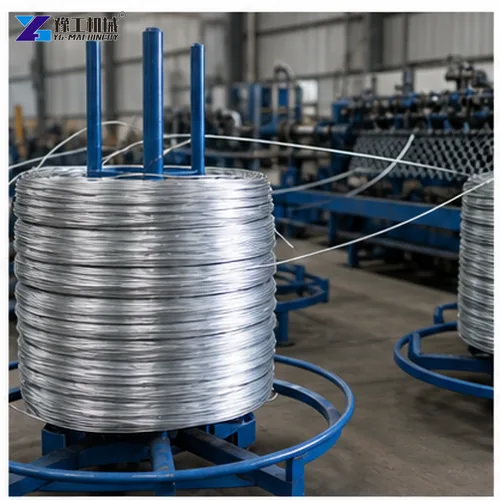
| Raw Material | Galvanized or PVC-coated wire | Galvanized or PVC-coated wire |
| Machine Size | 4.2×2.2×1.7 m | 6.7×1.43×1.8 m |
| Weight | 2000 kg | 4200 kg |
| Customization | Wire, opening, width and voltage | Wire, opening, width and voltage |
Specify Wire for Chain Link Fence Production
State the base material, coating, nominal diameter, diameter tolerance, tensile behavior, coil size and surface condition. Galvanized and PVC-coated wire can behave differently through guides and forming dies. Trial material should represent production supply, because a soft sample coil may hide feeding problems that appear with a different supplier batch.
For specify wire for chain link fence production, treat every catalogue value as a model-selection input rather than a guarantee for every job. Actual output also depends on material, operator practice, site preparation, utilities and maintenance. Record the assumptions behind this decision so quotations can be compared on the same basis.
Material variability deserves its own control plan. Record supplier, batch, dimensions, coating or grade and storage condition before production begins. When results change, compare the material record with settings and inspection data. This approach is faster than adjusting several machine controls at once without knowing which change solved the problem.
Record chain link fence machine settings for each finished fence specification.

Choose Mesh Opening, Width and Edge Style
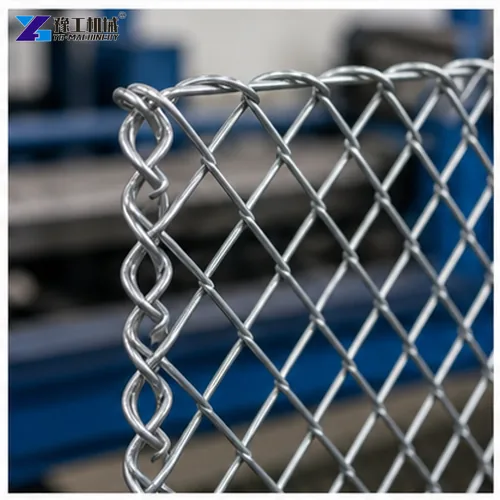
Mesh opening affects material use, fence stiffness, visibility and market application. Finished width must suit local fence heights and handling equipment. Specify knuckled, twisted or combined edges before ordering. The wire mesh making machine needs the correct tooling and finishing arrangement for the intended product, not a generic verbal description.
Before finalizing choose mesh opening, width and edge style, ask the supplier to confirm the selected model, included equipment, electrical or hydraulic requirements, commissioning scope, wear parts and delivery configuration in writing. This review prevents a technically suitable machine from arriving without an item needed for normal production.
Plan the work area around safe flow. Raw material should enter without crossing finished output, maintenance access or pedestrian routes. Provide lighting, housekeeping stations and clearly marked storage. Good layout reduces handling damage and gives operators enough room to inspect equipment without entering a pinch point or blocking an emergency exit.
Inspect the Chain Link Fencing Making Machine together with wire mesh making machine guides after every size change.
Plan Factory Space for a Wire Mesh Making Machine
Allow space for the machine, wire payoff, control cabinet, finished-roll handling, maintenance access and safe material routes. Check the published 4.2×2.2×1.7 m and 6.7×1.43×1.8 m machine sizes, then add working clearance. Confirm floor capacity for 2000 kg or 4200 kg plus dynamic and material loads.
For plan factory space for a wire mesh making machine, treat every catalogue value as a model-selection input rather than a guarantee for every job. Actual output also depends on material, operator practice, site preparation, utilities and maintenance. Record the assumptions behind this decision so quotations can be compared on the same basis.
Commissioning should progress from inspection to no-load testing, low-speed trials and controlled production. Record baseline temperatures, pressures, dimensions or output readings that apply to the equipment. Train more than one responsible person and keep the manual near the work area. A signed handover list makes later troubleshooting more objective.
Keep the chain link fence machine work area clear for safe roll removal.
Install and Commission Chain Link Fence Equipment
Verify foundation, anchoring, voltage, frequency, grounding and protective devices against supplier drawings. Align the payoff and feed path so wire enters without side load. During commissioning, start slowly, observe spiral formation and confirm guards and emergency stops. Approve several rolls before increasing speed.
Before finalizing install and commission chain link fence equipment, ask the supplier to confirm the selected model, included equipment, electrical or hydraulic requirements, commissioning scope, wear parts and delivery configuration in writing. This review prevents a technically suitable machine from arriving without an item needed for normal production.
Use a simple pre-start checklist at every shift. Confirm guards, fasteners, fluid levels, cables, hoses, sensors, controls and emergency devices as applicable. Remove defective equipment from service and record the fault. Small abnormalities are easier and less expensive to correct before they become a quality failure or unplanned shutdown.
Control Chain Link Fence Production Quality
Measure wire diameter, diamond opening, roll width, roll length and edge consistency at a defined frequency. Watch for distorted diamonds, loose interlocks, coating damage, uneven tension and incomplete twists. Link inspection records to wire batches and settings so a defect can be traced without rejecting unrelated production.
For control chain link fence production quality, treat every catalogue value as a model-selection input rather than a guarantee for every job. Actual output also depends on material, operator practice, site preparation, utilities and maintenance. Record the assumptions behind this decision so quotations can be compared on the same basis.
Set a realistic production target from acceptable output, not maximum machine motion. Include material loading, changeovers, inspection, packaging and routine cleaning in the calculation. Measure good units or usable area per hour. This prevents scrap and rework from being counted as productivity and exposes the real constraint in the process.


Improve Chain Link Fence Machine Output
Published speed assumes compatible material and a stable process. Output falls when coils are changed poorly, wire is inconsistent or finished rolls block the discharge area. Prepare coils, tools and labels before the run. Balance weaving speed with edge finishing and roll removal instead of maximizing one station while another becomes unsafe.
Before finalizing improve chain link fence machine output, ask the supplier to confirm the selected model, included equipment, electrical or hydraulic requirements, commissioning scope, wear parts and delivery configuration in writing. This review prevents a technically suitable machine from arriving without an item needed for normal production.
Operators need defined stop conditions. Examples include unstable material feed, abnormal noise, leakage, overheating, damaged guarding, loss of control response or people entering the exclusion area. Stopping early protects equipment and preserves evidence for diagnosis. Restart only after the responsible person confirms that the cause is controlled.
Operate a Wire Mesh Making Machine Safely
Guard forming, twisting, cutting and winding points. Wire ends can whip, puncture or entangle, while heavy coils and rolls create handling hazards. Use mechanical lifting where needed, isolate energy before clearing jams and prohibit reaching into moving tooling. Train operators on emergency stops and safe coil-change procedures.
For operate a wire mesh making machine safely, treat every catalogue value as a model-selection input rather than a guarantee for every job. Actual output also depends on material, operator practice, site preparation, utilities and maintenance. Record the assumptions behind this decision so quotations can be compared on the same basis.
Build preventive maintenance around operating hours, calendar intervals and observed condition. Identify critical wear items, normal lead times and minimum spare quantities. Store components cleanly and use the specified lubricants and replacement procedures. Maintenance planning is especially important when international shipping could extend the recovery time after an avoidable failure.
Maintain Chain Link Fence Production Equipment
Clean wire scale and coating residue from guides, inspect forming dies and check fasteners, bearings, sensors and lubrication points. Replace worn tooling before it creates recurring mesh defects. Keep critical spares for the control and forming systems. Maintenance records help distinguish material problems from gradual mechanical wear.
Before finalizing maintain chain link fence production equipment, ask the supplier to confirm the selected model, included equipment, electrical or hydraulic requirements, commissioning scope, wear parts and delivery configuration in writing. This review prevents a technically suitable machine from arriving without an item needed for normal production.
Estimate total cost over the intended service period. Include installation, utilities, labor, consumables, planned maintenance, tooling, freight, taxes where applicable and expected utilization. Compare the financial effect of output quality and downtime as well as energy use. The lowest initial quotation is not always the lowest cost per accepted unit.

Calculate Fence Manufacturing Cost
Calculate wire consumption, scrap, electricity, labor, coil changes, tooling, packaging and downtime per square meter. Higher nominal speed matters only when sales volume and material logistics use it. Include factory preparation, freight, installation, training and spare tooling when comparing the two models.
For calculate fence manufacturing cost, treat every catalogue value as a model-selection input rather than a guarantee for every job. Actual output also depends on material, operator practice, site preparation, utilities and maintenance. Record the assumptions behind this decision so quotations can be compared on the same basis.
Ask for practical training that covers setup, normal adjustments, cleaning, inspection, fault messages and emergency actions. Video guidance is useful, but the factory should also maintain its own records in the working language. Assign responsibility for settings and spare parts so changes are controlled rather than passed informally between shifts.
Chain Link Fencing Making Machine Buyer Checklist
Send target wire types and diameters, mesh openings, widths, roll lengths, edge styles, hourly target, voltage, workshop layout and destination. Ask the supplier to confirm the model and every die or accessory. A sample fence specification and wire sample can reduce ambiguity before manufacturing.
Before finalizing chain link fencing making machine buyer checklist, ask the supplier to confirm the selected model, included equipment, electrical or hydraulic requirements, commissioning scope, wear parts and delivery configuration in writing. This review prevents a technically suitable machine from arriving without an item needed for normal production.
Before shipment, confirm dimensions, weight, lifting points, packing method, container plan and required unloading equipment. Review foundation and utility work early enough to avoid storage delays after arrival. Keep photos and packing lists with the purchase record. Careful logistics protect both the equipment and the planned commissioning date.
Chain Link Fencing Making Machine FAQ
The page lists galvanized wire and PVC-coated wire, subject to the confirmed diameter range and final supplier review.
Both published models list a mesh width range of 0.5–4 m.
YG-25-80 is listed at 120–180 m²/h, compared with 70–80 m²/h for YG-20-100.
The published options include knuckled and twisted, knuckle only, or twisted only; confirm the required setup in the quotation.
Request a Chain Link Fencing Making Machine Recommendation
Send YG Machinery your application, required output, site conditions and destination. The team can compare the complete model data and prepare a suitable Chain Link Fencing Making Machine configuration and quotation.