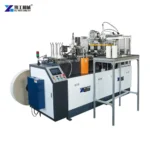
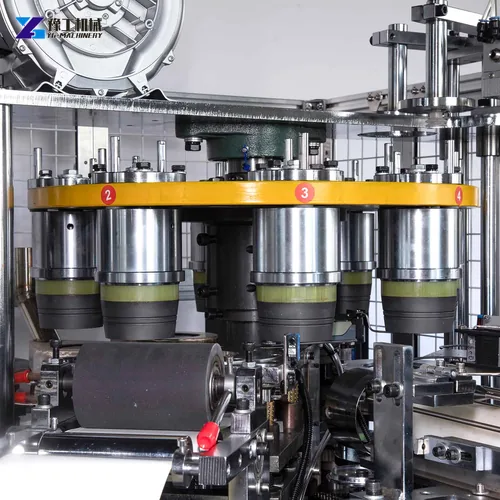
A Paper Cup Manufacturing Machine is only one part of a dependable cup-production plan. Material receiving, artwork approval, roll storage, forming, inspection, packaging and changeovers must support each other if the line is to deliver a stable product for customers.
The most effective starting point is a written cup specification. It defines the required size, shape, paper construction, sealing expectations and production target. With those details in place, a buyer can use the published machine range to compare a suitable forming configuration instead of choosing by appearance alone.
Paper Cup Manufacturing Machine Production Flow
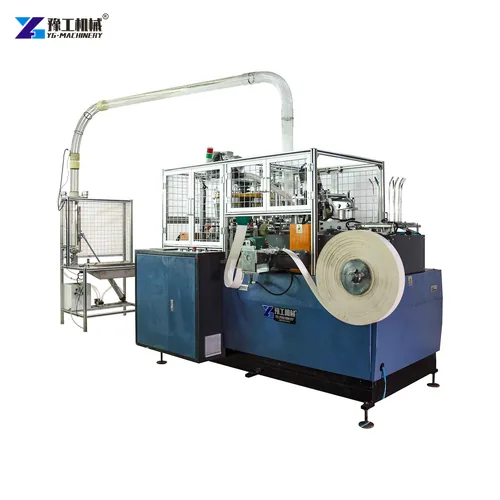
The production flow begins with approved cup-stock material and ends with inspected, packed cups. Between those points, the line must control roll handling, sidewall shaping, bottom forming, sealing, rim finishing and collection. Map each handoff so material and finished cups do not cross through the same narrow workspace.
YG publishes three cup-forming configurations for 3–16 oz formats. Use the complete parameters to screen cup dimensions, paper range, voltage, installed size and speed before discussing the final line arrangement.
Complete Paper Cup Manufacturing Machine Parameter Table
The values below are published reference parameters for the identified models or paper-cup line configuration. Confirm the final scope, included equipment and working conditions in the quotation.
| Parameter | YG 800 | YG C800 | YG S800 |
| Cup Size | 3–16 oz | 3–16 oz | 3–16 oz |
| Published Speed | 65–75 pcs/min | 70–80 pcs/min | 75–85 pcs/min |
| Cup Paper | 150–180 g | 150–300 g | 160–300 g |
| Power Supply | 380 V / 50 Hz | 380 V / 50 Hz | 380 V / 220 V |
| General Power | 4.5 kW | 5 kW | 6 kW |
| Cup Top Diameter | 45–90 mm | 45–90 mm | 45–90 mm |
| Cup Bottom Diameter | 35–70 mm | 35–70 mm | 35–70 mm |
| Cup Height | 32–135 mm | 32–135 mm | 32–135 mm |
| Machine Size | 2115 × 1000 × 1700 mm | 2115 × 1000 × 1700 mm | 2100 × 1200 × 1800 mm |
| Weight | 1680 kg | 1680 kg | 2000 kg |

Create a Product Specification and Organize Material Flow
A usable specification includes cup drawing, material grade, coating, printed area, bottom requirements, accepted sample and packaging method. It also identifies the target market and any food-contact or labeling requirements that apply. This document gives manufacturing and purchasing teams one shared reference.
Store paper rolls dry, clean and protected from edge damage. Plan a direct route from material storage to the Paper Cup Forming Machine, then to inspection and packaging. Adequate roll-handling equipment reduces damage and keeps operators from lifting or carrying material through active production areas.

Control Quality During Paper Cup Production Changeovers
Inspect the first approved cups for dimensions, side seam, bottom seal, rim profile, print alignment and appearance. Define the sampling point and the person who records results. If a check fails, hold the affected output and review the relevant material and settings before restarting normal packing.
The Paper Cup Forming Machine acceptance process should be visible at every format change, rather than relying on a previous order setting.
Schedule cup sizes and artwork changes so tools, material and packaging are prepared before the line stops. Identify what must be cleaned, adjusted and verified for each format. A disciplined changeover protects the next order from mixed components and reduces time spent searching for the correct tooling.
Design the Production Area, Train Operators and Plan Support
Separate raw paper, work-in-process cups, rejected material and packed cartons. Keep maintenance access clear, control paper dust and establish simple housekeeping checks. A clean flow improves inspection visibility and helps protect cup surfaces before packing.
Training should cover safe startup, normal controls, material loading, quality checks, cleaning, stop conditions and escalation steps. Keep the accepted sample and current product sheet available at the workstation. A production line becomes easier to manage when operators understand why each check matters.
Before purchase, review spare parts, ordinary consumables, tooling identification, remote support expectations and commissioning scope. Keep maintenance records linked to cup format and operating hours. This makes future service discussions more precise and helps the factory protect its own production knowledge.
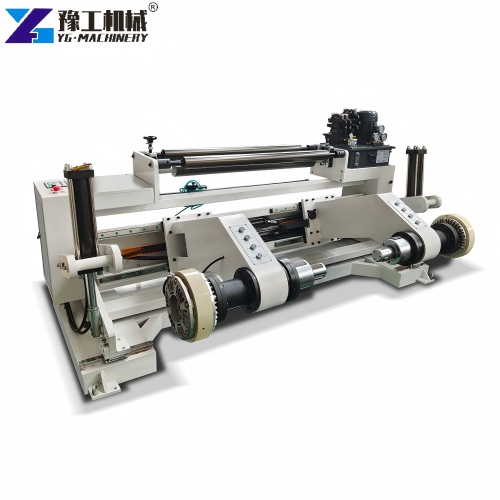
Related paper-handling resources include the Paper Roll Slitting Machine and the Other Machine category. Send YG your line requirements for a tailored configuration review.
Paper Cup Manufacturing Machine FAQ
Prepare the cup drawing, material, target output, packaging method, power conditions, factory layout and destination before asking for a configuration.
A cup-forming line can be planned around a published size range, but each cup drawing and tooling requirement must be confirmed before production.
Dry, protected storage helps preserve paper condition and reduces feeding, printing and forming issues during production.
Compare dimensions, seam, bottom, rim, print and appearance with the agreed sample and record the accepted setup.
Request a Paper Cup Manufacturing Machine Configuration
Send YG Machinery your material or product specification, required configuration, available utilities, application plan and destination. Our team can review the Paper Cup Manufacturing Machine details and prepare a suitable quotation.