A sound pulp egg tray machine purchase begins with the recovered paper you can actually receive, not with the largest output number in a brochure. Separate feedstock acceptance, pulping duty, water management and forming requirements before comparing models. That sequence reveals whether the proposed line can turn your paper mix into a stable furnish for the tray weight and daily schedule you need.
Use a representative sample from normal deliveries. Record paper grades, moisture, coatings, plastic film, metal, staples, strings and other visible contaminants. Then state the tray type, target weight, working hours, available power and water conditions. The resulting brief gives YG something testable to configure; a generic request for an egg tray machine does not.
Send your paper mix, tray requirement and planned working hours so the preliminary configuration can start from real material evidence.

Feedstock acceptance sets the pulping duty
Clean, fairly uniform cartons and office-paper fractions are easier to prepare than mixed loads containing wet-strength papers, laminated sheets or heavy plastic. That does not make a mixed load impossible, but it changes the inspection and preparation conversation. Sorting is the first protection for pumps, screens and forming consistency, while the buyer should identify which contaminants are unavoidable rather than hiding them in an average description.
Tie feedstock variation to the finished tray. A lighter tray may expose poor fiber dispersion or weak drainage sooner than a heavier tray; a molded product with sharper edges also needs a more repeatable furnish. Ask for a sample-based review of pulping, screening and forming instead of assuming that one recipe covers every bale. This is the key difference between buying a pulp egg tray machine and buying a capacity label.
Build the pulping train around contamination and fiber release
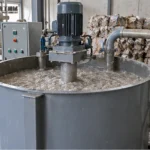
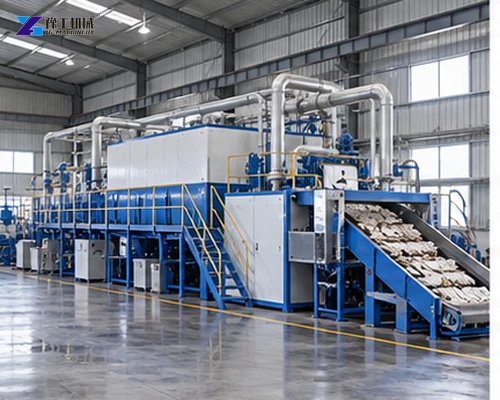
The pulping system should be discussed as a train: feed preparation, pulping, removal of unwanted material, storage or blending, and delivery to forming. The exact equipment list depends on the supplied paper and the intended line, so do not treat an unverified auxiliary, screen opening or tank size as a YG specification. Ask the quotation to show where each known contaminant is expected to leave the process and how operators will inspect that point.
A practical review also asks how long the furnish can wait, how batches are identified and how a change in paper mix is corrected. If the system is fed with inconsistent material, a larger forming machine cannot repair unstable preparation. The pulper and screening stages should therefore be selected for controllability and maintenance access as well as nominal throughput.
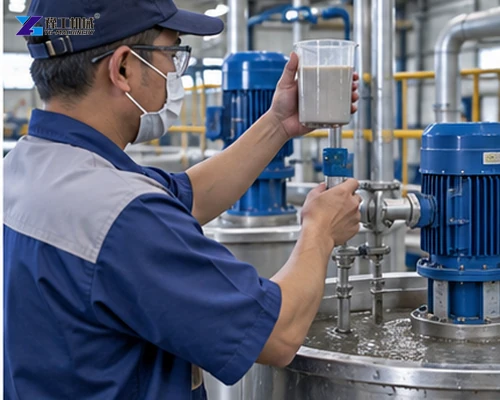
Water loop and consistency control are purchasing inputs
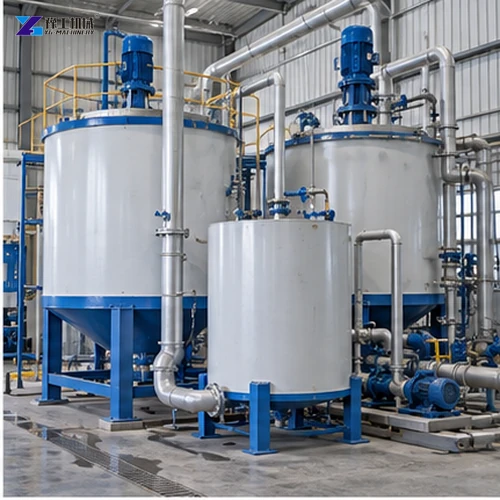
Water is part of the process decision, not a background utility. Describe the available source, recycling intention, solids or visible carryover, discharge limits and seasonal changes. A closed or partly recirculated loop may reduce fresh-water demand, but the actual arrangement must be designed around the furnish and the selected auxiliaries. Request a clear water-flow diagram and identify which tanks, pumps and controls are included.
Consistency should be checked at the point that matters to forming, not only in the pulper. A sample jar, a time-stamped batch record and a simple visual comparison can expose drift before trays become visibly uneven. The buyer should define who takes the sample, how often it is checked and what action follows an out-of-range result; any numerical operating target must be confirmed for the actual configuration rather than invented from a generic guide.
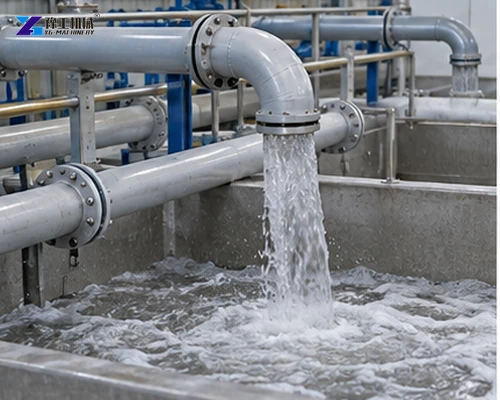
Share your water source, recycling plan and the distance from preparation to forming so YG can review the practical line boundary with you.
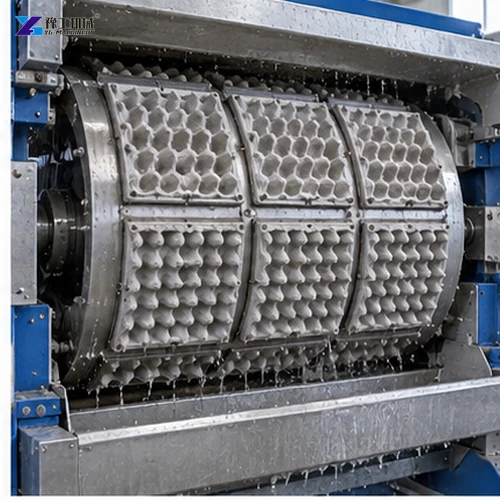
Forming response connects furnish quality to tray weight
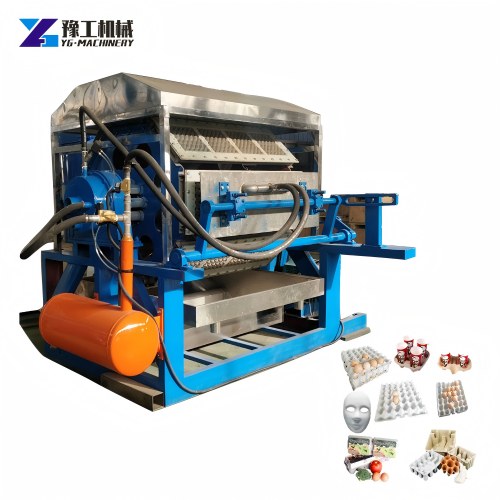
Forming is where preparation becomes a visible buying result. Watch how the selected furnish reaches the mold, drains, releases and transfers without tearing or leaving thin corners. The operator should compare trays from the beginning, middle and end of a run, because a line that starts well but drifts as water or fiber conditions change is not yet ready for acceptance.
Record the tray specification beside the test sample: product type, target weight, appearance, stacking behavior and any rejected pieces. Do not use a published machine output as proof of finished quality. The pulp egg tray machine, molds, pulp preparation and operator method work together, so the trial should represent the whole intended route rather than a demonstration using unknown furnish.
Compare the verified YG screening range
The table below is the complete verified YG screening range supplied for this guide. Output, molds, power and workers are reference values for shortlisting. They are not a promise of production under every feedstock, tray weight or auxiliary arrangement; final configuration depends on the product and the supporting system.
| Model | Published output | Molds | Power | Workers |
| YG-1×3 | 1000 pcs/h | 3 | 40 kW | 3-5 |
| YG-1×4 | 1500 pcs/h | 4 | 40 kW | 4-6 |
| YG-3×4 | 2500 pcs/h | 12 | 50 kW | 4-6 |
| YG-4×4 | 3500 pcs/h | 16 | 60 kW | 4-6 |
| YG-4×8 | 4500 pcs/h | 32 | 130 kW | 4-6 |
Use the table as a conversation starter. A buyer targeting 1000 pcs/h should still check whether the YG-1×3 arrangement matches the feedstock, tray and working pattern; a buyer considering YG-4×8 should verify that 130 kW and the larger mold count fit the site’s electrical and handling plan. Compare the next model as well, then document why the selected range is proportionate to the actual requirement.
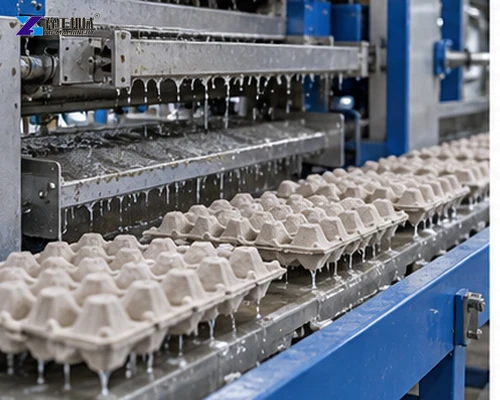
Make the trial prove the complete route
A useful trial uses your representative paper, agreed tray specification and the proposed pulping route. Ask the supplier to identify the sample, show the preparation steps, record the forming response and retain representative trays. Inspect drainage, edges, thickness impression, release, transfer and stacking. If the material needs extra sorting or blending, record that as a project condition rather than describing it as a universal machine feature.
The acceptance note should also list open items: utilities, water treatment or recycling, spare parts, operator training, cleaning responsibility and any auxiliary that remains outside the quotation. This protects both sides from confusing a screening test with final engineering approval. A short, observable test is more valuable than an impressive but undocumented output claim.
Tell us the paper sample you can provide and the tray result you must accept; we can organize the questions that belong in a technical trial.
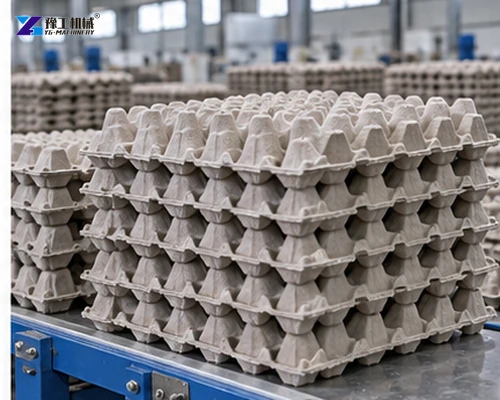
Put feedstock evidence into the quotation file
Send the quotation request as a compact evidence pack: photos of incoming paper, a written contaminant description, sample availability, tray type and target weight, desired output, working hours, site location, available power, water information and the intended acceptance method. Ask YG to mark which values are verified references, which auxiliaries are included and which conditions still require confirmation.
For the broader equipment context, review the egg tray machine product range. When the preparation train and forming equipment need to be considered together, the egg tray production line overview is the more useful next step. Keep the links tied to an actual decision: general machine scope first, then complete-line coordination.
Attach your evidence pack and preferred model range so the quotation can show the pulping assumptions, forming scope and unresolved checks clearly.
FAQ for a pulp egg tray machine purchase
Send representative paper photos or samples, the paper mix, moisture condition, coatings, plastic, metal, staples and other contaminants. Add the tray type and target weight so preparation can be judged against the finished product.
Do not assume that. Different fibers, coatings and contaminants change sorting, pulping and screening needs. Have the proposed train reviewed against your normal and worst reasonable feedstock.
No. The YG values are screening references. Final results depend on the product, pulp preparation, water management, molds, operators and other auxiliaries.
Water affects preparation, consistency, recycling and discharge planning. A clear water brief helps the supplier define the practical line boundary instead of leaving an important utility assumption hidden.
Record the input sample, tray specification, preparation route, drainage and release behavior, visible defects, stacking result, operator method and any corrective action.
Start with the verified output, molds, power and worker range, then test the complete configuration against your feedstock, tray requirement, utilities and acceptance method. The largest model is not automatically the best fit.
The final decision should name the accepted feedstock, pulping assumptions, selected or shortlisted model, water approach, trial evidence and remaining approvals. That record gives the supplier a usable technical brief and gives the buyer a defensible basis for the next quotation review.