A paper pulp molding machine price is useful only when every quotation covers the same production task. One supplier may quote a forming machine, while another includes pulping tanks, vacuum equipment, molds, drying, stacking and packing. The lower headline figure can therefore describe a smaller scope rather than a better-value plant.
Start with accepted dry products per hour, not only the forming cycle. Tray design, wet weight, raw-paper condition, dryer capacity, automation and available utilities determine whether the line can turn formed pieces into saleable output. A clear budget separates supplied machinery, local factory work, transport and startup costs so the buyer can compare like with like.
Buyers can review the broader paper pulp molding machine, the egg tray making machine price page and the egg tray production-line balance guide when defining equipment and plant scope.
Define the Product and Saleable Output before Comparing Price
Specify the molded product, dimensions, cavity count, unit weight, strength, surface requirement and stacking method. Egg trays, egg cartons, fruit trays and industrial protective packaging may use different molds, pulp recipes and drying behavior. A quotation based only on pieces per hour can be misleading when the products do not have the same material weight or geometry.
Convert monthly demand into accepted output per effective hour after allowing for cleaning, mold changes, maintenance and normal stops. Include the expected product mix rather than sizing the plant around one maximum-rate item. This calculation establishes the forming and drying range that the project actually needs and reduces the risk of paying for unused capacity.
Send the molded product, accepted hourly output and working schedule for a practical capacity review.
What Changes Paper Pulp Molding Machine Price?
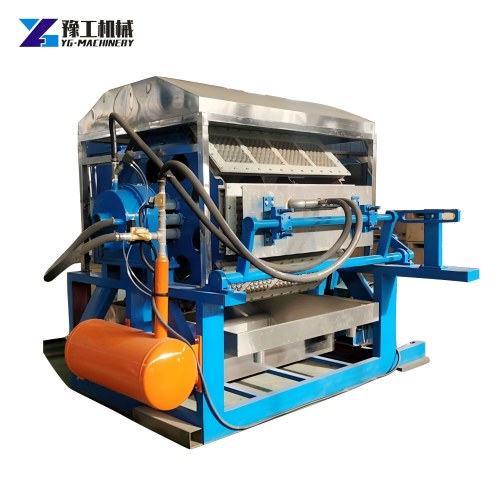
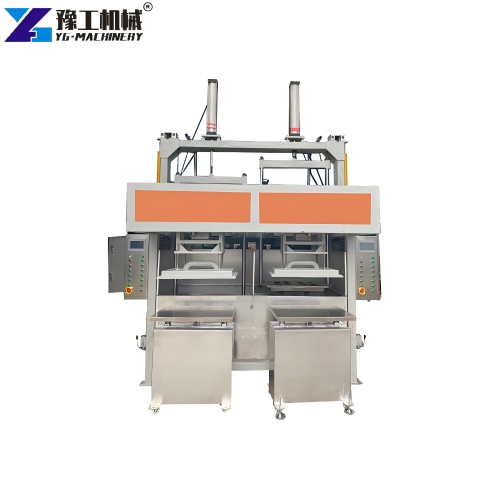
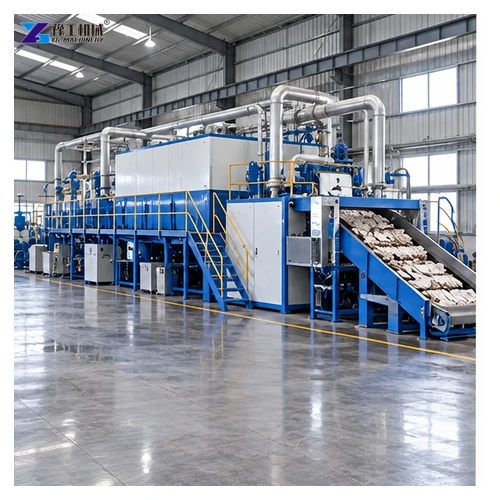
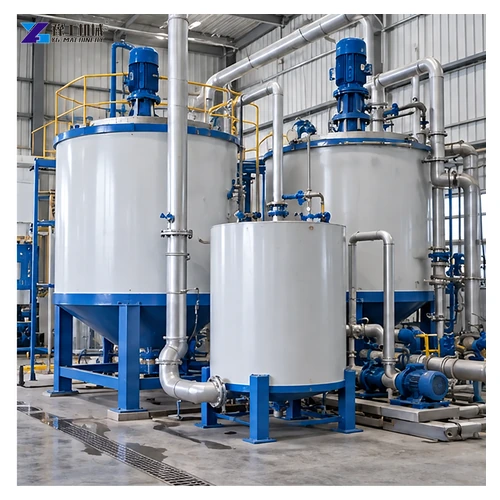
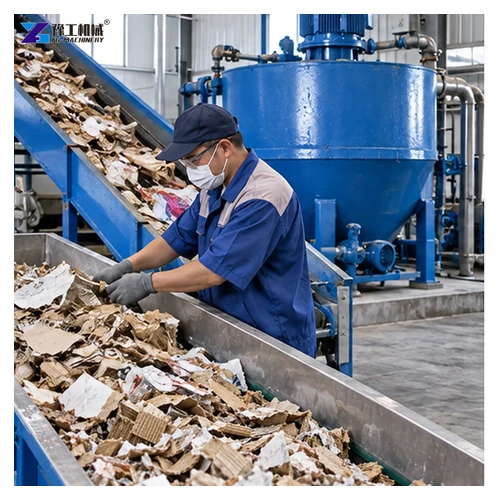
Ask each supplier to list the hydrapulper, screening, storage and mixing tanks, pumps, forming machine, vacuum and air system, molds, wet-product transfer, dryer, stacking, controls, tools and spare parts. Mark every excluded item. A forming-machine-only quotation cannot be compared directly with a complete line even if both documents use the same capacity label.
The local scope also changes paper pulp molding machine price at project level. Foundations, platforms, factory wiring, water tanks, drainage, fuel storage, flues, ventilation, compressed air, lifting equipment and internal transport may be supplied locally. Assign responsibility for each item before contract review so civil and utility work does not appear as an unexpected cost after the machinery is ordered.
List the equipment and local factory responsibilities so quotations can be compared on the same scope.

Compare Paper Pulp Molding Machine Models
Use the table to screen the forming range, then confirm the exact mold and product. Capacity, mold quantity, installed power, electricity use and labor belong to one model row. Drying equipment and auxiliary scope can change the total connected load and staffing, so the complete quotation should provide a separate utility schedule for the selected plant.
| Model | Capacity | Forming molds | Total power | Electricity use | Workers |
|---|---|---|---|---|---|
| YG-1×3 | 1,000 pcs/h | 3 | 40 kW | 28 kWh | 3–5 |
| YG-1×4 | 1,500 pcs/h | 4 | 40 kW | 29 kWh | 4–6 |
| YG-3×4 | 2,500 pcs/h | 12 | 50 kW | 35 kWh | 4–6 |
| YG-4×4 | 3,500 pcs/h | 16 | 60 kW | 42 kWh | 4–6 |
| YG-4×8 | 4,500 pcs/h | 32 | 130 kW | 91 kWh | 4–6 |
| YG-5×8 | 5,500 pcs/h | 40 | 140 kW | 98 kWh | 5–7 |
| YG-6×8 | 7,000 pcs/h | 48 | 186 kW | 130 kWh | 6–8 |
How Drying Changes Paper Pulp Molding Machine Price
Natural drying can reduce purchased dryer equipment where land, climate and production scale allow it, but it needs handling space and is sensitive to rain, humidity and temperature. Controlled brick or metal drying requires fuel, airflow and heat management but can support steadier operation. Compare these alternatives using the same wet-tray rate and final moisture requirement.
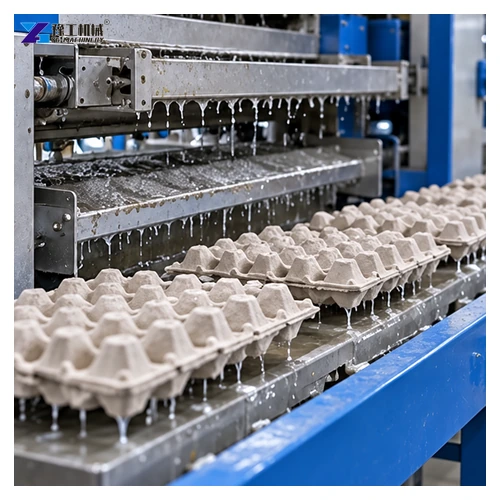
Request the dryer as a separate quotation section showing transfer method, heat source, fuel requirement, temperature-control scope, conveyor or rack arrangement and exhaust responsibilities. This makes paper pulp molding machine price easier to compare. A forming machine that waits for drying does not deliver its nominal production rate, so the dryer, wet-transfer system and finished-tray handling must be reviewed as one flow.
Add Molds, Automation and Changeover to the Budget
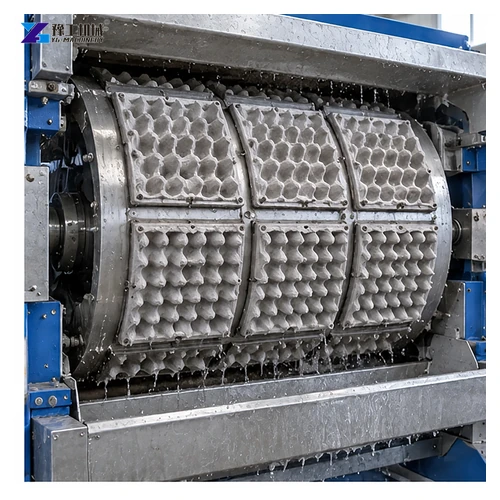
The first mold set should match an approved sample, but a commercial plant may need several tray designs. Price each mold set, define ownership of drawings and samples, and record changeover tools and time. Mold storage, cleaning and repair facilities also need space. A cheap mold that releases poorly or produces inconsistent weight can increase rejects and drying cost.
Automation can include wet transfer, drying conveyance, counting, stacking and compression. Evaluate it by the labor or handling problem it solves. Higher automation may reduce repetitive work but increases controls, sensors and maintenance requirements. Request separate optional prices so the buyer can choose a practical startup level without losing sight of future expansion.
Share the product range and labor plan to review molds and useful automation options.
Calculate Freight, Installation and Startup Costs
Provide the destination port or site, delivery terms and unloading limits. Ask for packing dimensions, package count, gross weight and container plan. Freight comparison should use the same Incoterm and scope. Import duty, tax, inland transport, crane hire, unloading and storage are normally outside the ex-factory machine price and belong in the project cash plan.
Define installation drawings, remote or site support, travel, accommodation, commissioning materials, trial production and operator training. Confirm who supplies raw paper, fuel, water, electricity and approved molds for startup. Keep an allowance for initial spare parts and working capital so the plant can continue after commissioning rather than stopping while routine items are sourced.


Prepare a Comparable Pulp Molding Line Quotation
Send product drawings or samples, required accepted output, local waste-paper grades, water source, voltage and frequency, dryer fuel, factory dimensions, climate, labor assumptions, destination and target start date. State which items must be supplied by YG and which will be completed locally.
Request separate totals for pulping, forming, molds, vacuum and air, drying, stacking, controls, spares, packing, freight and service. The quotation should name the model and product used for capacity selection. With the same scope table applied to every offer, the buyer can identify genuine price differences instead of comparing incomplete packages.
Provide the destination, utilities and required supply boundary for an itemized project quotation.
Paper Pulp Molding Machine Price and Line Cost Guide FAQ
They may cover different capacities, molds, pulping, drying, automation, freight or service scope.
Not always. Drying, utilities, civil work, molds, transport and startup can materially change the total investment.
Plan from accepted dry and packed output after realistic stops, rejects and changeovers.
Provide the product, accepted output, raw paper, drying preference, utilities, factory, destination, automation and service boundary.
Build the Final Project Cost File
A useful paper pulp molding machine price identifies the product, model and complete supply boundary. Compare each offer with the same capacity, drying, mold, utility, freight and service checklist before deciding which project delivers the best usable value.