A mini concrete pump price depends on what the quotation includes—not only the pump body. Model capacity, diesel or electric drive, delivery pipes, wear parts, packing, freight and startup support can all change the total. To compare offers fairly, first confirm that each supplier is quoting a pump-only machine for the same concrete and delivery route. A mixer-pump is a different package.
This guide helps you identify the cost items that matter, prepare a useful request and avoid comparing a bare machine with a complete operating package. For model selection on restricted jobs, see YG’s mini concrete pump for sale page. If concrete must also be mixed on the machine, compare the separate concrete mixer pump price page.
What Does a Mini Concrete Pump Price Include?
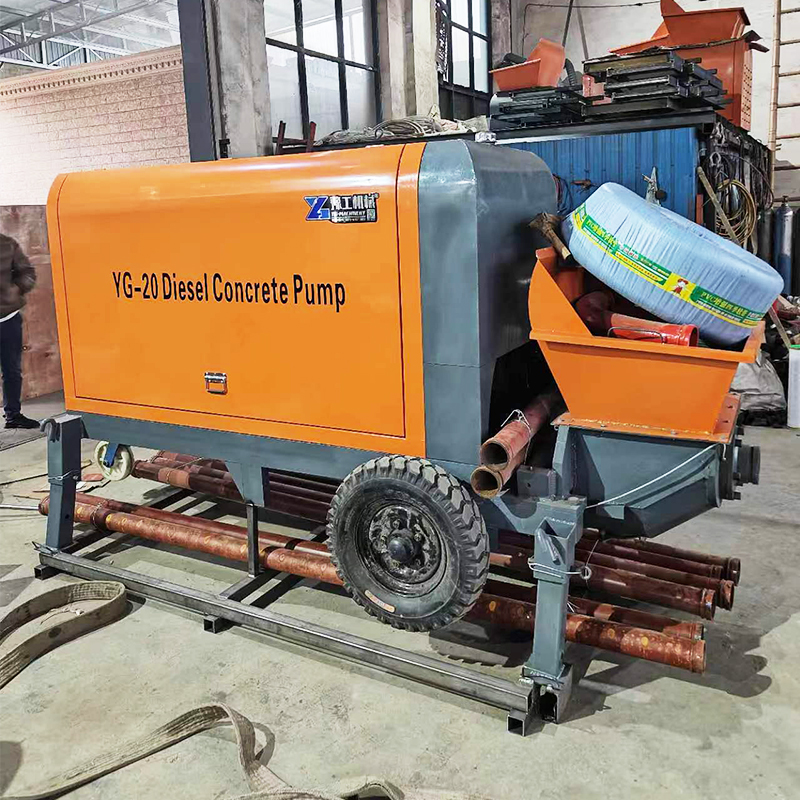
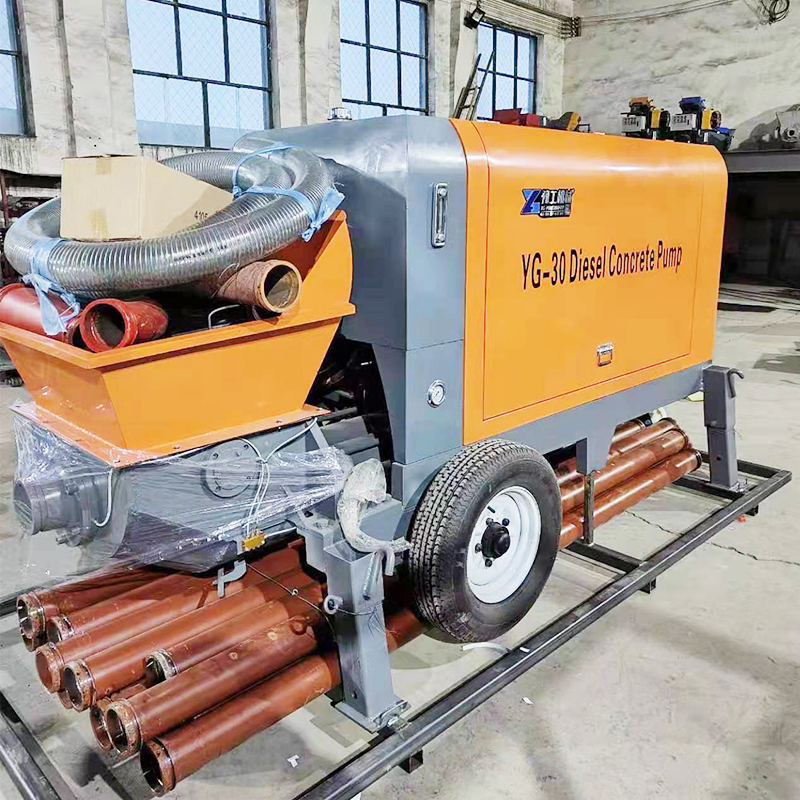
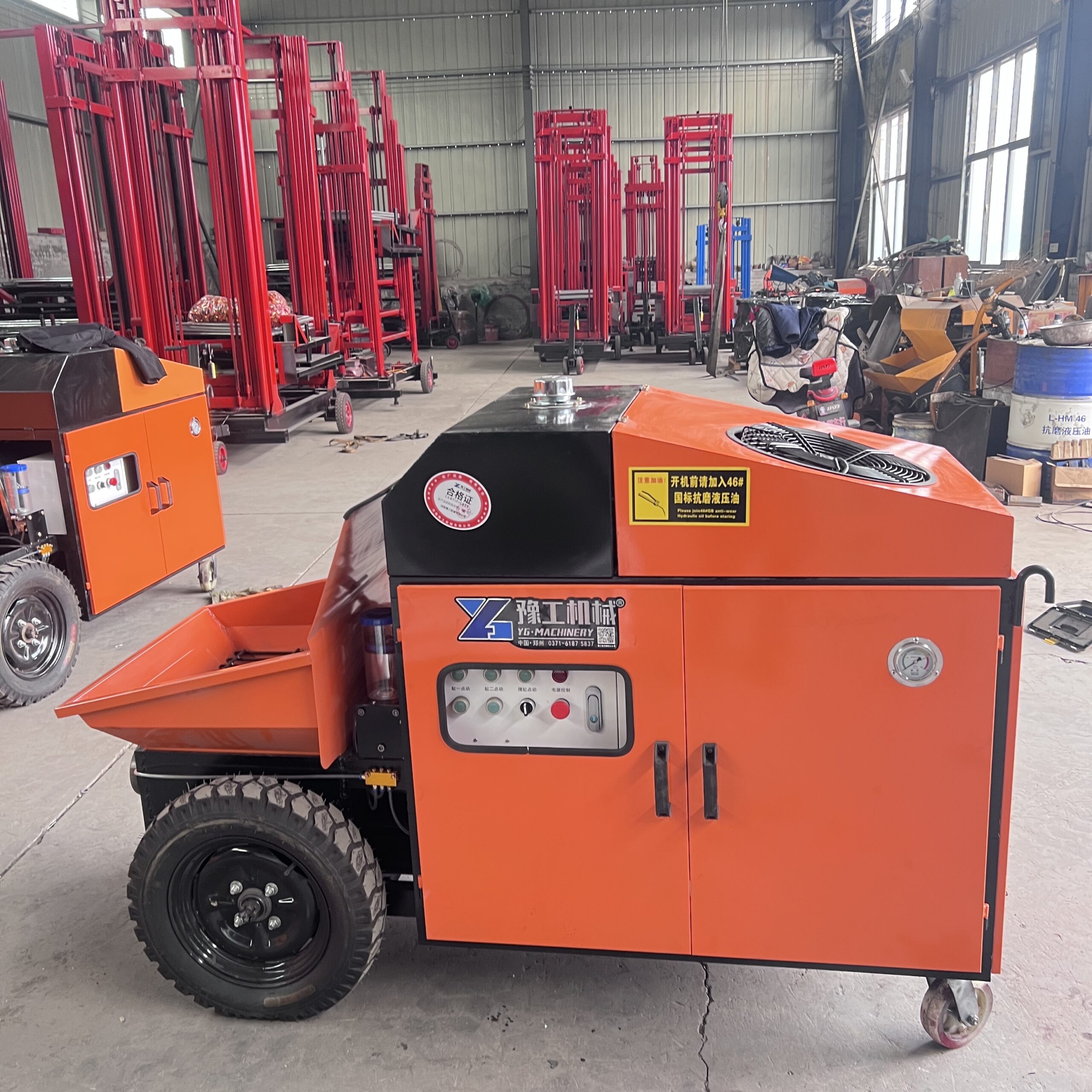
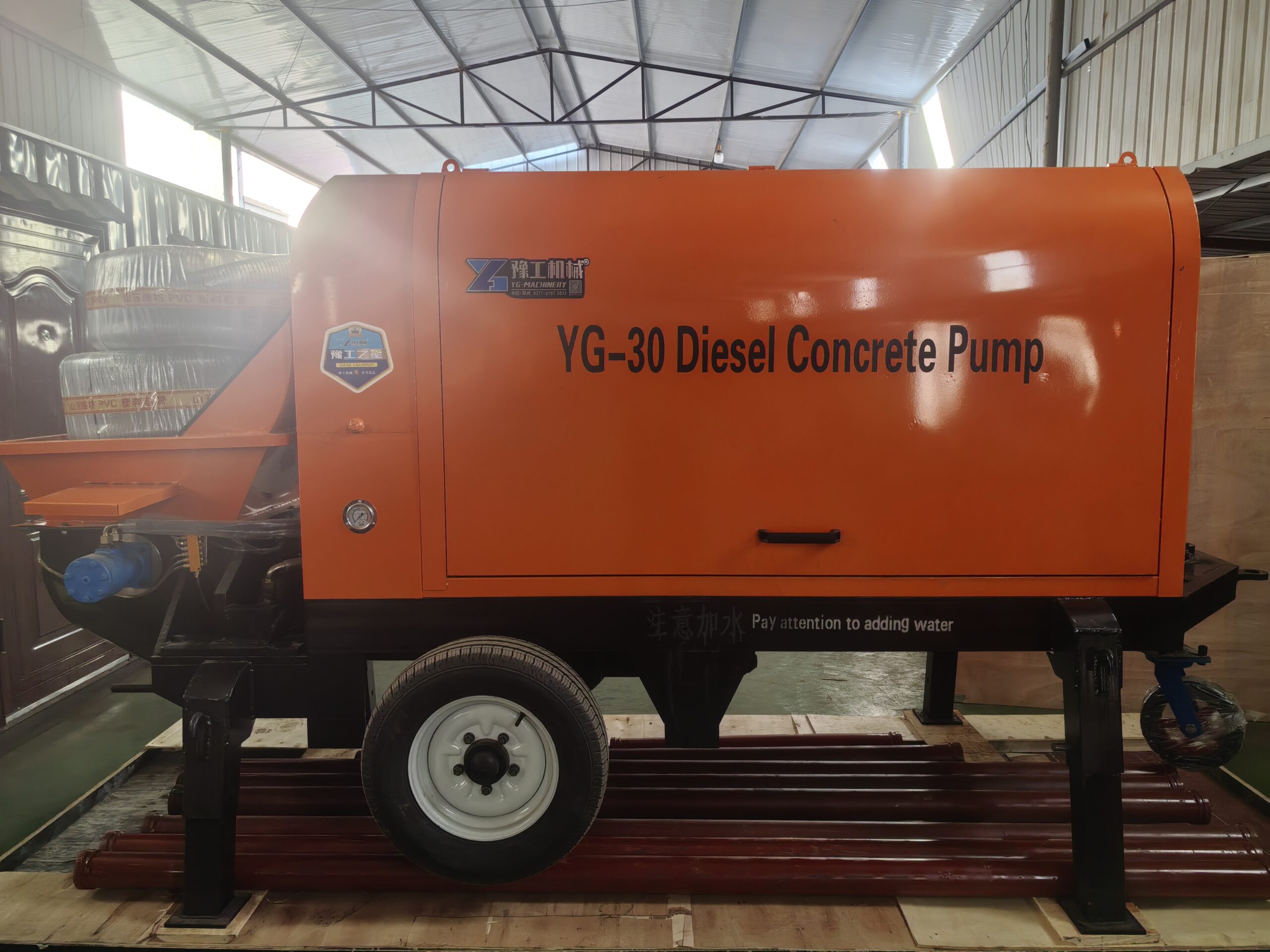
A pump-only machine receives concrete that has already been mixed and pushes it through a pipeline to the placement point. It does not include a concrete mixer unless the quotation explicitly lists one. That distinction changes both the equipment scope and the workflow: a pump-only buyer must arrange a consistent concrete supply, while an integrated mixer-pump also prepares the batch.
When you see a low headline price, check whether it covers the complete machine or only a base configuration. The engine or electric motor, control system, hopper, pumping assembly, delivery line and initial wear parts may be listed separately. Ask for the exact model and a written inclusion list before treating two prices as comparable.

Mini Concrete Pump Price Checklist: Compare the Same Scope
Use the table below to review each quotation line by line. A supplier should identify what is included, what is optional and what must be sourced locally.
| Quote item | What to confirm | Why it changes the total |
|---|---|---|
| Pump model and drive | Exact model, diesel engine or electric motor, voltage/phase where applicable | Capacity and power configuration determine the base machine and site requirements |
| Pumping configuration | Rated output, maximum aggregate size, outlet pressure and compatible concrete | The pump must match the mix and placement task; a larger rating is not automatically a better fit |
| Delivery package | Pipe diameter and length, hoses, bends, clamps and end hose | Route length and fittings may be priced separately and affect installation readiness |
| Wear and service items | Initial seals, wear plates, cleaning tools and recommended spares | These items affect the first operating period and later maintenance cost |
| Export and delivery | Packing dimensions, gross weight, port or delivery point, freight and unloading | Freight and handling depend on destination and shipment terms, not just machine price |
| Startup support | Commissioning, operator familiarization, remote support or site service | Confirm whether support is included, optional or supplied by a local team |
The useful comparison is the delivered package for your project—not simply the lowest machine-only figure. If one offer includes pipes and commissioning while another excludes them, add the missing items before deciding which is less expensive.
Which Job Details Have the Biggest Effect on a Mini Concrete Pump Price?
Start with the concrete and the route. Record the largest aggregate, mix consistency, planned placement rate, vertical lift, horizontal run, number of bends and the pipe diameter required. A pump selected for a short, straight line may not suit a longer route with several bends. The mix must also remain pumpable; a machine rating cannot correct a poorly proportioned or segregating batch.
Next, estimate how much concrete must be placed during each continuous pour. A higher rated output can help when the supply and crew can keep the hopper fed, but it does not guarantee that the same volume will reach the form every hour. Truck arrival gaps, line setup, repositioning, blockages and clean-out all affect the actual job rate. Choose a configuration around the working plan rather than paying for capacity the site cannot use.
Access matters as well. Measure the narrowest gate, unloading area and machine path, then compare those dimensions with the quoted machine and transport package. A compact pump that can be positioned near the pour may reduce handling; a larger configuration may require different unloading equipment and more setup space.
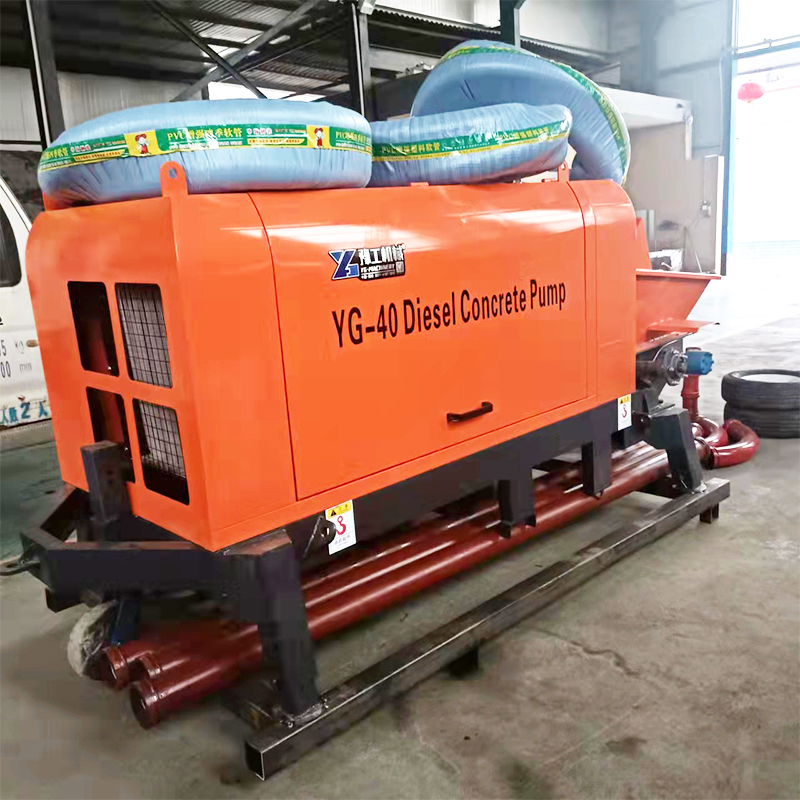
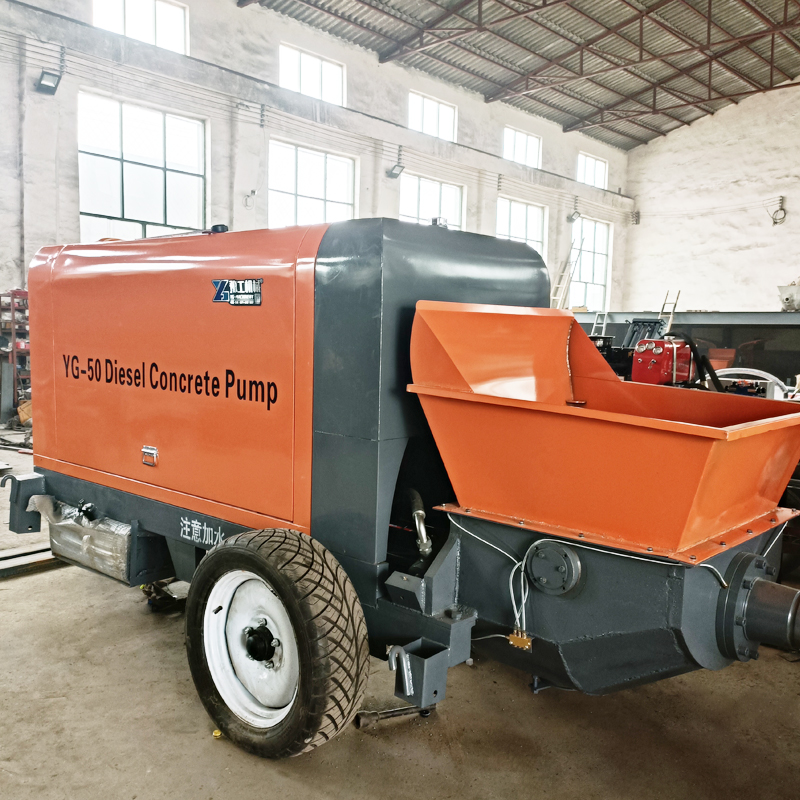
Does Diesel or Electric Drive Change the Mini Concrete Pump Price?
The right drive depends on the site. An electric configuration needs a supply that matches the motor and controls, including voltage, phase, frequency and available capacity. It can be a practical choice where suitable power is already available and noise or exhaust at the work area is a concern. A diesel configuration can suit sites where dependable grid power is unavailable, but its price comparison should include fuel, engine servicing, exhaust management and operating noise.
Do not compare a diesel unit with an electric unit by purchase price alone. Include expected work hours, local energy or fuel cost, access to maintenance and the cost of bringing power to the site. The best-value option is the one that can run the planned pour reliably without creating a more expensive site setup.
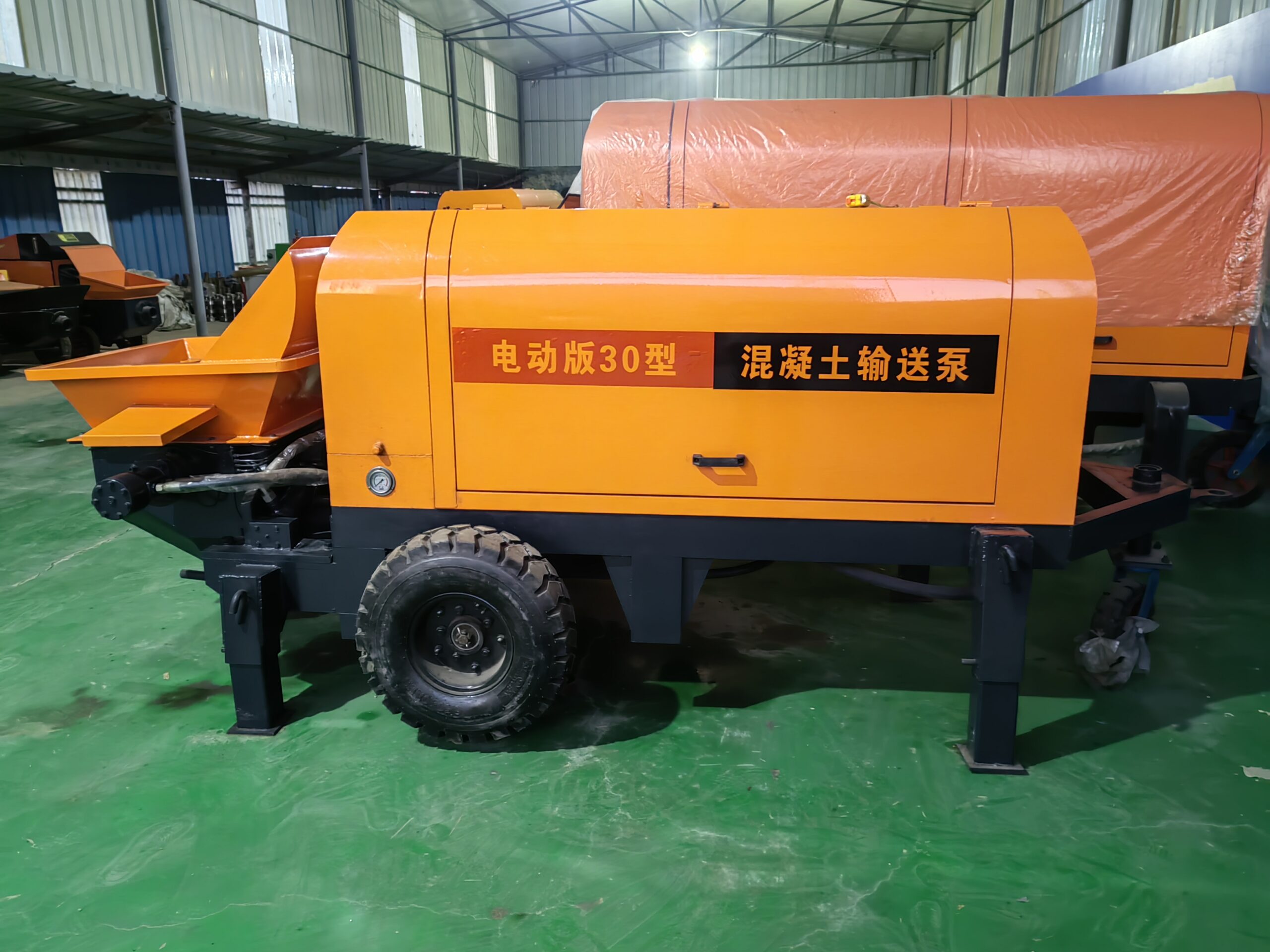
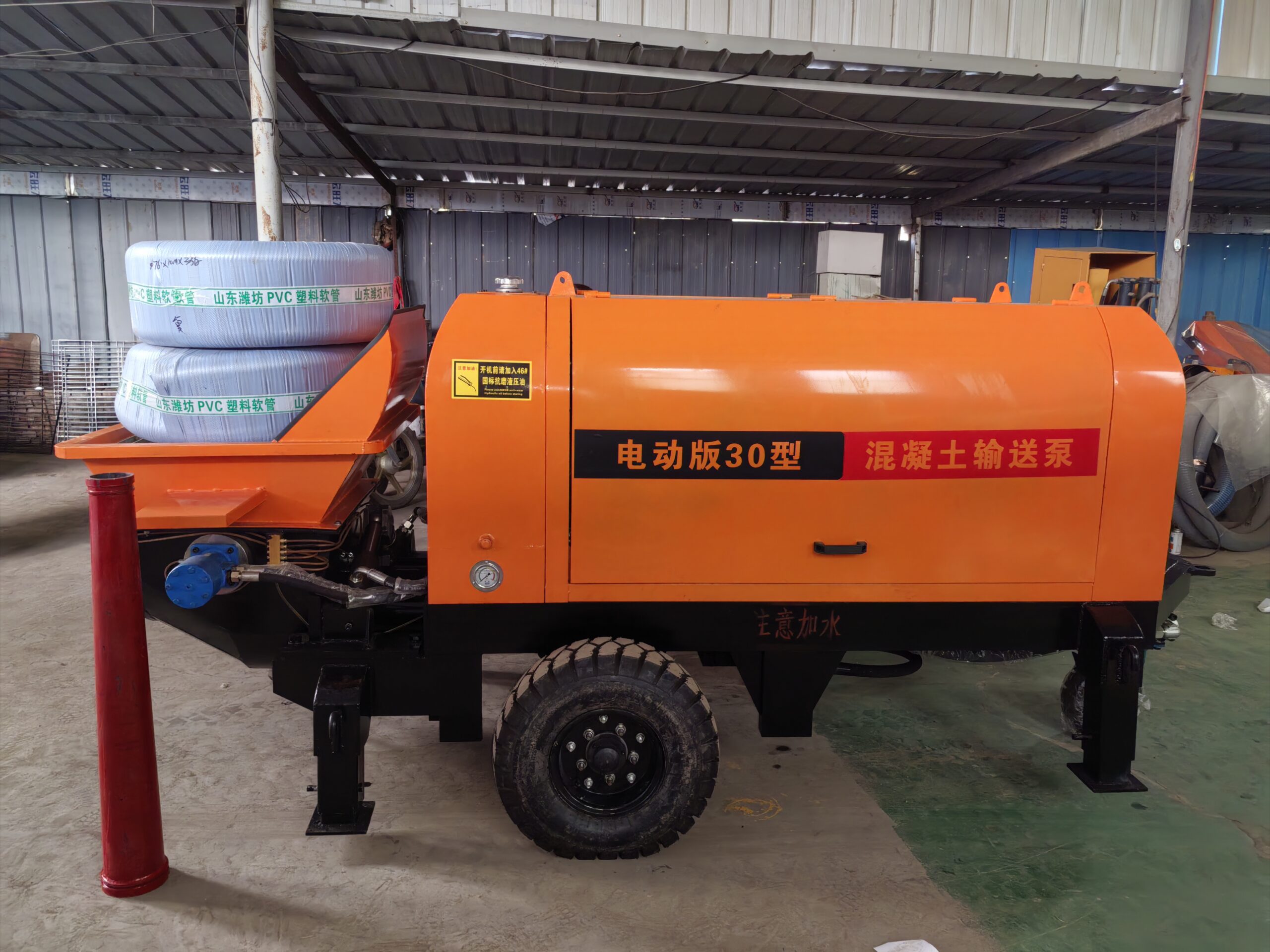
Can You Compare a Pump-Only Quote With a Mixer-Pump Quote?
Not as if they were the same machine. A pump-only unit transports concrete supplied by a ready-mix truck or a separate batching/mixing process. A mixer-pump combines concrete preparation and pumping in one equipment package. Its price includes different components, and the buyer should compare it against the full cost of the separate mixer and pump workflow—not against the pump body alone.
For a pump-only purchase, confirm who supplies the mixed concrete and how it will reach the hopper. For an integrated package, confirm the mixer capacity, mixing arrangement and pumping specifications together. If a quotation uses the general phrase “concrete pump,” ask the seller to state whether mixing equipment is included.
What Should You Send to Get a Comparable Mini Concrete Pump Quote?
Prepare a short job brief with the concrete type and largest aggregate, target volume, pour duration, line sketch, lift height, horizontal distance, bends, site access, power availability, destination and preferred delivery date. Add a photo or drawing of the placement area if there are tight turns or unloading restrictions.
Ask each supplier to return the exact model, drive configuration, rated output and pressure, compatible aggregate range, pipe and hose list, included spares, packing data, freight basis and startup support. Request optional items as separate lines. This makes it easier to see whether a price difference comes from the machine, the pumping route or services around delivery.
For a pump-only proposal, YG can review the route and concrete details alongside the model choice. Share the project information below to request a scope-based quotation.
Mini Concrete Pump Price FAQs
There is no single price that applies to every mini concrete pump. The model, diesel or electric drive, pipe package, spare parts, destination and startup support all affect the quotation. Request an itemized offer for the same configuration before comparing suppliers.
Not necessarily. Confirm the pipe diameter and length, hoses, bends, clamps and end hose in writing. A pump-only machine may be quoted without the complete line needed for your site.
No. A pump-only machine conveys concrete that has already been mixed. A mixer-pump also prepares the batch, so its equipment scope and price include additional mixing components.
No single drive type is cheapest for every site. Compare local diesel and electricity costs, daily operating hours, power availability, engine maintenance and any cost of supplying power to the work area.
Before accepting a price, make sure the pump model, concrete, route and supply package are all stated. That one check helps prevent a low quote from turning into extra equipment, freight or site costs later.