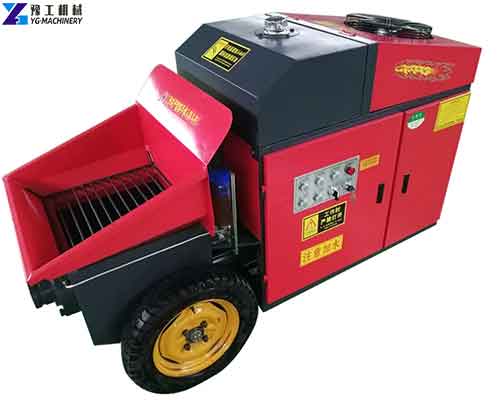
A mini concrete pump moves prepared concrete from its hopper through a delivery line to the pour. It does not mix the batch. That distinction matters on a small site: a contractor who already has ready-mix supply needs to check pumping capacity, aggregate size, pipe route and available power, while a contractor who must also make the concrete needs a different machine. This guide covers YG’s compact pump-only YG-10 to YG-40 range and the information needed to request a usable quotation.
Start With the Concrete Supply, Not the Pump Size
Before selecting a model, identify whether concrete will arrive from a ready-mix truck, a separate mixer or another on-site batching source. Record the planned delivery rate, batch consistency and largest aggregate. A pump cannot compensate for a mix that segregates or for aggregate that exceeds its stated passage size. The receiving hopper must be fed continuously enough for the intended pour; long breaks can leave material sitting in the line.
If the site needs a machine that both mixes and pumps, see YG’s concrete mixer and pumping machine instead. The pump-only range described here serves a different buying task: moving concrete that has already been mixed.
Compare Mini Concrete Pump Models
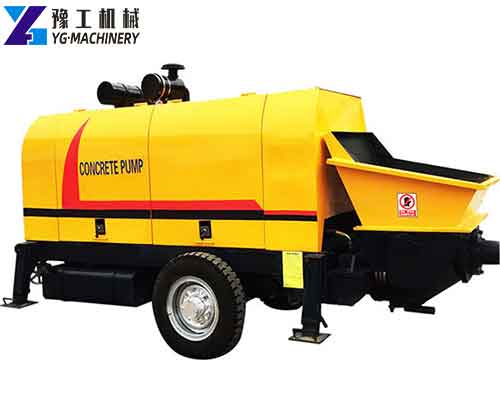
The following figures are model-specific values published for YG’s small portable concrete pump range. They describe equipment ratings, not a guaranteed rate or distance for every mix and pipe layout.
| Parameter | YG-10 | YG-20 | YG-30 | YG-40 |
|---|---|---|---|---|
| Motor power | 15 kW | 22 kW | 37 kW | 45 kW |
| Listed work efficiency | 6 m³/h | 12 m³/h | 15–18 m³/h | 20–22 m³/h |
| Aggregate size | 0.5–1.5 cm | 0.5–2 cm | ≤2 cm | ≤2 cm |
| Listed vertical conveying distance | 20 m | 40 m | 80 m | 120 m |
| Listed horizontal conveying distance | 50 m | 80 m | 160 m | 260 m |
| Delivery pipe diameter | 80 mm | 80 mm | 80 or 100 mm | 80 or 100 mm |
| Machine weight | 600 kg | 1,600 kg | 2,200 kg | 2,400 kg |
| Dimensions (L × W × H) | 1,800 × 700 × 1,100 mm | 3,400 × 1,200 × 1,600 mm | 3,800 × 1,500 × 1,600 mm | 4,000 × 1,500 × 1,550 mm |
The model name alone does not settle the choice. A pour may require a short vertical lift but a long run with several bends; another may have a compact horizontal route but limited access for unloading a heavier machine. Send the actual line sketch and concrete mix with the model enquiry. Do not add the listed horizontal and vertical distances together as if they were one combined operating limit.
Measure Site Access for the Mini Concrete Pump
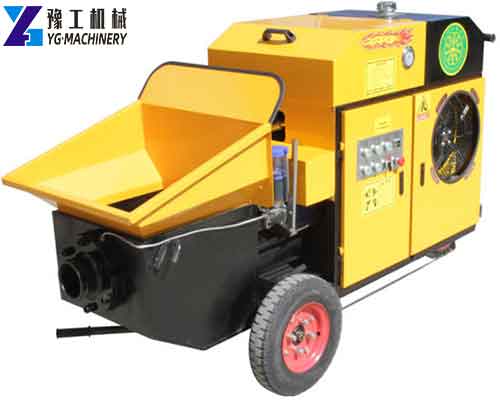
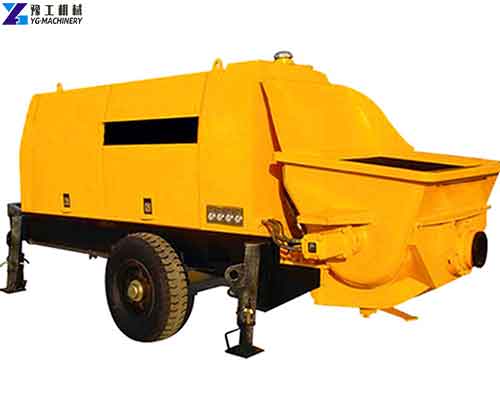
Measure the entry gate, unloading point and ground conditions before ordering. The dimensions in the table describe the machine body; unloading and moving space, hoses, bends and a safe working area still need to be planned. Check whether the floor or slab can support the delivered equipment and whether the pump can be positioned where the hopper is easy to feed.
Draw the Concrete Delivery Route
For the line route, record total horizontal length, lift height, pipe diameter, number of bends and the final placement point. A bend or a change in pipe size is not equivalent to a straight run. The quote should specify the proposed pipe and hose package rather than naming the pump alone. Keep the line accessible for inspection, controlled depressurisation and clean-out.
Confirm the Site Power Supply
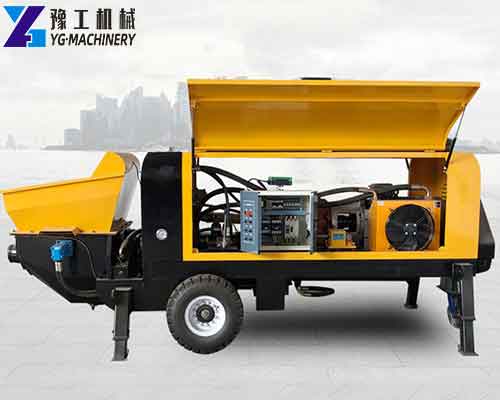
YG lists these compact models with electric motor power. The buyer should provide the site voltage, phase, frequency and available supply capacity so the offered motor and controls match the destination. If stable electricity is unavailable, ask for the appropriate diesel-driven configuration and its model-specific data instead of assuming that an electric rating also describes a diesel unit.
Match the Pump to the Pour Sequence
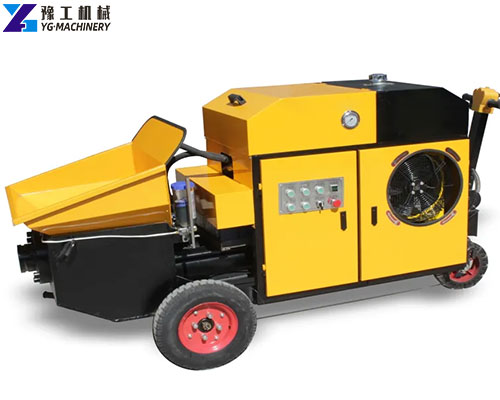
Estimate the required placed volume and the time available for each uninterrupted section of the pour. The table’s work-efficiency values are equipment figures; delivery from the mixer or truck, line setup, repositioning, stoppages and cleaning affect actual site output. Plan how the pump will be primed, who controls the discharge end and how the line will be flushed after use. The cleaning method and disposal point should be settled before the pour begins.
For a small residential foundation or a restricted repair area, a compact machine may make access easier. For a longer line or a larger continuous pour, a bigger model may be more suitable, but only after the concrete grading and route are checked against that model. Select by the job’s combined requirements, not by the highest headline volume alone.
Request a Comparable Mini Concrete Pump Quotation
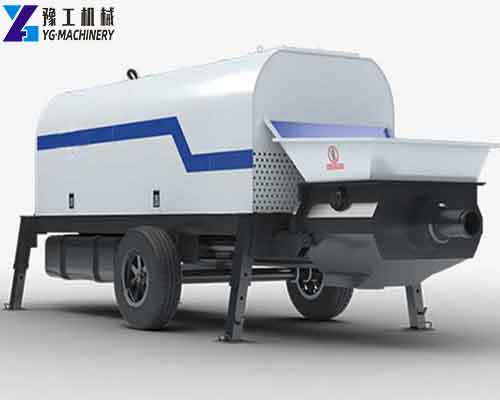
Send the proposed pour volume, concrete mix and largest aggregate, pipe-route sketch, horizontal distance, lift height, bends, destination power supply, access width and unloading method. Ask the supplier to state the exact model, motor or engine configuration, pipe/hose package, included accessories, spare parts, packing dimensions and commissioning support on the same quotation. This makes competing offers comparable and avoids receiving a pump that cannot be positioned or powered at the site.
If you already have a ready-mix source, YG can match a pump-only package to the route and material. If you must prepare concrete on site, ask about the mixer-and-pump option so the quotation reflects the whole workflow.