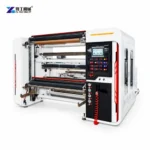
Slitting machine maintenance protects edge quality, roll tension and production availability. A useful routine follows the material path from unwind stand to web guide, knife station, tension zone, trim removal and rewind shaft. It combines safe inspection with condition records instead of replacing parts only after a roll fails inspection.
The maintenance interval depends on material, dust, speed, shift pattern and the exact YG model. Use the machine manual and the approved factory procedure for lubrication, electrical work and guarded components. The model table defines the machine envelope; maintenance limits and service steps must follow the installed configuration, operating record and machine manual.
Send the roll material, dimensions and finished-roll target for an initial review.
Start with isolation, stored-energy release and a clean inspection area. Record unusual noise, heat, vibration, dust and web marks before shutdown because those clues can disappear when the machine stops. Walk the same route every time so guards, fasteners, sensors and cable damage are not missed.
Check emergency stops, interlocks and guarding according to the site procedure. Never reach across a moving web or clean a rotating shaft. Photograph defects and identify their exact location, model and operating hours before requesting a part.
Maintain Slitting Knives and Spacers
Inspect circular knives, straight blades or razor systems for chips, deposits, corrosion and uneven wear. Edge defects, dust and width variation may come from blade condition, overlap, clearance, runout or material behavior. Keep matched spacers and knives labelled for the approved setup.
Clean components with a method compatible with the blade and processed material. Do not grind or alter a precision knife without the approved specification. After installation, verify shaft cleanliness, seating, tightening and guarded rotation before processing a representative trial roll.
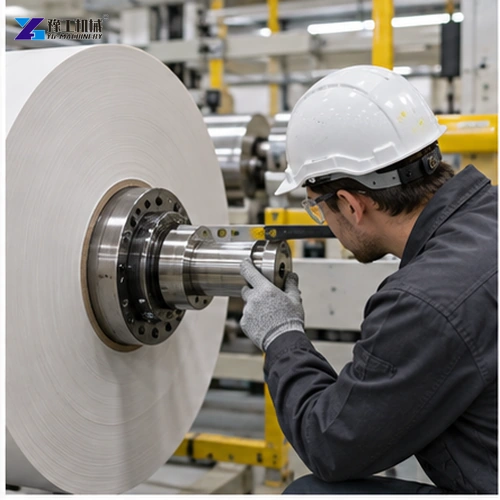
Checking unwind shaft alignment
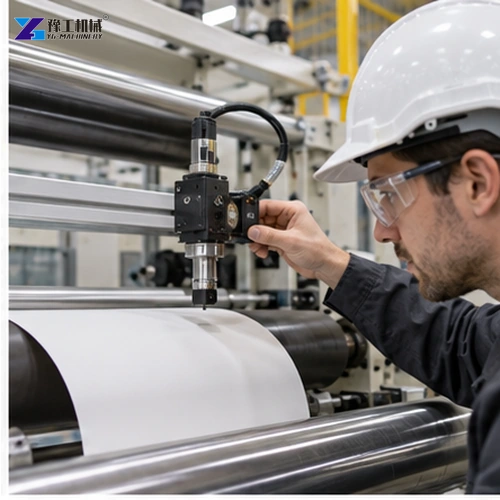
Inspecting the web guide sensor
Check Web Guiding and Tension Components
Inspect edge sensors, guide actuators, rollers, brakes, load cells and tension-control wiring. A drifting web can overload one knife edge and produce telescoped rewind rolls. Clean sensors and rollers without damaging surfaces, then compare the indicated position and tension with observed web behavior.
Bearings and drive elements should be checked for temperature, noise, lubrication condition and alignment using the manufacturer procedure. Tightening a brake or raising tension can hide a mechanical fault, so restore the source of instability before changing the approved recipe.
Check air shafts, chucks, differential elements, cores and clamping surfaces. Air leakage, damaged lugs or contaminated contact areas can create loose rolls and uneven torque. Confirm that finished-roll weight and diameter remain within the selected model and handling arrangement.
Use roll evidence as a maintenance signal. Record telescoping, starring, wrinkles, loose edges, hard bands and end-face variation by lane. Compare the defect location with knives, rollers and rewind positions rather than replacing unrelated parts.
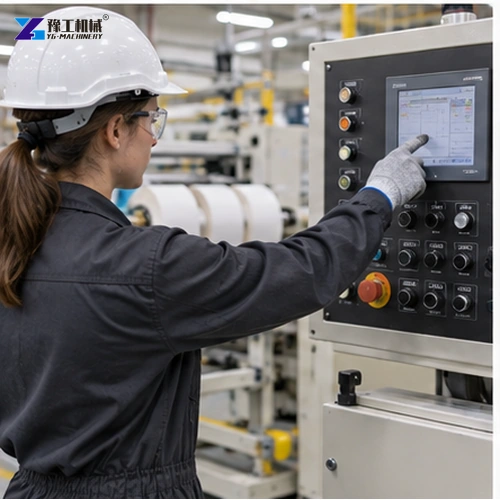
Checking the tension control panel
Servicing an approved bearing point
Set Condition-Based Maintenance Intervals
Daily checks cover cleanliness, guards, leaks, blade area and obvious damage. Longer intervals can include alignment, bearing condition, electrical cabinets, drive components and calibrated tension devices. Base frequency on observed condition, operating hours and production risk.
Keep a log of work completed, parts used, settings disturbed and trial results. Repeated replacement without cause analysis increases downtime. A trend in temperature, vibration, edge dust or rewind defects can justify planned intervention before a breakdown.
Prepare a Slitting Machine Service Inquiry
Send the YG model, serial or order reference, material, web width, speed, slit pattern, operating hours, fault history and clear photographs. Add measurements and labels for any requested component.
Ask the quotation to identify compatible parts, quantities, included fasteners, lead time and the work required after installation. Confirm every value against the installed machine and final service document.
Provide utilities, destination and required accessories for a complete quotation.