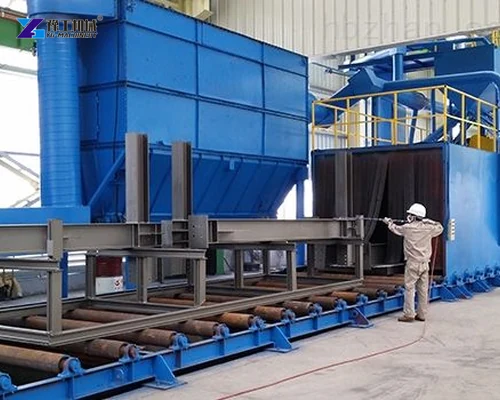
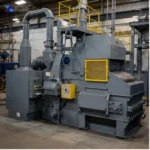
Conveyor speed affects exposure time inside the blast chamber.
A clean steel surface is produced by a combination of settings and starting conditions, not one maximum machine value. Shot blasting process parameters connect abrasive type and condition, media flow, blast-wheel condition, conveyor speed, workpiece orientation, recovery quality and dust extraction to the required cleanliness and profile.
The right recipe is specific to the machine and part family. A thick plate with mill scale, a fabricated beam with shadowed faces and a thin profile do not respond to the same exposure. Begin with a documented baseline, process representative test pieces and adjust one variable at a time while measuring the accepted result.
Define Shot Blasting Process Parameters from Acceptance
Record the incoming condition, contamination, rust or scale, steel grade and geometry before choosing settings. Define the required cleanliness, surface profile where relevant and any limits on deformation or edge damage. Use the project coating specification and approved inspection method rather than judging only by colour.
Select representative test areas that include difficult surfaces, welds and recessed sections. Keep photographs and measurements with the batch record. When acceptance depends on a comparator, tape test, dust test or profile instrument, state the method and calibration status so shot blasting process parameters can be linked to repeatable evidence.
Send the main project dimensions and material requirement for a model review.
Workpiece size and orientation affect blast coverage.
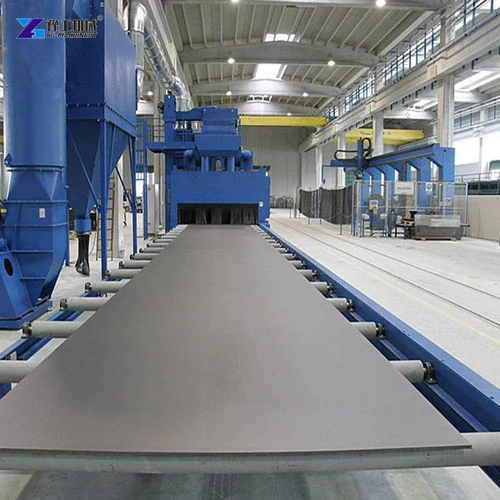
Entry seals and roller support are part of repeatable processing.
Choose Abrasive and Media Flow as Linked Parameters
Abrasive material, size distribution, shape, hardness and operating mix affect impact and profile. New media combines with rounded and broken operating media during recycling. Screen contamination and monitor fines instead of assuming that adding fresh abrasive restores the same mixture.
Media flow must be even and within the approved machine range. Too little can leave incomplete cleaning; excessive flow may overload recovery, increase wear or fail to improve the surface. Check the storage level, valve, feed path, elevator and separator before changing the wheel or conveyor setting to compensate for unstable supply.
Wheel position and handling route define reachable surfaces.
Balance Shot Blasting Process Parameters and Conveyor Speed
Conveyor speed controls exposure time, while wheel condition and media delivery determine the effective impact reaching the steel. Slowing the line can improve coverage only when the blast pattern actually reaches the target surface. Worn blades, an incorrectly positioned control cage or a wrong rotation direction can make longer exposure inefficient.
Use the machine manual for permitted wheel settings and component limits. The YG-550 floor-machine material lists abrasive up to 1.8 mm for that reference and requires directional-sleeve adjustment after wheel-component replacement; neither value should be transferred to different shot blasting process parameters without confirmation.
Parameter
What to record
Result to inspect
Incoming steel
Scale, rust, coating, shape and contamination
Starting-condition variation
Abrasive
Type, size, operating mix and contamination
Cleaning action and surface profile
Media flow
Stable approved setting and hopper condition
Coverage consistency and circuit load
Blast wheel
Rotation, wear, pattern and maintenance state
Impact zone and vibration
Conveyor
Speed, support and part spacing
Exposure and repeatability
Orientation
Faces presented and shadowed zones
Complete required coverage
Recovery and dust
Separator, fines, filters and leakage
Stable media quality and visibility
Acceptance
Cleanliness and profile method
Pass, fail and defect location
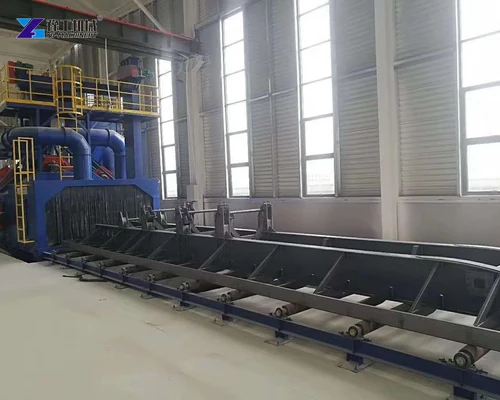
Stable support keeps long profiles aligned through the blast zone.
Separation quality controls the abrasive returned to the wheel.
Control Coverage, Orientation and Shadowing
Position steel so all required faces remain inside the effective blast zones. Closely stacked sections, deep channels and overlapping plates create shadows. Roller spacing and support must prevent movement that changes orientation. If one pass cannot reach the geometry, revise handling, wheel arrangement or machine type rather than increasing intensity blindly.
Map recurring defects by location on the workpiece. A consistent missed strip suggests pattern or orientation; random contamination may point to unstable media or incoming material; changes through a shift may indicate wear or recovery drift. This defect map makes parameter changes more precise than changing several controls together.
Keep Recovery and Dust Collection Stable
Recovered abrasive passes through collection, elevation, separation and storage before reuse. Inspect screens, buckets, belts, valves and waste discharge. Poor separation returns dust and fines to the wheel, changes the operating mix and can reduce the stability of the accepted profile.
Dust extraction supports visibility, sealing and media quality. Monitor the collector condition, filters, duct restrictions and leakage according to its manual. Do not raise blast intensity to overcome a surface change caused by contaminated media or weak extraction. Restore the closed-loop system before judging the recipe.
Share the intended equipment scope so YG can check the configuration and included accessories.
Record one approved recipe for each recurring workpiece family.
Record and Validate Shot Blasting Process Parameters
Create a recipe sheet for each recurring workpiece family. Record abrasive identification, operating mix check, media-flow setting, conveyor speed, wheel condition, orientation, passes, collector status and inspection result. Add the date, operator and relevant maintenance event so a changed result can be traced.
After maintenance or a media change, process a controlled test piece before full production. Adjust one variable, inspect the complete surface and retain the accepted record. This method turns shot blasting process parameters into a reproducible cleaning plan rather than a set of disconnected machine numbers.
Provide the final site and delivery details when you are ready for a complete quotation.