
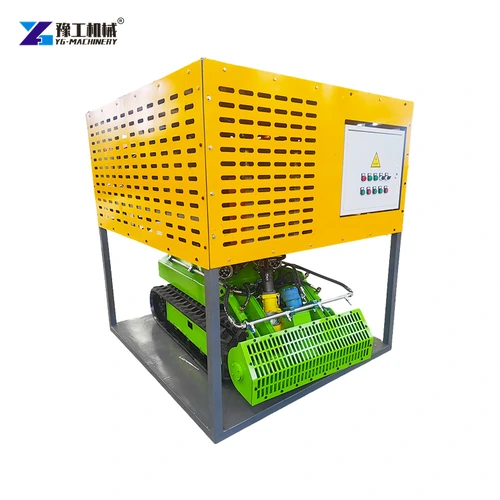
A dredging robot is only the pickup stage of a sludge-handling line: the head gathers material, the pump moves slurry through a hose, and downstream equipment separates or contains solids. A workable purchase matches the material and route to both the robot and the receiving dewatering process.
Related product information: underwater dredging robot and hydraulic dredge pump.
How Do the Dredging Robot, Hose and Dewatering Stages Connect?
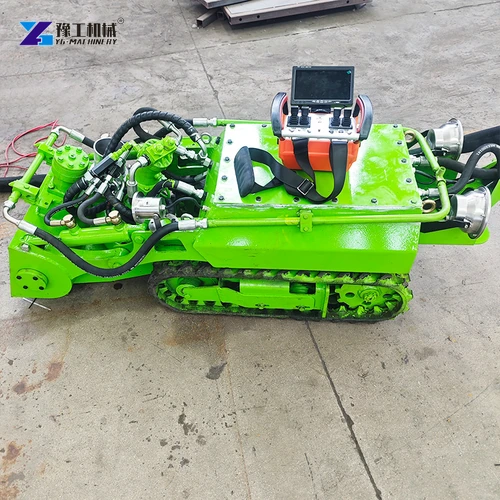
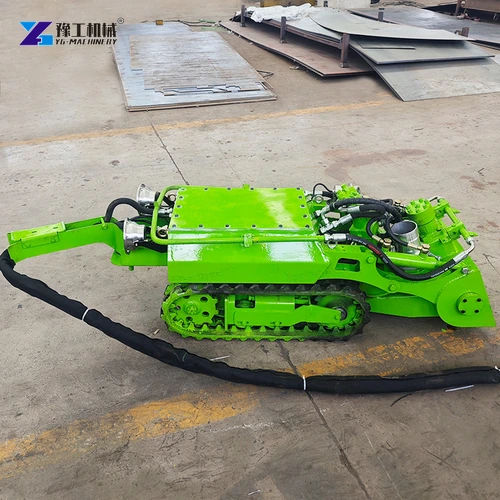
A dredging robot works at the basin or channel floor, where its head gathers or loosens sediment for pumping. The hose carries the resulting slurry to a receiving point, and the dewatering stage separates solids from water according to the selected process. Each stage has a different duty, so a robot’s ability to move through a basin does not by itself prove that the full discharge route can handle the material.
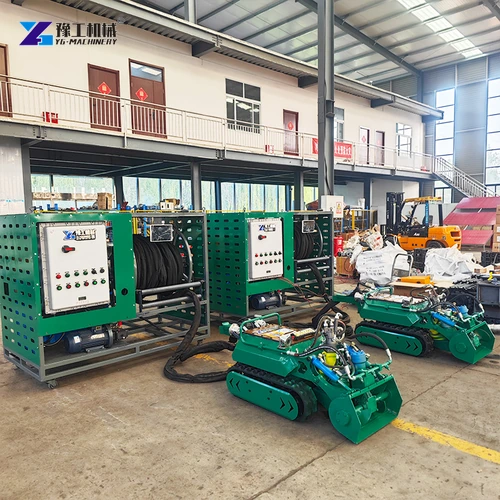
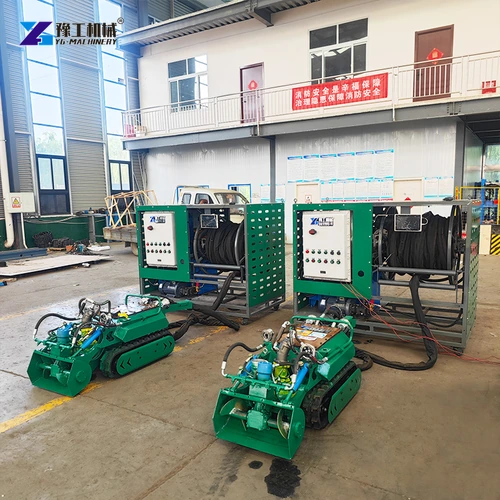
A complete configuration identifies the robot and working head, pump, hose and couplings, controls, retrieval or handling method, and the receiving equipment. Some projects supply tanks, geotextile bags, screens or power locally; list those interfaces explicitly instead of assuming they are part of the robot package.
Sludge concentration, debris, route length, elevation changes and the receiving system affect the transfer chain. The design review should follow the material from pickup to accepted discharge, with a safe flush and blockage response. Water-only flow figures cannot be treated as confirmed sludge production.
Map the Discharge Route from Basin to Dewatering
Draw the robot position, hose path, horizontal distance, elevation changes, bends, crossings and final discharge point. Include the deepest basin level and the highest point on the route. A pump cannot be selected from straight-line distance alone.
Identify where operators can inspect couplings and where the hose needs support or protection. Keep vehicle routes and sharp edges away from the line, and provide controlled access for depressurization and flushing.
Survey the route rather than measuring only its plan distance. Record bends, changes in elevation, crossings, shoreline transitions and the point where the hose enters the receiving process. These features affect support, inspection access and the planned pumping duty.
Share the hose route, elevation changes, bends, slurry description and receiving point; together these determine the transfer duty and the interfaces needed at the dewatering stage.
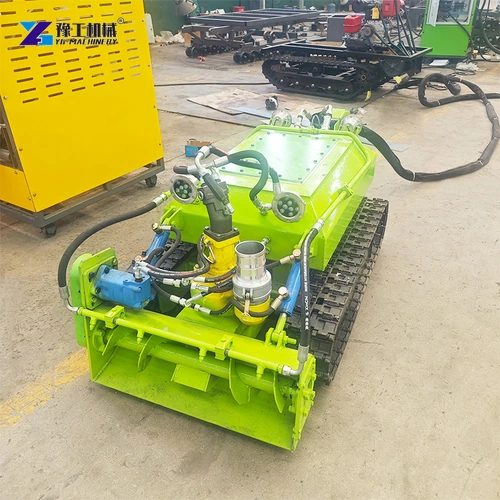
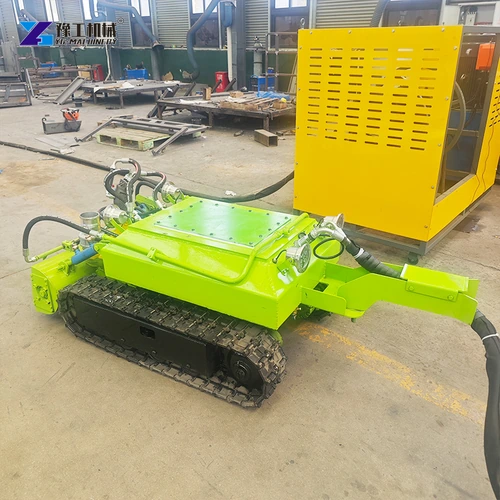
Describe Sludge Solids and Debris
Provide sludge depth, density, particle range, fibres, rags, grit and any chemical or biological hazards. The pump, intake and hose must pass the real material without relying on water-only performance.
Large debris may require removal or screening before pumping. Contaminated material needs an approved containment and disposal plan; the robot does not determine environmental classification.
Describe whether the material contains fibres, rags, grit, shells or other debris, and note how its condition changes across the basin. An intake or pump arrangement suited to fine silt may need a different debris-control plan for mixed sediment.
Choose Hose Diameter, Couplings and Support
Hose diameter affects velocity, friction and blockage risk. Confirm it with pump duty and solids size rather than selecting the easiest hose to handle. List every coupling, reducer, valve and support point.
Plan bend radius, abrasion protection, restraint and lifting method. A full hose is heavy, and a pressurized line stores energy. Couplings must remain accessible for inspection without placing workers in a release path.
Hose pressure rating, solids size, couplings, bends and restraint determine whether the dredging line can carry slurry along the planned route. Keep joints accessible for inspection, and isolate and depressurize the line before clearing a blockage.
For hose and pump selection, provide the solids size and concentration, route length, elevation, bend count, discharge point and existing coupling standard. These conditions shape hose diameter, pressure allowance and the connection to the dewatering stage.
Match Dewatering to the Discharge
Define whether slurry enters a settling tank, geotextile bag, screen, filter press or another approved process. Record allowable flow, solids loading, filtrate route and available footprint.
Dewatering capacity must accept the variable feed from dredging. If the receiving system pauses, the robot and pump need a safe stop, flush or recirculation method rather than continuing into a blocked line.
Size the receiving stage around the slurry it can accept, the solids it must retain and where the separated water may go. Clarify settling, filtration or bag handling responsibilities and plan what the robot does when downstream equipment pauses.
Prepare a Complete Robot System Quote
Send basin drawings, access, sludge data, hose route, elevation, discharge equipment, utilities, operating window and destination. Request the robot, head, pump, hose, couplings, controls, lighting, retrieval equipment, wear parts and packing separately.
A complete review connects material pickup, transport and dewatering. It avoids buying a robot that can move sludge inside the basin but cannot deliver it to an accepted disposal stream.
Ask the quote to show one continuous boundary from basin pickup to accepted discharge. Itemize robot, pump, hose, couplings, controls, retrieval gear, dewatering equipment, utilities, spares and commissioning so interface gaps are visible before purchase.
For a dredging robot and dewatering quotation, include the basin drawing, sludge description, hose route and elevation, discharge destination, required dewatering stage, available utilities and delivery point. The offer should show which hoses, couplings and solids-handling equipment are included.
Commission the Complete Sludge Transfer Chain
Commission with water first where the approved procedure allows, checking direction, leaks, controls, communication and emergency stop. Introduce representative sludge gradually and watch suction condition, discharge stability, hose movement and receiving-system response. Stop before a blockage becomes a pressurized maintenance problem.
Define flushing water volume and where it will go. The hose, pump and dewatering equipment may retain contaminated material after production, so shutdown must include isolation, depressurization, drainage and cleaning under the site plan. The quotation should identify required flush connections and valves.
Measure operating evidence that matters to the buyer: basin coverage, stable transfer, interruptions, solids capture and labour needed for hose handling. Do not present a water-flow figure as accepted sludge output. Material properties and the downstream process control the usable rate.
Keep a commissioning record with robot setup, head, pump, hose, route, elevation, sludge description, receiving equipment and observed limits. That record supports later wear-part planning and helps distinguish a robot issue from a blocked hose or undersized dewatering stage.
Compare quotations on a single system boundary from sludge pickup to accepted discharge. Clarify which party supplies the dewatering unit, water, power, lifting equipment, containment and waste handling. Missing interfaces often cost more than a visible difference in robot price.
Train the crew on launch, retrieval, hose restraint, blockage response, isolation and cleaning. Keep contact details and spare parts for the pump, hose couplings, working head and controls together because downtime can begin at any point in the transfer chain.
Dredging Robot Hose and Dewatering System FAQ
The robot collects material, the pump and hose transport slurry, and the receiving stage must accept the variable flow and solids. A mismatch downstream can stop an otherwise suitable robot from completing the job.
No. Solids concentration, particle size, debris, elevation, hose bends and the dewatering process change the usable rate. Treat clean-water figures as component data, not a promise of accepted sludge production.
Send basin depth and access, sludge description, hose route and elevation, discharge destination, available utilities and operating window. Ask the quotation to itemize the robot, head, pump, hose, couplings, controls, retrieval method and dewatering equipment.