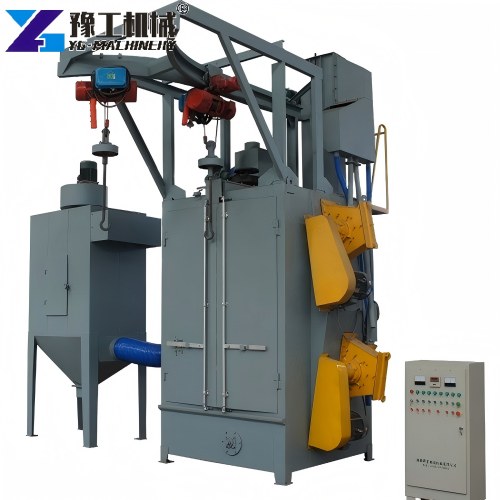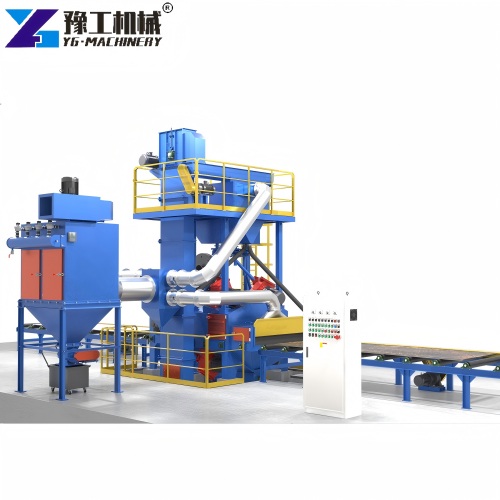


The choice between shot peening vs shot blasting starts with the result the part must achieve. Shot blasting is normally purchased to remove rust, mill scale, coating or foundry residue and to create a clean, suitably textured surface. Shot peening uses repeated controlled impacts to place compressive stress into a defined surface so a fatigue-critical component can resist crack initiation. Similar-looking media and cabinets do not make these objectives interchangeable.
That distinction changes the specification, trial and acceptance plan. A buyer who needs coating preparation should define cleanliness, surface profile and production rate. A buyer responsible for peening a spring, gear or aerospace component needs an engineering requirement for intensity, coverage, media condition and process control. This guide identifies the questions that should be resolved before equipment quotations are compared.
Are You Buying Surface Cleaning Or Fatigue Strengthening?
For surface cleaning, describe the incoming contamination and the downstream process. A steel fabrication carrying mill scale before painting presents a different task from a casting with adhered sand or a floor with an old coating. The chosen blast arrangement must expose the required faces, recover abrasive and produce a repeatable finish without damaging edges or masking areas that should remain untreated.
For fatigue strengthening, the drawing or approved process specification must identify the part area and required result. Peening is not proven because a surface looks uniformly matte. Coverage and intensity are separate concepts, and the process owner must define how each is verified. Parts with holes, roots, fillets or protected surfaces may need dedicated tooling, masking and nozzle access.
The practical shot peening vs shot blasting decision is therefore a purpose decision. If the purchasing document says only “blast the part,” suppliers may propose unlike machines and unlike acceptance methods. State whether the operation removes material from a surface, prepares it for another process, or deliberately changes its residual-stress condition.
Send the part drawing, incoming surface and required result. YG can review whether a standard cleaning system is the correct starting point or whether the requirement needs a separately qualified peening process.


How Do Media And Impact Controls Differ?
Both processes depend on impact energy, but they control it for different reasons. In shot blasting, media type, wheel speed, flow, exposure time and part handling influence removal rate and surface profile. The operating window should deliver the accepted cleaning result while avoiding excessive roughness, part damage or unnecessary abrasive consumption.
Peening focuses more directly on the intensity and coverage delivered to the specified area. Media size, hardness, shape and breakdown matter because changes in the impact stream can alter the treatment. A machine must also control exposure and part presentation closely enough for the approved process to be reproduced. Replacing media or changing a nozzle without reviewing the qualified setup can invalidate the result even when the surface still appears consistent.
What Must Be Controlled For A Cleaning Process?
Start with representative workpieces and a stated visual or measured acceptance condition. Record media, blast settings, conveyor or handling speed, orientation and cycle time. For coating work, measure the profile using the method required by the coating specification. The steel shot blaster process guide explains why line speed and abrasive condition must be considered together rather than adjusted independently.
What Must Be Qualified For A Peening Process?
The responsible engineering specification should define the verification method, including intensity and coverage requirements where applicable. It should also identify media controls, inspection frequency, masking, fixture orientation and corrective action. YG does not infer a peening requirement from a photograph or substitute a general cleaning trial for this qualification. That boundary is essential in any shot peening vs shot blasting comparison.
Which YG Shot Blasting Parameters Define The Cleaning Side?
The published YG roller-conveyor range below illustrates the parameters used to frame a continuous cleaning application. These figures support preliminary comparison of industrial shot blasting equipment; they do not establish a peening qualification and they do not promise finished throughput for every workpiece.
| Published Parameter | YG-698 | YG-6915 | YG-6925 | YG-6940 |
| Effective Cleaning Width | 800 mm | 1500 mm | 2500 mm | 4000 mm |
| Feed Opening | 1000 × 400 mm | 1700 × 400 mm | 2700 × 800 mm | 4200 × 400 mm |
| Listed Workpiece Length | 1200–12000 mm | 1200–12000 mm | 3000–12000 mm | 4500–18000 mm |
| Conveyor Speed | 0.5–4 m/min | 0.5–4 m/min | 0.5–4 m/min | 0.5–4 m/min |
| Steel Sheet Thickness | 3–60 mm | 1.5–60 mm | 3–110 mm | 4.5–100 mm |
| Section Steel Size | 800 × 300 mm | 1500 × 300 mm | 2500 × 700 mm | 4000 × 300 mm |
| Shot Blasting Amount | 4 × 180 kg/min | 4 × 250 kg/min | 6 × 250 kg/min | 8 × 360 kg/min |
| Initial Shot Charge | 4000 kg | 4000 kg | 4500 kg | 11000 kg |
| Roll Brush Adjustment Height | 200 mm | 350 mm | 600 mm | 900 mm |
| Total Power | 90 kW | 113.5 kW | 204.8 kW | 293.6 kW |
| Air Volume | 22000 m³/h | 19000 m³/h | 27758 m³/h | 38000 m³/h |
Width and opening size establish an equipment envelope, not automatic suitability. Confirm the complete part section, supports and clearance through the line. Conveyor speed is an adjustable process parameter, not a guaranteed production rate. Shot flow is circulating media, not a forecast of consumption. Total power and air volume also need to be checked against the final supplied configuration and site services.
If the part cannot travel through a roller line, a hanger type shot blasting machine may provide a more suitable handling route. The point is to select the cleaning method around part geometry and exposure before comparing motor power. A peening application would require an additional set of process-specific controls beyond this cleaning table.
Provide the workpiece envelope, material route and accepted finish so the relevant YG cleaning models can be shortlisted against the actual duty.
COMPARE SUITABLE BLASTING MODELS


What Should The Acceptance Trial Prove?
A shot blasting trial should use representative contamination and the difficult geometry that appears in production. Inspect the required faces, recesses, edges and areas shadowed by supports. Record the settings that produced the accepted sample and time the complete handling cycle. Cleaning rate matters only when loading, repositioning, unloading and inspection are included.
A peening trial has a different burden of proof. It must follow the applicable engineering requirement and demonstrate that the process delivers the specified treatment across the defined area. The quality plan should identify test pieces, verification equipment, calibration and production checks. If those requirements are not available, the equipment supplier cannot responsibly create them from a general machine request.
When discussing shot peening vs shot blasting with multiple suppliers, ask each one to state the proposed acceptance evidence. One may quote a cleaning appearance, another a measured profile, and another an intensity-controlled treatment. Those are not equivalent promises. A comparable quotation uses the same part, objective and verification plan.
What Operating Costs Belong In The Comparison?
Capital price is only one boundary. For blasting, include abrasive loss, electrical demand, dust collection, wear parts, maintenance access, handling labor and disposal of removed contamination. Recovery and separation condition influence both media quality and consumption. A low purchase price can be offset by poor access or a handling route that requires repeated manual work.
For peening, add the cost of process verification, media monitoring, calibration, masking and controlled documentation. These activities are not optional overhead when the part specification requires them. Production changes may require review or requalification, so mixed part families should be identified before the machine and control scope are frozen.
The correct shot peening vs shot blasting comparison therefore uses cost per accepted part. Define what makes a part acceptable, then calculate the machine time, handling, utilities, consumables and quality work needed to achieve it. Do not use one generic hourly cost for two different technical outcomes.


What Information Should Be Sent For A Reliable Proposal?
Prepare one package containing part drawings, material, maximum dimensions and weight, incoming condition, protected areas, required result, production mix and shift target. Add photographs that show the normal contamination and difficult features. For a cleaning project, include the downstream coating or manufacturing requirement. For peening, include the governing technical specification and responsible approval route.
Also provide site voltage, frequency, available space, handling equipment, installation access and dust-control constraints. Identify whether the part arrives individually, on a hanger, in a batch or through a production line. This information allows the quotation to separate the machine, process accessories, site work, commissioning and acceptance support.
Once these boundaries are clear, YG can respond to the cleaning portion with an appropriate equipment route and explain any requirement that lies outside a standard blast-cleaning scope.
Shot Peening vs Shot Blasting Buyer FAQ
Only if its controls, handling and verification satisfy both approved process requirements. Similar media delivery does not make the outcomes interchangeable.
No. Appearance does not establish the specified intensity or coverage. Use the verification method required by the responsible engineering specification.
No. Exposure, media, handling, workpiece geometry and the accepted finish all affect practical cycle time and rework risk.
Shot blasting is commonly evaluated for cleaning and profile preparation before coating, subject to the coating specification and material condition.
Define whether the part needs contaminant removal and surface preparation or a qualified fatigue-strengthening treatment, then specify the evidence required.
The final shot peening vs shot blasting choice must remain tied to the part drawing and its acceptance standard. Cleaning equipment can be compared through workpiece envelope, exposure, recovery and finish. Peening equipment must additionally satisfy the controlled treatment and verification demanded by the engineering process. Clear objectives prevent an inexpensive but unsuitable machine from becoming a costly production problem.