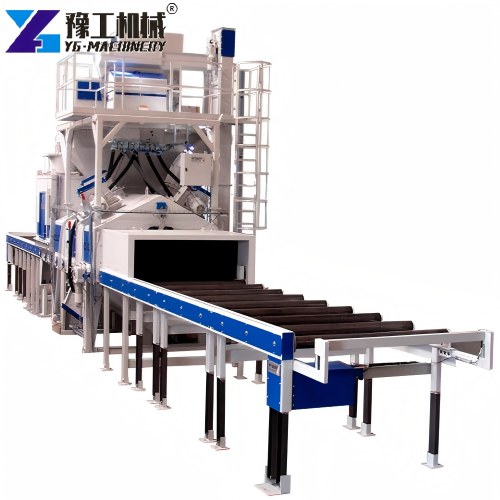

A shot blasting machine price is meaningful only when the offer describes the same cleaning job. A compact batch machine and an automated production line may both remove scale, yet serve very different part sizes, handling arrangements and output requirements. Comparing their starting prices without these conditions can reward the quotation that leaves the most work outside its scope.
YG provides configuration-specific offers rather than an unverified universal price range on this page. The approach below helps you compare purchase scope and operating cost together. It uses documented YG hanger-machine parameters as a reference, then separates equipment, installation, consumables and acceptance conditions. The practical target is the cost of producing an acceptable cleaned part, not simply the lowest machine invoice.
Are The Offers Pricing The Same Cleaning Result?
Start with representative workpieces: material, dimensions, weight, incoming rust or scale, fragile areas and the surfaces that must be treated. Include difficult recesses and the largest normal part, not only an easy sample. State the required finish and how it will be checked. A visually bright surface is not automatically equivalent to the preparation needed by the next coating or manufacturing operation.
Also define the production pattern. Mixed batches with variable shapes can require different handling from repeated plates or sections moving through a line. Compare industrial shot blasting equipment by material route before comparing costs. A machine that processes an unsuitable route cheaply is not a lower-cost solution when parts need repeated repositioning or additional manual treatment.
Each shot blasting machine price should therefore reference a written workpiece schedule and acceptance basis. Record loading, blasting, unloading and any finishing steps included in the quoted output. Where suppliers use different assumptions, ask them to restate their offers on the same basis before selecting the cheaper figure.


Which YG Parameters Help Define A Comparable Machine Class?
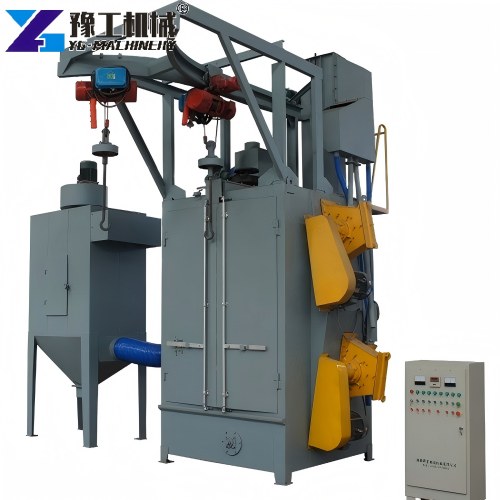
For supported batch comparison, the hanger type shot blasting machine range provides published load, workpiece-envelope and utility data. The three examples below are selected from that range. They are not three price tiers, and the rated load is not an hourly production guarantee. Confirm the proposed hanging arrangement and usable space for the actual workpiece geometry.
| Published Parameter | YG376 | YG3710 | YG3720 |
| Maximum Cleaning Load | 500 kg | 1000 kg | 2000 kg |
| Workpiece Size | 600 × 1200 mm | 1200 × 1800 mm | 1400 × 2200 mm |
| Shot Blasting Amount | 2 × 200 kg/min | 2 × 250 kg/min | 3 × 250 kg/min |
| Elevator Capacity | 24 t/h | 30 t/h | 45 t/h |
| Separator Capacity | 24 t/h | 30 t/h | 45 t/h |
| Published Power | 22.5 kW | 47.5 kW | 56.2 kW |
| Ventilation | 4000 m³/h | 5000 m³/h | 9000 m³/h |
Shot circulation is not abrasive consumption. Similarly, published power is not a measured electricity bill for your cycle, and ventilation does not by itself establish the final dust-control design. These distinctions matter when one proposal appears cheaper because its operating assumptions were calculated incorrectly. Ask for the complete electrical and extraction requirements of the offered installation.
The shot blasting machine price should identify the selected model and any departures from its standard configuration. A larger load rating may add capacity that your parts cannot use efficiently. Conversely, meeting the weight limit alone does not prove that the blast pattern can reach every required surface. Workpiece trials resolve these questions more effectively than extrapolating from the model number.
Send the workpiece schedule, required finish and shift target. YG can compare an appropriate equipment class before preparing a price against unsuitable capacity assumptions.
What Is Outside The Quoted Equipment Price?
Create one comparison sheet with equipment, site work and services separated. The blast chamber is only part of the system. Check whether handling, abrasive recovery, separation, dust collection, controls, initial media and commissioning are included. Do not assume that everything visible in a catalog photograph belongs to the basic offer.
| Cost Boundary | What The Offer Should Identify |
| Supplied Equipment | Chamber, wheels, handling, recovery, separator, extraction and controls |
| Site Preparation | Foundations, access, unloading, lifting and installation space |
| Utilities And Connections | Electrical supply, distribution, ducting and applicable service connections |
| Start-Up Support | Assembly responsibilities, commissioning, training and acceptance assistance |
| Initial Operating Items | Abrasive charge, recommended spares and service documentation |
Assign responsibility for every excluded item. Installation labor quoted by the buyer must cover the same tasks excluded by the supplier. A low shot blasting machine price can be offset by unbudgeted lifting, site modification or controls integration. Avoid counting the same work twice, but do not leave it unowned between contractors.

How Should You Compare Running Cost Per Accepted Part?
Separate Circulating Media From Consumable Loss
A recovery system returns usable abrasive to the process. The table’s circulation rate should not be multiplied by media purchase price as if every kilogram were discarded. Estimate actual replenishment from representative production evidence, including breakdown, carryout and separation losses. Different incoming scale and part geometries can change these losses, so a generic consumption claim needs a stated test basis.
Include wear components and the time required to inspect or replace them. Wheel parts, liners, seals and filters have different service roles; ask for model-specific identification and availability. An inexpensive consumable is not necessarily economical if frequent replacement interrupts the line. Keep planned service time separate from unplanned failures when comparing operating proposals.
Use Accepted Output As The Denominator
Compare electricity, labor, abrasive replenishment and maintenance over the same period, divided by accepted output in that period. Keep depreciation or financing separate unless every alternative uses the same accounting method. Measure the full working cycle, including loading and unloading, rather than counting only the time when the blast wheels operate.
For example, use a representative shift record and count parts that satisfy the agreed inspection, excluding rework until it passes. This does not require invented hourly savings. It requires consistent measurements. A higher shot blasting machine price may be justified by lower handling or rework cost, but that benefit should be demonstrated rather than assumed from automation labels.
Share your labor arrangement, electricity tariff and representative production record. YG can identify which operating assumptions need trial confirmation before you compare investment options.
REVIEW MY OPERATING COST ASSUMPTIONS


What Should A Price-Supporting Trial Demonstrate?
Run representative parts in a configuration corresponding to the offer. Record incoming condition, load arrangement, media, cycle settings and inspection results. Include the slow or awkward product in the normal mix. A single favorable sample may confirm surface appearance without demonstrating the throughput used to justify the investment.
Agree on the acceptance method before the trial. If the next process requires a particular cleanliness or profile, specify how that requirement will be verified. Also inspect edges, recessed areas and surfaces masked by the hanging arrangement. Repeated treatment or manual correction belongs in the cycle and cost comparison, not outside the calculation.
Use the resulting record to reconcile competing proposals. Ask what changes if the actual product mix differs from the tested mix, and which performance statements are conditional. This makes the shot blasting machine price accountable to a defined result without treating every catalog maximum as a simultaneous guarantee.

Which Commercial Terms Complete The Comparison?
Confirm currency, quotation validity, packing, delivery responsibilities and the destination. Distinguish freight allowances from final shipment charges and identify buyer-arranged unloading. Check what training, commissioning and documentation are included, along with the stated warranty terms and exclusions. These details can change the usable value of an otherwise similar offer.
Request one final configuration revision after the technical review. Optional handling or extraction items should be clearly separated from the essential equipment, with unresolved site requirements listed openly. The final shot blasting machine price should correspond to that revision so a later change in scope is visible rather than hidden in a revised total.
Send the agreed workpiece schedule, trial requirements and destination with your intended supply boundary. YG can prepare a current itemized offer whose equipment and service responsibilities can be compared directly.
REQUEST A COMPARABLE EQUIPMENT OFFER

Shot Blasting Cost Questions
No. Confirm the supplied configuration, commercial terms and current quotation. Similar model labels do not establish identical scope.
No. Loading, blasting, unloading, geometry and acceptance requirements determine usable production. Validate the cycle with representative workpieces.
No. Usable media circulates. Budget measured replenishment and losses, not the entire circulating quantity as fresh consumption.
Not necessarily. Compare installed scope and cost per accepted part using consistent assumptions and evidence from the required cleaning duty.
A sound purchase decision connects the cleaning result to a suitable machine, a complete supply boundary and a realistic operating record. YG can review those inputs with you. Keep the comparison tied to accepted output and explicit responsibilities, so the final investment serves the production requirement rather than only an attractive starting number.