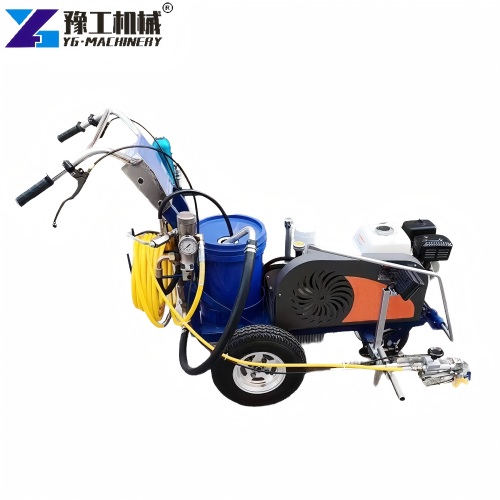

A paint order based only on road length can leave a marking crew short of material before the job is finished. The same kilometre may contain one narrow edge line, several continuous lanes or intermittent markings with large unpainted gaps. Road marking equipment must deliver the specified line geometry and film build, while the material estimate must also include actual application losses.
Begin with painted area, then calculate deposited volume and the material required to achieve it. Keep cold paint and thermoplastic calculations separate because their application methods and material data differ. The approach below helps a contractor compare machine capacity, plan refills and reconcile the finished job with the original estimate.
Count Painted Length Before Calculating Coverage
Use the marking drawing to separate continuous lines, broken lines, arrows, symbols and crossings. For each line type, multiply actual painted length by width to obtain area. A broken line’s painted length excludes its gaps. Where two parallel lines are specified, count both; measuring the road centreline once will understate the work.
For symbols, use their painted surface area rather than a surrounding rectangle. Keep different widths and colours on separate rows because they may require different setups and material batches. This schedule becomes the basis for both purchasing and inspection. Changes made on site can then be recorded against a specific item rather than disappearing inside an overall consumption figure.


A Cold Paint Calculation With Declared Assumptions
For a coating specified by wet film thickness, deposited litres equal painted area in square metres multiplied by wet film thickness in millimetres. One square metre covered to one millimetre contains one litre. If the specification gives dry film thickness, use the coating manufacturer’s volume-solids information to determine the required wet film; do not interchange the two thicknesses.
Consider an illustrative continuous line that is 1,000 metres long and 0.10 metres wide. Its area is 100 square metres. At an assumed 0.30 millimetre wet film thickness, the theoretical deposit is 30 litres. These values demonstrate the calculation only; they are not a recommended project specification or a guaranteed YG machine result.
If an illustrative measured application efficiency is 0.90, the corresponding supply requirement is 30 divided by 0.90, or approximately 33.3 litres, before separately recorded startup or cleaning losses. Multiplying by 1.10 would give a different result because a loss fraction and an added allowance are not identical definitions. State which convention the estimate uses.
| Calculation stage | Method | Illustrative result |
| Painted area | 1,000 m × 0.10 m | 100 m² |
| Deposited wet volume | 100 m² × 0.30 mm | 30 L |
| Supply at assumed 90% efficiency | 30 L ÷ 0.90 | About 33.3 L |
| Convert to mass if needed | Supply litres × actual paint density | Requires coating data |
Send the line schedule and coating specification. YG can compare the required application rate with the proposed machine setup.

Machine Flow Must Support The Required Film
The cold paint road marking machine must supply the gun at the chosen line width, thickness and travel speed. For continuous marking, deposited flow in litres per minute equals width in metres multiplied by speed in metres per minute and wet thickness in millimetres. Add the actual application losses when comparing pump delivery with deposited flow.
At the same thickness, increasing width or speed increases the required delivery. A second gun adds demand when both guns work together. A pump’s published flow and maximum pressure do not prove that both values are available simultaneously with every paint and nozzle. Confirm the operating point using the intended coating and gun configuration.

Published YG Cold Paint Model Comparison
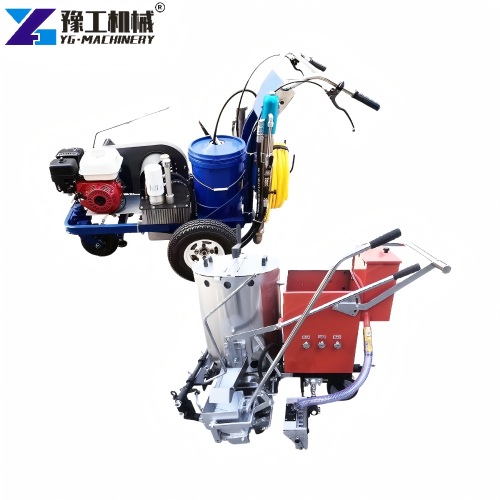
The current YG product range lists the following reference data. The pressure figures are equipment maxima, not instructions to spray at maximum pressure. Select settings from the coating, nozzle and machine requirements, and verify the resulting line. Weight and gun arrangement also affect manoeuvring, transport and the work sequence around symbols or tight parking layouts.
| Parameter | YG-6L Single Gun | YG-8L Double Gun |
| Published flow | 6 L/min | 8 L/min |
| Maximum output pressure | 25 MPa | 30 MPa |
| Engine power | 4.3 hp | 7 hp |
| Maximum spray width | 20 cm | 45 cm |
| Machine weight | 72 kg | 128 kg |
A higher published flow can support a different work pattern, but it does not reduce litres required by the same accepted line. The commercial comparison should include usable speed, refill frequency, labour and rework. The road line marking machine range provides the broader cold paint and thermoplastic options when the project specification permits a choice.
Provide the required width, film thickness and planned speed so YG can review single-gun or double-gun capacity for the job.

Separate Film Requirements From Avoidable Losses
Material Needed By The Specification
The coating data sheet and contract define the accepted material and application. Surface texture can make field coverage differ from a smooth theoretical area. Colour changes, symbols and multiple passes also alter the operating plan. Record these requirements explicitly so an estimate does not label necessary deposited material as waste.
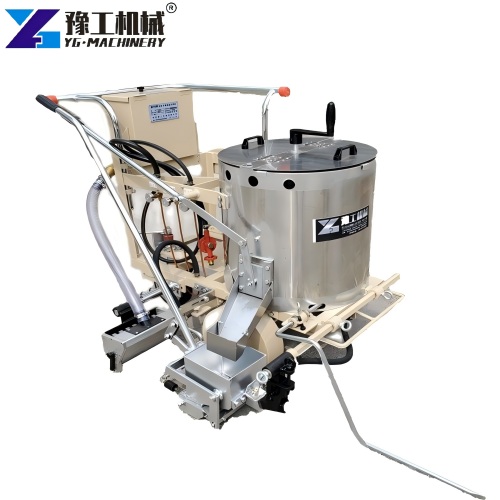
Thermoplastic should be calculated from its specified deposited thickness, area and material density using the manufacturer’s data. Do not use a cold-paint volume-solids correction without justification. Glass beads, primer and other specified materials require their own quantities. Keeping these items separate makes a thermoplastic quotation and a cold-paint quotation comparable on the actual scope.
Losses Created During Application
Overspray, starts and stops, flushing, material left in the system and rejected lines increase supplied quantity without increasing accepted area. Their importance varies with the work pattern: frequent short lines behave differently from a long uninterrupted run. Record fixed setup losses separately from losses proportional to painted area.
Poor edges or inconsistent thickness should trigger investigation of nozzle condition, pressure, speed, gun height and material preparation. An arbitrary large waste allowance can conceal a correctable setup problem. Establish a representative trial and retain its conditions before using the measured consumption to price subsequent work.

Use A Test Strip To Establish Actual Consumption
Choose a test area with a representative surface and run the planned line width, coating and operating speed. Measure material before and after with a suitable repeatable method. Record painted length, width, film measurement, number of guns, pauses and any rejected section. If startup losses are included, identify them so they are not multiplied as though they occur every metre.
Calculate supplied litres per accepted square metre and compare it with the theoretical deposit. A discrepancy needs explanation: the actual thickness may differ, the surface may be rougher or the run may contain more stops. Repeat after correcting the identified variable. The aim is a usable field rate linked to an accepted finish, rather than the lowest possible consumption number.
Share the test-strip measurements and material used. YG can help relate the result to machine settings and the planned work pattern.

Turn The Estimate Into A Refill And Cost Plan
Divide the usable material per refill by the measured consumption rate to estimate the marking distance between refills. Use usable quantity rather than nominal container capacity if material must remain in the system. Include the time needed to reach the supply point, change colour or clean the equipment; these interruptions affect labour cost even when paint consumption is stable.
At handover, reconcile material issued, returned stock, cleaning loss and accepted painted area. Keep rework separate so future bids reflect the reason it occurred. A useful job record links the consumption figure with surface, coating, width, thickness and machine setup. That record is more reliable than transferring one litres-per-kilometre figure to every future project.
Send the accepted coverage rate and daily line schedule for a machine and refill plan matched to your contract.
Paint Consumption Questions
Choose road marking equipment from the application rate the specification requires, then build the purchasing quantity from a measured coverage record. Send the marking drawing, coating data and trial results with your inquiry so the machine scope and material assumptions can be reviewed together.
Not necessarily. The specified width and film determine deposited volume. Higher usable flow may permit more speed or simultaneous guns at that same film.
No. Obtain the wet film requirement from the coating’s volume-solids data and application instructions before calculating supplied liquid volume.
No. Calculate bead demand separately using the required application rate and painted area, then plan its replenishment alongside the coating.
They need the same measurement basis and documented surface, coating, width, thickness, accepted area and treatment of startup losses and rework.