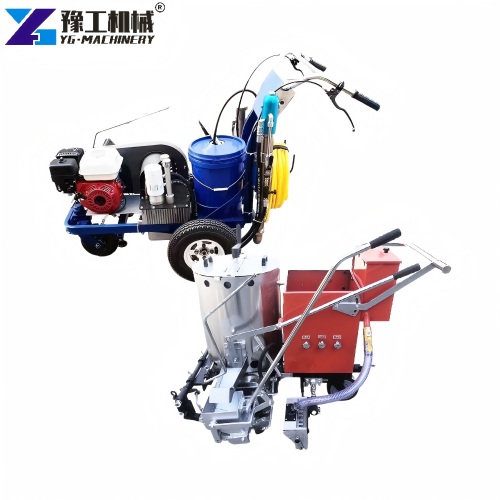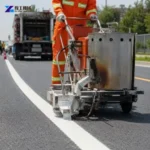
When you search for a road marking machine for sale, the first decision is not horsepower or headline price. It is the marking system your work requires. Cold-paint machines spray compatible liquid paint; thermoplastic equipment heats and applies solid marking material. They serve different materials and preparation sequences, so buying the wrong type can leave the crew with a machine that cannot apply the specified road marking at all.
Start with the project specification, the surfaces to be marked and the expected work pattern. The YG road line marking machine range shows the available product family; the cold-paint road marking machine and thermoplastic road marking equipment pages help separate the two process types. This guide turns that distinction into a practical purchase checklist.
Choose cold paint or thermoplastic before comparing road marking machines
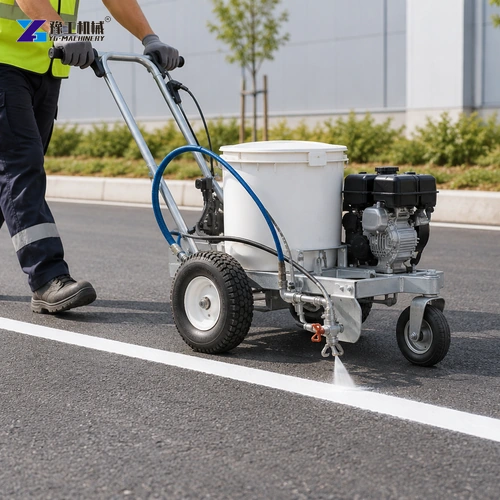
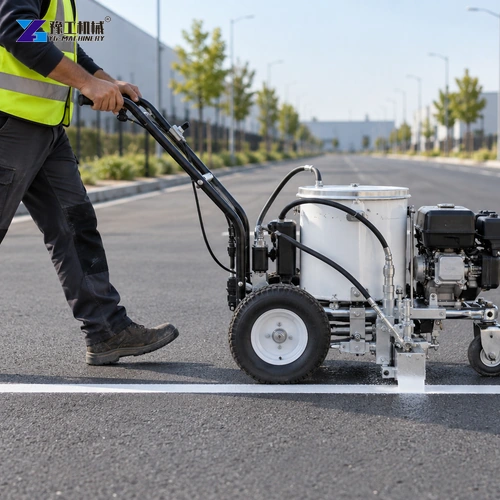
Cold-paint equipment is designed around liquid paint, a pump and spray gun. It is often the relevant starting point for repainting, access roads, parking areas and other line jobs where the specified coating is a compatible cold-applied paint. The buyer must still match the paint formulation, nozzle, line width and surface preparation; the word “cold” does not mean every paint can be sprayed through every machine.
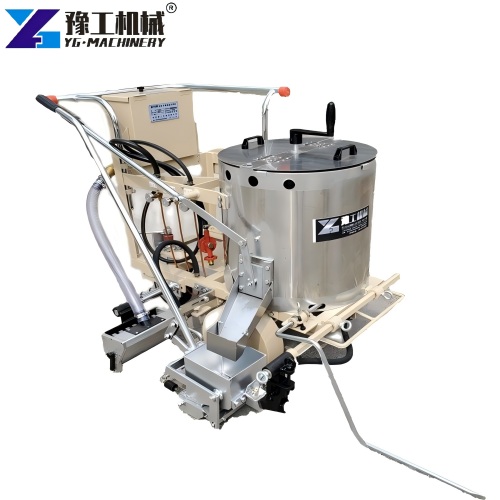
Thermoplastic marking uses a different process. The solid material is heated to its working condition, then applied through the specified shoe, screed or marking arrangement. That work needs the appropriate heating and material-handling package as well as the applicator. The crew also has to plan heat-up, replenishment, application sequence and the work-zone controls required by the project. A cold-paint sprayer cannot perform this process simply by changing its nozzle.
Before asking for a quote, copy the required material and application method from the job specification. If either is unclear, resolve it with the project owner before choosing equipment. Then provide the supplier with:
- The specified marking material and application process
- Line types and required widths, including symbols or special markings
- Expected daily workload and available work windows
- Pavement type, condition and relevant site-access limits
These inputs establish the equipment family; only after that should you compare machine size, power and package details.
Send the material specification and line schedule so the right marking system can be identified before comparing equipment.
CHECK THE MARKING SYSTEM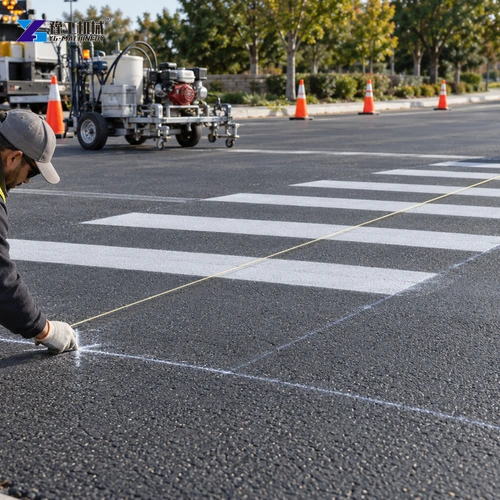
Match the road marking machine to line geometry and daily workload
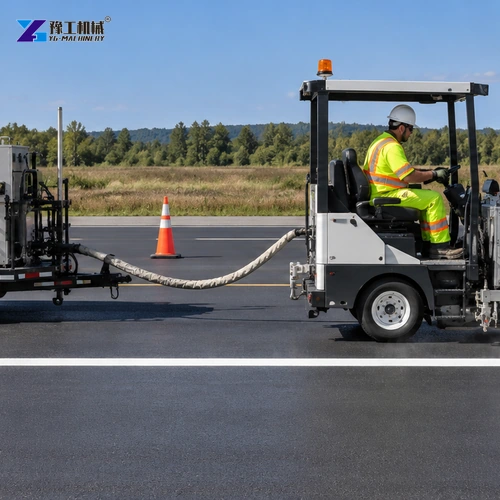
The same road may contain long straight edge lines, short stop lines, crosswalks, arrows and repeated starts at intersections. Those tasks place different demands on the crew. Long runs reward stable tracking and a consistent application rate; short segments require clean starts and stops; symbols may need templates, hand application or a separate marking process. Estimate each task separately instead of turning the total road length into one assumed machine output.
Measure the line widths and identify where the machine can travel continuously. Note lane closures, traffic access windows, turnarounds, grades, curbs and obstacles. A ride-on or larger machine may reduce operator effort on long open runs, but it can be harder to mobilize or position at tight junctions. A walk-behind machine may provide more flexibility on short or restricted sections but require more operator time over a large network. Choose from the full work sequence, not one isolated productivity claim.
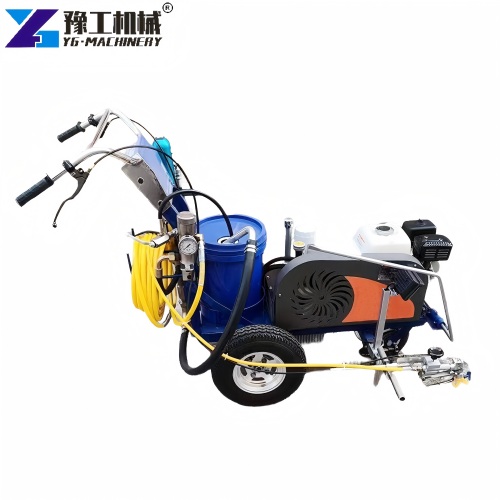
For liquid paint, the YG-8S is a single-gun cold-paint configuration. It gives a concrete reference for the pump, spray width and handling dimensions shown below. It should not be treated as a thermoplastic model or as a multi-gun production line. If the project needs another material or multiple simultaneous lines, ask for that separate machine configuration rather than extrapolating from this example.
YG-8S cold-paint road marking machine specifications
These values describe the published YG-8S cold-paint configuration. The pressure, flow, spray width and single-gun layout should be considered together with the selected paint and the line specification; none alone guarantees a particular number of kilometers per shift.
| Parameter | YG-8S |
| Product model | YG-8S (single-gun cold-paint configuration) |
| Engine | 5.5 hp Honda gasoline engine |
| Plunger pump | Electronic reversing |
| Spray gun | Single gun |
| Work mode | Hydraulic |
| Pressure | 8–12 MPa |
| Unloading flow | 4.8 L/min |
| Spray width | 100–300 mm |
| Spray thickness | 0.2–0.4 mm |
| Dimensions | 1600 × 800 × 1200 mm |
| Weight | 120 kg |
Use spray width as a screening range, then match the setup to the required line and test the result. The single gun lays one spray path at a time, so it is not equivalent to a multi-gun truck-mounted system. Before purchase, also confirm the paint compatibility, included hose and gun, cleaning procedure, power source and any traffic-control equipment that is outside the machine package.
Share the required line width, cold-paint product and daily work pattern to check whether the YG-8S configuration fits.
REVIEW THE COLD-PAINT SETUP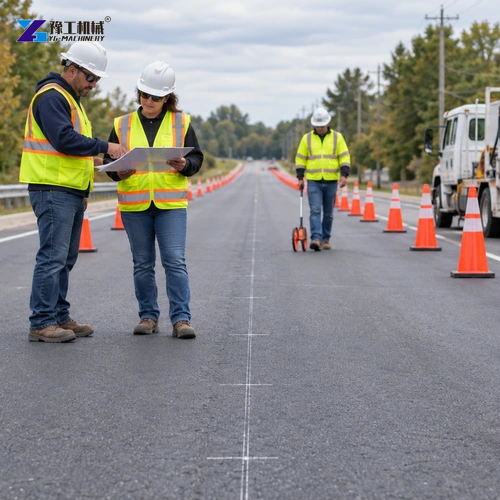
Test surface preparation and line quality before committing to a full shift
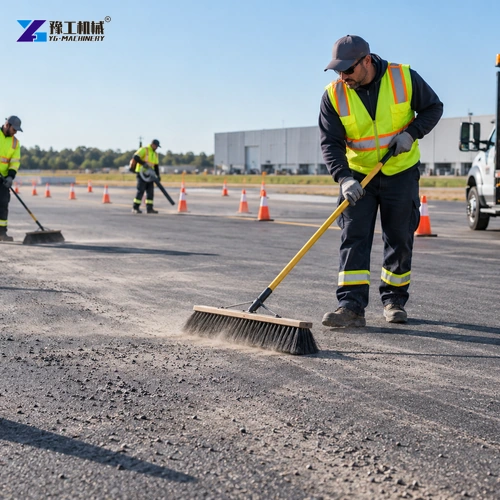
Prepare a representative test area on the same kind of pavement expected on the job. Remove loose dust and debris, identify oil or moisture, and check old coatings and patched areas. Follow the paint supplier’s preparation requirements; spraying over a contaminated or unsuitable surface can cause poor adhesion or a visibly inconsistent line even when the machine is operating normally.
Apply a short trial using the selected paint and planned nozzle arrangement. Measure the line at several points, including after a restart and around a turn. Inspect width, edge definition, coverage and the appearance of the cured marking against the project acceptance criteria. If the result varies, change one factor at a time—surface condition, nozzle, pressure within the machine’s permitted range, travel pace or guide alignment—so the crew can identify the cause rather than guessing.
For thermoplastic work, the trial must use the correct heated material and application tool. Check that the heating and feeding sequence produces material in the condition required for application, and assess the line using the specified acceptance method. Do not use a cold-paint trial to approve a thermoplastic package or assume that the same crew routine works for both systems.
Provide pavement photos and a representative line specification to plan a useful marking test before mobilization.
PLAN A LINE-QUALITY TRIAL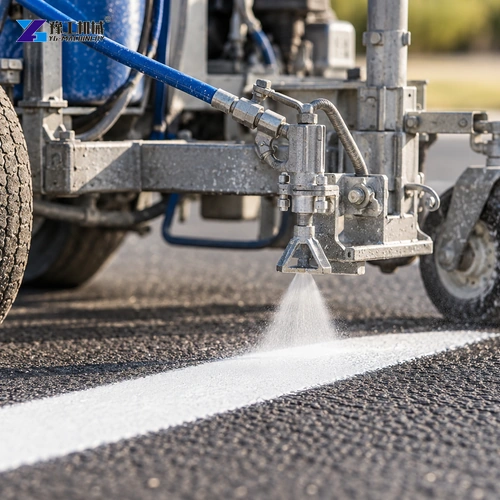
Compare the complete road marking machine quotation line by line
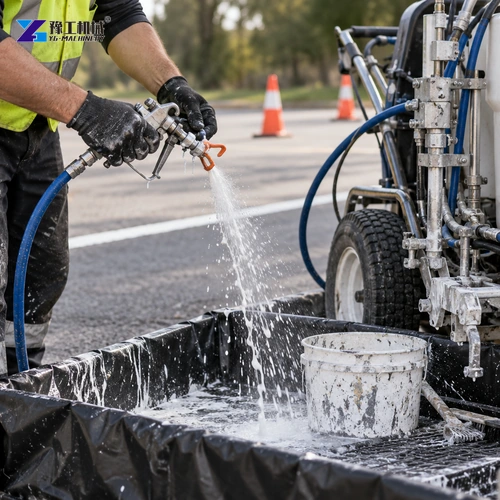
Ask each supplier to identify the machine type and named configuration, application material, number of guns or applicators, supplied hoses, nozzles, heating equipment if required, tools and initial wear parts. Record whether the offer includes packing, freight, unloading guidance, commissioning, operator instruction and after-sales support. Keep these items visible instead of treating “complete set” as a standardized scope.
Then compare the quote with the actual job: delivery destination, site access, road closure schedule, material supply, operator availability and expected line workload. A lower equipment-only figure may omit a heater, applicator or accessories necessary for the selected process. On the other hand, do not pay for capacity or components the job will not use. Request a separate price for each option so procurement can distinguish required equipment from possible upgrades.
The final purchase check should be a written match among the marking specification, machine type, included application system and delivery scope. Send the material name, drawings or line schedule, approximate workload, surface details, available power and destination. That gives the supplier enough information to quote the correct road marking machine rather than a generic product family.
Attach your material specification, line schedule and destination to receive an itemized equipment quotation.
REQUEST A ROAD MARKING MACHINE QUOTERoad marking machine for sale FAQs
Choose from the specified marking material and application method. Cold-paint machines spray compatible liquid paint, while thermoplastic equipment heats and applies solid material with a different package. Confirm the method before comparing prices.
No. The YG-8S is listed as a single-gun cold-paint road marking machine. Thermoplastic work requires equipment designed for heated material and its specified applicator.
The published spray-width range is 100–300 mm. The job drawing determines the required width, and the actual finish should be checked using the chosen paint and setup on representative pavement.
It depends on the line schedule, work-zone access and required production rate. A single gun applies one path at a time; long, high-volume contracts may need a different machine arrangement. Compare the entire daily work plan.
Confirm material compatibility, line widths, gun or applicator count, power, accessories, cleaning requirements, surface condition, transport dimensions and what the quotation includes.
Provide the marking material and specification, line drawings or lengths, daily workload, surface photos, available power, access constraints, required accessories and delivery destination.
Turn the marking specification into a comparable machine package
The purchase decision starts with the material and ends with a written scope that covers the machine and the work it must perform. Send the specification, line schedule and destination so the cold-paint or thermoplastic package can be compared against the actual contract. Use the form below for the full project details.