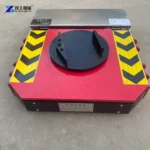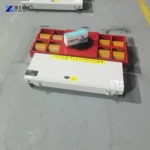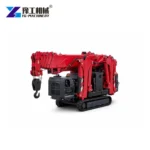
Remote control machine skates and cranes move machinery in different ways. Skates carry the load from below and drive it along a suitable floor. A crane suspends the load from approved lifting points and moves it within its permitted lifting arrangement and coverage.
A factory relocation can use a planned transfer from crane lifting to floor-supported movement. The crane handles the lifting stage within its coverage; the skates handle a suitable floor journey beyond it. Comparing those roles clarifies where the machinery changes support, which moving-unit rating is relevant and what the operator must observe during the uncovered stage.
Remote Control Machine Skates and Crane Lifting: Different Load Paths
The load path is the route by which the machine’s weight reaches the building structure. On skates, it passes from the machine base through the pads, chassis and running gear into the floor. Under a crane, it passes through lifting accessories and the hook into the crane structure. The machine needs suitable contacts for whichever method is used.
These differences affect the task each method can perform:
- Floor-supported movement. Skates are relevant where the machine can remain low and has permitted underside contacts. The powered unit supplies travel force while the complete moving arrangement carries the load. The running surface and support geometry must suit the machinery.
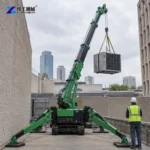
- Suspended lifting. A crane is relevant when the machine needs an approved lift, an elevated placement or movement across an obstruction within its available coverage. Lifting points and accessories must suit the load and lifting arrangement.
- A combined move. A crane can perform the lifting stage and transfer the machine onto skates for a suitable ground-supported stage. The transition connects two different support conditions; it is a planned part of the move, not an automatic result of owning both machines.
An approved lifting point is not necessarily a skate contact, and a strong underside base does not itself provide a lifting arrangement. Where a compact lifting option is relevant, the indoor equipment lifting guide addresses that separate equipment role.
Identify whether the load must be suspended or can travel on permitted base contacts to compare the moving method.
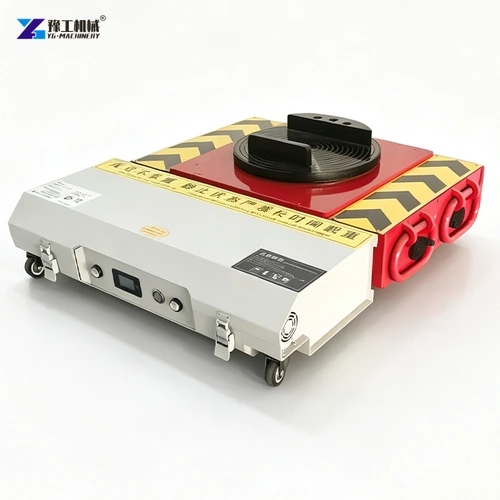
Using Remote Control Machine Skates Beyond Crane Coverage
A crane’s reach can end before the machine’s final workshop position. Remote control machine skates may provide a suitable floor-supported stage beyond that point, provided the supported load and the floor allow it. The reason for considering skates is then the uncovered journey, not a direct comparison between two tonnage labels.
Typical situations to assess include:
- Moving beyond the crane runway. The hook serves the area beneath its permitted coverage. A receiving position outside that area creates a separate horizontal journey even if the crane can lift the machine at the starting point. Ground-supported travel can bridge that uncovered distance when the floor and machine base suit the moving arrangement.
- Passing through a doorway. Adjacent workshops may not share continuous hook coverage. The doorway then constrains the supported machine’s width and height, while the approach constrains its turn. A low moving chassis helps only if the complete loaded assembly can pass through that space.
- Approaching beneath existing services. A suspended load needs space for its lifting accessories as well as its body. A low-level route may avoid that particular overhead requirement, but the machine’s full outline still needs clearance. Compare the two paths rather than assume that an overhead restriction makes every floor route usable.
Each is a possible equipment-selection situation, not a claim that a particular move is approved. Together they explain how reach, load shape and receiving access define the floor stage for which powered-unit capacity is selected.
Describe the gap between crane coverage and the final machine position to discuss a ground-moving stage.
Remote Control Machine Skates Specifications
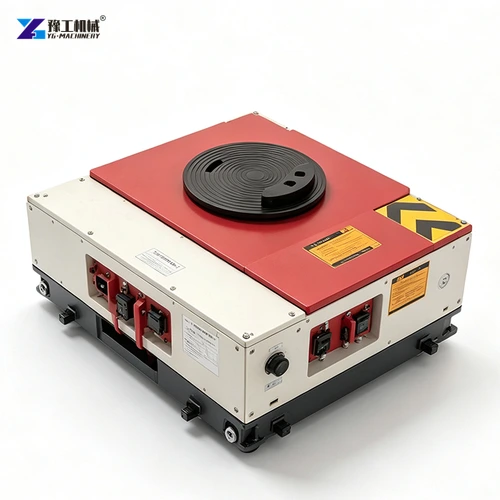
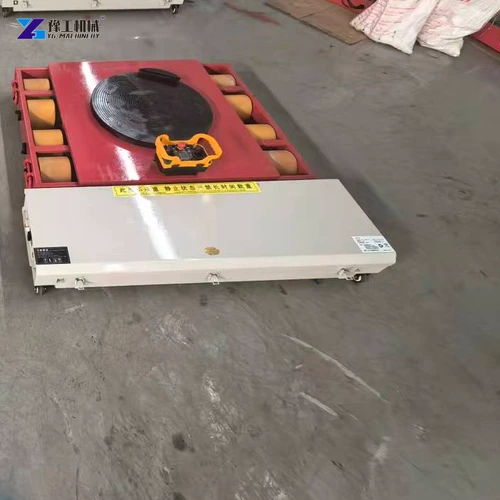
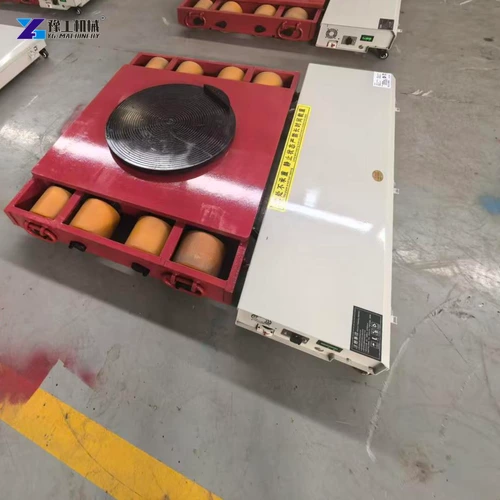
Use the YG table to evaluate the floor-supported stage. Powered-unit load capacity is the weight borne at its upper contact; towing weight is a separate moving-duty designation. The dimensions describe the named unit’s envelope and help assess insertion and recovery space.
| Parameter | YG 20T Configuration | YG 40T Configuration | YG 60T Configuration |
| Model designation | 20T | 40T | 60T |
| Towing weight | 20 metric tons | 40 metric tons | 60 metric tons |
| Powered-unit load capacity | 10 metric tons | 20 metric tons | 30 metric tons |
| Geared motors, with brakes | 750 W × 2 | 1,500 W × 2 | 3,000 W × 2 |
| Dual-channel driver | D2T80A | D2T200A | D2T220A |
| Listed remote-control options | C6/C7 or industrial remote | C6/C7 or industrial remote | C7 or industrial remote |
| Listed operating current | 60 A | 120 A | 120 A |
| Battery voltage and capacity | 48 V, 60 Ah | 48 V, 120 Ah | 48 V, 120 Ah |
| Battery options | Ternary lithium or lithium iron phosphate | Ternary lithium or lithium iron phosphate | Ternary lithium |
| External dimensions | 670 × 620 × 165 mm | 810 × 800 × 182 mm | 1,110 × 800 × 185 mm |
The 40T configuration combines a 40-metric-ton towing designation with a 20-metric-ton powered-unit carrying value. Followers need their own suitable ratings for their actual portions of the load. This is different from evaluating a crane under its permitted lifting configuration.
The comparison is therefore functional: skate specifications describe supported floor movement, while crane capacity belongs to the lifting arrangement. For a mobile lifting alternative, the working radius and capacity relationship is a separate selection issue. Neither number should be substituted for the other simply because both are expressed in tons.
Match the supported reaction, towing duty and support height to the selected YG configuration.
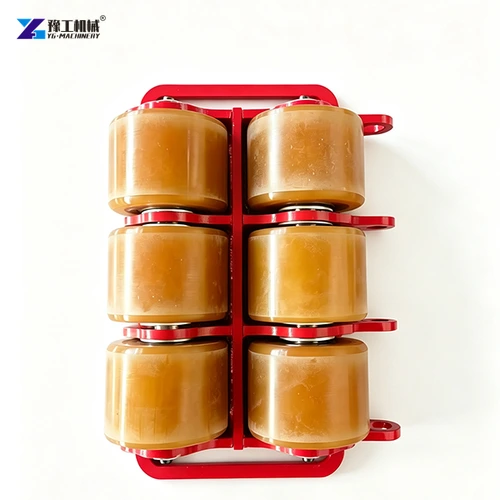
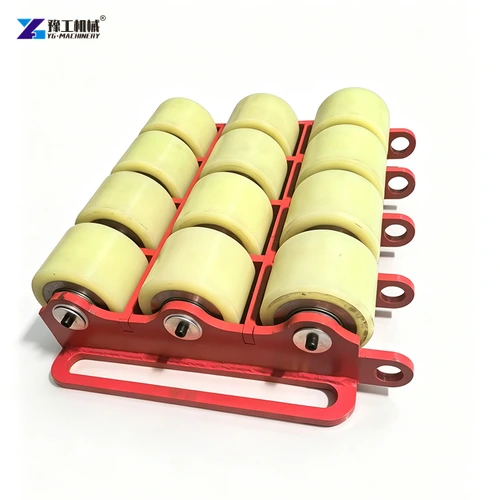
Observing the Load While Operating Remote Control Machine Skates
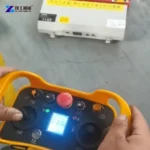
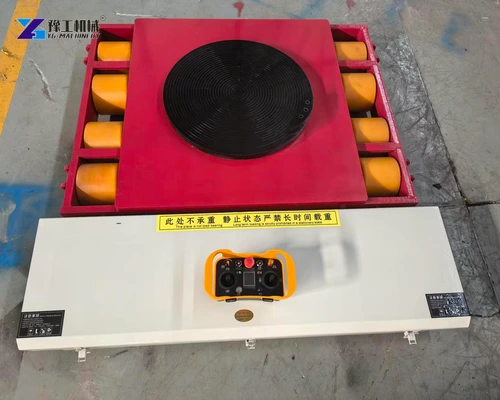
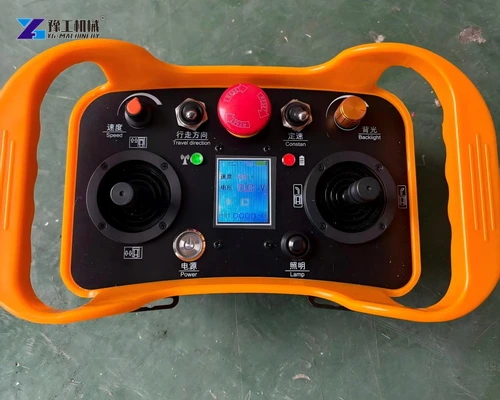
A radio handset allows commands to be issued from a position separate from the powered unit. That is useful only when the operating position also provides the observation needed for the move. A long machine can hide its rear followers or far side even when the front chassis is clearly visible.
Observation should cover the parts that can affect the journey: the load’s projecting ends, follower direction, approaching floor transitions and clearance at receiving supports. Where one view does not cover the complete assembly, the approved operating method needs suitable communication and observation arrangements. Personnel must remain clear of trapping locations rather than stand beside them to compensate for poor visibility.
The supplied control functions must match what the operator is commanding. If the arrangement uses one powered unit and passive followers, the handset drives that unit while the followers respond mechanically to the load’s movement. Coordinating several powered units is a different control task requiring a verified multi-unit system. Identify that distinction before comparing handsets or planning the operator’s position.
The operator’s view and the actual stopping response also belong together: observation must extend ahead of the complete moving assembly, not end at the powered chassis. The appropriate operating method accounts for the load, surface and configured controls. Remote operation remains operator-commanded transport; automatic navigation or obstacle avoidance would require separate verified capabilities.
Describe the viewing positions and complete support arrangement to discuss the supplied remote-control configuration.
Transferring Machinery Between a Crane, Moving Skates and Final Supports
The handoff is the point at which one support arrangement takes over from another. In a combined move, the machinery leaves its approved lifting condition, rests on the moving supports for floor travel, and finally transfers to the supports required at its destination.
Plan the three stages distinctly:
- From lifting to rolling support. Identify the permitted underside contacts and the equipment that will receive the machine’s weight. Lifting lugs and transport pads may act at different places, so the supported condition needs its own assessment.
- Through the floor-moving stage. Keep the machinery in its specified transport condition while the powered unit and followers carry it. The route and operating method must suit that complete assembly, as described in the preceding sections.
- From skates to final supports. The receiving position needs its prescribed feet, foundation or storage supports and a way to recover temporary moving equipment. The contacts used for travel are not automatically the supports intended for operation or long-term storage.
This sequence shows where each product contributes: the crane supplies its approved lifting function and the skates supply configured ground travel. An effective moving-equipment enquiry describes the start, transfer and receiving positions so the proposed equipment can be matched to its actual stage of the job.
Remote Control Machine Skates FAQs
They can provide a floor-supported moving stage when suitable base contacts and ground conditions exist. A separate approved method is still needed for lifting or an elevated placement that the skate configuration does not provide.
The ratings describe different functions. The YG 40T configuration has a 20-metric-ton powered-unit load capacity, while crane lifting capacity depends on its permitted lifting arrangement and limits.
Observe the full machine outline, the trailing supports and the space available for the approach turn. A clear view of the powered chassis alone can hide a projecting end or a follower approaching the door frame. The operating method needs observation and communication that cover those parts while people remain outside trapping locations.
The receiving pads must meet the permitted underside contacts at compatible working heights. Those heights affect the attitude of the supported machine and the clearance for removing lifting accessories. The support layout is part of the planned transfer from suspended lifting to floor travel.
Transfer it to the supports specified for its intended final condition. Temporary moving contacts are not automatically approved as operating feet or long-term storage supports.
For a factory-moving equipment enquiry, identify the machine transport mass, permitted base contacts, lifting provision and the handoff to the receiving support. These define the role and configuration of the powered skates.