
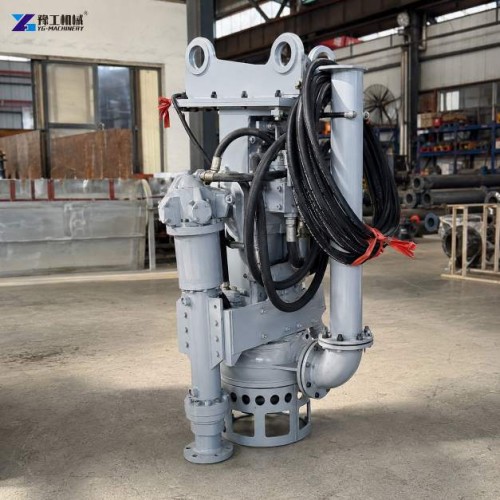
A hydraulic dredge pump for river and canal cleaning uses excavator power to remove mud, fine sand and underwater sediment. The published YG range covers 150–500 m³/h flow, 10–40 m lift and matching excavator groups from 10T to 40T. Final selection still depends on carrier hydraulic flow and pressure, material concentration, particle size and the full pipeline route.
Use the model table below to compare flow, lift, agitator group and carrier tonnage without mixing values between models. Where the project needs a self-moving underwater unit instead of an excavator attachment, review the sand dredging machine. Send the excavator model, hydraulic data, water depth, discharge distance, elevation change and site photos for technical matching.
Hydraulic Dredge Pump Specifications
YG Machinery provides several combinations of flow, lift, agitator power, and excavator compatibility. Each group supports different project conditions and material volumes. Buyers should compare the pump data with the carrier hydraulics and discharge route. The table below shows the available technical information.
| Serial No. | Model | Flow m3/h | Lift(m) | Matching Agitator | Stirrer Torque | Excavator Tonnage |
| 1 | YG200-15 | 200 | 15 | 5.5KW | 1556 | 10T-20T |
| 2 | YG150-30 | 150 | 30 | |||
| 3 | YG300-20 | 300 | 20 | |||
| 4 | YG400-10 | 400 | 10 | 7.5KW | 1946 | 20T-30T |
| 5 | YG500-15 | 500 | 15 | |||
| 6 | YG250-35 | 250 | 35 | |||
| 7 | YG300-30 | 300 | 30 | 15KW | 2433 | 30T-40T |
| 8 | YG400-30 | 400 | 30 | |||
| 9 | YG400-40 | 400 | 40 |
The original technical sheet groups these models under three agitator and excavator ranges. The hydraulic dredge pump data above keeps the same matching relationship. It does not add or change any performance figures.
How to Read Hydraulic Dredge Pump Flow and Lift?
Flow shows the theoretical volume that the pump can move each hour. Higher flow may support larger projects, but it needs suitable hydraulic power and piping. Actual output changes with material concentration and pipeline resistance. Therefore, buyers should not select a model only by maximum flow.
Lift shows the unit’s ability to overcome vertical height and system resistance. Horizontal distance, bends, pipe diameter, and slurry density can reduce actual performance. A long pipeline may need more lift than a short vertical discharge. The complete route should be reviewed before confirming the model.
How to Check Hydraulic Dredge Pump Excavator Compatibility?
Excavator tonnage provides an initial model range. However, final matching also requires hydraulic flow, working pressure, return-line details, and connection dimensions. Two excavators with the same operating weight may use different hydraulic systems. As a result, they may not support the same excavator dredge pump configuration.
How the Pumping Process Works?
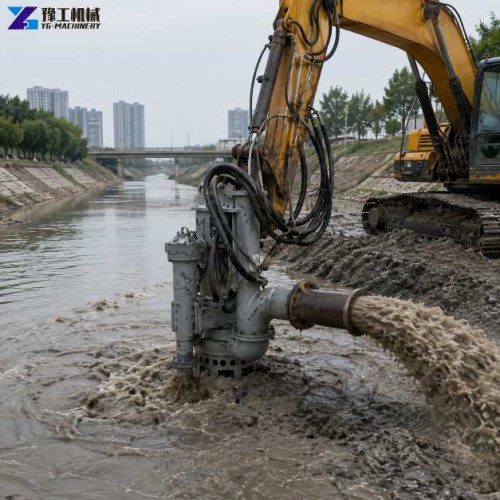
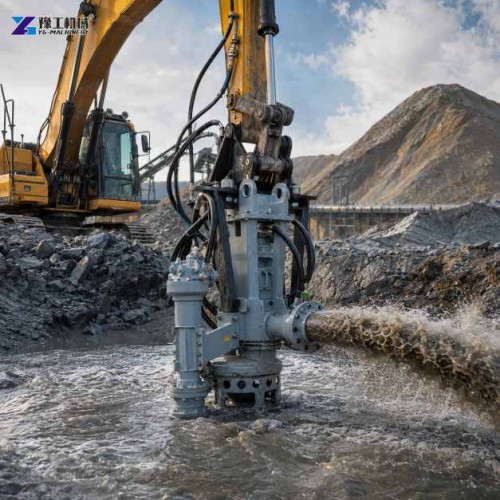
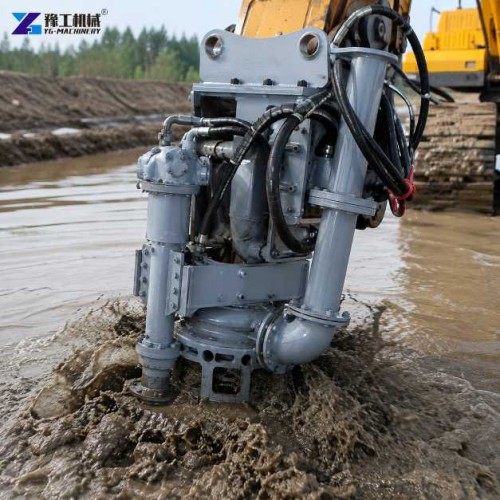
A hydraulic dredge pump uses a hydraulic motor to drive the internal impeller. The inlet draws in water, mud, fine sand, and sediment. The discharge pipe then carries the mixture to a settling or disposal area. Meanwhile, the excavator boom controls the working depth, angle, and position.
The process includes four main steps:
Connect the Hydraulic Lines
The operator connects the attachment to the excavator hydraulic system. Hydraulic flow and pressure should be checked before operation. The return line and connectors must also match the equipment requirements.
Position the Pump
The excavator boom moves the pump to the target area. Operators can adjust the depth and angle as site conditions change. This movement helps cover separate sections without relocating a fixed pumping station.
Loosen Settled Material
The agitator breaks compacted mud and sediment near the inlet. This action helps dense material mix with water before pumping. Better material flow can improve inlet conditions, although results still depend on particle size.
Discharge the Mixture
The impeller moves the material through the pipeline. The mixture can enter a settling pond, disposal zone, or processing area. Pipeline layout and material concentration will affect the final discharge rate.
An excavator mounted dredge pump does more than remove water. It handles water mixed with solid particles within the approved size and concentration range. Therefore, buyers should describe the material clearly before requesting a model. Large particles or highly abrasive mixtures may require further review.
Hydraulic Dredge Pump Applications for River and Canal Cleaning
A hydraulic dredge pump can support several projects where mud and sediment restrict normal work. However, each site has different material and access conditions. Buyers should compare the application with the carrier and discharge route before selecting a model.
River and Canal Maintenance
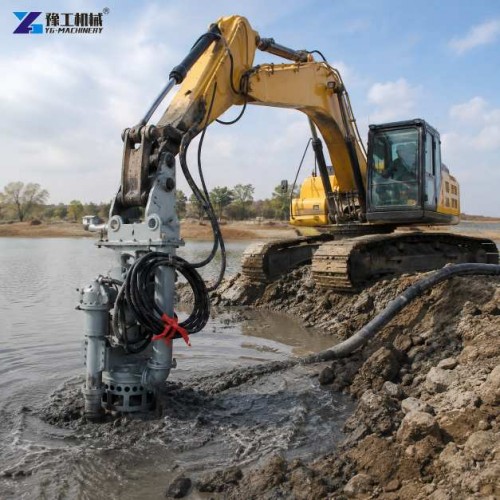
Sediment buildup can reduce water depth and limit normal flow. An excavator can move along the bank and place the pump near each target section. This method suits small and medium rivers, drainage channels, and irrigation canals. An excavator dredge pump also works well when the project includes several cleaning points.
Pond and Reservoir Cleaning
Ponds, reservoirs, and landscape lakes often collect soft mud over time. Large dredging systems may have limited access to these locations. A hydraulic dredging pump can work from the bank or a stable platform. The excavator boom also helps operators reach different depths.
Foundation Pits and Waterfront Construction
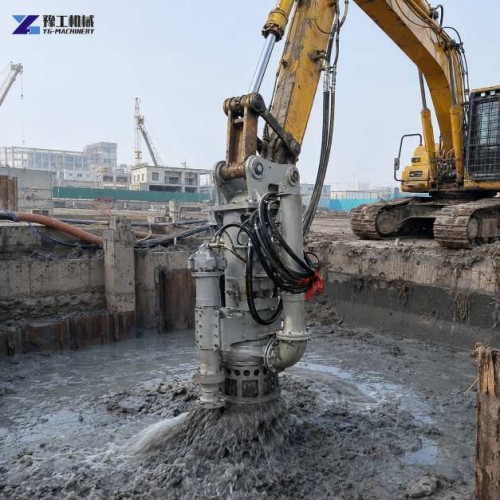
Foundation pits, cofferdams, and waterfront sites may collect mud and sediment. These materials can reduce working space and delay later construction stages. A dredge pump for excavator use lets operators change the suction point quickly. It may also reduce the need for a separate power unit.
Mining and Sand Handling
Some mining and sand projects need to move slurry containing fine solid particles. In these cases, buyers should confirm particle size, concentration, and abrasion level. Highly abrasive material may require different pump components or wear protection. Clear material information helps the supplier assess a suitable configuration.
Hydraulic Dredge Pump Benefits for Excavator Projects
A hydraulic dredge pump combines the carrier’s movement with a dedicated pumping system. This arrangement can simplify access, positioning, and material handling. The following benefits explain why contractors use this equipment for changing work areas.
Uses the Existing Hydraulic Source
An excavator mounted dredge pump runs from the carrier hydraulic system. Therefore, many projects do not need a separate engine or hydraulic power pack. This arrangement can reduce the amount of equipment on site. It may also expand the working range of an existing excavator.
Reaches Changing Work Areas
The excavator boom controls pump depth, position, and working angle. This feature helps operators work around narrow waterways, pond edges, and divided construction zones. In addition, the carrier can move between sections as the project progresses. A fixed pumping station may require more relocation work.
Combines Agitation and Pumping
Compacted sediment may not enter the inlet easily. The agitator loosens the material before the pump draws it in. This process can improve feeding conditions in thick mud or settled layers. However, actual results still depend on density, water content, and particle size.
Covers Different Performance Requirements
Available models cover 150–500 m³/h flow and 10–40 m lift. Buyers can compare these ranges with project volume, discharge conditions, and excavator capacity. The largest model is not always necessary for better results. A balanced selection can reduce excessive hydraulic demand and avoid unnecessary cost.
How to Select a Dredge Pump for Excavator Use?
Selecting a hydraulic dredge pump requires information about the carrier, material, and discharge system. Buyers should collect these details before requesting a quotation. Complete project information makes model matching more accurate. It also helps suppliers assess the right hydraulic dredging pump configuration.
Clear project details can also reduce repeated technical communication. Therefore, buyers should confirm the following information before selecting a model.
Confirm the Excavator Data
Provide the excavator brand, model, and operating weight. Then confirm hydraulic flow, working pressure, connection type, and return-line requirements. These values determine whether the attachment can run steadily. Excavator tonnage alone is not enough for final matching.
Describe the Material
State whether the project involves soft mud, fine sand, mixed sediment, or dense slurry. Buyers should also provide the estimated particle size, concentration, and deposit thickness. Thick material may require stronger agitation. Freer-flowing slurry may need a different setup.
Measure the Discharge Route
Confirm the horizontal discharge distance, vertical lift, pipe diameter, and number of bends. Longer pipelines usually create more resistance and reduce pumping efficiency. Dense slurry also increases the system load. Therefore, lift selection should consider the complete discharge route.
Set the Target Capacity
Estimate the total material volume and planned project duration before selecting capacity. These figures help define a practical hourly handling target. Higher flow may shorten working time, but it also increases hydraulic and pipeline requirements. A balanced capacity can improve efficiency without unnecessary equipment cost.
Project Information and Selection Focus
| Existing excavator | Weight, hydraulic flow, pressure, and connections |
| Soft mud or sediment | Concentration, depth, and agitation needs |
| Sand-bearing material | Particle size and wear level |
| Long discharge route | Horizontal distance, pipe size, and bends |
| Elevated discharge point | Vertical height and required lift |
| Tight project schedule | Target hourly handling capacity |
Hydraulic Dredge Pump FAQ
No, the pump cannot fit every excavator without checking the carrier data. It must match operating weight, hydraulic flow, working pressure, and connection type. Buyers should provide complete machine information before ordering.
Yes, it can handle certain sand and slurry mixtures. However, particle size, concentration, and abrasion level affect the correct configuration. Large particles or highly abrasive material may need further technical confirmation.
No, higher flow does not always produce better results. The pump must match the excavator hydraulic system, pipeline, and material conditions. An oversized unit may create extra load and increase cost. The target capacity should match the real project volume.
The required lift should include vertical height and pipeline resistance. Horizontal distance, bends, pipe diameter, and slurry concentration all affect the system. Therefore, buyers should provide the full discharge route. The supplier can then evaluate a more suitable range.
An agitator is often useful for thick mud or compacted sediment. It loosens settled material before pumping and improves inlet conditions. Freer-flowing slurry may not need the same level of agitation. The final choice should follow the actual material condition.

Why Choose YG Machinery for Your Project?
Performance depends on more than flow and lift. Carrier hydraulics, material concentration, working depth, and pipeline layout also influence the final result. Therefore, YG Machinery reviews these conditions before recommending a hydraulic dredge pump. This process helps buyers narrow the model range and confirm agitator requirements.
For a faster technical review, please provide:
- Excavator brand, model, and operating weight
- Hydraulic flow and working pressure
- Material type and estimated concentration
- Approximate particle size
- Horizontal discharge distance
- Vertical discharge height
- Target hourly capacity
- Site photos or videos
Our team can review the pump body, agitator, hose, and connection requirements after receiving these details. Special interfaces or difficult sites may need further technical discussion. Contact YG Machinery with your project information. Our team can recommend a suitable hydraulic dredge pump and prepare an equipment quotation.