Buying a slitter rewinder machine for flexible packaging production is a process decision, not simply a search for the highest line speed. The machine must unwind the parent roll, slit the web cleanly, separate lanes and rewind saleable rolls without wrinkles, telescoping or damaged cores. Start with the materials, order patterns and finished-roll evidence your customers will actually accept.
Prepare a brief covering film or laminate structure, thickness range, web width, parent-roll details, slit-width combinations, core dimensions, finished diameter and daily schedule. Add surface sensitivity, print registration concerns and the handling method for finished rolls. This gives a supplier enough context to discuss a complete machine boundary rather than sending a generic brochure.
Share your material range, slit schedule and finished-roll requirements so the first configuration discussion starts with measurable production evidence.
Define the flexible packaging web before comparing machines
List every web that may run on the line: films, laminated structures, coated stock, paper-based packaging or other flexible substrates. Thickness, stretch, friction, stiffness and surface treatment influence web guiding, knife setup and winding behavior. A slitter rewinder machine that performs well on one film should not be assumed to perform identically on a softer laminate or a delicate printed web.
Record the parent roll width, outside diameter, core bore and maximum mass, then separate normal orders from occasional extremes. On the finished side, state the narrowest lane, required slit-width tolerance, roll diameter, core wall, roll weight and packaging method. These details determine whether the proposed slitter rewinder machine fits your work mix and handling routine.
Match unwind control to roll loading and web behavior
The unwind of a slitter rewinder machine must hold the parent roll securely while keeping web tension predictable as diameter falls. Ask how operators load the roll, center it, thread the web and recover from a splice or break. Confirm the intended core range and lifting arrangement against the actual rolls in your warehouse, not an assumed standard.
Web guiding deserves the same attention. Edge sensors, guide response and roller condition affect whether the slit lanes remain aligned through the run. For printed or laminated products, define the marks, edges or reference surfaces used for inspection. Request a clear explanation of what is included in the proposed unwind and guiding scope.
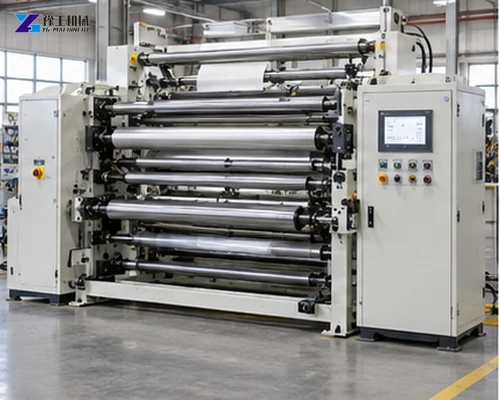
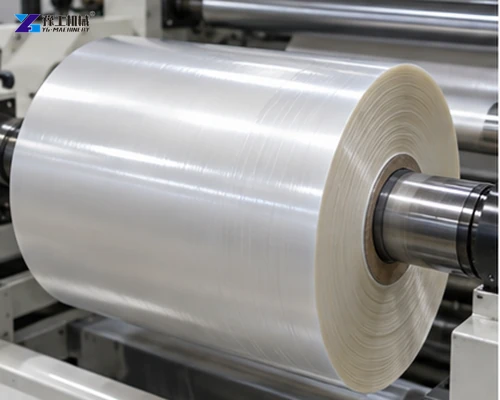
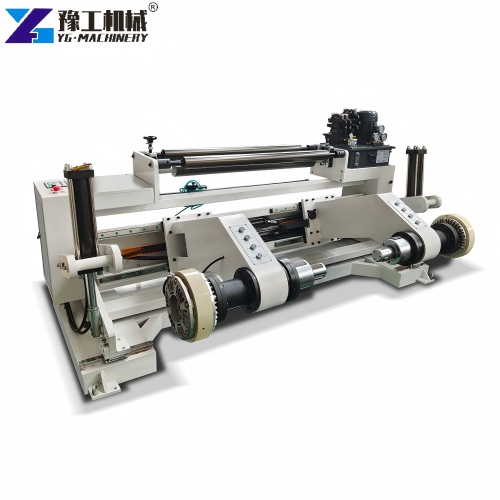
Slitter Rewinder Machine working component detail.
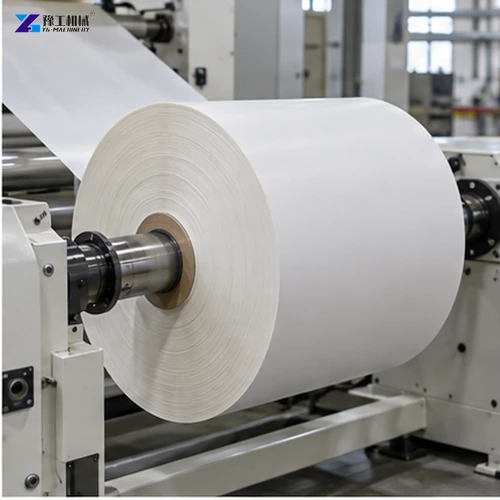
Slitter Rewinder Machine material or load input.
Send parent-roll dimensions, core information and loading photos so the unwind and web-path questions can be reviewed before quotation.
Choose knife and separator arrangements by finished quality
Slit quality depends on the material, knife geometry, clearance, overlap, sharpness and setup repeatability. Define the edge result you need: clean cut, controlled burr, limited dust, no adhesive transfer or another measurable criterion. Include the narrowest slit and the most demanding laminate in the trial plan, because a wide easy slit can hide problems that appear in production.
Separators keep lanes apart before rewinding, but their arrangement must suit lane width and web stiffness. Ask how operators install knives and spacers, how settings are recorded and how worn tooling is identified. Safe threading, guarding and access for changeover should be part of the purchase discussion, not a late add-on.
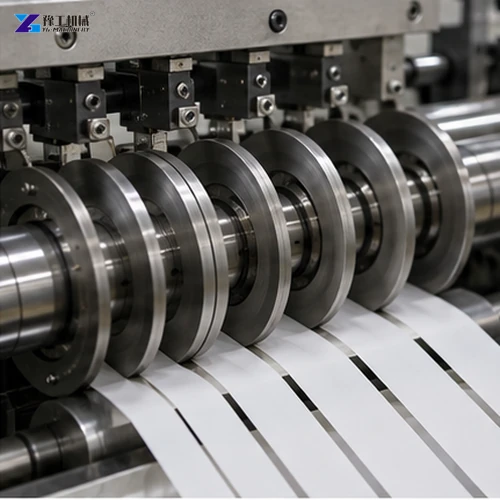
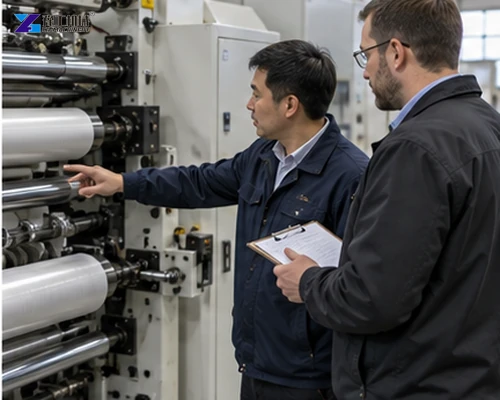
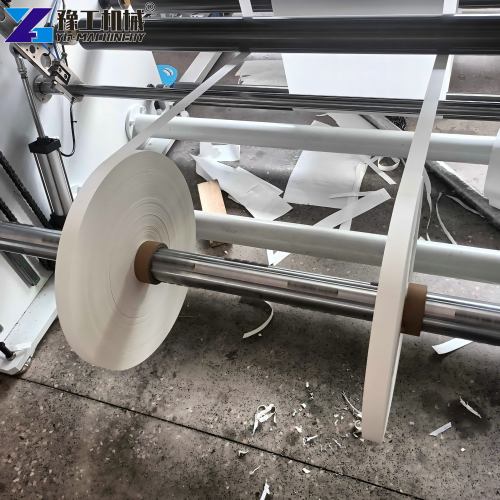
Slitter Rewinder Machine jobsite operation.
Set rewind requirements around saleable roll evidence
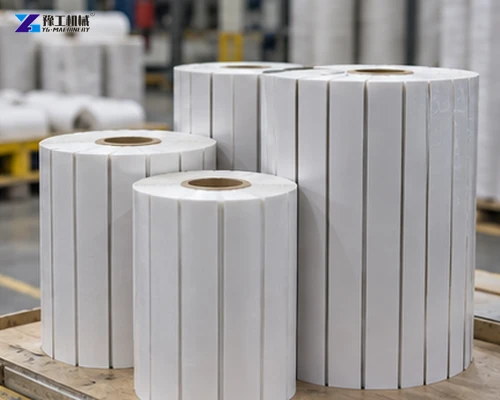
Rewinding is successful when every lane has the right firmness, alignment and appearance at the required diameter. Specify core material and bore, finished-roll diameter, maximum roll mass, label orientation, allowed telescoping and packaging method. Also explain whether operators remove rolls manually, with a shaft arrangement or with lifting equipment.
Tension must remain controlled as rolls build. Unequal lane length, thickness variation, static, adhesive behavior or poor separation can create loose edges and crushed cores. Ask for a representative demonstration and record the settings used. The goal is repeatable finished rolls, not one attractive sample made with an unknown recipe.
Buyer evidence
Decision it supports
What to verify in the trial
Web material, thickness and surface
Knife, guide and handling approach
Edge quality, marks and web stability
Parent-roll width, core and mass
Unwind loading and usable roll range
Centering, braking and safe threading
Slit pattern and narrowest lane
Knife spacing and separator practicality
Width consistency, burr and lane tracking
Core, diameter and roll weight
Rewind method and finished-roll handling
Firmness, telescoping and removal
Order mix and changeover frequency
Operator workflow and automation boundary
Setup time, recipe repeatability and access
This table is a buyer checklist, not a list of YG specifications. Use it to make the quotation and trial answer the same questions. If a value is not verified for your material and configuration, label it as an open item instead of converting a general reference into a production promise.
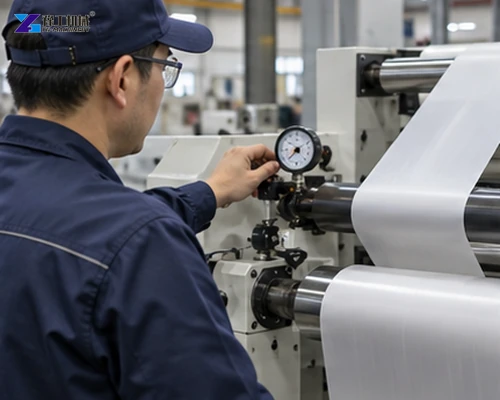
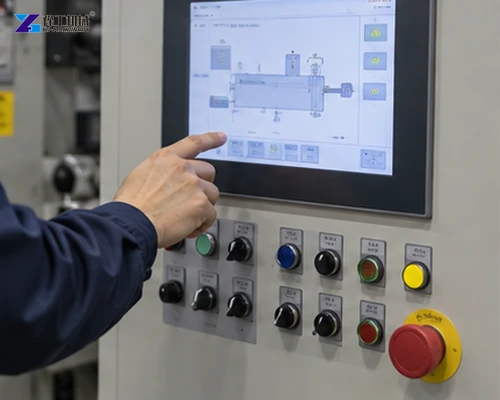
Slitter Rewinder Machine control and inspection.
Plan a trial that proves the complete slitting route
A useful slitter rewinder machine trial uses your representative parent roll, the narrowest planned slit and the most sensitive normal material. Record web identity, knife arrangement, core details, line settings, run length and operator actions. Inspect the first roll and later rolls for width, edge, winding firmness, surface damage, telescoping and core condition.
Run enough material to observe changeover and tension drift. If the process requires special cleaning, interleaving, trimming or manual correction, record that as a project condition. A short demonstration can show that the machine moves material; it does not by itself prove stable commercial production.
Provide a sample plan and acceptance checklist so the proposed slitting and rewinding route can be judged against the rolls you intend to sell.
Quotation comparisons fail when one supplier prices only the slitting core and another includes loading, guiding, scrap collection, finished-roll removal, controls and guarding. Ask each proposal to mark included, optional and buyer-supplied items. For an automation comparison, review the automatic slitting machine overview; for the broader equipment boundary, see the slitting and rewinding machine range.
Include changeover time, knife service, cleaning, waste handling, operator training, spare parts, utilities and access for maintenance in the ownership review. The right slitter rewinder machine is the one your team can run safely and repeatedly across the order mix, not merely the one with the most attractive headline speed.
Build the quotation file around buyer evidence
Send the supplier a concise evidence pack: material samples or photos, web construction, thickness range, parent-roll data, slit schedule, finished-roll drawings, acceptance tolerances, site utilities and expected working pattern. Ask the proposal to identify assumptions, exclusions and values still requiring confirmation. This reduces rework when a general-purpose configuration is adapted to flexible packaging.
If paper-based webs are part of the mix, the paper roll slitting machine reference can help frame a related material discussion. Keep every internal link tied to a real decision, then return to the actual film, laminate and finished-roll requirements for the purchase.
Attach your web data and acceptance criteria so YG can separate verified references, proposed scope and unresolved production questions.
Send web material and thickness, parent-roll width and mass, core data, slit patterns, finished-roll requirements, working schedule, utilities and the acceptance method. Samples or clear photos make the discussion more useful.
Can one machine run every flexible packaging film?
Do not assume that. Stretch, friction, laminate structure, coating, adhesive and surface sensitivity can change guiding, cutting and winding behavior. Review the complete material range and test representative products.
How do I judge slitting quality?
Measure slit width and edge condition, then inspect lane tracking, dust, wrinkles, telescoping, winding firmness, surface marks and core condition over a meaningful run. Agree on methods before the trial.
Is published speed the production rate I will receive?
No. Stable speed depends on material, slit pattern, roll size, tension, operator method and quality requirements. Treat published figures as references until your own trial and final configuration confirm them.
What makes a rewind roll commercially acceptable?
The roll should meet the agreed diameter, weight, alignment, firmness, edge and appearance requirements, while remaining safe to remove and compatible with the customer’s next process.
Should automation be decided before material testing?
Material and order evidence should come first. Then automation for a slitter rewinder machine can be matched to loading, changeover, inspection, roll handling and labor needs instead of being selected as a standalone feature.
A defensible purchase decision names the web range, parent-roll limits, slit patterns, finished-roll acceptance, trial method, included line scope and remaining site responsibilities. With that record in hand, you can compare proposals on evidence and request a slitter rewinder machine configuration that supports repeatable flexible packaging production.