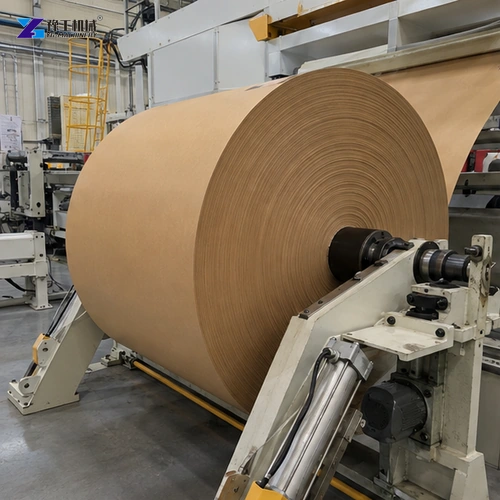
Incoming roll geometry sets the first boundary for stable converting
Moisture and caliper help explain curl, dust and tension behavior
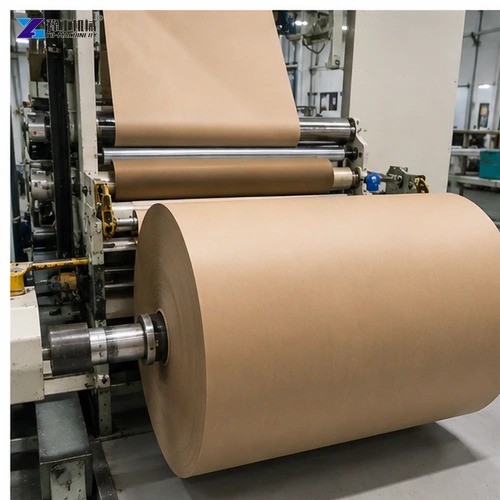
A kraft paper slitting machine is selected around the roll that enters the line and the finished rolls that must leave it. Kraft paper can vary in basis weight, moisture, stiffness, recycled-fiber content, surface treatment and parent-roll condition. Those differences affect dust, curl, knife loading and rewind tension. A quotation based only on maximum web width can therefore place the buyer inside the machine envelope while missing the production problem.
Before models are compared, document the material range, roll geometry, slit schedule, edge standard and downstream use. Packaging paper, sack material, laminated kraft and coated grades do not behave identically. A responsible proposal should show which items are supported by published machine data, which depend on the selected configuration and which must be confirmed by a representative trial.
Which Parent-Roll Facts Change The Machine Selection?
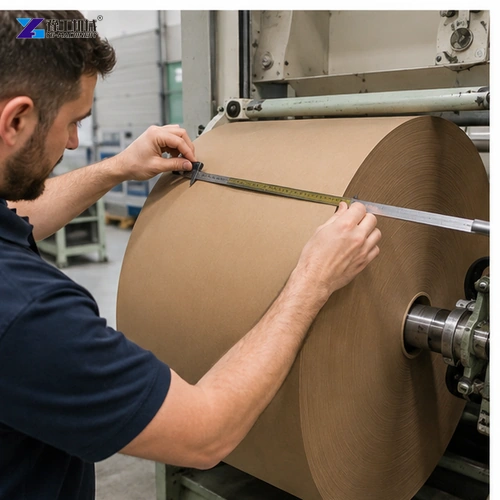
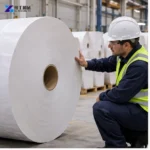
Record maximum and minimum web width, parent-roll diameter, core internal diameter, total roll weight and winding direction. Add the normal basis-weight and caliper range, moisture condition, splices, edge damage and telescoping that may arrive from the supplier. A roll with an oversized diameter but low weight presents a different support problem from a compact, heavy roll.
The unwind method must hold and accelerate the roll safely, then maintain suitable tension as diameter decreases. Chuck or shaft dimensions, braking response and available loading equipment should be checked together. If overhead lifting is restricted, the floor layout and roll cart may influence the configuration more than headline speed.
Specify the finished-roll schedule with the same precision. Include routine widths, minimum slit, lane count, core wall thickness, maximum rewind diameter, roll hardness and permitted edge offset. State whether finished rolls are packed immediately or feed printing, laminating, bag making or another converting process. This turns a general kraft paper slitting machine request into a defined material route.
Send YG the roll drawing, weight, slit schedule and downstream acceptance standard so the feasible machine envelope can be reviewed before detailed configuration.
How Do Moisture, Curl And Dust Affect The Cutting Plan?
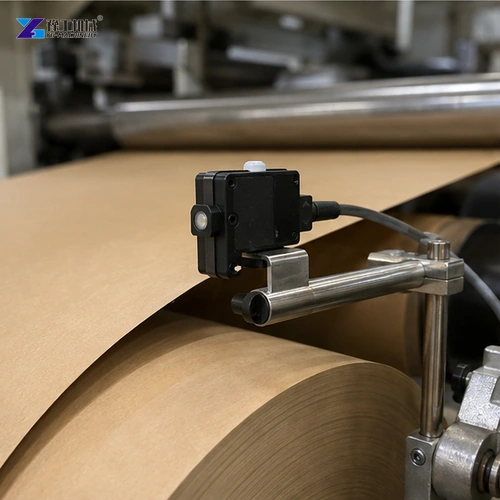
Paper condition can change between storage and production. Moisture imbalance may increase curl, change sheet stiffness and make the web track differently. Recycled fiber and dry edges can increase dust or lint. Sampling at receiving and before the trial helps distinguish a machine issue from a changing raw material condition.
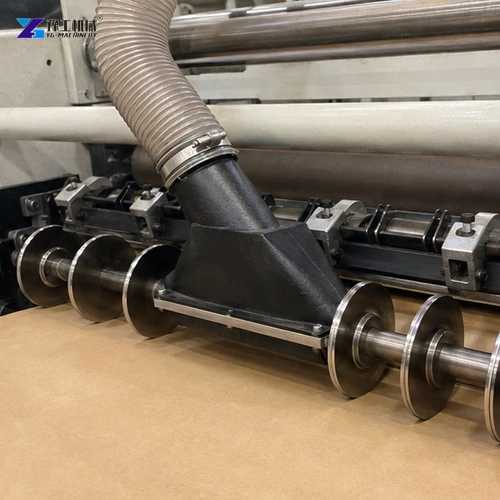
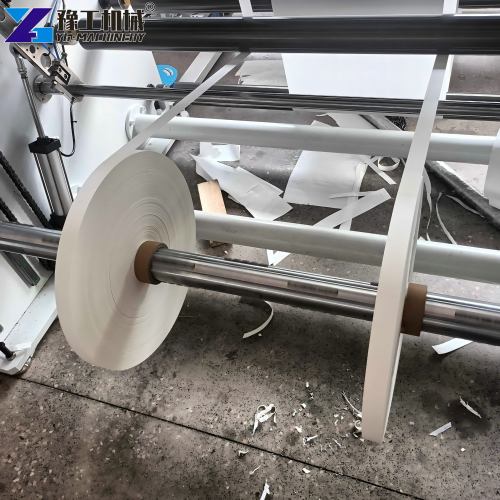
The buyer should identify where dust is generated, how it is captured and how the cutting area will be cleaned. Extraction needs accessible pickup points and a safe discharge route. Accumulated paper dust around bearings, motors, sensors or electrical enclosures creates maintenance and housekeeping risks. Final dust-control design must follow the material, local site rules and the complete line layout.
Static control may also be relevant for dry grades or films laminated to kraft. Do not add generic devices without evidence; use trial observations to decide where charge causes sticking, poor separation or sensor errors. Inspection windows and cleaning access should remain practical after guards and extraction connections are installed.
Source capture reduces contamination around the cutting zone
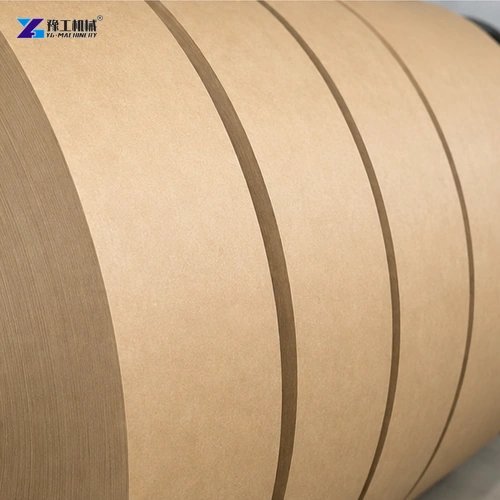
The accepted edge must be judged against downstream use
Which Knife And Edge Tests Should Be Included?
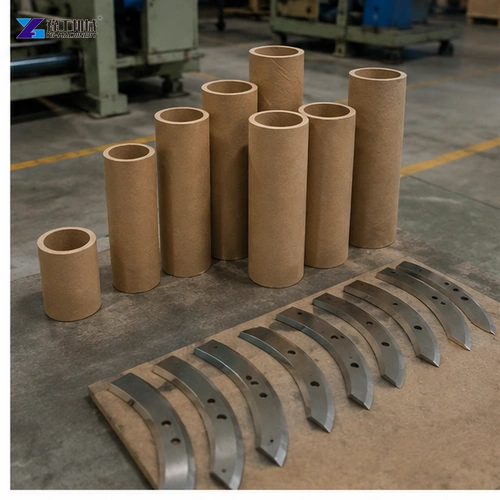
The cutting method must suit the kraft grade, thickness range and accepted edge. Razor, shear and crush arrangements produce different loading and edge behavior. The web needs support through the slitting zone so it is cut rather than pulled. Knife holder stiffness, overlap or pressure, spacing accuracy and guard design all influence repeatability.
A trial should compare more than the outer wraps. Inspect slit width, edge fuzz, tearing, delamination and dust at the beginning, middle and end of the roll. Check the most demanding routine slit pattern, not only a convenient wide lane. If printed or coated kraft is involved, inspect both faces for marking and confirm the permitted trim loss.
Record knife type, blade condition, holder position, overlap or pressure, web tension and running speed. Repeat the accepted setup after a changeover to see whether operators can reproduce it. A paper slitting machine is valuable when it makes saleable rolls consistently, not when one carefully adjusted sample looks clean.
Provide representative grades and rejected-edge samples. YG can plan the cutting test around the actual material rather than a generic paper strip.
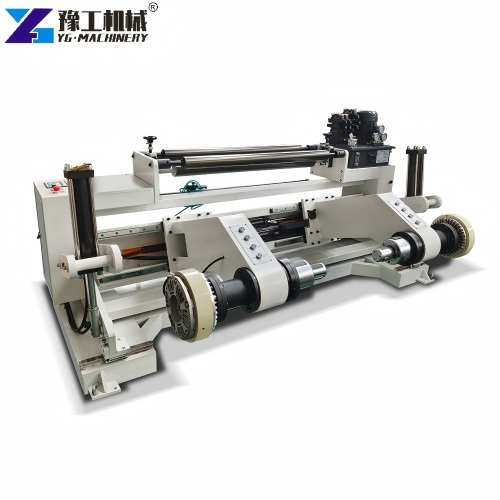
The listed YG range below provides the mechanical boundaries used for preliminary comparison. These figures must be checked against kraft roll weight, web behavior, lane count, core quality and required finish before a final selection is made.
Published Parameter
YG-1300
YG-1600
YG-1800
Maximum Roll Width
1300 mm
1600 mm
1800 mm
Maximum Unwind Diameter
≤ φ1400 mm
≤ φ1400 mm
≤ φ1400 mm
Minimum Slitting Width
30 mm
30 mm
30 mm
Maximum Rewind Diameter
≤ φ1000 mm
≤ φ1000 mm
≤ φ1000 mm
Listed Running Speed
≤ 350 m/min
≤ 350 m/min
≤ 350 m/min
Total Power
24 kW
26 kW
30 kW
Power Supply
380 V / 50 Hz
380 V / 50 Hz
380 V / 50 Hz
Machine Weight
4000 kg
4500 kg
5500 kg
Overall Dimensions
3300 × 3150 × 1930 mm
3300 × 3450 × 1930 mm
3300 × 3650 × 1930 mm
Maximum width is not necessarily usable finished width; reserve allowance for edge condition, guidance and trim. Maximum diameter must be reviewed with parent-roll weight and shaft support. The 30 mm minimum slit is a published boundary, but the requested number of lanes, material grade and rewind configuration still require confirmation.
The listed speed is an upper mechanical value. Practical production speed may be limited by cutting quality, roll build, acceleration, dust control or inspection. Total power does not include every possible auxiliary. Destination voltage, frequency, safety standard, loading route and extraction system should be confirmed in the final scope.
The paper slitting machine price guide can help buyers separate the core equipment from optional handling and process scope. Compare quotations line by line instead of treating one catalogue model number as a complete installation.
Rewind torque and core quality determine finished-roll stability
A complete roll reveals defects that a short trial can hide
How Should A Kraft Paper Slitting Machine Build Rewind Quality?
The rewind must produce rolls that remain aligned and usable after unloading, storage and downstream acceleration. Tension that is too low can create soft rolls and telescoping. Excessive tension can crush weak cores, stretch the web or lock in curl. Torque control must follow roll diameter and material behavior rather than rely on one fixed setting.
Core specification is part of the process. State internal diameter, wall thickness, width, material, roundness and maximum load. Verify how narrow rolls are separated and supported. When multiple lanes share a shaft, gauge variation across the web may cause unequal roll hardness, so the proposed differential or friction arrangement should be demonstrated during a complete rewind.
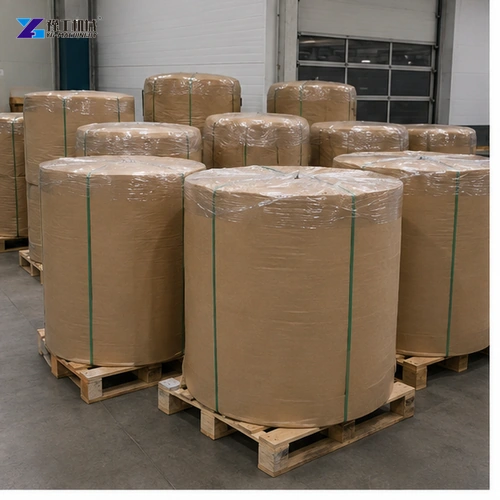
Acceptance should include edge alignment, diameter, hardness, core condition and the way the roll unwinds. Inspect several positions rather than judging only the outer face. If the roll will be shipped over long distances, packing and restraint must protect the edges without deforming the core.
Which Handling Steps Determine Real Output?
Calculate output using a complete cycle: receive the parent roll, load and secure it, thread the web, set knives, prepare cores, run, decelerate, remove finished rolls, clean dust and complete inspection. Add realistic time for splices, grade changes and rejected material. Maximum line speed contributes only during the stable running portion.
An operation with many short orders may benefit more from accessible controls, saved settings and faster core change than from a higher speed limit. A long-run converter may prioritize sustained tension stability and wear-part access. Compare a paper slitter rewinder machine using the buyer’s actual production mix, staffing and lifting resources.
Once the roll schedule and handling plan are known, YG can review the complete cycle and identify the options that affect throughput rather than adding equipment without a defined benefit.
Core preparation and roll removal belong in cycle-time planning
Recorded evidence makes supplier quotations comparable
What Should Be Recorded During Final Acceptance?
Use normal production kraft and a difficult grade that still falls within the agreed scope. Record roll condition, basis weight, moisture, knife setup, tension zones, guide reference, running speed, slit pattern and rewind settings. Time changeover and handling. Photograph the cutting zone and accepted rolls, and retain measured samples where practical.
The acceptance document should define width tolerance, edge condition, permitted dust, roll alignment, hardness, trim waste and saleable output. These values must come from the buyer’s downstream process. If requirements change after the trial, the machine or setup may also need to change.
The final proposal should list the base machine, unwind, knives, guide system, rewind arrangement, dust or trim handling, loading aids, electrical standard, spare parts, installation, training and commissioning. A complete scope protects both parties from comparing an incomplete price with a ready-to-run line. For broader configuration context, review the published kraft-related slitting equipment before freezing the purchase package.
Can The Same Settings Run Recycled And Virgin Kraft?
Not reliably in every case. Fiber structure, moisture, caliper, dust and roll condition can require different knife and tension settings.
Is The Published Speed A Guaranteed Output Rate?
No. Accepted output also depends on roll handling, acceleration, changeovers, cutting quality, rewind stability and inspection.
Why Must Parent-Roll Weight Be Provided?
Roll weight affects shaft or chuck support, braking, loading equipment and floor planning even when width and diameter fit.
How Many Material Samples Are Needed?
Provide the normal grade plus a difficult but representative grade, along with the finished-roll and edge acceptance requirements.
Should Dust Extraction Be Included In The Quotation?
Include it when site conditions and trial evidence show it is required, with pickup points and final discharge clearly defined.
A kraft paper slitting machine should be purchased as a controlled roll-converting system. Published width, diameter and speed establish useful boundaries, but material condition, dust, knife performance, rewinding and handling determine saleable output. A representative trial tied to written acceptance criteria provides stronger evidence than a catalogue comparison alone.