
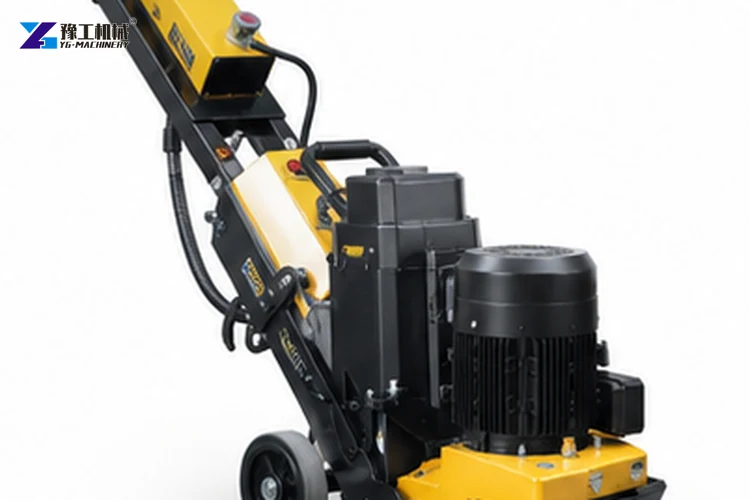
A Floor Shot Blaster must deliver the required surface, not merely cover the largest width. Coating thickness, concrete hardness, production area, edge percentage and dust-collector capacity determine whether a compact or wider machine is economical. The wrong choice can leave coating islands, expose aggregate unevenly or spend more time on edge work than on open floor.
This selection guide compares the decisions that change production: blast width, power, abrasive flow, travel control, separation and dust collection. It also explains how to plan test passes and operating costs so a buyer can compare complete systems rather than a machine body alone.
Which Floor Condition Controls Machine Selection?
Identify the material to remove and the finish below it. Thin paint, thick epoxy, laitance and bare concrete profiling require different energy and travel speed. Test hard and soft slab areas separately because one setting may underclean one zone and overprofile another.
Measure open area, columns, aisles, edges and rooms. A wide machine is productive on unobstructed floors, while a compact unit turns more easily in divided spaces. Calculate the percentage that needs hand or edge equipment; it can determine crew size and schedule.
How Do Blast Width And Travel Speed Affect Production?
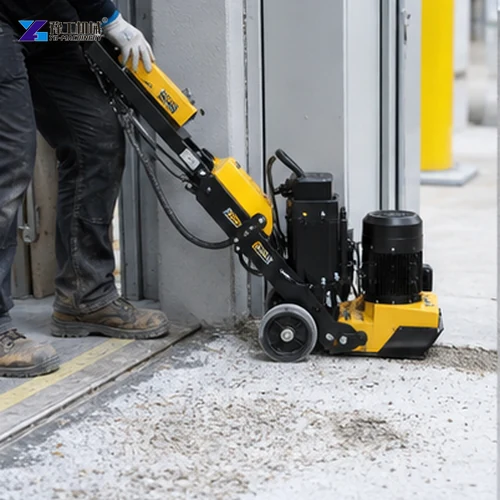
Blast width sets potential coverage, but stable feed and overlap determine actual output. The operator must keep adjacent passes uniform without leaving stripes. Variable travel control helps respond to coating changes while maintaining abrasive flow and dust recovery.
Use a test area to establish square meters per hour for the actual floor. Include turning, abrasive checks, filter cleaning, edge work and waste handling. A realistic rate is more useful than a maximum figure measured on clean open concrete.
Not sure which configuration fits your project? Send the working conditions and YG can review a practical Floor Shot Blaster configuration for the actual job.
What Should Buyers Check In The Complete Blasting System?
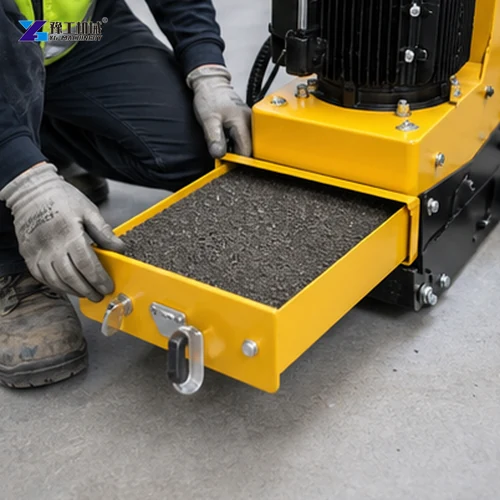
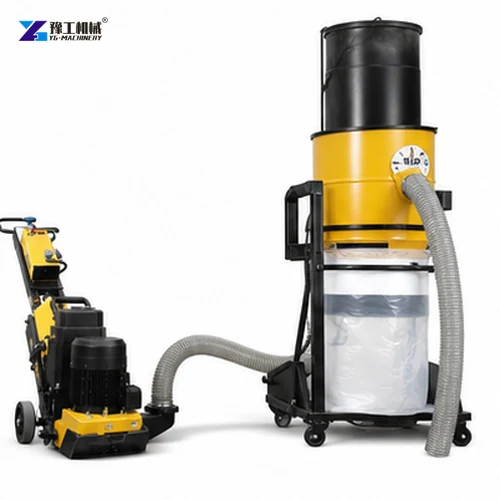
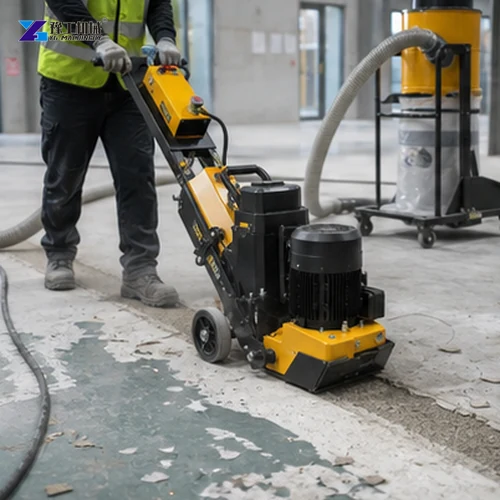
Compare blast wheel power, working width, drive control, separator design, abrasive capacity, dust outlet, hose size and compatible collector airflow. The separator must return usable shot while removing dust and coating fragments. Poor separation increases wear and contaminates the blast pattern.
The collector should maintain negative pressure across the machine and hose route. Verify filter cleaning, dust-bin capacity and whether the collector can travel with the machine. The table provides a buyer-focused comparison structure rather than unsupported model claims.
| Selection Factor | Compact Machine | Wider Machine |
| Floor Layout | Rooms, aisles and obstacles | Large open slabs |
| Edge Percentage | Handles restricted routes better | Needs separate edge plan |
| Power And Transport | Lower access burden | Higher utility and handling demand |
| Production Basis | Actual test rate | Actual test rate |
| Required Package | Collector, hose, shot and wear parts | Collector, hose, shot and wear parts |
Daily output must be estimated from the complete cycle. Include turning, overlap, edge grinding, abrasive recovery, filter cleaning, waste handling and inspection rather than multiplying blast width by maximum travel speed. Open warehouse floors may support long straight passes, while occupied plants and divided rooms lose time at every obstacle and cable move.
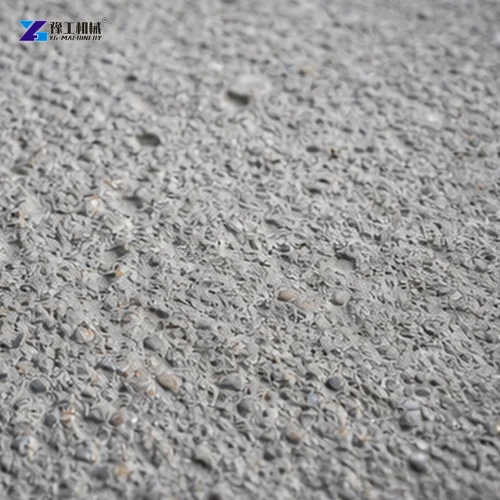
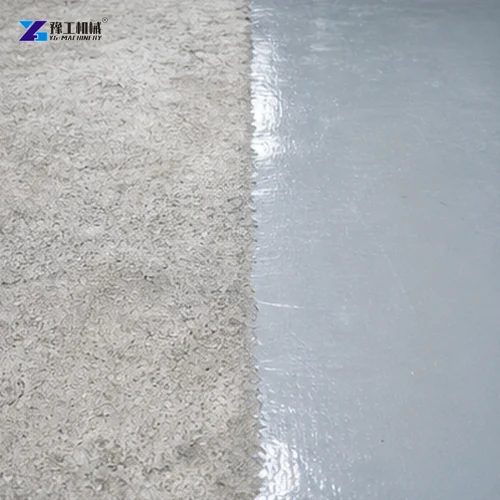
Profile and removal are separate acceptance questions. A machine can expose clean concrete but still leave a profile that is too shallow or too aggressive for the next system. Agree how residual coating, aggregate exposure and edge transitions will be judged before pricing the work, then use those criteria to compare machine size and pass strategy.
When two models appear suitable, compare the complete support package: dust collector airflow, separator adjustment, available abrasive, blast-wheel wear parts, cable length, edge-treatment tools and operator training. These items determine whether the selected production rate can be maintained after the first test area.
How Are Abrasive And Wear Costs Controlled?
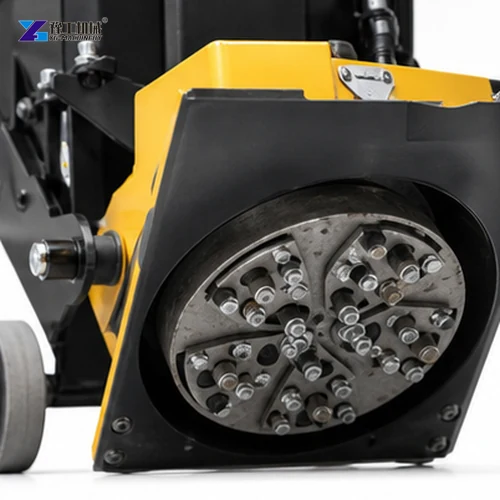
Choose steel shot size for the machine and target profile, then keep mixed abrasive clean. New shot restores the operating mix as particles wear. Excess dust, broken shot or coating debris reduces consistency and increases component wear.
Inspect blades, control cage, wheel liners, seals and brush skirts. Track abrasive additions and replaced parts against processed area. A lower purchase price is not economical if poor sealing loses shot or a weak separator shortens wheel-part life.
Not sure which configuration fits your project? Send the working conditions and YG can review a practical Floor Shot Blaster configuration for the actual job.
What Belongs In A Floor Shot Blaster Quotation?
Provide floor area, coating type and thickness, required profile, concrete condition, edge percentage, daily shift, power, access and dust restrictions. Include photographs and a sample or test area when removal behavior is uncertain.
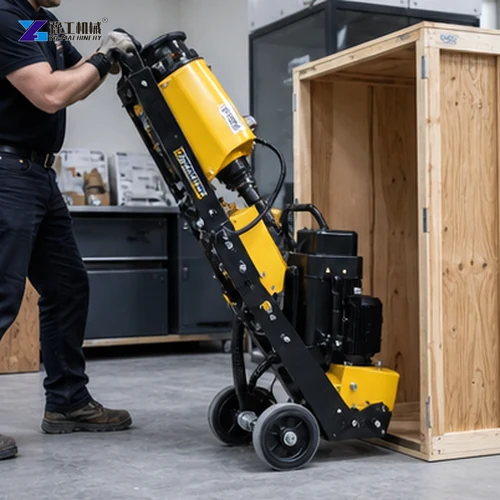
Compare the steel shot blasting machine, mobile shot blasting system and shot blasting machine selection pages before requesting the final scope. Ask the quote to separate machine, collector, hose, abrasive, wear kit, packing and support.
Floor Shot Blaster FAQ
No. Coating thickness, hardness, bond and substrate condition require a test; some systems need preliminary removal.
No. Access, turning, power, dust collection and edge work can outweigh nominal width.
Use the machine-approved steel shot size and a controlled operating mix matched to the required profile.
Uneven overlap, travel speed, abrasive flow, sealing or wheel wear can cause visible pass differences.
Machine, collector, hose, abrasive, wear kit, power data, packing, delivery and support should be identified.
Prepare The Project Information For The Next Step
Before requesting a final offer, confirm the application, material or ground, required capacity or dimensions, carrier or power data, site access, destination and expected working schedule. A complete brief allows YG to review compatibility, included equipment, wear parts, transport and support without relying on assumptions.
Send the measured project conditions with photographs or drawings. The technical and sales teams can then prepare a configuration and quotation that reflects the actual work rather than a generic product listing.
Not sure which configuration fits your project? Send the working conditions and YG can review a practical Floor Shot Blaster configuration for the actual job.


