
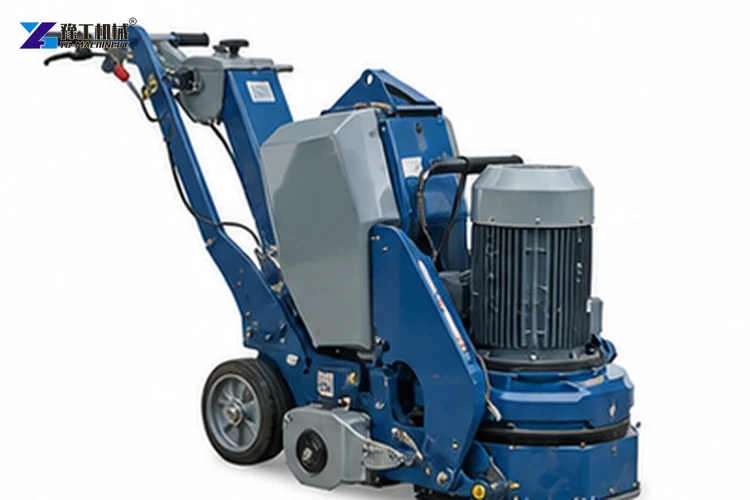
Mobile Shot Blasting Equipment is valuable when one crew must prepare floors at changing jobsites, but mobility involves more than wheels. The machine, dust collector, hoses, abrasive, wear parts and unloading method must travel as a complete package. A unit that fits the surface but cannot pass through the building or use the available power is not genuinely mobile for that project.
This article focuses on deployment rather than repeating a general floor-blaster guide. It explains vehicle loading, access surveys, utility checks, work-zone setup and recovery after the job. The aim is to help contractors price the full operating cycle and choose equipment that can move efficiently between warehouses, parking structures and renovation sites.
What Makes A Shot Blasting System Truly Mobile?
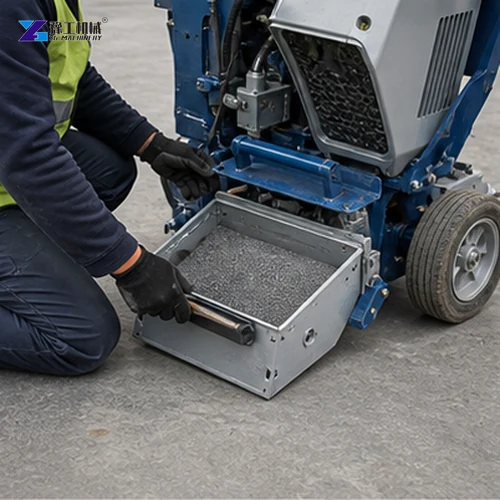
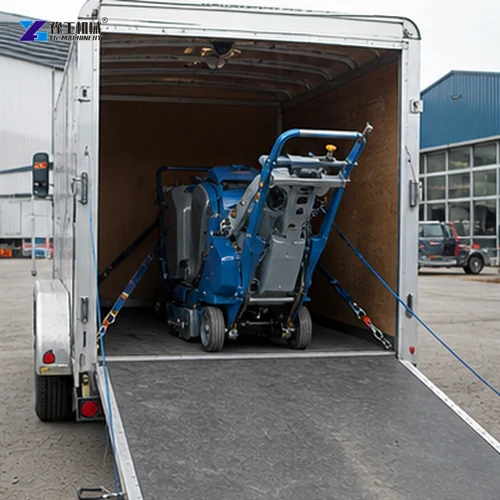
List every component that moves with the machine: collector, hoses, cables, abrasive, magnets, edge tools, filters, spares and waste containers. Record the transport weight and secure each item. A compact machine may still require a large vehicle if the collector and support kit are ignored.
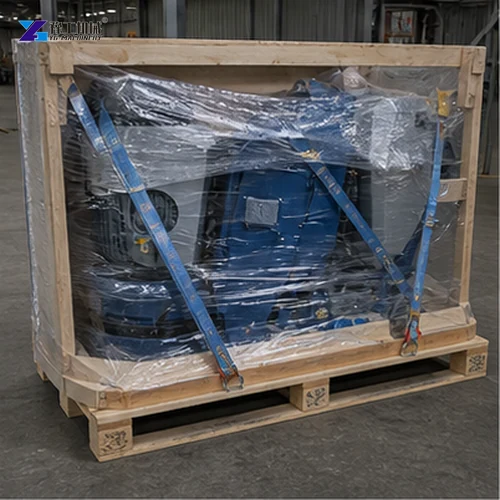
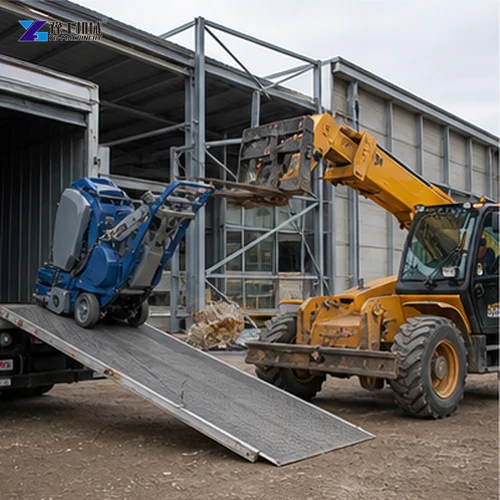
Choose loading equipment before arrival. Ramps need capacity, traction and a safe angle; lifting requires approved points and suitable equipment. The crew should be able to unload without improvising around traffic or fragile finished areas.
How Should A Jobsite Access Survey Be Completed?
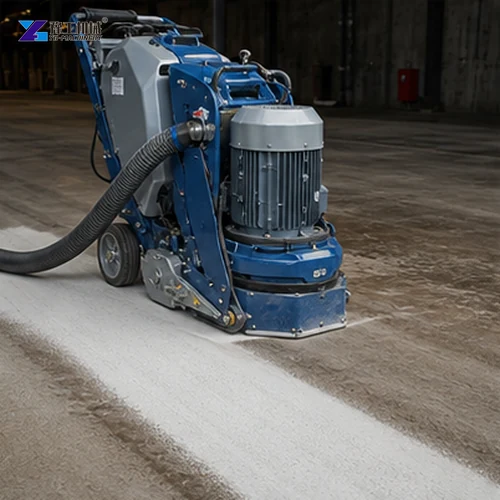
Measure vehicle access, unloading space, door width, corridor turns, elevator size and capacity, floor loading and the route to the work area. Check whether stairs, thresholds or temporary ramps interrupt movement. Record working hours and noise limits.
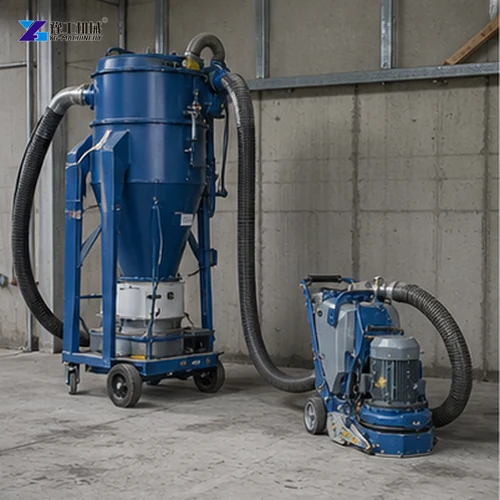
Confirm voltage, phase, frequency, breaker capacity and connection location for both machine and collector. Long cable runs cause voltage drop and create trip hazards. Plan the collector position and hose route so airflow remains effective without blocking escape or material traffic.
Not sure which configuration fits your project? Send the working conditions and YG can review a practical Mobile Shot Blasting Equipment configuration for the actual job.
Which Configuration Fits Different On-Site Jobs?
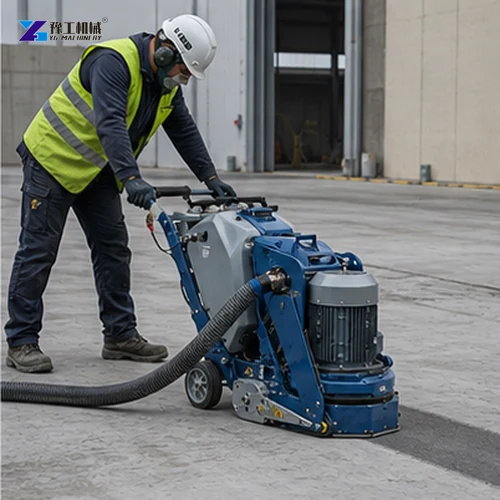
A compact system suits divided rooms, narrow routes and frequent relocation. A wider self-propelled system suits open slabs when transport and power support it. Parking decks add slope, drainage and ventilation considerations, while occupied renovations demand stronger dust-zone separation.
Use the decision table to match the system to deployment conditions. It emphasizes logistics that affect paid production time, not only blast width.
| Job Condition | Priority Check | Suitable Direction |
| Restricted Interior | Door, turn and elevator | Compact mobile system |
| Open Warehouse | Area and daily target | Wider self-propelled system |
| Parking Deck | Slope, drainage and power | Controlled mobile package |
| Occupied Renovation | Dust zoning and hours | Closed-cycle system with planned barriers |
| Multiple Sites | Loading and support kit | Transport-ready complete package |
Mobility should be checked from unloading to the final work zone. Record ramp gradient, elevator door and platform size, floor loading, turning space and the route for the dust collector. A compact blast head is not a mobile solution if its collector, cable or lifting method cannot follow it through the site.
Plan consumables around the shift rather than the whole contract. Abrasive condition, separator adjustment and filter loading change cleaning performance during production. The operator needs a defined inspection interval and enough approved abrasive, wear parts and waste capacity to finish a planned area without improvising on an occupied site.
For multi-level projects, define who moves the collector, how the equipment is protected between shifts and where spent material is stored. A written movement plan reduces damage to hoses and cables and keeps the blast path available when other trades share the building.
How Is The Mobile Work Zone Started And Closed?
Inspect the floor, protect joints and equipment, establish a test area and confirm dust collection before production. Keep abrasive and filters dry. During work, monitor sealing, recovered shot and dust-bin capacity. Separate public or operating areas with the required barriers.
At shutdown, recover loose shot, vacuum edges, inspect the surface and package waste. Clean the machine before loading so abrasive does not spill in the vehicle. Record settings and wear for the next site. A disciplined closeout shortens setup time when the crew arrives at a different floor.
Not sure which configuration fits your project? Send the working conditions and YG can review a practical Mobile Shot Blasting Equipment configuration for the actual job.
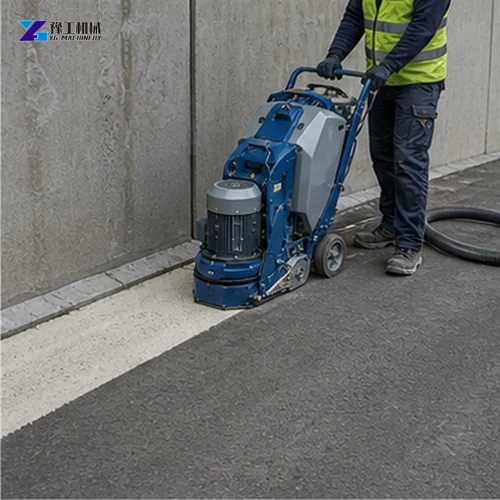
How Should Contractors Price Mobile Shot Blasting Work?
Include travel, loading, unloading, power setup, surface testing, edge preparation, blasting, abrasive, wear, filter service, waste handling and final inspection. Small sites can have high setup cost per square meter; large open sites are dominated by production and wear.
Review YG pages for floor shot blasters, concrete floor preparation and floor grinding alternatives. Send site drawings, access photographs and coating details so the quotation reflects the real deployment cycle.
Mobile Shot Blasting Equipment FAQ
Only after machine and collector dimensions, weight, door opening and elevator capacity are verified.
It should be planned as part of the mobile package, including hose, filters and power.
It depends on unloading, utilities, barriers, test passes and access; include setup separately in the estimate.
Yes for suitable surfaces after slope, drainage, power, ventilation and structural access are checked.
Provide area, coating, profile, access route, utilities, daily target, restrictions, destination and transport method.
Prepare The Project Information For The Next Step
Before requesting a final offer, confirm the application, material or ground, required capacity or dimensions, carrier or power data, site access, destination and expected working schedule. A complete brief allows YG to review compatibility, included equipment, wear parts, transport and support without relying on assumptions.
Send the measured project conditions with photographs or drawings. The technical and sales teams can then prepare a configuration and quotation that reflects the actual work rather than a generic product listing.
Not sure which configuration fits your project? Send the working conditions and YG can review a practical Mobile Shot Blasting Equipment configuration for the actual job.