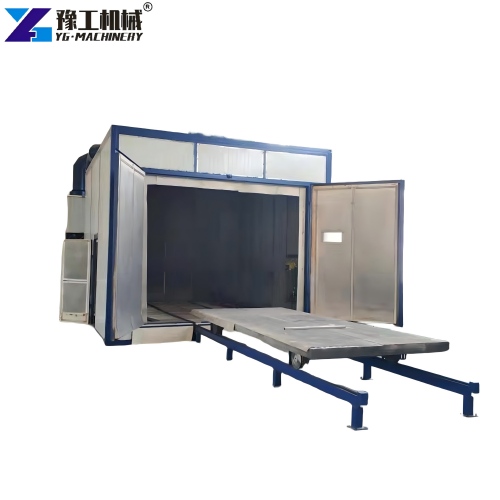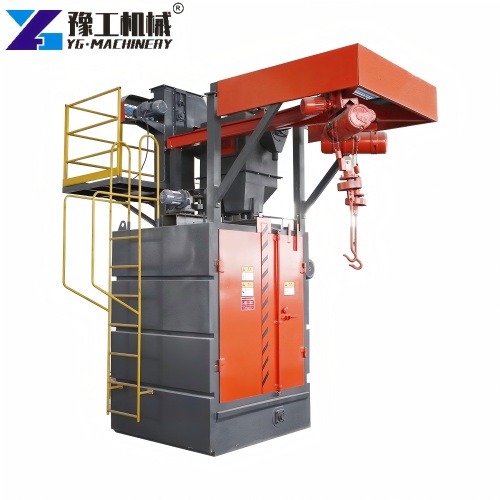
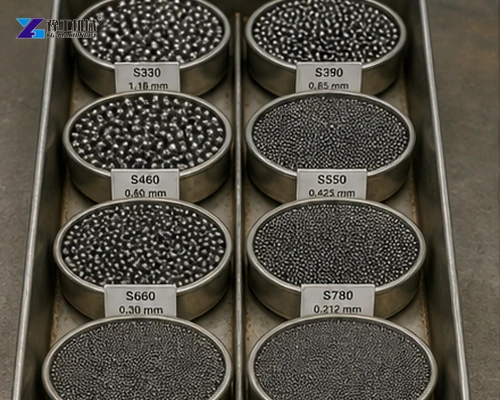
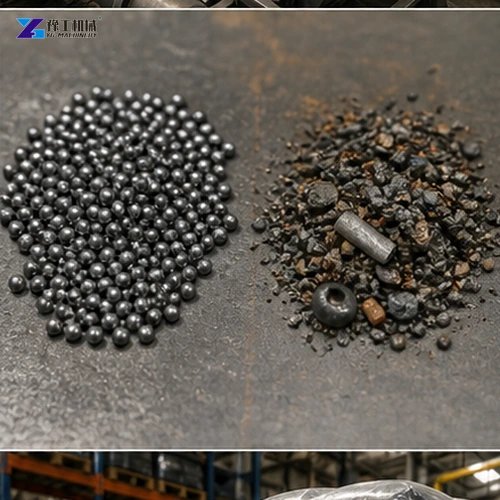
Steel shot blasting media is a working process input, not a one-time accessory. New shot has a controlled nominal size, but the operating mix inside a machine also contains rounded particles, smaller worn particles, dust and contaminants. Cleaning speed and surface profile therefore change when a plant buys the same bag grade but does not control the circulating mix. The purchasing task begins with the required surface result and the installed separator, not with price per tonne.
A useful media plan links particle size, hardness and durability to the workpiece, blast wheel, target cleanliness, profile range and coating system. It also states how the mix will be sampled and replenished. The objective is repeatable production: enough impact energy to remove scale without creating an excessive profile, damaging thin edges or overloading the dust and recovery system.
Abrasive choice must be checked with the recovery and separation system in the industrial shot blasting equipment; buyers can also compare the machine-side controls explained in the steel shot blaster surface profile guide.
What Surface Result Must The Steel Shot Produce?
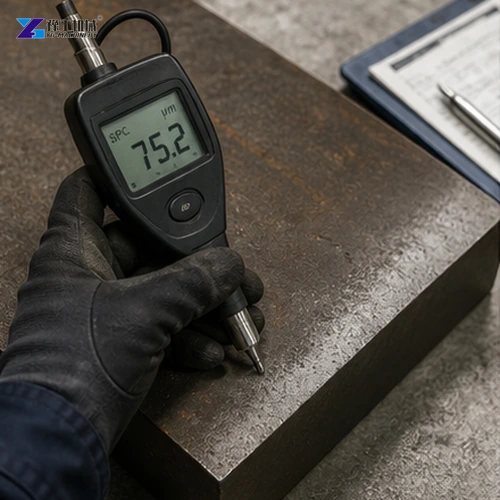
Start with the coating or customer standard, substrate thickness, existing scale and required profile. Use representative steel with normal contamination and measure cleanliness and profile after a defined exposure.
Large shot transfers more impact energy and can support heavy scale removal, while smaller shot reaches recesses and increases impacts per unit mass. Neither is universally better. Record wheel speed, feed rate and shot flow with the accepted sample so the result can be reproduced.
Keep the surface target separate from the media label. A purchasing change is justified only if the proposed operating mix can reproduce the required result on the same workpiece family. Comparing clean-looking photographs from different substrates or exposure times cannot establish that equivalence.
Share the required cleanliness grade, surface profile and coating process so the working media can be checked against the finish target.
How Should Size And Hardness Be Selected?
Specify a recognized size distribution rather than a vague description such as medium shot. Hardness affects how the particle deforms, breaks and transfers energy.
A harder grade may hold shape and cut more aggressively, but it can also increase wear or fracture if the machine and application are unsuitable. Review wheel blades, liners, elevator, screw conveyors and separator settings with the supplier. The selected media must suit both the required profile and the components that circulate it.
Send the required surface profile, cleanliness standard and workpiece material. YG can compare shot size and hardness using the actual acceptance target.
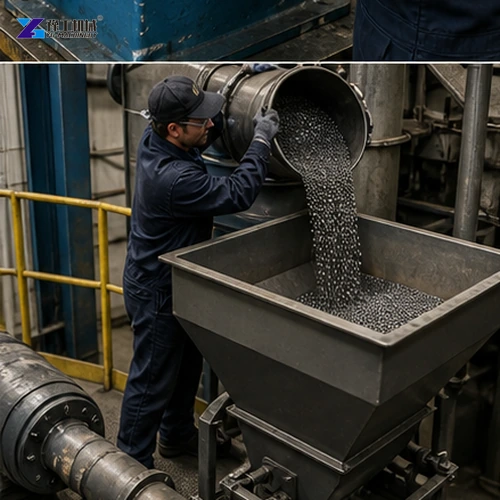
Which Media Data Belong In The Purchase Specification?
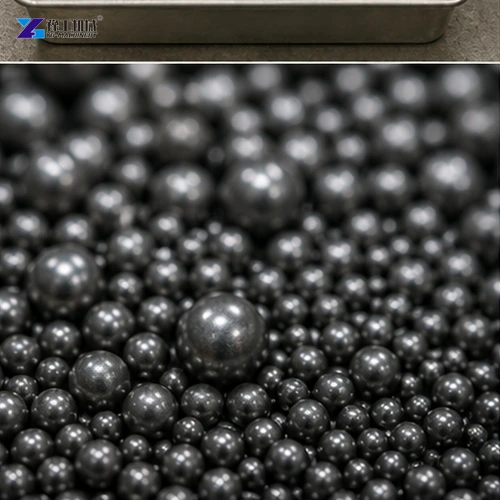
The table is a procurement checklist rather than an invented universal model range. Require the supplier to declare the applicable standard, nominal grade, particle-size distribution, hardness range, density, shape, chemistry, packaging, lot identification and test certificate.
| Required field | What to record |
| Applicable standard | Declared grade and test method |
| Nominal size | Full particle-size distribution |
| Hardness | Declared range and method |
| Bulk density | Supplier test value and tolerance |
| Shape | Roundness and allowable defects |
| Chemistry | Declared composition limits |
| Packaging | Net mass, moisture protection, lot ID |
| Acceptance evidence | Certificate plus retained sample |
Agree the sampling method and acceptance limits before the first shipment. These fields make quotations comparable and allow incoming inspection to find an off-spec lot before it is mixed into the machine.
Keep a retained sample from each incoming lot and compare it with the declared size and hardness evidence. Packaging damage, moisture or mixed identification should be resolved before material reaches the hopper. Once an off-spec lot enters the circulating charge, isolating its effect becomes far more expensive.
Send the workpiece material, thickness and installed blasting system to compare a suitable shot size and hardness range.
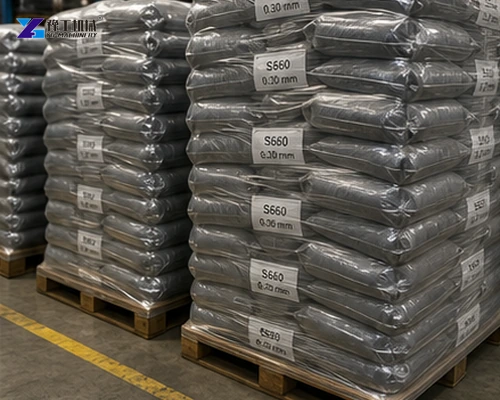
How Is The Operating Mix Kept Stable?
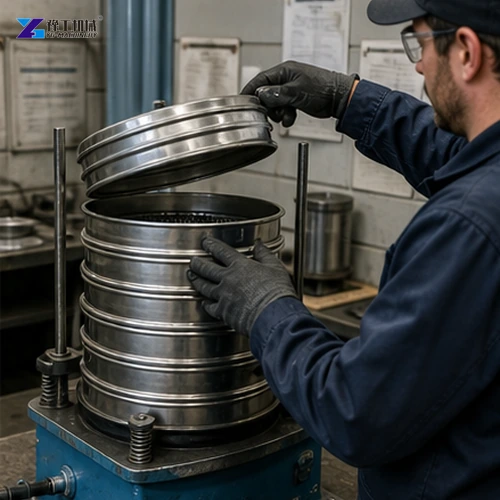
A machine rarely operates on new shot alone. Additions replace particles removed as dust, carryout or leakage. Use a regular sample from the circulating stream, sieve it, inspect shape and compare the distribution with the approved operating mix.
Define who samples, which sieve method is used, how results are accepted and when corrective action is required. A simple control chart gives production, maintenance and purchasing the same reference and prevents informal adjustments from becoming an undocumented process.
Adjust separator airflow and screens before simply adding more media. Log additions against tonnes or hours processed. A sudden increase may indicate carryout, separator loss, leakage or excessive breakdown rather than higher legitimate consumption.
Trend profile and cleanliness alongside media additions, processed tonnage and separator checks. Consumption alone cannot distinguish normal wear from carryout, leakage or aggressive separator airflow. A combined record shows whether the process changed after maintenance, a new workpiece or a supplier lot.
Take samples at a consistent point and under a documented operating condition. A sample taken immediately after replenishment may differ from one collected later in the shift. Record the timing, recent additions and workpiece family with the result, so a change in the sampling routine is not mistaken for a change in abrasive quality.
What Contamination And Wear Signs Require Action?
Wire, scale flakes, sand, oil and broken machine parts can enter the mix. Contamination blocks nozzles, damages wheels and changes the surface.
Inspect wheel blades, control cage, liners, elevator and screw conveyors when media distribution changes unexpectedly. Worn mechanical parts alter velocity and flow, so repeatedly changing shot grade can mask the real fault and increase both abrasive and maintenance cost.
Inspect the magnetic separator or scalping screen, elevator buckets, seals and dust collector. Track blade wear and current draw because a stable media specification cannot compensate for a worn wheel. Quarantine suspect media and compare surface-profile results before returning a repaired system to normal production.
Agree how off-spec media is quarantined and how the machine is cleaned before a replacement lot is introduced. Traceability protects both the workpiece and later root-cause analysis.
Share recent sieve results, media additions and separator observations. YG can help distinguish a purchasing issue from a machine-control problem.
Provide the separator settings, replenishment record and recent surface results so YG can review whether the operating mix is stable.
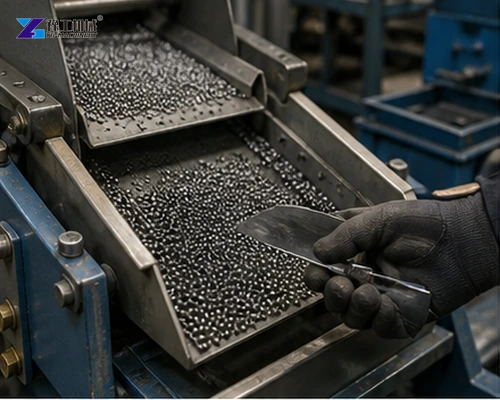
How Should Media Consumption And Surface Results Be Reviewed Together?
Treat the approved operating mix as a controlled production recipe. Purchasing should notify production before changing grade, supplier or packaging, while maintenance should record separator and wheel changes that can alter consumption. Quality staff can trend profile, cleanliness and media distribution on the same timeline. This shared record reveals whether cost changes come from abrasive durability, carryout, machine condition or a different workpiece mix. Review the baseline after major repairs and retain samples from unusual lots.
Use total processed tonnes and accepted surface area to compare media cost, not purchase price alone. A durable mix that maintains profile and reduces separator loss may lower cost even when the delivered price per tonne is higher. Review the cost record by workpiece family.
What Evidence Should Be Sent For A Media Recommendation?
Send the machine type, wheel diameter and power, current media grade, workpiece material and size, contamination, conveyor speed, target cleanliness and profile, coating specification, hourly throughput and present consumption.
A complete recommendation should state starting charge, replenishment rate assumptions, inspection frequency, packaging, certificates, trial conditions and the machine settings used to reach the target profile.
Add clear photographs of the cleaned surface, separator discharge and used mix. A useful proposal identifies the trial grade, starting charge, replenishment method, expected inspection routine and assumptions that still require confirmation.
Keep the recommendation conditional on the evidence supplied. Where hardness, chemistry or the distribution is not yet confirmed, request the missing supplier declaration rather than treating a generic media description as a tested grade. This protects the machine-side comparison without inventing a YG abrasive specification.
Submit representative parts, current media data and the acceptance standard for a project-specific media recommendation.
REQUEST A MEDIA RECOMMENDATION
Steel Shot Blasting Media Buyer Questions
No. Scale, geometry, thickness, profile and machine settings change the useful operating mix.
Worn media, a shifted size distribution, reduced wheel flow or wheel wear can lower impact.
No. Maintain a controlled operating mix unless testing identifies contamination or an unacceptable distribution.
Verify lot documents, packaging, moisture, size distribution, hardness and retained sample.
Use the inquiry form to provide the present grade, machine configuration and surface acceptance record together. The first decision is whether the operating mix or machine condition needs attention; a replacement grade should follow that diagnosis. Numerical media limits still require supplier confirmation before this draft is ready for publication.