A small dredge pump for pond sediment must be selected from the material, required mixture flow and complete discharge route. Pond depth alone does not define pump head. Record solids size, sediment concentration, vertical lift, hose length, bends, access and the final discharge point before matching a pump.
This page turns those measurements into a practical pump duty for irrigation ponds, settling basins and small channels. It also shows how YG model flow and lift data should be compared without mixing values from different configurations.
Send the pond depth, sediment photos, target flow and discharge route for an initial duty review.
Survey Pond Sediment Before Sizing a Small Dredge Pump
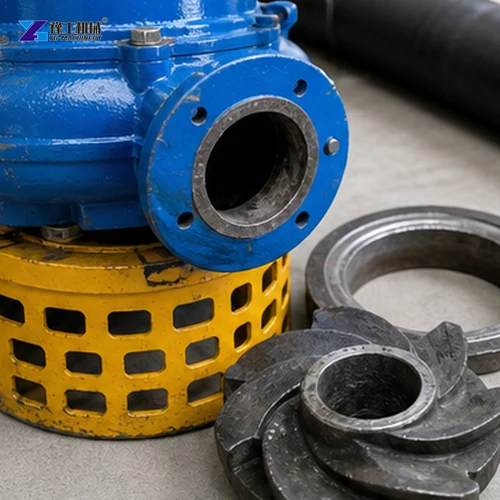
Take samples from several locations and depths. A soft organic layer may cover compact clay, abrasive sand or gravel. Record layer thickness, largest particle, visible rubbish, roots and stones. These observations determine inlet protection, solids passage, agitator requirements and the wear materials exposed to the slurry.
Estimate the solids concentration expected during normal work rather than quoting only clear-water flow. Dense slurry increases system resistance and wear. Oversized debris should be screened or removed before it reaches the inlet, while cohesive deposits may need controlled agitation before the pump can maintain a stable feed.
Calculate Small Dredge Pump Flow and Total Discharge Head
Separate vertical lift from horizontal distance. Measure the elevation between the pump and discharge point, the full hose route, internal diameter and every bend. Then add the effect of slurry density and planned operating concentration. The pump must reach the required mixture flow at that total duty, not only at a clean-water test point.
A 140 m³/h project duty remains useful only when the selected pump can deliver it against the measured head. A long or restrictive route may require a different hose diameter, another pump operating point or a booster arrangement. Increasing engine power alone does not correct an unsuitable hydraulic route.
Provide the target flow, vertical lift and complete hose route so YG can check the operating point.
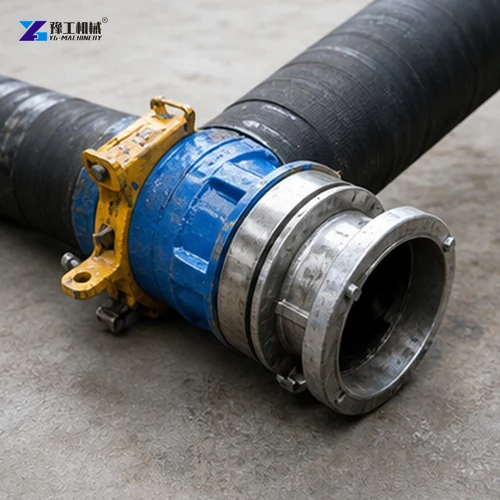
Compare YG Small Dredge Pump Model Data
YG excavator-mounted dredge pump configurations combine a model flow and lift point. The values below must stay together because higher flow does not automatically provide higher lift.
| Model | Flow | Lift |
| YG200-15 | 200 m³/h | 15 m |
| YG150-30 | 150 m³/h | 30 m |
| YG300-20 | 300 m³/h | 20 m |
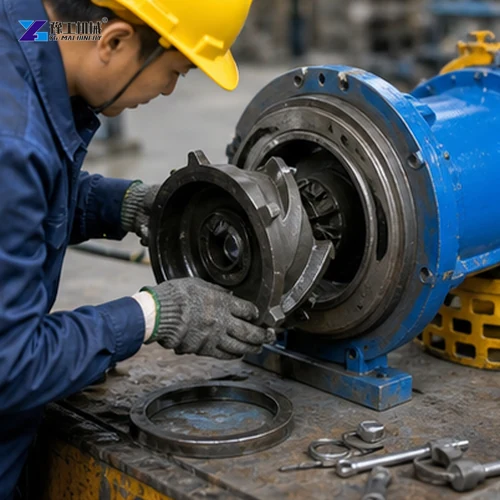
Use the measured duty to decide which model point deserves further checking. YG200-15 emphasizes flow at a 15 m lift reference, YG150-30 trades flow for a 30 m lift reference, and YG300-20 increases flow at a 20 m lift reference. Final approval still requires sediment concentration, solids size, excavator hydraulic data, attachment mass and the actual hose route.
Send the excavator model, auxiliary hydraulic data and measured pump duty for model matching.
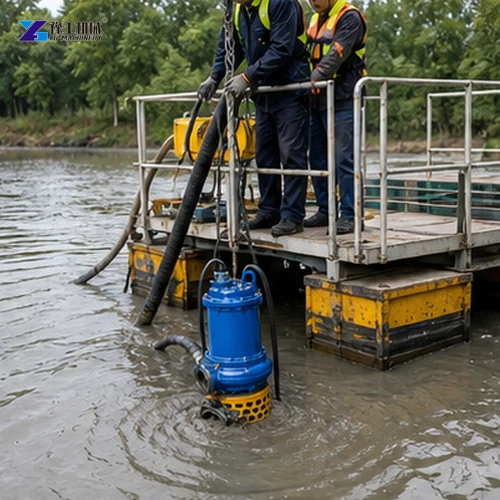
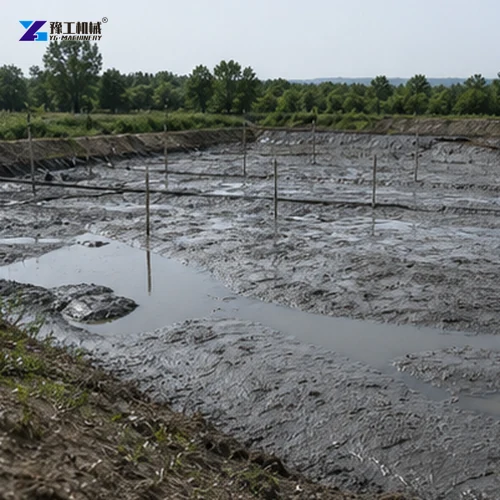
Plan the Small Dredge Pump Pipeline and Recovery Route
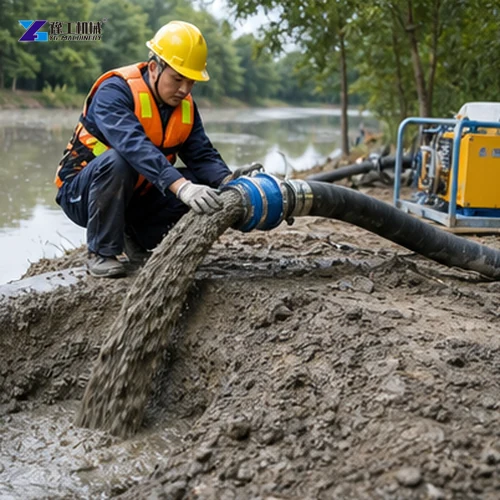
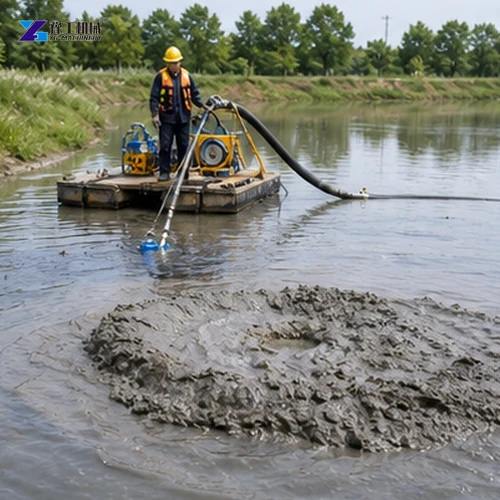
Decide whether the pump works from a floating frame, an excavator or a fixed bank support. Keep the inlet close enough to the sediment without burying it. The crew also needs a defined recovery path when debris blocks the inlet or the wet end requires inspection.
Support the discharge hose, avoid sharp bends near the outlet and protect the line from vehicles. Plan lifting points and isolate hydraulic or power sources before maintenance. On soft banks or deeper water, safe recovery and hose management may control the equipment choice as much as the nominal pump capacity.
Prepare an Accurate Small Dredge Pump Quotation
Send a pond sketch, water and sediment depth, photographs, sediment sample description, estimated volume, largest solids, completion target, discharge elevation, pipeline length, bends, power source, bank access, lifting plan and destination. These inputs define the pump, agitator, hose and support equipment as one system.
For wider project planning, compare the hydraulic dredge pump, small dredging equipment guide and pond dredging equipment. Each page covers a different equipment scope, so a pump-only request is not confused with a complete dredging platform.
Combine the sediment, hydraulic and route information in one project brief before requesting a quotation.
Small Dredge Pump FAQ
Yes, when the selected solids passage, flow velocity and wear materials match the sand size and concentration. State abrasive duty before model selection.
No. Total duty also includes discharge elevation, pipeline friction, bends and slurry density.
YG150-30 lists a 30 m lift with 150 m³/h flow. It should be checked against the actual sediment and hose route before selection.
Low transport velocity, oversized debris, dense slurry, sharp bends and an obstructed inlet are common causes.
Provide sediment data, target flow, solids size, water depth, full discharge route, excavator or power data, access and destination.
Request a Small Dredge Pump Configuration
A complete project brief allows YG to review model compatibility, included equipment, hose scope, wear parts, packing and transport without relying on assumptions.
Submit the measured pond conditions, route drawing and excavator or power information below. The selected model and all project-specific fields will be confirmed in the final quotation.