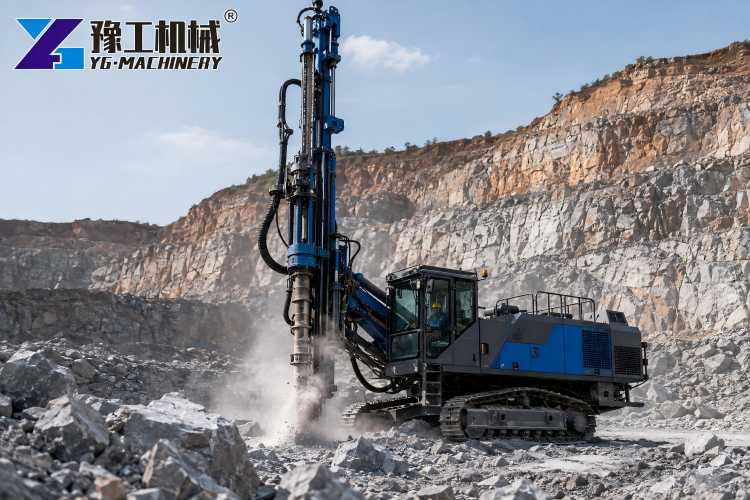
When you buy drilling equipment from overseas, choosing the right DTH drilling rig supplier can matter as much as choosing the machine itself. A suitable rig still needs the correct hammer, drill bit, rods, and air compressor, while long-term operation depends on spare parts and technical support. A low quotation can quickly lose its advantage if the machine arrives with an unsuitable configuration or replacement parts are difficult to obtain.
For this reason, supplier evaluation should go beyond catalog specifications. Buyers should check whether the company understands the drilling application, can explain the complete equipment configuration, provides clear testing and delivery information, and remains available after the machine is working. These points help reduce procurement risk before a deposit is paid.
What Should a DTH Drilling Rig Supplier Ask About Your Project?
A supplier who recommends a model immediately after receiving only the required drilling depth may not have enough information to make a reliable selection. Hole diameter, rock conditions, compressor capacity, project workload, altitude, terrain, and transportation limitations can all change the suitable configuration. The same DTH rig may perform very differently when it is matched with different drilling tools and air systems.
Before preparing a final quotation, a professional supplier should normally ask about:
- Required hole diameter
- Typical drilling depth
- Rock type and hardness
- Mining, quarry or construction application
- Daily drilling target
- Existing compressor model
- Site altitude
- Site access conditions
- Transportation restrictions
- Destination country
These questions show whether the supplier is trying to match equipment to the project rather than simply sell an available machine. A capable DTH drilling rig supplier should also explain which information has the greatest effect on the recommended configuration.
DTH Drilling Rig Parameters for Model Comparison
Machine parameters remain important, but they should be used as one part of supplier evaluation rather than becoming the entire purchasing decision.
| Model | Weight | Drilling Diameter | Diesel Tank | Shipping Size |
| YGS100A | 5.95 T | 90–146 mm | 85 L | 6500 × 2100 × 2400 mm |
| YGS153 | 3.8 T | 83–130 mm | 70 L | 4640 × 1980 × 2260 mm |
| YGS180 | 6.3 T | 90–146 mm | 85 L | 6600 × 2110 × 2500 mm |
| YGS300 | 6.8 T | 90–152 mm | 85 L | 6600 × 2220 × 2600 mm |
| YGS350 | 8 T | 90–165 mm | 225 L | 7600 × 2350 × 2800 mm |
A supplier should be able to explain why one model fits your job better than another. For some customers, a larger maximum hole diameter is important, while others need a lighter machine that is easier to transport between quarry benches or construction sites. Simply recommending the largest model is not a substitute for technical matching.
Detailed machine information can be reviewed on the YG DTH Drilling Rig product page. This supplier guide focuses instead on how to judge the company and quotation behind that equipment.
Check Whether the Supplier Can Match the Complete Drilling System
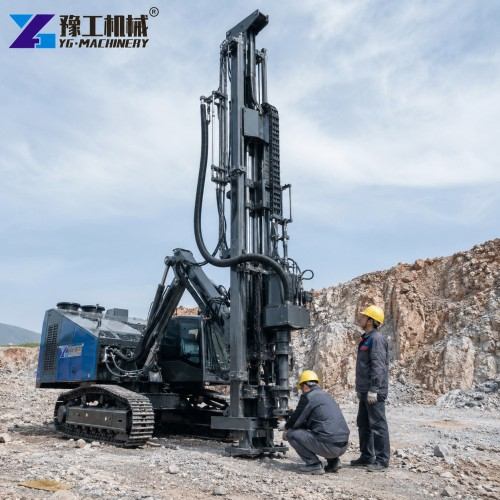
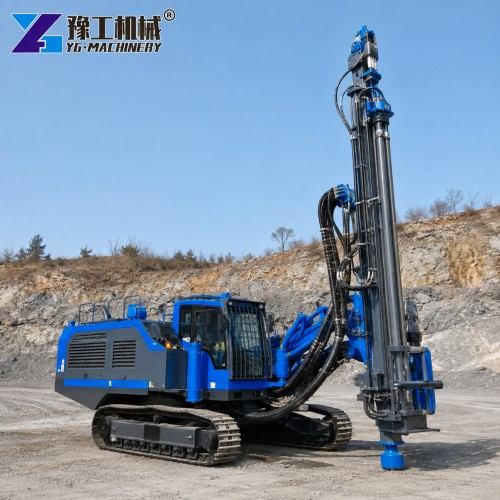
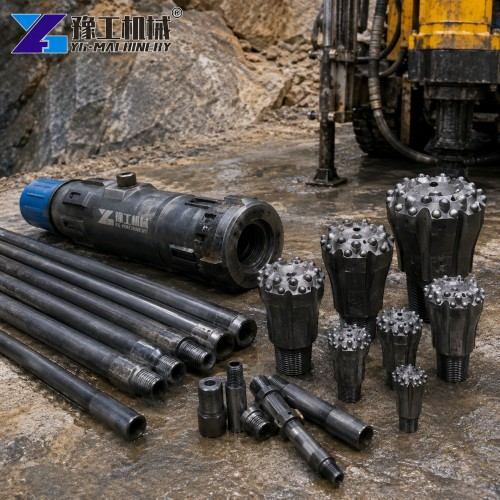
A DTH rig does not work independently. The drilling machine, air compressor, hammer, bit, rods, and adapters operate as one system, so incompatibility between these components can reduce drilling efficiency. Compressor pressure and airflow are especially important because the hammer relies on compressed air for impact energy and hole cleaning.
If you already own an air compressor, send its model, working pressure, and airflow information before the machine configuration is confirmed. The supplier should check compatibility with the target hole diameter and hammer rather than assuming that every compressor can support every drilling requirement. This is one of the simplest ways to judge the technical capability of a DTH drilling rig manufacturer.
Buyers who need a complete package should ask the supplier to specify the hammer, bit, rods, and compressor requirements in the same proposal. A clear system configuration reduces the risk of receiving equipment that cannot work efficiently together.
How to Check Factory and Quality-Control Capability
Price lists are easy to send, but they do not show how equipment is prepared before shipment. Before choosing a DTH drilling rig supplier, ask what inspections are completed during production and what testing is performed before packing. Photos and videos of the actual machine can also help confirm that the finished configuration matches the purchase order.
A useful pre-shipment inspection should verify the machine model, major components, operating functions, hydraulic system, control operation, crawler movement, drilling mechanism, and included accessories. Buyers should also confirm the machine serial number and check that tools and spare parts listed in the contract are packed with the equipment.
For larger orders, request a clear factory acceptance process before shipment. The goal is not simply to watch a machine running in a short video; it is to confirm that the delivered configuration matches the commercial and technical agreement.
Compare Quotations by Scope, Not Only by Final Price
Two DTH rig quotations can differ significantly because they include different equipment. One supplier may quote only the drilling machine, while another includes drill rods, hammer, bits, tools, spare parts, compressor recommendations, and packing. Looking only at the final number can therefore create a misleading comparison.
A complete quotation should clearly identify:
- Exact drilling-rig model
- Main machine configuration
- Drilling diameter range
- Included drill rods
- Included DTH hammer
- Included drill bits
- Compressor requirement
- Standard tool kit
- Spare parts
- Optional accessories
- Packing method
- Delivery time
- Warranty scope
- Shipping terms
Ask each supplier to state what is not included as well. This allows you to compare quotations using the same project scope and reduces the chance of discovering missing components after payment.
Spare Parts Are Part of the Purchasing Decision
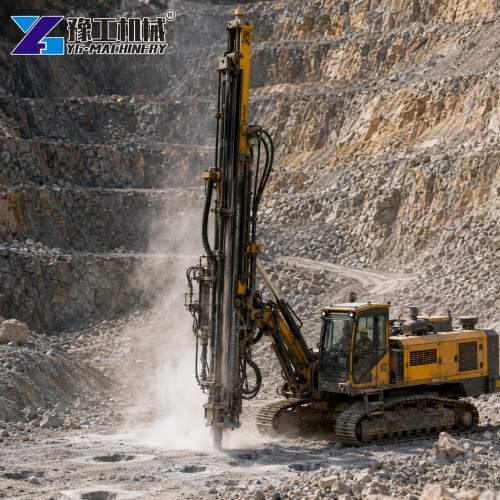
Most industrial equipment eventually needs filters, seals, hoses, wear parts, hydraulic components, drill tools, and other replacement items. A machine that performs well but remains idle while waiting for a small part can create significant project losses. This is especially important in mining and quarry operations where drilling may be connected directly to blasting and production schedules.
Before ordering, ask the DTH drilling rig supplier which parts should be stocked locally from the beginning. Common wear items can often be shipped with the machine so that basic maintenance does not depend on a future international shipment. Buyers should also know how replacement parts are identified when an issue occurs.
A useful supplier should be able to work from the machine model, serial information, part photos, or technical drawings to identify the correct component. Clear parts identification is a practical sign of after-sales capability.
What Does Good After-Sales Support Actually Mean?
“Good service” is too vague to use when comparing suppliers. Buyers should ask exactly how technical questions are handled, what documentation is available, and what happens when the machine develops an operating problem. This makes after-sales support something that can be evaluated rather than a marketing promise.
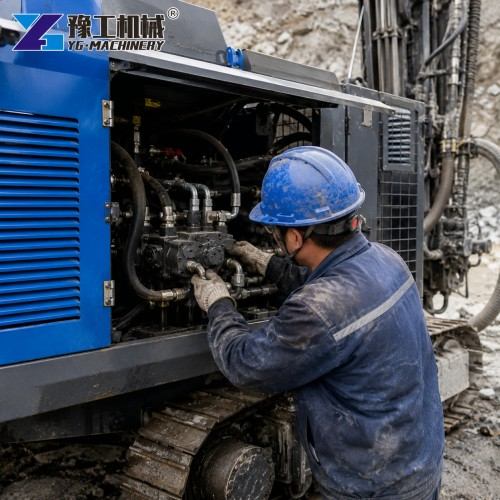
Important questions include whether operating manuals are supplied, whether basic maintenance guidance is available, how warranty claims are handled, and how quickly technical staff normally respond. For international buyers, remote diagnosis using photos and videos can also be important because an engineer may not always be able to reach the job site immediately.
Training should be discussed before delivery as well. Operators who understand daily inspection, lubrication, drill-tool use, and basic fault recognition can prevent many avoidable problems. A stronger service system protects both machine uptime and the buyer’s investment.
Consider Total Cost of Ownership Before Negotiating the Last Discount
The cheapest rig does not always create the lowest drilling cost. Fuel, compressor operation, drill bits, hammers, rods, maintenance, labor, transportation, and downtime continue to affect the project long after the machine has been purchased. Buyers should therefore look at cost per productive drilling hour or drilled meter rather than only the equipment invoice.
Tool compatibility can have a significant effect on this calculation. If the machine repeatedly uses unsuitable bits or the compressor cannot provide the air required by the hammer, drilling speed and tool life may suffer. A technically competent supplier can help reduce this risk before the equipment reaches the site.
Price negotiation still matters, but it should come after the correct configuration has been established. Reducing a quotation by removing equipment that the project actually needs does not reduce the real project cost.
Questions to Ask Before Paying a Deposit
A final supplier review should be simple enough that purchasing teams can use it as a checklist. Every important point should be confirmed in writing before production or shipment begins.
- Why is this particular model recommended for our project? The explanation should connect hole diameter, geology, workload, and site conditions with the machine configuration.
- What compressor and drilling tools are required? Confirm pressure, airflow, hammer, bit, rods, and included quantities.
- What exactly is included in the quotation? Machine, tools, spare parts, accessories, packing, and shipping terms should be clearly separated.
- How will the machine be tested before shipment? Ask which functions are inspected and whether actual-machine photos or videos can be provided.
- Which spare parts should be purchased with the rig? Keeping critical wear items on site can reduce future downtime.
- How are technical problems handled after delivery? Confirm warranty, documentation, remote support, and parts identification procedures.
If a supplier cannot give clear answers to these questions, a lower quotation deserves closer scrutiny. The quality of the purchasing process often predicts how easy communication will be after delivery.
Why Choose YG Machinery as Your DTH Drilling Rig Supplier?
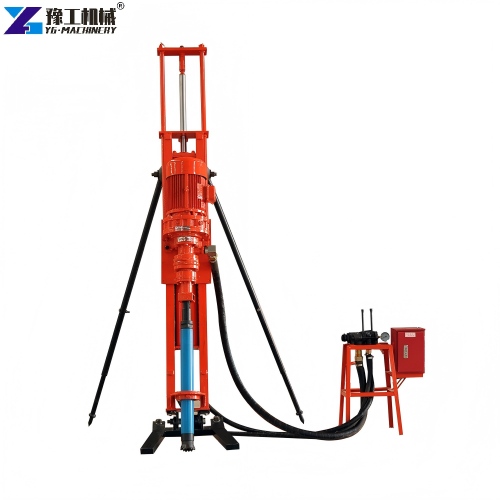
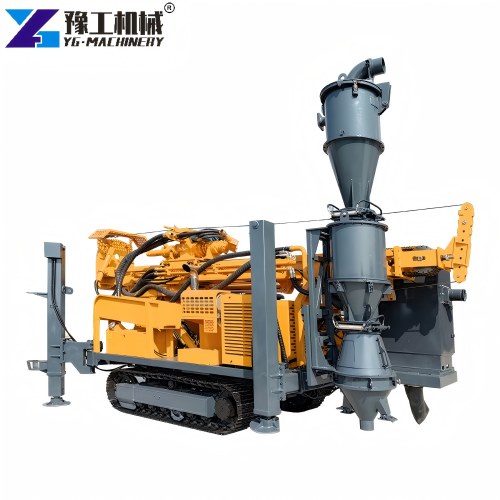
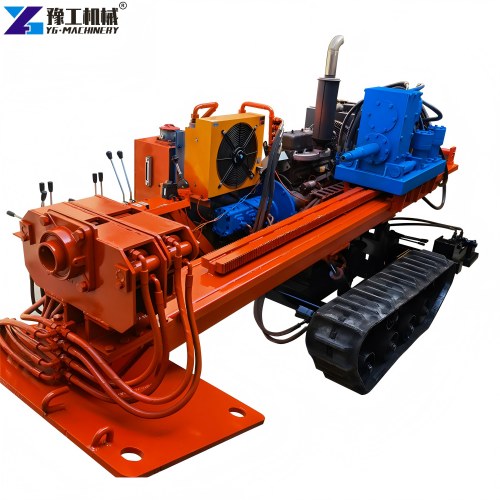
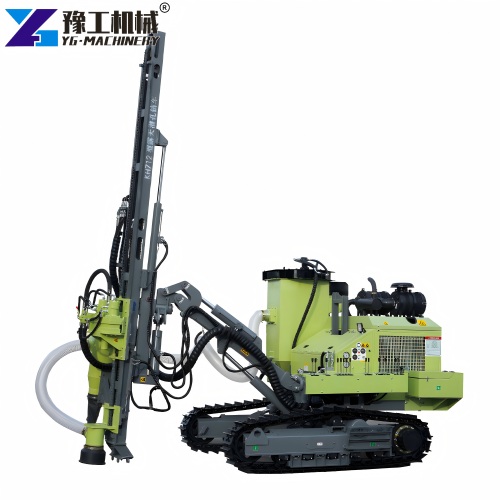
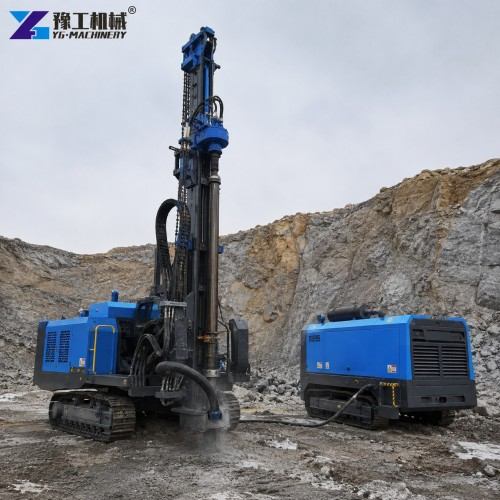
YG Machinery provides DTH drilling equipment for quarrying, mining, rock excavation, blasting, and construction applications. Different crawler models allow buyers to compare drilling diameter, machine weight, transport dimensions, and operating requirements according to actual project conditions.
More importantly, equipment selection can be considered together with the required compressor, hammer, drill bits, rods, spare parts, and shipping arrangement. If you are looking for a DTH drilling rig supplier, send YG your rock type, required hole diameter, drilling depth, available compressor information, expected workload, and destination country. Our team can use those details to prepare a more suitable equipment configuration and quotation.