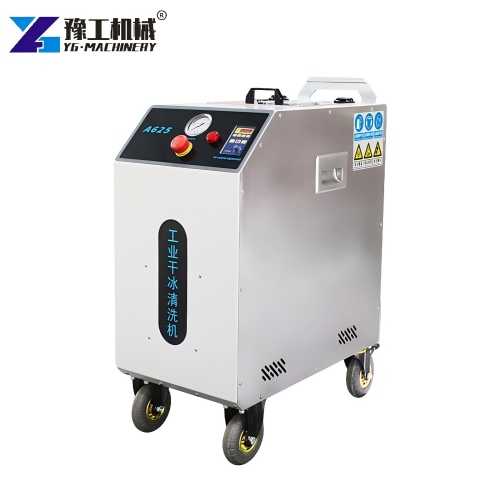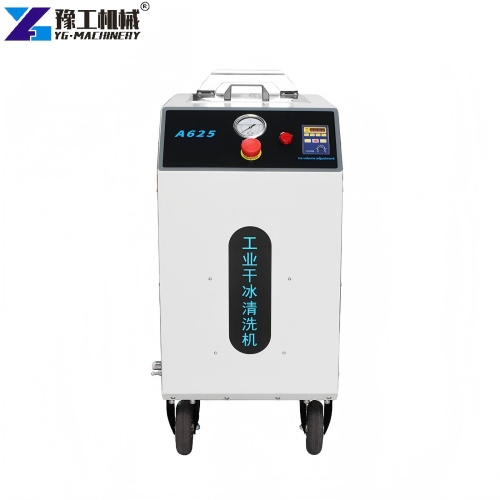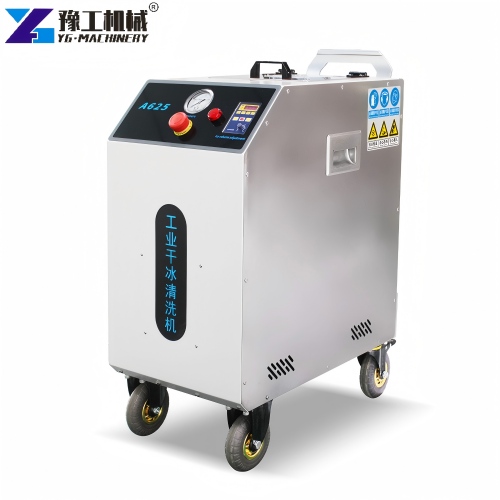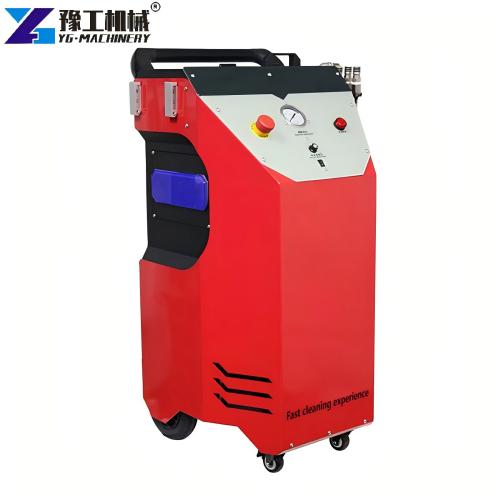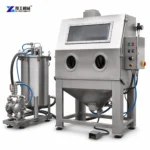
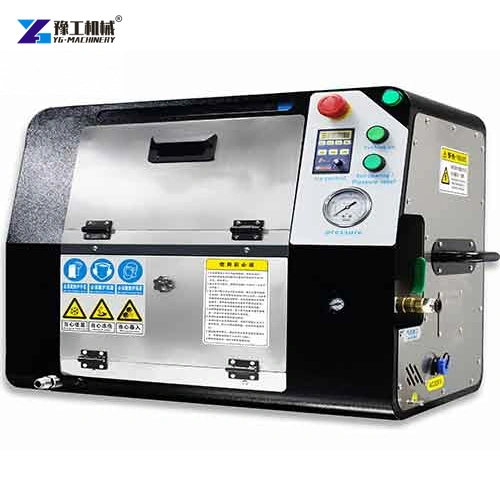
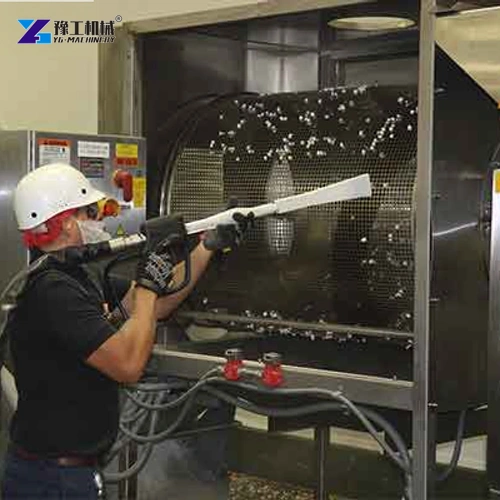
A dry ice cleaning machine propels dry-ice pellets through a hose and nozzle using compressed air. The impact and rapid warming of the pellets help loosen contamination; the dry ice then sublimates into carbon dioxide gas, so the cleaning process does not leave a second solid abrasive behind. The machine is used for selected automotive service and equipment-cleaning tasks, but the result still depends on the contaminant, the surface and the access available to the nozzle.
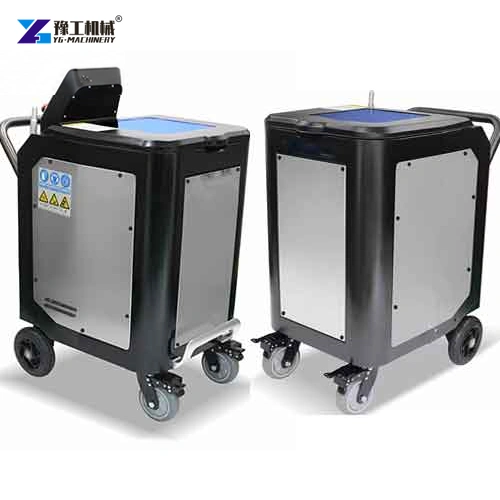
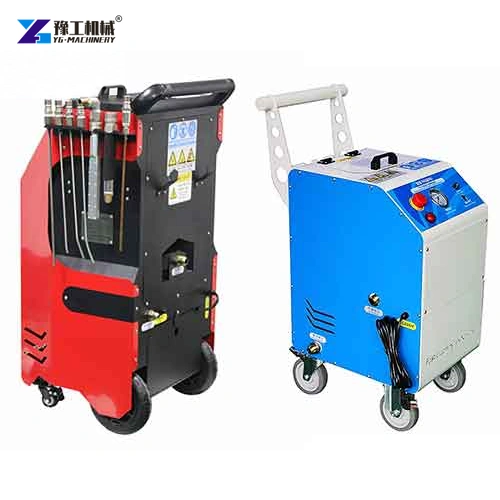
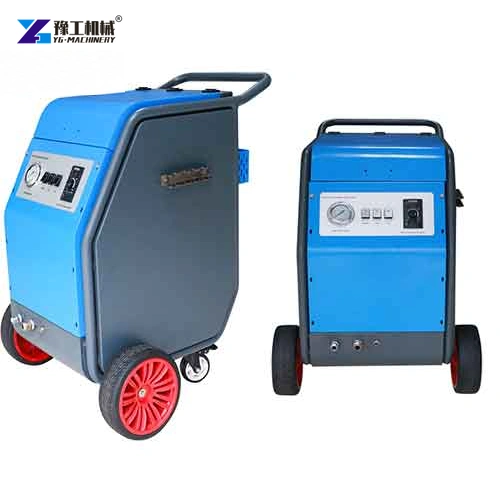
YG lists ICE-JET 3.0, ICE-JET 6.0, ICE-JET 15 and ICE-JET 40. When choosing a dry ice cleaning machine, compare hopper capacity, pellet consumption and air demand together. The figures describe distinct configurations; they are not a cleaning-rate guarantee or proof that every coating, seal, electrical component or substrate can be cleaned safely. See the YG industrial dry ice blaster range for its product overview.
How Does a Dry Ice Cleaning Machine Remove Contamination?
The operator loads dry-ice pellets into the machine, connects a compressed-air supply and directs the nozzle at a controlled distance and angle. Air accelerates the pellets toward the contamination. The combination of impact and rapid temperature change can weaken the bond between soil and surface so the residue can be removed or collected separately.
The dry ice itself changes directly from solid to gas after impact, which is why this method leaves no spent sand or water slurry from the pellets. It does not mean that the removed grease, paint, carbon or other contamination disappears. That material remains in the work area and needs a suitable collection and disposal method.
No single nozzle setting works for every job. A sensitive finish, brittle plastic, aged seal or soft coating can react differently from a steel component. Begin with a small, inconspicuous trial section using the intended pellet, pressure, nozzle and distance, then inspect the substrate and cleaning result before treating a larger area.
Describe the contamination and substrate to discuss whether dry-ice cleaning is a suitable process to test.
Which Cleaning Applications Fit the ICE-JET Process?
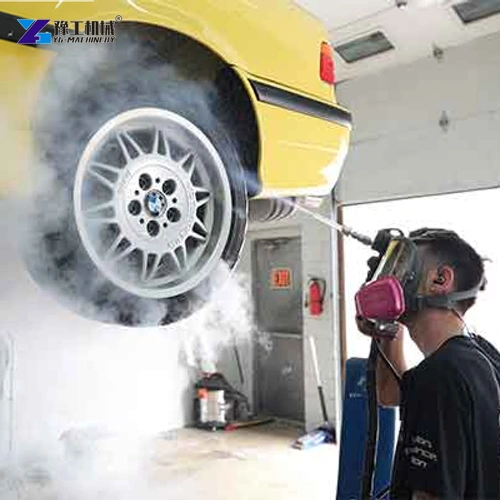
YG describes automotive service applications including cleaning selected engine-bay areas, combustion-chamber components, intake valves and throttle bodies. These are precision tasks around assemblies where the technician needs access to contamination without dismantling every component. The operator must still protect openings and electrical connections and use a method approved for the specific vehicle component.
The company also references cars, ships and equipment surfaces. On marine or industrial equipment, the job may involve local grime removal, surface preparation or maintenance cleaning; the exact target material and coating determine whether dry ice is appropriate. Large flat surfaces, deep cavities and heavy bonded deposits may require different equipment or a longer treatment method.
The useful question is not whether dry ice is “non-abrasive” in the abstract. It is whether the chosen operating condition can remove the named contaminant from that substrate without unacceptable change. Record the before-and-after condition on a test area, check hard-to-reach corners and confirm how removed residue will be contained.
- Automotive maintenance on selected engine-bay and intake components.
- Cleaning selected vehicle, ship or equipment surfaces where the substrate passes a compatibility test.
- Maintenance work where avoiding spent blasting media from the dry-ice pellets is useful, while still collecting the removed contamination.
Share the component, access conditions and required surface outcome to review the application.
ICE-JET Dry Ice Cleaning Machine Models and Published Data
Capacity is the amount the hopper holds; pellet consumption is a stated operating range per hour. Neither figure alone tells you how many parts an operator can clean. Air consumption, contamination, nozzle choice, access and refill logistics all affect the actual job cycle.
| Parameter | ICE-JET 3.0 | ICE-JET 6.0 | ICE-JET 15 | ICE-JET 40 |
| Dry-ice capacity | 3 kg | 6 kg | 15 kg | 40 kg |
| Dry-ice consumption | 20–50 kg/h | 20–50 kg/h | 30–100 kg/h | 30–100 kg/h |
| Supply pressure (as printed) | 3–10 bar | 13–10 bar | 3–10 bar | 3–10 bar |
| Air consumption | 1–2 m³/min | 1–3 m³/min | 1–4 m³/min | 1–5 m³/min |
| Machine weight | 40 kg | 50 kg | 65 kg | 80 kg |
| Overall dimensions | 460×340×750 mm | 460×350×850 mm | 550×445×985 mm | 650×550×1,000 mm |
| Power | <500 W | <800 W | <800 W | <800 W |
The ICE-JET 6.0 supply-pressure field is printed as 13–10 bar on the manufacturer’s page. That range appears reversed, so it is reproduced as published rather than silently rewritten as a likely range. Obtain the correct operating-pressure requirement in writing before selecting an air compressor or commissioning the unit.
Compare the compressor against the required air volume and pressure at the machine inlet, not only motor size. Include hose length, fittings and other pneumatic loads on the same supply. A dry ice cleaning machine with a larger hopper may reduce refill frequency, but it does not compensate for air supply below the operating requirement.
Provide the available compressed-air supply and intended duty to compare the ICE-JET configurations.
Set Up a Test That Protects the Surface and the Work Area
Start by identifying the substrate, coating, contamination and nearby seals, wiring, sensors or openings. Remove loose items that could become projectiles and isolate components that should not receive the stream. Use the intended nozzle and an agreed test area; change one setting at a time so the operator can see how impact, distance and angle affect the finish.
The work zone also needs ventilation. Dry ice becomes carbon dioxide gas, and gas can accumulate in enclosed or poorly ventilated spaces. Follow site risk assessment and equipment guidance, maintain suitable ventilation and use required protective equipment. Do not treat the absence of residual blasting pellets as evidence that the operating area has no hazard.
For recurring cleaning, record a repeatable setup: pellet supply, confirmed air pressure and volume, nozzle, stand-off distance, pass speed, surface temperature if relevant and the acceptance check. That record helps technicians compare a later component with the trial instead of changing several variables without knowing why the result changed.
Send representative surface details and the proposed work area to plan a controlled cleaning trial.
Dry Ice Cleaning Machine FAQs
The dry-ice pellets sublime into gas, so they do not leave spent pellet media. The contamination removed from the surface remains and must still be collected and handled appropriately.
The product information describes selected automotive tasks such as engine-bay, combustion-chamber, intake-valve and throttle-body cleaning, as well as car, ship and equipment cleaning. Confirm compatibility for each component and surface.
Their listed pellet capacities are 3, 6, 15 and 40 kg. Pellet-consumption and compressed-air ranges also vary, so compare refill needs and air supply along with machine dimensions and weight.
No. Surface material, coating, seals, contamination and operating conditions affect the result. Test a small, inconspicuous area with the intended setup and inspect it before proceeding.
The published field reads 13–10 bar, which appears reversed. Ask YG to confirm the operating-pressure range in writing before specifying a compressor or connecting the machine.
Choose by Air Supply and the Surface Test
A dry ice cleaning machine is a process tool, not a guarantee of substrate-safe cleaning. Match the ICE-JET model to pellet use and available compressed air, confirm the ICE-JET 6.0 pressure entry, and approve the cleaning method on the actual surface before full work.
For model guidance, include the target material, contaminant, compressor output and intended cleaning duty.