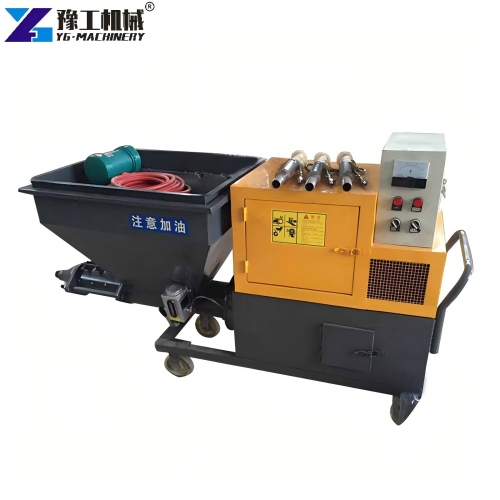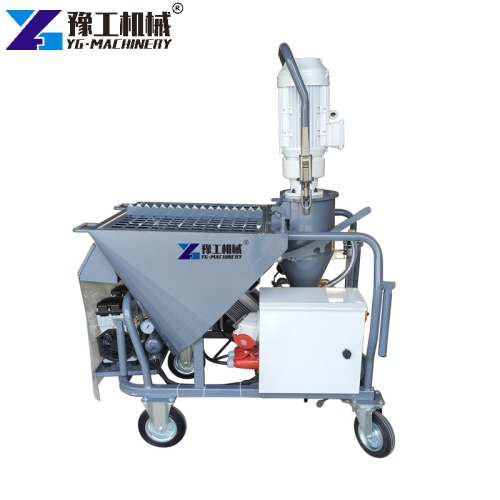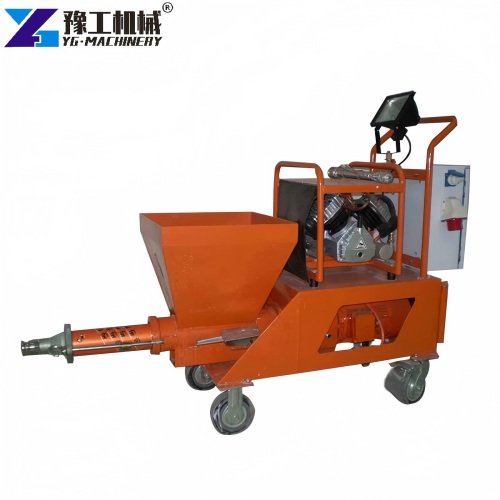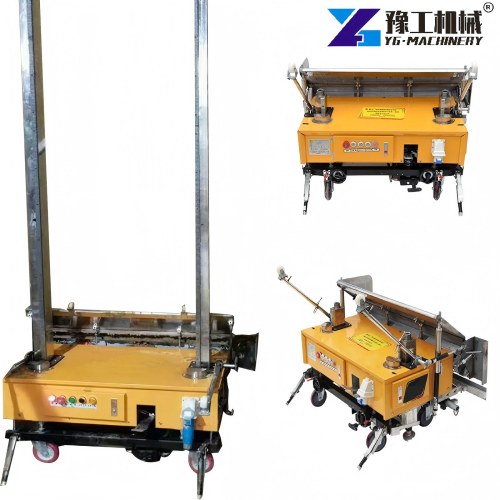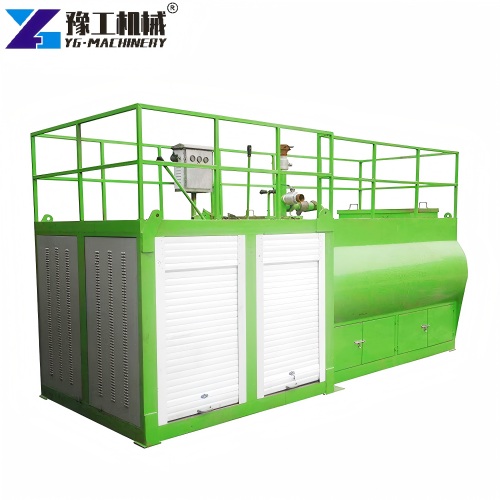
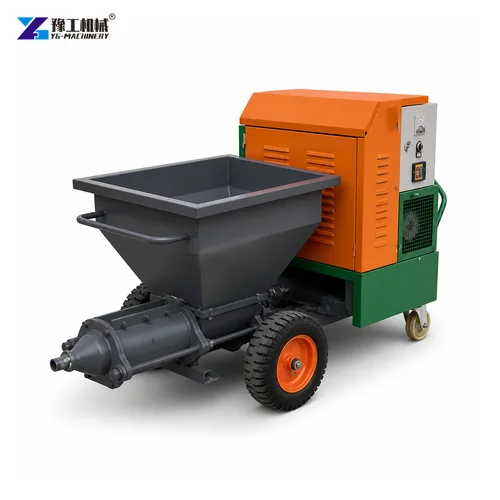
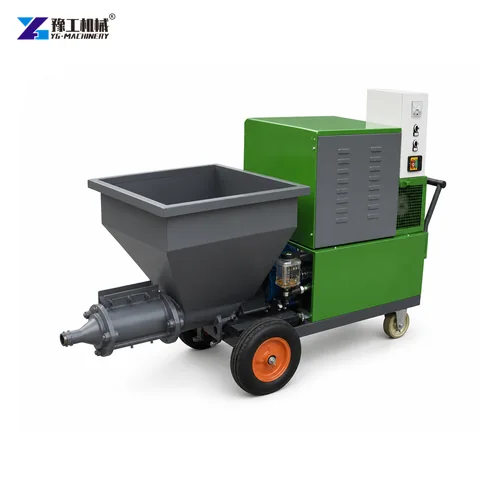
A Cement Spraying Machine moves prepared cement mortar through a screw-pump system and delivers it to a spray nozzle for fast, consistent wall coverage. The range here includes three electric configurations and one diesel version. Working pressures extend from 3 to 7.5 MPa, while published horizontal conveying distances extend from 30 to 60 meters. Buyers can therefore match power, pressure, reach, output and mobility to the actual site instead of relying on one generic model.
The correct selection begins with the material recipe, maximum aggregate size, required vertical lift, available electrical supply and daily work area. A Cement Plaster Spray Machine can reduce manual material handling and support a more continuous application process when mixing, air supply and nozzle technique are coordinated. A compact Stucco Machine may suit interior or exterior coating work, but final configuration should always be confirmed against a sample mix and the destination conditions.
Cement Spraying Machine Configurations For Different Sites
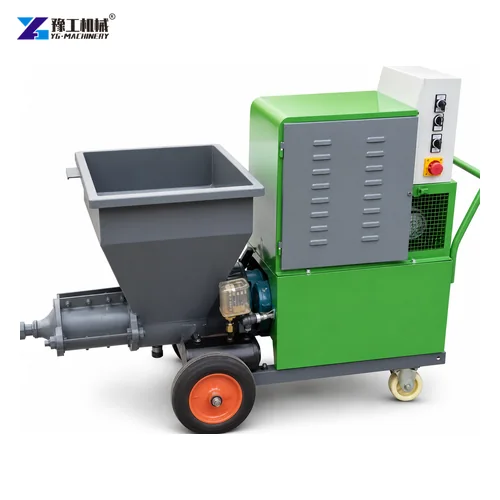
YG-311 is the lightest listed electric model at 160 kg. Its 4 kW drive, 3 MPa working pressure and 30-meter horizontal reach make it a practical option for compact projects with moderate delivery distance. The published vertical distance is 20 meters and the particle pass diameter is up to 4 millimeters. Buyers should compare those limits with the actual mortar recipe and the height of the furthest wall before choosing this configuration.
YG-511 raises rated power to 7.5 kW and working pressure to 6 MPa. It is listed for 50 meters of horizontal conveying and 30 meters vertically, with published output of 80-100 square meters per hour. At 350 kg, it needs a planned unloading method and stable operating position. This model is attractive when a project needs longer hose reach and sustained work without moving the equipment between every room.
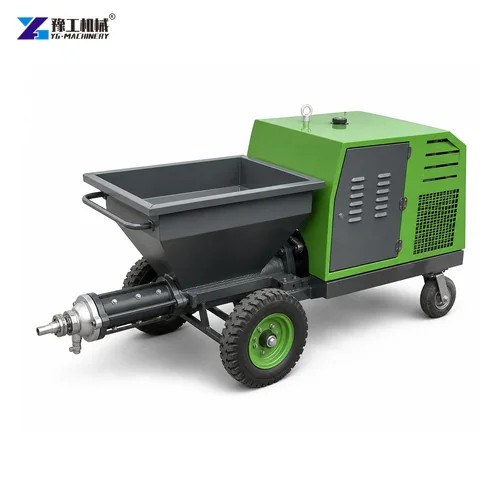
YG-711 reaches 7.5 MPa and 60 meters horizontally while remaining listed at 180 kg. The diesel version also reaches 60 meters horizontally and 30 meters vertically, uses a 12-horsepower engine and accepts particles up to 10 millimeters. A diesel unit can support sites where suitable three-phase power is unavailable. Confirm emissions, ventilation, fuel handling and local jobsite requirements before placing any engine-powered equipment.
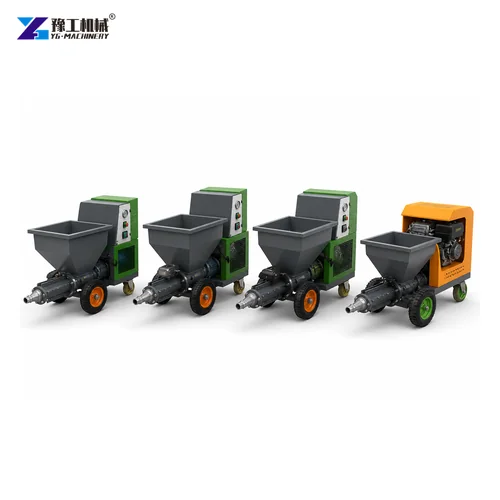

Complete Cement Spraying Machine Parameter Table
The table below preserves every available model value used for selection. Pressure and conveying distance should be reviewed together because hose length, vertical rise, bends and material consistency influence the working load. Published square-meter output is a planning figure, not a guaranteed production rate for every wall. Crew organization, layer thickness, preparation and finishing time determine the achieved daily area.
| Parameter | YG-311 | YG-511 | YG-711 | Diesel Version |
| Voltage | 380 V | 380 V | 380 V | Not Applicable |
| Rated Power | 4 kW | 7.5 kW | 3 kW | 12 hp |
| Particle Pass Diameter | Up To 4 mm | 3-4 mm | Confirm For Material | Up To 10 mm |
| Working Pressure | 3 MPa | 6 MPa | 7.5 MPa | 6 MPa |
| Horizontal Conveying Distance | 30 m | 50 m | 60 m | 60 m |
| Vertical Conveying Distance | 20 m | 30 m | 30 m | 30 m |
| Published Conveying Output | 60-80 m2/h | 80-100 m2/h | 80-100 m2/h | 100 m2/h |
| Machine Dimensions | 1750 x 450 x 800 mm | Confirm Before Order | 1600 x 500 x 700 mm | 1800 x 580 x 950 mm |
| Machine Weight | 160 kg | 350 kg | 180 kg | 280 kg |
Where a dimension or particle value is not confirmed in the available source, the table asks the buyer to confirm it before ordering instead of presenting an invented number. This approach keeps the quotation technically useful. Send the model under consideration, destination voltage, mortar recipe, required distance and target area so the supplier can close each open field in the final specification sheet.
Electric And Diesel Spraying Equipment Selection
Electric models provide a clean power source for suitable indoor and outdoor projects. Verify voltage, frequency, phase, cable route, circuit protection and earthing at the destination. A 380 V label alone does not confirm that the site connection is ready. The cable should remain protected from wet material, vehicle movement and sharp edges, and the control cabinet should stay accessible to the trained operator.
A diesel configuration increases placement flexibility where dependable three-phase power is not available. It also introduces fuel, exhaust, heat and ventilation considerations. Use it in an approved environment with adequate air movement and a documented refueling process. The equipment should remain level, protected from traffic and close enough to the mixing area for steady loading without forcing the crew to carry wet material across active routes.
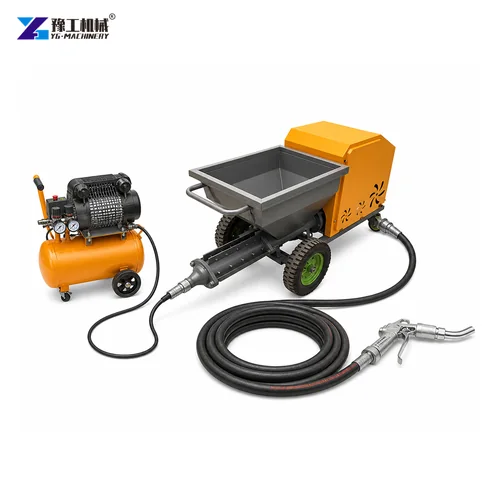
Compare total system requirements, not only motor power. The machine, compatible compressor, hose, nozzle, mixing equipment, cleaning tools and spare wear parts must work together. A Stucco Machine quotation should state which components are included and which are buyer-supplied. Clear scope protects the production plan and makes offers from different suppliers easier to compare.
Material Compatibility For A Cement Plaster Spray Machine
A pumpable mix should remain uniform, pass the stated aggregate limit and maintain enough workability to move through the screw pump and hose. Oversized particles, dry pockets and inconsistent water addition increase the risk of blockage or uneven discharge. Prepare a representative sample using local materials before shipment when the project recipe differs from common cement-lime-sand plaster.
The selected Cement Plaster Spray Machine must be evaluated with the actual binder, sand grading, additives, fiber content and required layer. A material that can be applied by hand is not automatically suitable for pumping. Ask the material supplier for mixing guidance, then run a controlled trial to confirm flow, adhesion and finish without forcing excess water into the recipe.
Hopper loading should be steady and screened where necessary. Keep foreign objects, hardened mortar and torn bag material away from the feed area. Operators must never reach into a running hopper. Use the supplied guard and approved isolation procedure before inspection or cleaning. A stable material process supports both the pump and the finishing crew downstream.
How To Plan Pressure Reach And Spraying Output?
Measure the complete hose path from the machine to the furthest application point. Include vertical rise, turns, floor changes and the practical route around doors or scaffolds. Choose a model with reasonable reserve instead of treating the published maximum as the normal target. Long runs need careful hose support and a cleaning plan that prevents material from remaining inside after work.
Pressure is only one part of useful delivery. Mortar viscosity, aggregate grading, hose diameter, nozzle setup and air supply influence spray behavior. The operator should begin with the approved settings, observe the fan pattern and adjust within the supplier’s guidance. Uncontrolled pressure increases rebound and wear without guaranteeing a better wall. A consistent feed and correct nozzle movement usually produce a more stable layer.
Published output of 60-100 square meters per hour helps size the work zone, but daily production must include mixing, relocation, corner work, thickness control, finishing and cleaning. Plan labor around the slowest linked step. If the finishing team cannot keep pace, excessive spray output creates waiting material and quality pressure rather than useful productivity.

Cement Spraying Machine Package And Accessories
A complete delivery should identify the main unit, hose length and diameter, spray nozzle, couplings, air connection, recommended compressor requirement, cleaning accessories, seals and routine service tools. Confirm quantities in writing and inspect every package before discarding protective materials. Photograph transit damage and keep the model plate, packing list and accessory checklist with the receiving record.
Wear parts depend on material and operating conditions. Ask for a practical starter package covering the pump components, seals, gaskets, nozzle wear items and hose-cleaning consumables recommended for the first maintenance period. Spare parts should be labeled against the exact configuration. Generic parts that look similar may have different dimensions or material resistance.
The compact Stucco Machine system benefits from organized storage. Keep the cleaned hose in wide coils, protect coupling threads and store seals away from direct sunlight or contamination. A dedicated tool and parts box reduces setup time and helps the next shift verify that the system is complete before material is mixed.
Safe Installation Operation And Maintenance
Position the unit on stable level ground with space for material loading, ventilation and service access. Establish a protected hose route and keep the emergency stop reachable. Before startup, inspect guards, electrical or engine condition, couplings, hose damage, nozzle assembly and compressor connection. The operator should know the stop sequence before wet material enters the system.
During spraying, maintain communication between the machine operator, nozzle operator and mixer. Stop feeding if discharge changes sharply, the hose moves abnormally or the finishing team identifies an unacceptable mix. Never open a pressurized coupling. Isolate energy and release pressure using the approved method before clearing any blockage.
End-of-shift cleaning protects output and service life. Process the remaining material according to the site plan, flush or clean the pump and hose with the approved method, inspect wear surfaces and leave components dry and organized. Record pressure changes, replacement parts and unusual observations. A short maintenance log helps a remote service specialist diagnose issues quickly.

Cement Spraying Machine Cost And Ownership Planning
Purchase price should be compared with the complete operating package. A Cement Spraying Machine may need a compatible compressor, mixer, hose set, cleaning equipment, spare wear parts, suitable power connection and freight support. A Cement Plaster Spray Machine offer that includes these essentials can have a higher initial value than a bare unit, yet it gives the buyer a clearer path to production. A compact Stucco Machine budget should also include unloading, operator guidance, material trials and the first maintenance period.
Estimate ownership from accepted wall area, crew balance, consumables, cleaning time, wear parts and service access. The Cement Spraying Machine should help the buyer create a stable process rather than chase one headline output number. A Stucco Machine with practical spares and documented settings may protect the schedule better than an oversized configuration that lacks compatible material, trained operators or reliable support. Request separate prices for optional equipment so the purchasing team can see which items affect capability and which items add convenience.
Quotation Checklist For Cement Spray Equipment
Send the destination country, voltage and frequency, available phase, project type, wall material, mortar recipe, maximum aggregate, required layer thickness, horizontal and vertical distance, target daily area and planned working hours. Add photos or drawings of the hose route and access conditions. These details allow the sales team to recommend a configuration rather than guessing from a product name.
Request a quotation that separates machine configuration, compressor, mixer, hose, nozzle, accessories, spare parts, packaging, freight and technical support. Confirm production lead time, warranty scope, remote guidance and the documents needed for import. A transparent offer helps purchasing compare real delivered scope and avoids a low initial price that excludes essential equipment.
Review the related cement plaster preparation guide, the verified Nepal application case, the existing mortar sprayer page and the gypsum spraying option. These pages clarify related materials, operating goals and equipment boundaries before a final quotation.
Cement Spraying Machine FAQ
YG-711 and the diesel version are both listed for up to 60 meters of horizontal conveying and 30 meters vertically. Confirm the actual hose route, material and reserve with a technical specialist before selecting the model.
Yes, when the local mix remains pumpable and its grading stays within the selected model’s particle limit. A representative material trial is the best way to confirm flow, spray pattern, adhesion and finish.
The compressor must match the nozzle and material delivery requirement for the chosen configuration. Send the planned model and application so the supplier can specify compatible pressure and airflow instead of using an arbitrary compressor.
Each power option fits different site conditions. Electric models suit projects with a verified supply, while diesel supports flexible placement where suitable three-phase power is unavailable and engine operation is approved.
Provide voltage, material recipe, aggregate size, required reach, layer thickness, daily area, destination and accessory scope. These details help the sales team prepare a practical configuration and delivered-price offer.
Request A Cement Spray Equipment Proposal
Share your mortar recipe, power supply, required reach, application height and target work area. A YG Machinery specialist can compare the four available configurations, confirm the accessory package and prepare a quotation for the destination.