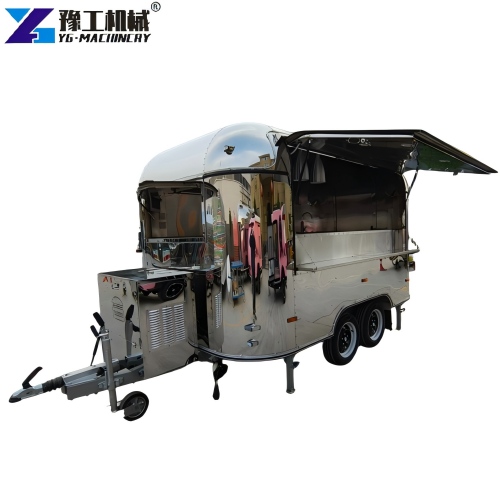
A mobile coffee trailer for sale needs to work as a small café, not simply look attractive with its hatch open. Espresso preparation, milk storage, cup handover and washing all compete for counter space, electricity and water. The useful starting point is your busiest service period: where each drink starts, which equipment runs together and how the operator keeps clean work separate from used utensils.
YG’s RD catering-trailer family offers different body lengths and service arrangements. A coffee fit-out is a configuration within that family; the espresso machine, grinder and refrigeration package must be specified rather than assumed to come with every trailer. The following decisions help turn a trailer body into a practical beverage workspace without buying unnecessary cooking equipment.
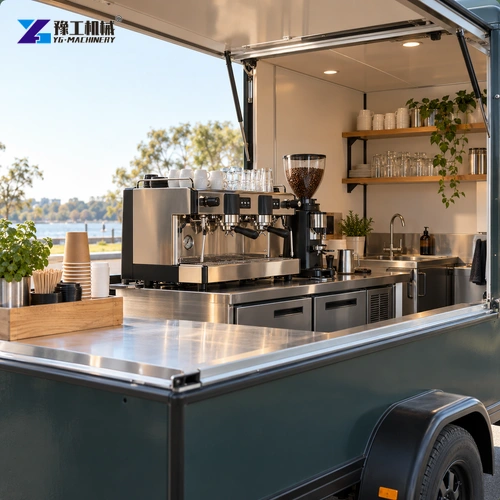
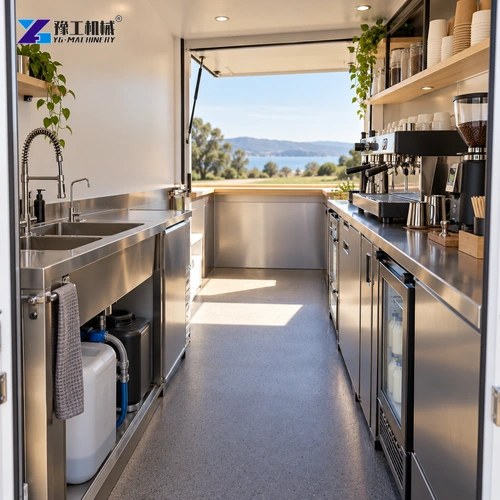
Start With The Coffee Service You Will Actually Sell
Espresso and milk-based drinks concentrate work around the grinder, espresso machine, refrigerator and pickup counter. An operator takes a cup, grinds coffee, extracts the shot and finishes the drink without crossing the washing area. Put frequently used milk within easy reach, but leave enough room to open the refrigerator door without blocking the central aisle.
Filter coffee and packaged pastries create a different workload. Holding prepared coffee and replenishing cups may matter more than repeated espresso extraction. A refrigerated dessert menu introduces additional cold storage; adding hot sandwiches introduces preparation and cooking needs that a drinks-only layout may not accommodate. Establish these differences before selecting the body length.
When comparing a mobile coffee trailer for sale, draw the actual appliances at their installed dimensions, including ventilation clearances and door movement. A machine that fits on the counter can still be impractical if its hopper cannot be filled beneath a shelf or its service panel is inaccessible. Leave a reachable space for supplies so replenishment does not interrupt every order.
Share your drink menu and operator count to discuss the counter and appliance layout.
Coffee Trailer Power Starts With Simultaneous Loads
An espresso machine’s heating demand is only one part of the electrical load. Refrigeration cycles, water heating, a grinder and lighting can operate during the same service period. Adding appliance nameplate powers provides a useful inventory, but the electrical design also needs to address starting demand, protective devices, circuit arrangement and the available connection. A qualified electrician should match the complete installation to the intended supply.
Check the event or trading location before selecting appliances. A permanent connection at a fixed pitch differs from a temporary event supply. The plug, voltage, frequency and available current must suit the finished trailer installation. Do not assume that a socket advertised as available on site can supply the whole coffee operation, or that a change of plug alone solves an incompatible supply.
A mobile coffee trailer for sale should therefore be quoted with an appliance schedule and an electrical scope. Identify which circuits and connections are included, which equipment is installed at the factory and which is supplied locally. If a generator is being considered, its suitability and location need separate assessment; a generator rating or fuel-consumption promise cannot be inferred from trailer dimensions.
Send the espresso-machine, refrigeration and water-heater ratings with the intended site connection.
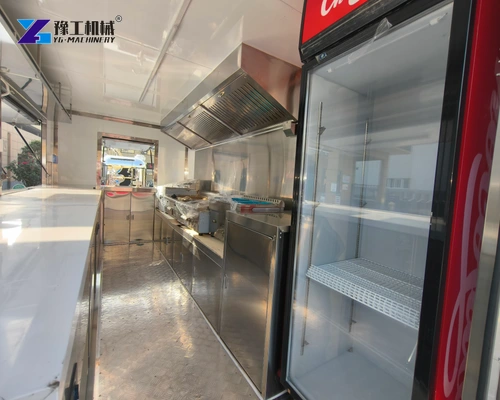
Fresh Water, Waste Water And Milk Storage Need Separate Space
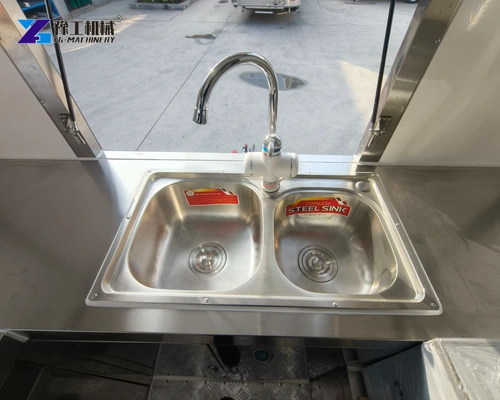
Coffee preparation uses water for drinks and for cleaning. Handwashing and utensil washing also need an appropriate arrangement for the operating location. YG’s catering-trailer options include fresh- and wastewater tanks, a small water pump and sink configurations. Tank size, sink arrangement and water treatment must be selected for the menu and local requirements, not inferred from an exterior photograph.
The standard tank figure is a storage capacity, not a promise of how many drinks can be sold. Consumption changes with drink size, flushing, cleaning and the refill routine. Compare an expected busy period with the available replenishment point and the waste-disposal arrangement. Freshwater capacity is not useful by itself if wastewater cannot be collected and removed appropriately.
Milk refrigeration needs usable storage and temperature control as well as electrical capacity. Keep receiving and replenishment access distinct from the cup pickup point where possible. Choose equipment suited to its installation conditions, and leave its ventilation path open. A tightly packed cupboard can compromise an otherwise suitable appliance. For a mobile coffee trailer for sale, reserve these service spaces before adding decorative shelves or increasing the visible display area.
For example, an espresso-and-milk menu makes the refrigerator, espresso station and pickup counter one working chain. Put the washing point outside that chain, so returning a used pitcher does not cross a finished drink. Test the drawing with two simultaneous orders and a refrigerator door open; this exposes a circulation conflict that a simple appliance list cannot show.
RD Trailer Sizes For A Coffee Fit-Out
The table separates the trailer body from its overall dimensions. This matters when laying out the café inside and checking the parking space outside. These are RD trailer configurations, not a list of included espresso appliances.
| RD model | Body dimensions, L × W × H | Overall dimensions, L × W × H | Axles | Brake |
| YG-300RD | 300 × 210 × 210 cm | 350 × 210 × 250 cm | One | No |
| YG-350RD | 350 × 210 × 210 cm | 450 × 210 × 250 cm | Two | Yes |
| YG-400RD | 400 × 210 × 210 cm | 500 × 210 × 250 cm | Two | Yes |
| YG-500RD | 500 × 210 × 210 cm | 580 × 210 × 250 cm | Two | Yes |
| YG-600RD | 600 × 210 × 210 cm | 700 × 210 × 250 cm | Two | Yes |
Select the size from a workable equipment plan rather than a drinks-per-hour claim. A short body may suit a limited menu but leave little reserve for a second operator, a larger refrigerator or extra washing equipment. A longer body creates more layout options while also changing towing, parking and storage requirements. Neither axle count nor the brake entry alone establishes road approval or a permissible towing weight in your market.
The mobile kitchen food trailer range provides the wider catering-body context. Use that product information alongside a coffee-specific equipment drawing when comparing a mobile coffee trailer for sale with a general kitchen trailer.
Provide your equipment dimensions and parking space to compare a suitable RD body size.
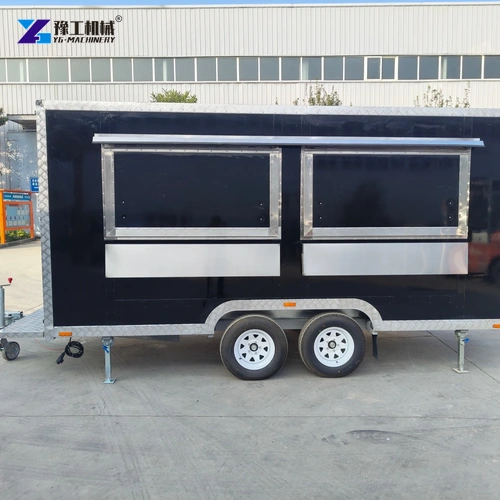
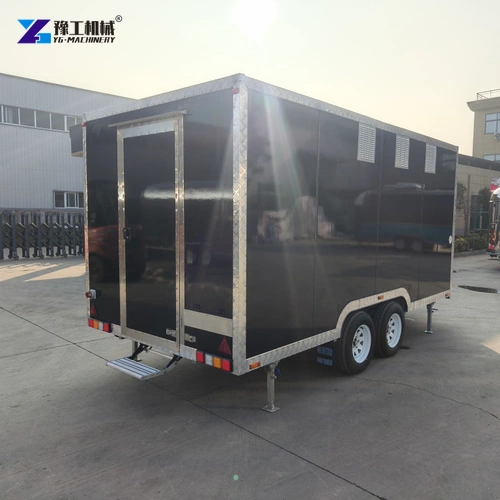
Make The Serving Hatch A Practical Handover Point
Customers collect drinks outside while the operator works inside. The hatch needs a clear handover area that does not force customers to reach around hot equipment or occupy the same point used for payment and order taking. Decide whether orders and completed drinks share one counter or have separate positions, then align the internal workstations with that decision.
Consider the pitch as well as the trailer. A long queue can obstruct a doorway, vehicle route or neighbouring stand even when the trailer itself fits. Allow for the open hatch, customer standing space and access to replenish supplies. At outdoor locations, assess exposure and the suitability of any canopy separately; an open serving window is not a guarantee of weather protection.
Before choosing a mobile coffee trailer for sale, walk through a sample order with the proposed layout. The operator should be able to get milk, prepare the drink, place it for collection and return to the next order without continually stepping past a coworker. This simple check often identifies misplaced storage or an awkward refrigerator door before the interior is built.
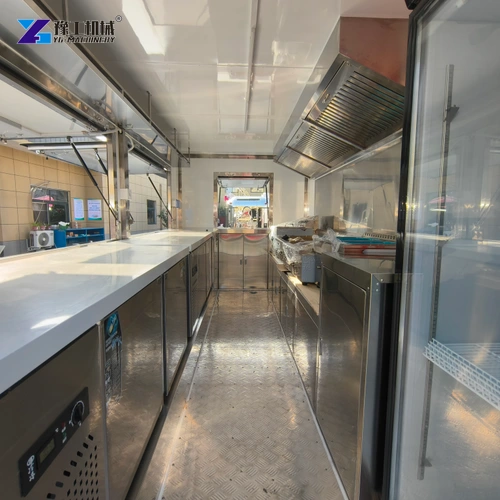
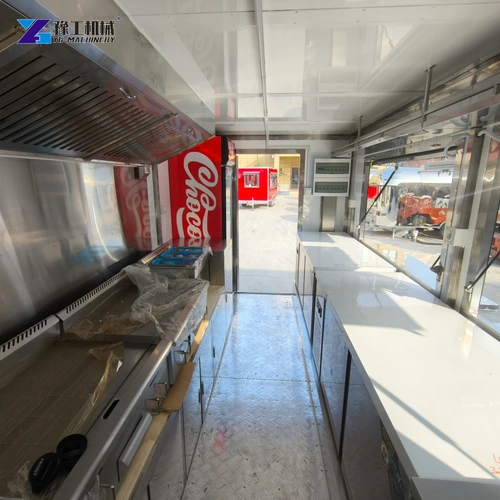
Compare The Coffee Equipment Package, Not Just The Shell
A clear proposal identifies the trailer configuration, installed appliances, water arrangement, electrical installation and remaining local work. It should also distinguish equipment required for the menu from optional additions. Comparing an empty catering shell with an equipped coffee unit produces a misleading price difference; comparing two equipment schedules exposes what each quotation actually supplies.
Useful details to settle include:
- The drink menu and whether one or two people work inside.
- Appliance dimensions, electrical ratings and required service access.
- Freshwater replenishment, wastewater removal and washing arrangements.
- The intended parking pitch, external service space and supply connection.
For a broader discussion of purchase scope, see the commercial kitchen trailer guide. Keep the coffee proposal focused on beverage preparation rather than adding a cooking line that the business will not use. A mobile coffee trailer for sale is ready for meaningful comparison when the body, equipment and site connections describe the same operation.
Request an itemised proposal covering the trailer body, coffee equipment, water system and remaining local work.
Mobile Coffee Trailer For Sale FAQs
No. The RD model identifies a trailer configuration. An espresso machine, grinder, refrigeration and other café appliances need an agreed equipment schedule. Confirm what is installed and what the buyer supplies separately.
Body length is a starting dimension. Appliance clearance, refrigerator-door movement, washing space and operator circulation determine whether the interior works. Overall trailer dimensions must also fit the intended pitch and transport arrangements.
That depends on drink preparation, flushing, washing and replenishment. Plan fresh water and wastewater together around the actual service period. Tank capacity alone cannot establish a guaranteed drink count.
No. The connection must suit the installation’s voltage, frequency, current and protection requirements. Have the complete appliance load and site connection assessed together before choosing the electrical package.
Compare the same body size and an itemised fit-out: appliances, refrigeration, water systems, electrical work and delivery scope. Identify excluded local installation or approval tasks so a lower shell price is not mistaken for a complete café package.
For a coffee-trailer proposal, include the drink menu, appliance schedule, preferred body size and intended site connection.