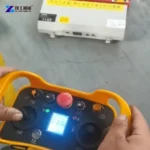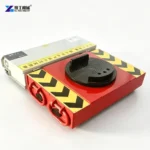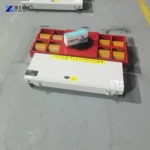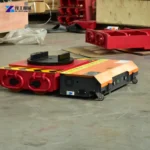
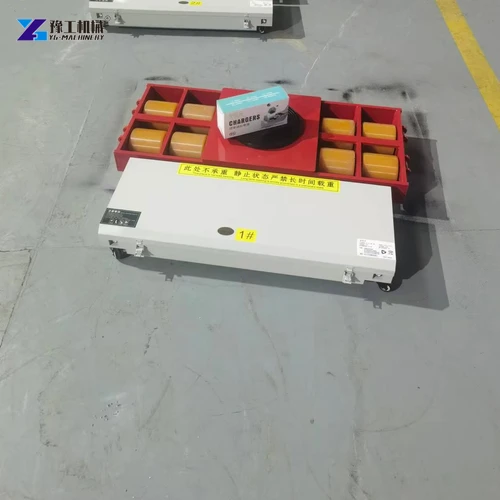
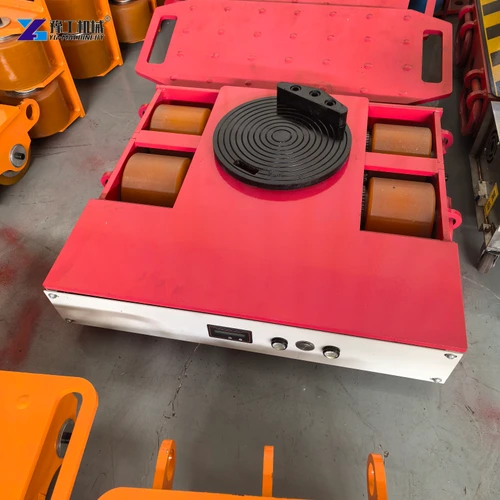
Battery powered machine skates move heavy machinery on a low rolling chassis using stored energy and geared motors. Their advantage during factory installation is powered, controlled floor movement without a trailing mains cable. Choosing a suitable unit means matching its drive system, supported load and battery configuration to the machinery being moved.
A larger battery does not increase the chassis load rating. Understanding the complete system makes YG configurations easier to compare.
How Battery Powered Machine Skates Turn Electrical Energy Into Movement
The battery supplies direct-current power to a controller, which regulates the motors. Reduction gearboxes lower motor speed and increase the torque available at the running wheels. This is why a compact drive package can produce useful low-speed movement: the equipment trades speed for wheel torque rather than moving machinery at ordinary vehicle speeds.
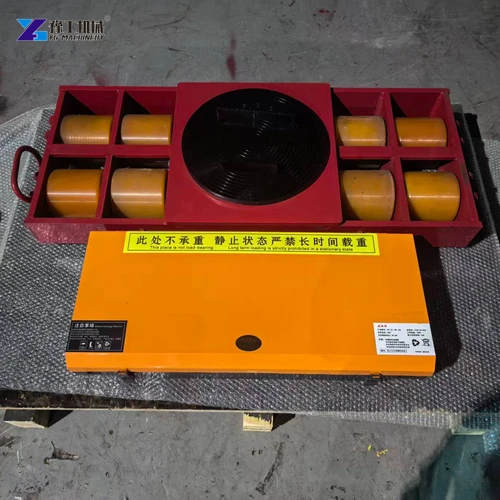
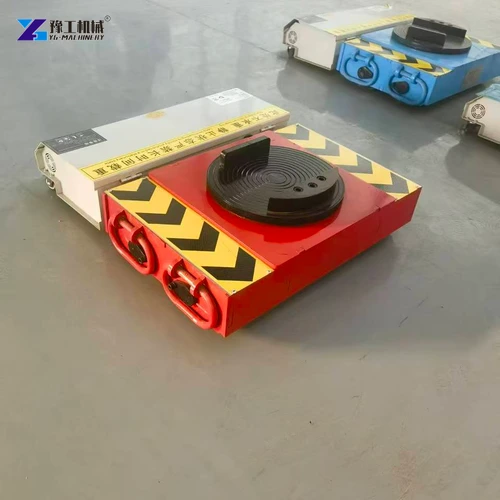
YG configurations use two motors and a dual-channel controller. The two drive channels allow the controller to manage the driven sides separately. The mechanical support above the chassis carries the machine at its designated support point; it does not generate lifting travel. Machinery must be raised and supported with suitable lifting equipment before a skate can be positioned beneath it.
During a straight move, the running gear must overcome rolling resistance. Starting, turning and passing a floor joint can change the required effort. A wheel that meets an obstruction may demand more drive effort while the supported machine remains almost stationary. Continuing to command movement in that condition can stress the drivetrain and disturb the support arrangement. The useful response is to stop and identify the obstruction, not to treat the motor rating as permission to force the load across it.
This makes powered skates particularly relevant to controlled floor-level positioning of machine tools, fabrication equipment and other heavy installations with suitable support points. For a battery-and-drive configuration enquiry, describe the expected travel, starts and turns rather than only the machine weight. Each stage still needs equipment suited to how the load is supported.
Motor drive and the machine support arrangement must suit the same moving duty.
Battery Powered Machine Skates Specifications
The following configurations show how the electrical package changes across the YG range. Towing weight and load capacity are separate ratings: the first describes the listed moving capability, while the second describes the load carried by the powered unit. Both must suit the complete support arrangement.
| Specification | YG 10T configuration | YG 20T configuration | YG 40T configuration |
| Listed towing weight | 10 metric tons | 20 metric tons | 40 metric tons |
| Powered-unit load capacity | 10 metric tons | 10 metric tons | 20 metric tons |
| Motor configuration | 500 W × 2 | 750 W × 2 | 1500 W × 2 |
| Dual-channel controller | D2T80A | D2T80A | D2T200A |
| Battery voltage and capacity | 48 V, 30 Ah | 48 V, 60 Ah | 48 V, 120 Ah |
| Battery chemistry options | Ternary lithium | Ternary lithium or lithium iron phosphate | Ternary lithium or lithium iron phosphate |
| Chassis dimensions | 500 × 550 × 145 mm | 670 × 620 × 165 mm | 810 × 800 × 182 mm |
Battery capacity affects stored energy, while motor and controller specifications describe the drive package. Chassis dimensions affect clearance and support height. None replaces the supported-load rating.
For example, the 20T configuration lists a 20-ton towing weight but a 10-ton powered-unit load capacity. It cannot automatically carry a 20-ton machine on its own support pad. Additional support equipment and the distribution of machine weight must be considered. Likewise, two supports beneath an unevenly balanced machine need not carry equal shares of its weight.
The battery chemistry is also a configuration choice. An order should identify the supplied pack and matching charger, particularly where more than one chemistry is available. The common 48 V designation does not establish that every battery or charger in the range is interchangeable.
Compare the battery package and carried-load rating together when selecting a configuration.
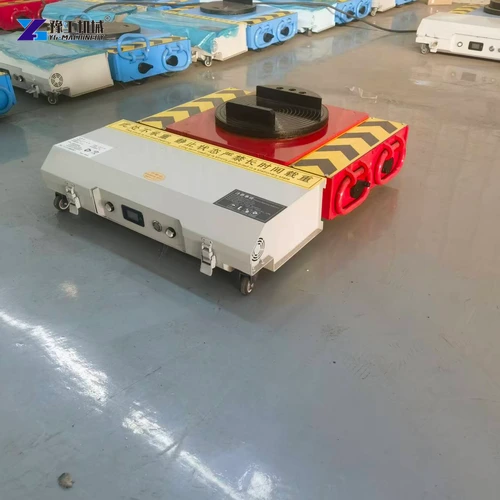
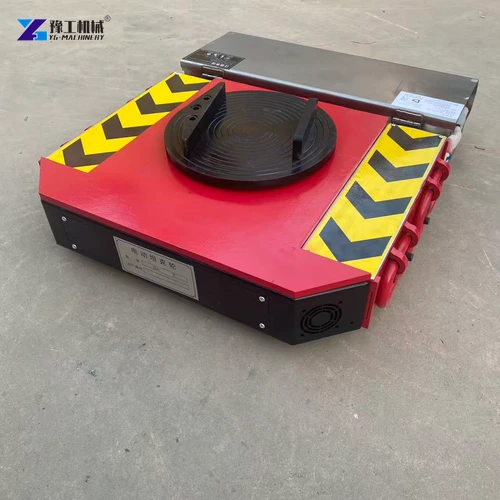
Battery Capacity, Operating Demand And Charging
For battery powered machine skates, ampere-hours describe electrical capacity, not a guaranteed number of moving hours. At the same nominal voltage, a larger ampere-hour figure indicates more nominal stored energy. Actual operating duration depends on the current drawn during the job and the usable energy available from the installed pack.
A short positioning job with pauses differs from prolonged loaded travel. Repeated starts, frequent turns, wheel resistance and floor conditions change demand. Temperature and battery condition also influence performance. This is why a runtime estimate should describe a duty pattern, rather than promising the same duration for every load and route.
Charging arrangements should be agreed with the equipment configuration. A pack, charger and protective electronics form a matched system; a connector that fits is not enough to establish compatibility. The charging location should meet the supplied equipment instructions and keep the charger and connections protected from impact and contamination.
- Identify the installed battery chemistry, nominal voltage and charger specification before connecting the charging equipment.
- Inspect the pack enclosure, leads and connectors for visible damage. Remove damaged equipment from service for competent assessment instead of attempting a trial charge.
- Follow the supplied charging and storage instructions, including the permitted environmental conditions and the procedure after charging. Keep charging records where several units share a work area.
When comparing battery powered machine skates, include the charger and charging arrangement in the purchase scope. If a replacement pack is proposed, confirm its electrical, mechanical and control compatibility. A higher-capacity replacement is not automatically an approved upgrade simply because it has the same nominal voltage.
Specify the battery and matching charger as one equipment package.
Matching Powered Skates To Machine Supports And Floor Contact
Battery powered machine skates require an appropriate load path from the machine base, through the support interface and chassis, to the floor. A thin cover panel or an unsupported sheet-metal edge is not a suitable substitute for a structural support point. Equipment geometry and the location of heavy internal components affect where the reactions act.
Follower rollers carry the remaining support reactions where the moving arrangement requires them. Their capacity, contact area and height must be compatible with the powered unit and machine. Matching only their combined nameplate capacities leaves important questions unanswered: an individual support may still be overloaded, or a height difference may transfer weight unexpectedly.
Floor suitability concerns both the building structure and the local running surface. The load reaches the floor through relatively small wheel contact areas. A floor that supports the stationary machine on a broad base may need a separate assessment for concentrated moving-wheel loads. Joints, covers and changes in level deserve attention because they can alter resistance and support conditions.
The correct equipment package therefore depends on the machine’s actual support arrangement. A narrow, tall machine presents different stability considerations from a low, wide machine of the same weight. Keep the lifting stage, floor-moving stage and final lowering stage coordinated so that the machine remains appropriately supported throughout the transfer.
Match the powered unit and follower supports to the machine base.
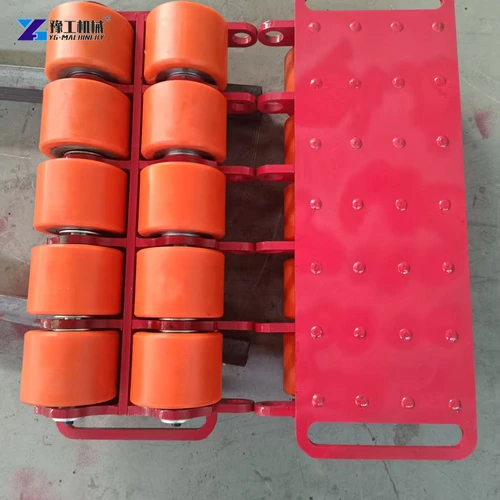
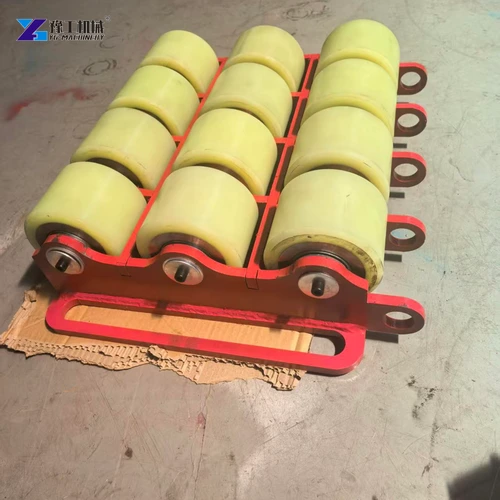
Maintaining Battery Powered Machine Skates Between Moves
Maintenance should follow the electrical and mechanical paths that make the skate move. The battery and connections supply power; the controller and motors regulate motion; the reduction drive and wheels transmit force to the floor. A fault in any one of these areas can affect the whole system even when the battery appears charged.
Check accessible wheels for debris, damage and uneven wear, and examine the support surface for deterioration that could affect contact with the machine. Inspect accessible wiring and connectors for looseness or abrasion without opening energized enclosures. Lubrication points, lubricant grades and service intervals depend on the supplied assembly; adding grease indiscriminately can contaminate contact surfaces or overlook the actual service point.
A change in sound, repeated interruption or noticeably uneven movement should prompt investigation. It does not prove that the battery needs replacing. An obstruction, mechanical resistance, connection problem or protective response may produce similar symptoms. Record the operating condition and indicated fault so that service personnel can distinguish the cause.
After maintenance, functional checks should follow the manufacturer’s procedure before the next loaded move. Keep the supplied controller, charger and service information associated with the correct unit. This is especially helpful when several battery powered machine skates with different electrical configurations are used in the same facility.
Battery Powered Machine Skates FAQs
No. They provide rolling support and powered floor movement. Suitable lifting equipment is needed to raise the machine for positioning and removal of the skates, with a planned support arrangement throughout the transfer.
No. Battery capacity concerns stored electrical energy. The powered-unit load capacity and moving rating remain separate equipment limits; increasing battery capacity does not authorize a heavier supported load.
Duration depends on the installed pack, its condition and the operating duty. Loaded travel, starts, turns and rolling resistance affect demand. Request an estimate tied to the proposed configuration and work pattern rather than assuming a fixed runtime from ampere-hours alone.
No. Charger compatibility depends on the specific battery chemistry, electrical limits and protective system. Use the charger specified for the supplied pack; nominal voltage and connector fit alone are insufficient.
A charged display does not rule out an obstruction, damaged connection, mechanical resistance or a protective response. Stop and have the indicated condition assessed through the supplied service procedure. Hesitation alone does not establish that the battery needs replacement.
Tell us the machine weight, support arrangement and expected moving duty to discuss a suitable battery-powered package.