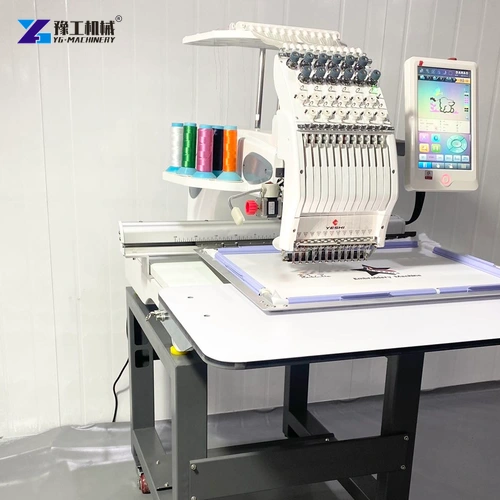
A single head embroidery machine for sale is worth evaluating against the orders that will pass through the workshop, not just its highest stitching speed. One working head can move between samples, personalized pieces and small batches without requiring a batch of matching items to occupy several heads. Its value depends on how well the machine, workholding and operator’s routine fit that order mix.
YG lists single-head configurations with different needle counts and embroidery areas. Choosing a new machine means matching those specifications to the designs and items the workshop handles. Loading, checking and changing jobs also contribute to completed output, so the comparison needs both the machine and its day-to-day working cycle.
Single-Head Embroidery Applications for Small Orders
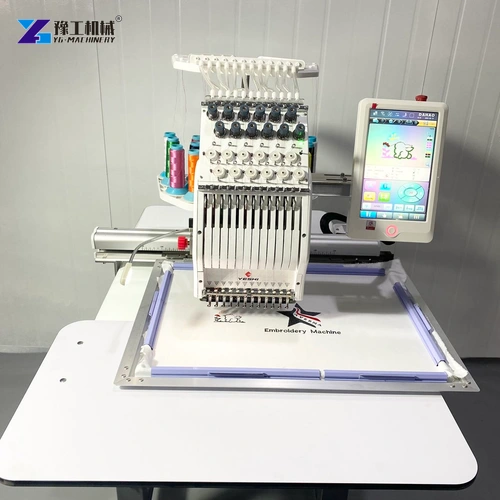
The defining feature of a single-head machine is one stitching position. Several threaded needles can be available at that position, but the head still stitches at one working position at a time. That arrangement is relevant to orders where variation matters more than producing many identical pieces simultaneously.
- Samples before a production run. A workshop can stitch a proposed design on the intended material, inspect it and revise the job before committing customer garments. The useful result is an approved sample with recorded settings, rather than simply a design that looked correct on a screen.
- Personalized names and individual items. Orders may share a garment type while requiring different names or placements. One working position lets the operator manage each item as a separate job. Preparation and identification are important because loading the wrong design can spoil an otherwise well-stitched item.
- Small uniform or workwear batches. A short run may repeat one design without providing enough matching pieces to occupy a larger synchronized multi-head arrangement. The single-head station processes the items in sequence, with loading and inspection repeated between them.
- Mixed repeat orders. A workshop may return to an established design after completing another customer order. Keeping the approved design, thread information and placement reference together makes repeat preparation more consistent. The machine supplies the stitching; the workshop’s records preserve the job identity.
These applications explain the appeal of one head, but do not establish its capacity for a particular business. The next step is to match design size and thread requirements to a named configuration.
Compare your mix of samples, individual items and repeat batches with a single-head workflow.
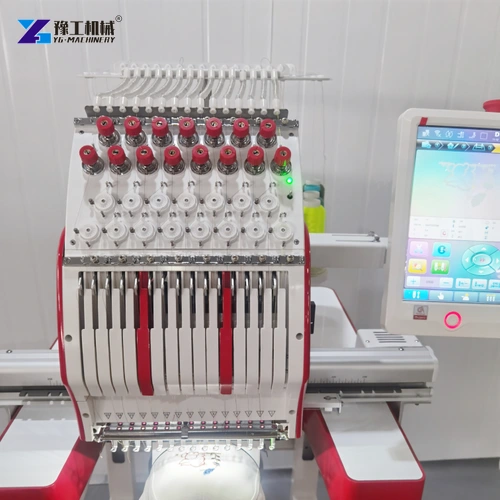
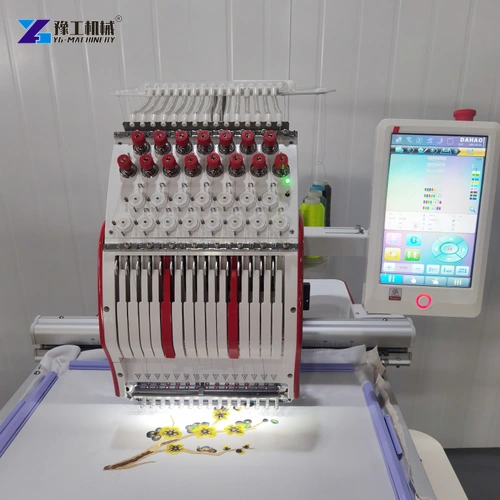
Single Head Embroidery Machine Specifications
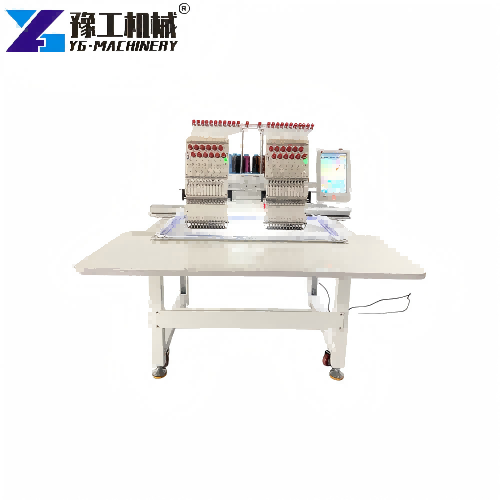
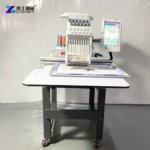
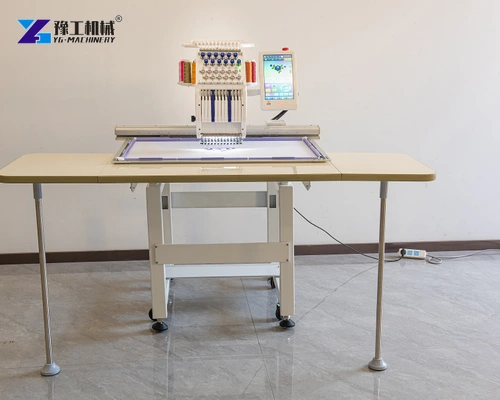
The following YG configurations both have one head. Their needle banks and stated embroidery areas differ. The extended-table photographs show separate large-format family arrangements; they do not establish the specifications of the two models below. Use the selected model’s specification to identify the ordered machine and workholding.
| Parameter | YG0901 | YG1501 |
| Model | YG0901 | YG1501 |
| Heads | 1 | 1 |
| Needle options | 9 | 12/15 |
| Display | 8-inch LCD | 10-inch LCD |
| Operating language | Customizable | Customizable |
| Embroidery area | 200 × 300 mm | 360 × 510 mm |
| Listed maximum speed | 1,000 stitches/min | 1,200 stitches/min |
| Machine weight | 140 kg | 170 kg |
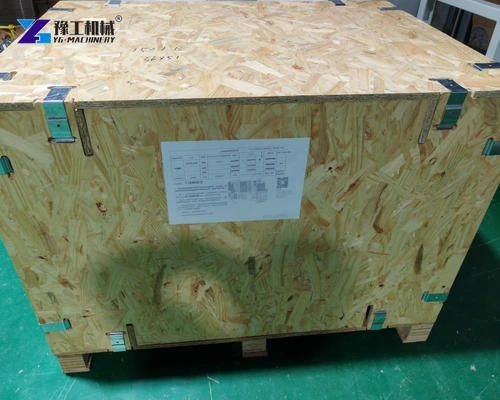
| Packing dimensions | 830 × 680 × 1,000 mm | 840 × 840 × 950 mm |
Needle count describes available threaded positions, not the number of garments stitched at once. A larger needle bank can hold more selected thread colors ready for a job. The correct choice depends on the colors regularly needed and the machine’s actual supplied threading and control arrangement.
Embroidery area describes a different requirement: the design must fit the usable field with the appropriate frame and mounting arrangement. A wider listed field can accommodate a larger design, but it does not make a small garment opening wider. Packing dimensions are transport dimensions, not a workstation-clearance specification.
Maximum speed is also separate from completed pieces per hour. Comparing a single head embroidery machine for sale requires understanding what happens before and after the stitching time.
Match the intended design and item shape to the selected YG head and field configuration.
Workholding for Flat Panels, Garments and Caps
The frame holds the intended stitching area in position while the machine moves it beneath the needle. The rest of the item still needs space and support. This is why a machine with sufficient nominal area can nevertheless be a poor match for a particular finished product.
- Flat panels and open fabric pieces. The hoop locates and holds the design area; suitable backing helps stabilize the fabric against the repeated needle and stitch forces. The fabric should be held securely in its natural condition. Stretching it to obtain apparent tightness can allow it to relax after removal and distort the embroidered area. The sample therefore needs the intended fabric, backing and frame together, not just a frame large enough for the artwork.
- Finished garments. The operator needs access to the intended area without catching another layer of fabric in the stitching. Sleeves, pockets and narrow openings introduce restrictions that are not described by a rectangular field dimension. The garment’s unused portions must be arranged so they do not interfere with frame movement.
- Caps and shaped items. A cap-holding arrangement has a different shape and mounting function from a flat hoop. The required driver, frame and loading equipment must match the supplied machine. Confirm the actual package rather than assuming that a cap visible in a family photograph means every accessory is included.
A useful purchase sample therefore uses the real item, not only a loose piece of convenient fabric. It should demonstrate access, placement and stitch appearance with the proposed workholding. That confirms what the head and field specifications mean for the customer’s product.
Identify the actual garment or cap and the workholding needed for its stitch location.
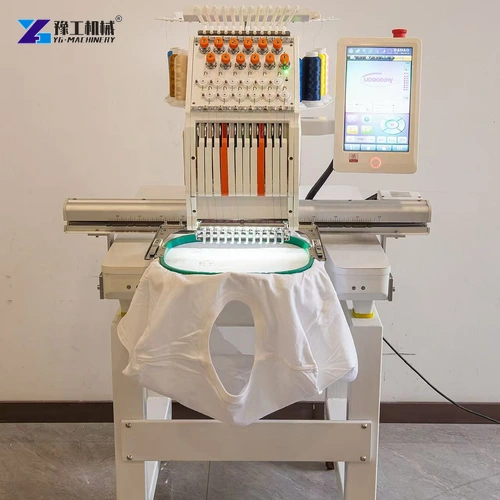
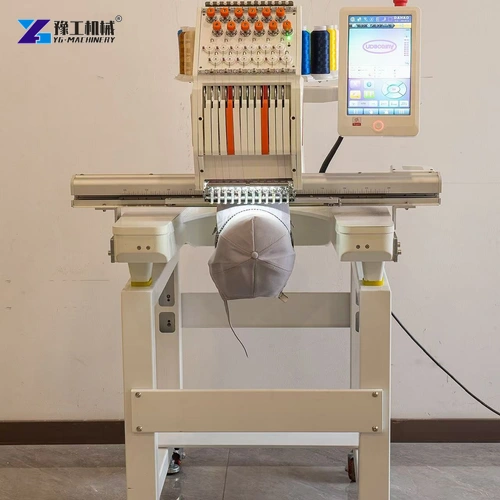
Production Workflow on a Single-Head Embroidery Machine
Output follows a complete cycle: prepare the item, load it, stitch the design, remove it and inspect the result. The head performs the stitching portion. The operator’s preparation and handling occupy the other parts, so a faster speed setting does not shorten every stage.
For example, a short name may spend relatively little time under the needle while still requiring careful item identification and placement. A dense design on an otherwise easy-to-load panel can have a longer stitching stage. Both are legitimate single-head jobs, but their production bottlenecks differ. A workshop should compare its typical orders rather than expect one pieces-per-hour figure to represent them all.
Job changes involve different kinds of preparation. Three useful comparisons are:
- The same garment with a different name. The frame and material preparation may remain suitable, while the operator needs the correct name file and placement for each item. A longer name can change the design’s width, so the approved location still needs checking. Accurate job identification matters more here than adding another needle color.
- The same logo on a different fabric. The artwork may remain recognizable, but a stable woven shirt and a more flexible fabric can behave differently under stitching. Backing, framing and the sampled stitch result need review for the new material instead of reusing the old setup unchanged.
- A new design on an established item. The familiar garment reduces some loading uncertainty, but design size, color order and stitch behavior still need a sample. Once approved, recording those choices makes later repeat preparation more consistent.
To assess a single head embroidery machine for sale, observe the complete sample cycle and record where time is spent. If the head is regularly waiting for preparation, organizing the next item may matter more than a higher maximum speed. If many identical items consistently queue for stitching, compare the business case for additional capacity, including an appropriate multi-head arrangement.
Thread breaks, fabric distortion or placement errors also consume productive time. Address them through suitable material preparation, threading and the applicable operating instructions rather than pushing an unsuitable sample faster. This connects quality with throughput: a finished piece is useful output only when it meets the order’s acceptance criteria.
Choosing a Single-Head Embroidery Equipment Package
A single head embroidery machine for sale should be specified as an identifiable machine and the equipment required for the intended orders. The purchase is easier to evaluate when the following groups are distinguished:
- Machine configuration. Record the model, needle option, embroidery area, display and electrical requirements for the actual supplied unit. The model table provides a comparison, while the agreed configuration identifies what will arrive.
- Workholding and job preparation. Identify the frames needed for the planned items and any cap equipment separately. Clarify design-file preparation and the supplied controller’s supported process. An image file by itself is not necessarily a stitch-ready program, and digitizing software should not be presumed included.
- Workstation and ongoing support. Allow space for the machine, the mounted item’s movement and loading access. Organize thread, backing and completed work, and obtain the machine’s cleaning, lubrication and servicing instructions. Maintenance intervals and procedures must follow that specific machine rather than a generic schedule.
Compare the package against the workshop’s real item and design. A flat hoop large enough for a logo may still be unsuitable for reaching a narrow finished pocket, while a cap requires its compatible holding and driving equipment. This practical compatibility check connects accessories to the orders they enable. It is more useful than purchasing the largest set of frames without knowing which ones the workshop can actually use.
For a single-head equipment enquiry, describe the typical items, largest intended design and balance between personalized work and repeat batches. These details connect the model choice with the way the workshop actually earns useful output.
Specify the machine and accessories as one clear equipment proposal for your intended orders.
Single Head Embroidery Machine For Sale FAQs
No. It has one working head. The needle bank provides threaded positions for that head; it does not create additional simultaneous garment positions.
YG1501 lists 360 × 510 mm, compared with 200 × 300 mm for YG0901. The selected frame, mounting arrangement and item shape still determine access to the intended design location.
Not by itself. Loading, job changes, design complexity, interruptions and inspection affect the complete production cycle. Evaluate typical orders rather than treating maximum stitches per minute as a finished-piece rate.
Inclusion depends on the agreed equipment package. Identify the cap-holding equipment, compatible frames and design-preparation software separately instead of inferring them from a product-family photograph.
Consider additional capacity when the actual order mix repeatedly queues suitable work for stitching. Compare matching repeat batches with personalized or mixed jobs, and include preparation and workholding in the decision rather than head count alone.
Tell YG which items you intend to embroider, the design sizes and colors, and the order pattern. Include any cap or special-frame requirements so the proposed machine and accessories fit the work.