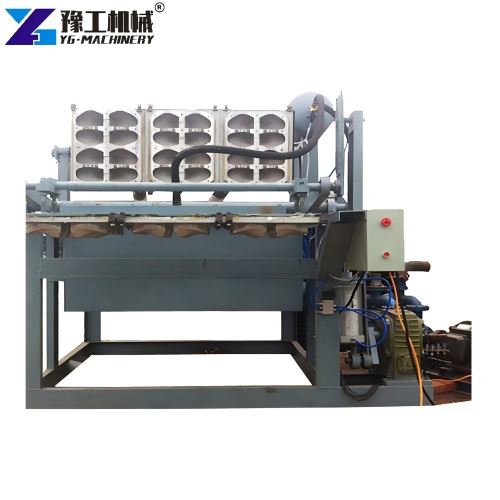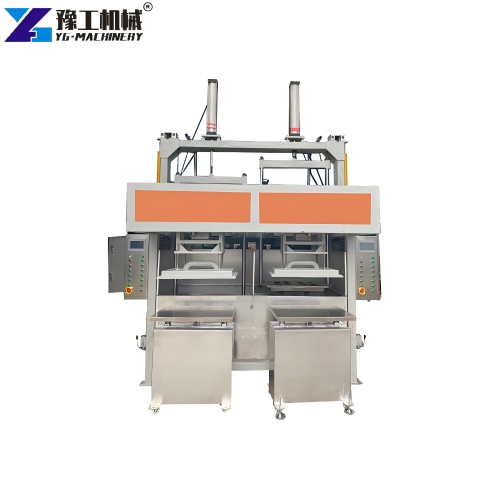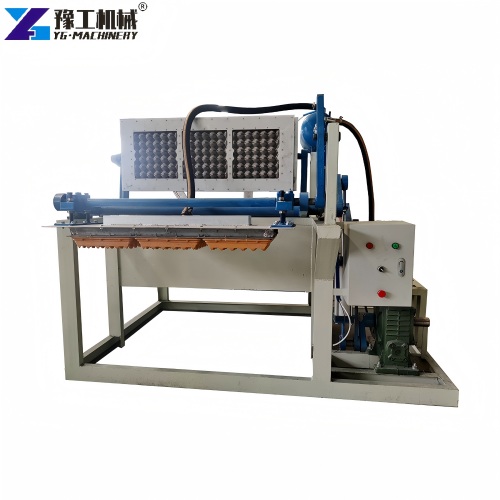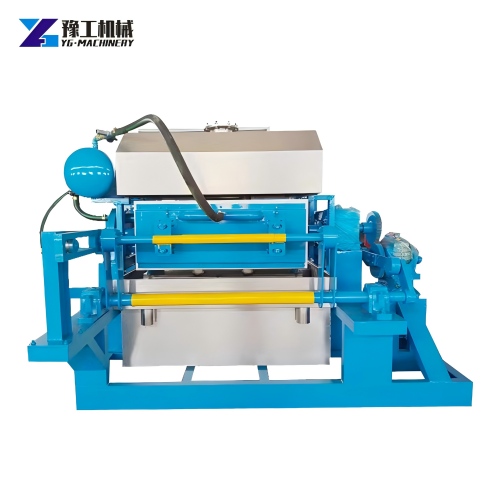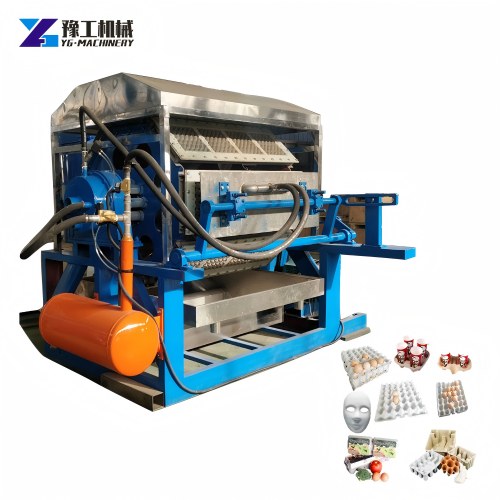

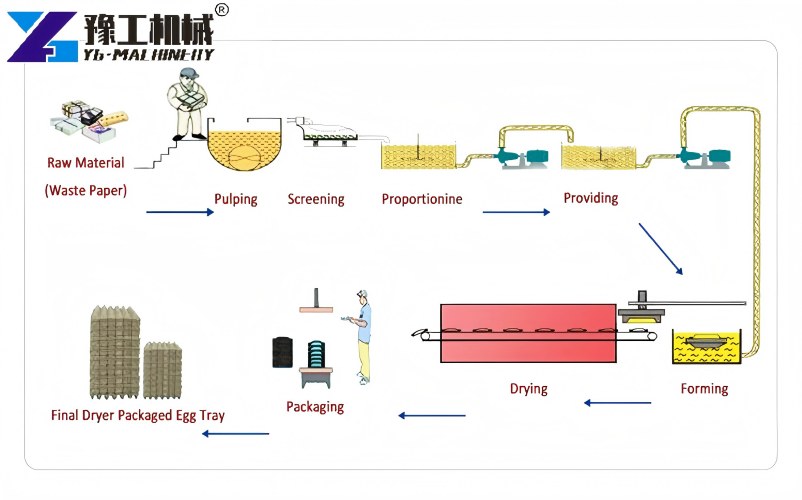
An egg tray production line turns waste paper into strong, moisture-absorbing trays ready for daily use. YG Machinery designs each egg tray production line to match different output needs, from small workshops to large factories. The system pulps raw paper, molds it into shape, dries it fully, then stacks and packs the finished trays. Many farms and packaging plants choose this equipment because it lowers long-term costs compared to buying trays from outside suppliers. A well-built forming and drying setup also gives you control over tray thickness, strength, and finish. Whether you need natural drying or a metal drying line, YG offers configurations suited to your climate and production volume. This flexibility makes it a practical investment for anyone wanting to produce their own trays, cartons, or crates on site.
Egg Tray Production Line Parameters
The table below shows output, equipment, and drying method options across each model.
| Production Line Models | Output (p/h) | Hydraulic Pulper | Egg Tray Machine | Drying Method | |||
| Natural Drying | Brick Drying Line | Single-layer Metal Drying Line | Multilayer Metal Drying Line | ||||
| YGDT3×1-1000 | 1000 | ZDS1(1m³) | DTF3×1 | √ | √ | √ | √ |
| YGDT4×1-1500 | 1500 | ZDS1(1m³) | DTF4×1 | √ | √ | √ | √ |
| YGDT3×4-2000 | 2000 | ZDS1(1m³) | DT3×4 | √ | √ | √ | √ |
| YGDT4×4-2500 | 2500 | ZDS2(2m³) | DT4×4 | √ | √ | √ | √ |
| YGDT3×8-3000 | 3000 | ZDS2(2m³) | DT3×8 | √ | √ | √ | |
| YGDT4×8-4000 | 4000 | ZDS4(4m³) | DT4×8 | √ | √ | √ | |
| YGDT5×8-5000 | 5000 | ZDS4(4m³) | DT5×8 | √ | √ | √ | |
| YGDT5×12-6000 | 6000 | ZDS6(6m³) | DT5×12 | √ | √ | √ | |
| YGDT6×8-7000 | 6000-7000 | ZDS6(6m³) | DT6×8 | √ | √ | √ | |
| Production Line Models | Drying Method | Raw Material(kg/h) | Power(kW/h) | Fuel Consumption | ||||
| Paper | Water | Coal(kg/h) | Gas(m³/h) | Diesel(kg/h) | LPG(kg/h) | |||
| YGDT3×1-1000 | Natural drying | 85 | 255 | 23.6 | ||||
| YGDT3×1-1000T | Brick drying line | 36.1 | 50 | 22-32 | 18-28 | 18-28 | ||
| YGDT3×1-1000J1 | Single-layer metal drying line | 36.1 | 22-32 | 18-28 | 18-28 | |||
| YGDT3×1-1000J6 | Multilayer metal drying line | 36.1 | 22-32 | 18-28 | 18-28 | |||
| YGDT4×1-1500 | Natural drying | 102 | 306 | 27.3 | ||||
| YGDT4×1-1500T | Brick drying line | 38.6 | 60 | 26-36 | 22-32 | 22-32 | ||
| YGDT4×1-1500J1 | Single-layer metal drying line | 38.6 | 26-36 | 22-32 | 22-32 | |||
| YGDT4×1-1500J6 | Multilayer metal drying line | 38.6 | 26-36 | 22-32 | 22-32 | |||
| YGDT3×4-2000 | Natural drying | 170 | 510 | 32.6 | ||||
| YGDT3×4-2000T | Brick drying line | 45.3 | 83 | 37-47 | 30-40 | 30-40 | ||
| YGDT3×4-2000J1 | Single-layer metal drying line | 45.3 | 37-47 | 30-40 | 30-40 | |||
| YGDT3×4-2000J6 | Multilayer metal drying line | 45.3 | 37-47 | 30-40 | 30-40 | |||
| YGDT4×4-2500 | Natural drying | 212 | 636 | 34.2 | ||||
| YGDT4×4-2500T | Brick drying line | 46.8 | 104 | 46-56 | 38-48 | 38-48 | ||
| YGDT4×4-2500J1 | Single-layer metal drying line | 46.8 | 46-56 | 38-48 | 38-48 | |||
| YGDT4×4-2500J6 | Multilayer metal drying line | 46.8 | 46-56 | 38-48 | 38-48 | |||
| YGDT3×8-3000T | Brick drying line | 255 | 765 | 88.9 | 125 | 56-66 | 46-56 | 46-56 |
| YGDT3×8-3000J1 | Single-layer metal | 88.9 | 56-66 | 46-56 | 46-56 | |||
| YGDT3×8-3000J6 | Multilayer metal drying line | 88.9 | 56-66 | 46-56 | 46-56 | |||
| YGDT4×8-4000T | Brick drying line | 340 | 1020 | 91 | 160 | 67-77 | 55-65 | 55-65 |
| YGDT4×8-4000J1 | Single-layer metal drying line | 91 | 67-77 | 55-65 | 55-65 | |||
| YGDT4×8-4000J6 | Multilayer metal drying line | 91 | 67-77 | 55-65 | 55-65 | |||
| YGDT5×8-5000T | Brick drying line | 424 | 1272 | 100 | 185 | 82-92 | 67-77 | 67-77 |
| YGDT5×8-5000J1 | Single-layer metal drying line | 100 | 82-92 | 67-77 | 67-77 | |||
| YGDT5×8-5000J6 | Multilayer metal drying line | 100 | 82-92 | 67-77 | 67-77 | |||
| YGDT5×12-6000T | Brick drying line | 510 | 1530 | 105 | 208 | 92-103 | 77-87 | 77-87 |
| YGDT5×12-6000J1 | Single-layer metal drying line | 105 | 92-103 | 77-87 | 77-87 | |||
| YGDT5×12-6000J6 | Multilayer metal drying line | 105 | 92-103 | 77-87 | 77-87 | |||
| Notes:The above data is calculated according to the weight of each egg tray of 100g.The above data is calculated as pure pulp without adding stone powder. If 20-30% stone powder is added, the actual consumption of paper is 70-80% of the above data. Contact us for more details. | ||||||||
Fuel and power use scale with output, so smaller lines suit workshops with limited space and budget. Larger configurations fit factories that need higher daily volume. All models share the same core process, giving you consistent quality no matter the size you choose.


Key Equipment in a Tray Making Machine Line
Every complete tray making machine or egg crate making machine line relies on six main stages working together.
- Pulping System The process starts with a hydraulic pulper that breaks down waste paper into fine pulp. Clean water mixes with the paper fibers to form a smooth slurry. This slurry becomes the raw material for every tray, carton, or crate produced afterward.
- Forming Machine Next, the egg tray machine shapes wet pulp into trays using molds under vacuum suction. Each mold pulls pulp onto its surface, forming the familiar tray pattern. This stage determines the final shape, cell count, and size of your product. YG offers multiple mold configurations to fit different tray and carton styles.
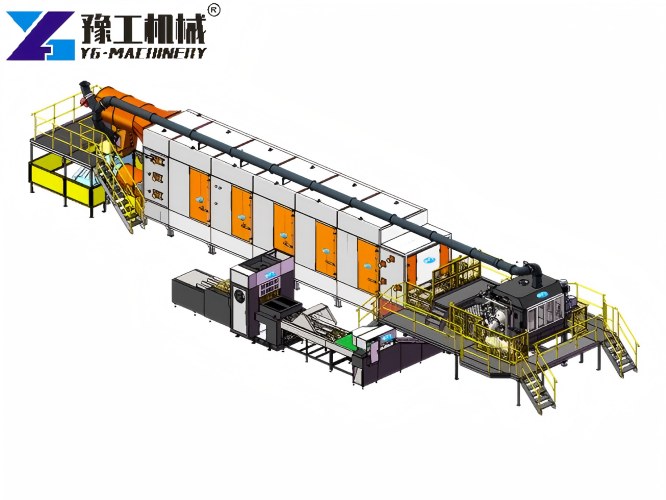
- Drying System After forming, trays pass through a drying system to remove moisture and gain strength. You can choose natural drying, a brick drying line, or a metal drying line with single or multiple layers. Each option balances speed, fuel type, and space differently. Warmer regions often prefer natural drying to save on fuel costs.
- Hot Press Machine (Optional) Some buyers add a hot press machine for a smoother, more rigid tray finish. This step suits products destined for retail display or export packaging. It is not required for standard farm or industrial use. Adding this stage raises production cost but improves surface appearance.
- Automatic Stacking Machine Once trays dry fully, an automatic stacking machine arranges them into neat, even stacks. This step reduces manual labor and speeds up the packing process. Consistent stacking also protects trays from damage before shipment.
- Packing Equipment Finally, packing equipment bundles finished trays for storage or transport. Proper packing keeps trays clean, dry, and ready for delivery to your customers. This last stage completes the journey from raw paper to a finished egg carton maker product ready for market. Together, these six stages form a complete, efficient production system.


How to Use One Egg Carton Maker Line for Multiple Products?
A single egg carton maker line does not have to produce only one item. With the right setup, it can switch between egg trays, egg cartons, fruit trays, and other pulp molded goods. Quick mold change makes this possible. Operators swap mold sets in a short time without major downtime, keeping the production line running efficiently. Good mold management supports this flexibility. Storing molds properly and labeling them clearly helps your team switch between product types without confusion or delay. A clear product switching process ties everything together. Workers follow set steps to clean, adjust, and restart the tray making machine after each mold change. Many customers use this approach to serve different markets from a single machine investment. Instead of buying separate machines for each product, you gain more value from one flexible egg tray production line.
Case Study: Egg Crate Making Machine Line Cuts Packaging Costs for a Mexican Farm
A mid-size poultry farm in central Mexico raised laying hens for regional grocery distribution. For years, the farm relied on outside suppliers for all of its egg tray needs.
Challenges faced by the client
The Problem As order volume grew, tray prices from outside suppliers kept rising. Delivery times became less predictable, and supply gaps sometimes forced the farm to pause packing during peak season. These delays created stress for staff trying to meet daily shipping deadlines. Managers realized that depending on a third party left too much outside their control.
Investment Proposal
The Investment The farm’s management began researching an in-house egg crate making machine line instead of relying on outside vendors. After reviewing daily egg volume, they chose a mid-capacity model that matched their output needs. The investment covered the pulping system, forming machine, drying line, and packing equipment. YG’s team helped guide the model selection based on the farm’s specific output goals.
Investment Results
The Return Within the first year, the farm reduced its per-tray cost significantly compared to outside purchasing. Production also became more predictable, since the team no longer waited on a third-party delivery schedule. Staff picked up the new equipment quickly, needing only a short adjustment period. The farm could now plan packing around its own schedule instead of a supplier’s. Egg trays became available on demand, which helped the farm respond faster to sudden order increases. Packaging supply stopped being a source of daily worry for the operations team.
Customer Feedback
Customer Feedback According to the farm’s operations lead, owning the line gave the team more control over both cost and packing timelines. The farm now views its egg tray production line as one of its more valuable equipment investments. Management has already discussed adding a second line as the business grows.
Buy Your YG Egg Tray Production Line Today
YG Machinery supports customers from initial inquiry through installation and after-sales service. Beyond egg tray equipment, we also manufacture slitting machines, food trucks, generator sets, EV charging piles, and tire recycling lines. We also build sandblasting rooms for surface treatment needs. This wide product range means we understand diverse manufacturing needs across industries. If rising packaging costs concern your business, an in-house tray making machine may offer a practical solution. Contact our team today to discuss output requirements, drying method options, and pricing for your production line.