As electric vehicles become more common around the world, reliable charging infrastructure has become increasingly important. An Electric Vehicle AC Charger offers a practical and economical way to charge EVs in daily use. Compared with fast charging systems, AC charging equipment often requires lower installation costs while providing stable and efficient charging performance.
YG Machinery provides high-quality charging solutions for residential, commercial, and public applications. Our chargers support different power levels, intelligent management functions, and durable designs. Whether you are planning a home charging project or building a commercial charging network, YG can provide a suitable solution for your requirements.
What Is an Electric Vehicle AC Charger?
This charging device supplies alternating current from the power grid to an electric vehicle. The onboard charger inside the vehicle converts AC power into DC power before storing it in the battery. Because AC charging requires less infrastructure and lower installation costs, it has become one of the most widely adopted charging methods worldwide.
Today, AC charging stations are commonly installed in homes, office buildings, hotels, shopping centers, residential communities, and public parking facilities. For locations where vehicles remain parked for several hours, AC charging provides a practical balance between charging efficiency and investment cost.
1. How an AC Charger EV Works
An ac charger ev connects directly to the electrical supply and communicates with the vehicle through a charging cable and connector. Once connected, the charger delivers electricity at a controlled rate while continuously monitoring charging conditions. Modern charging systems include protection functions that monitor voltage, current, and temperature to support safe operation. As a result, users can charge their vehicles conveniently while maintaining reliable charging performance.
2. Common Applications
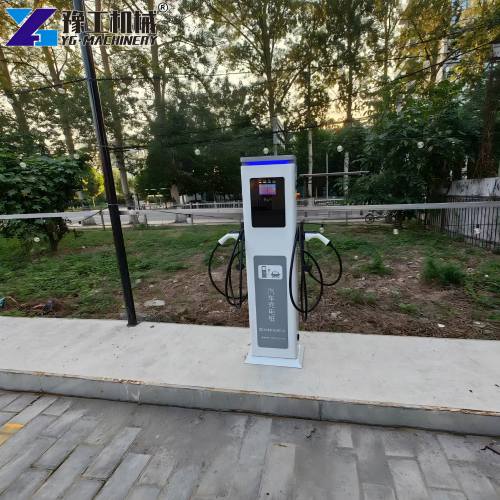
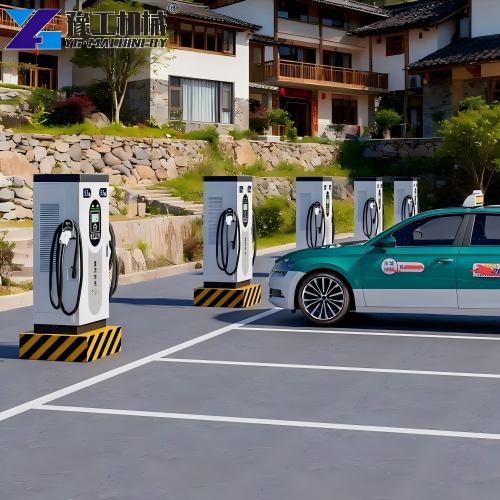
AC charging stations serve a wide range of environments. Residential users often install them in private garages and apartment complexes for overnight charging. Businesses place them in office buildings, shopping centers, and hotels to improve customer services and employee convenience. Fleet operators and public parking facilities also benefit from AC charging because vehicles often remain parked long enough to complete daily charging requirements.
Difference Between AC and DC EV Chargers
Both AC and DC charging technologies are important parts of modern EV infrastructure. However, they differ significantly in charging methods, installation requirements, and application scenarios.
1. Charging Method
An AC charger delivers alternating current to the vehicle, where the onboard charger converts the electricity into direct current for battery storage. A DC charger performs this conversion inside the charging station itself and sends direct current directly to the battery. Because of this difference, DC charging equipment is generally more complex and expensive.
2. Charging Speed
DC charging stations usually provide higher power output and shorter charging times. They are commonly used in highway service areas and locations where drivers need quick charging. AC charging typically operates at lower power levels, making it suitable for overnight charging, workplace charging, and long-term parking situations. Although charging takes longer, the lower infrastructure cost makes it attractive for many projects.
3. Installation Cost and Applications
AC charging equipment generally requires less electrical capacity and simpler installation. Therefore, installation and maintenance costs are often lower. DC charging systems usually require larger power supplies and more advanced equipment, resulting in higher project costs.
For most homes, office buildings, hotels, residential communities, and commercial parking lots, AC charging provides an efficient and economical solution. DC charging is often selected for transportation hubs, service stations, and high-traffic public charging locations.
Advantages of Electric Vehicle AC Charger
AC charging remains one of the most popular charging solutions because it offers a combination of affordability, convenience, and operational flexibility.
1. Lower Installation Investment
One of the biggest advantages of AC charging is its lower infrastructure requirement. Since the equipment requires less electrical capacity than many fast-charging systems, project owners can install more charging points within the same budget. This helps improve charging coverage while controlling investment costs.
2. Reliable Safety Performance
Safety plays an important role in charging operations. YG chargers incorporate multiple protection functions, including over-current protection, over-voltage protection, leakage protection, short-circuit protection, ground fault protection, and temperature monitoring. These features help maintain stable operation and improve equipment reliability in daily use.
3. Battery-Friendly Charging
Many EV owners prefer AC charging for routine charging because charging power is generally moderate. This charging method may reduce battery stress compared with frequent high-power charging. As a result, AC charging is commonly used for daily vehicle charging in residential and workplace environments.
4. Flexible Installation Options
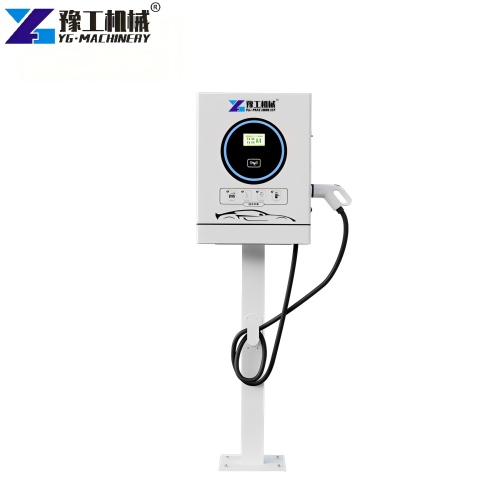
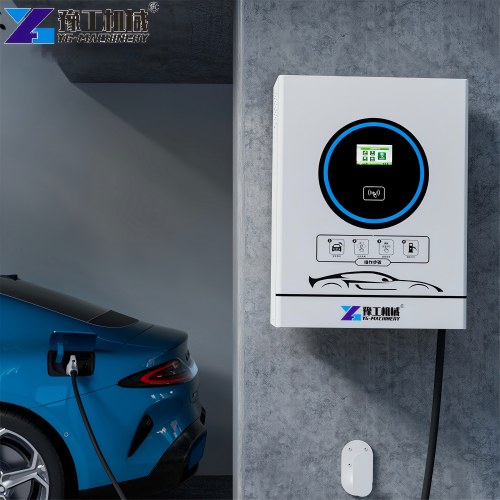
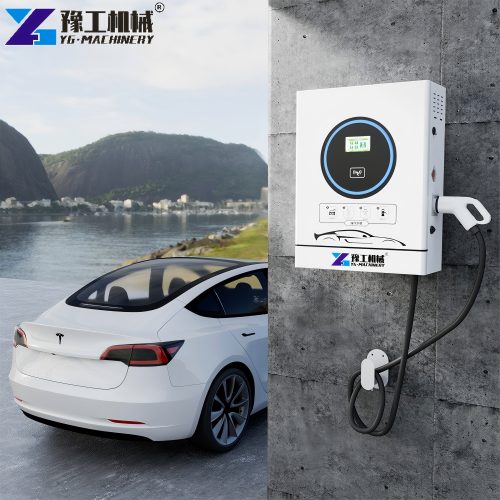
Different projects require different installation methods. YG offers both wall-mounted and floor-mounted models to meet various site requirements. These options allow customers to install charging equipment in garages, office buildings, hotels, parking structures, residential communities, and commercial facilities while making efficient use of available space.
5. Smart Charging Functions
Modern charging stations are becoming increasingly intelligent. Many YG charging solutions support features such as mobile app control, RFID authentication, charging schedules, remote monitoring, usage statistics, and network connectivity. These functions help operators manage charging stations more efficiently while improving the overall user experience. In addition, an ev charger ac with remote management capabilities can simplify daily operation and reduce maintenance workloads.
6. Strong Environmental Adaptability
Charging equipment often operates in challenging outdoor conditions. Therefore, durability is essential. YG chargers feature robust housing designs and high protection ratings, allowing them to perform reliably in various climates and environments. This makes them suitable for long-term residential, commercial, and public charging projects.
How to Choose an AC Charger for EV
Selecting the right charging equipment can improve charging efficiency while maximizing long-term investment value. Several factors should be considered before making a purchasing decision.
1. Select the Right Power Output
Power output is one of the most important considerations. A 7kW charger is often suitable for residential charging, while 11kW models provide faster charging for many commercial applications. For projects with higher charging demands, 22kW chargers may be a suitable option when compatible vehicles are available.
2. Verify Vehicle Compatibility
Before purchasing, verify that the charger supports the vehicle’s connector type and charging standards. Compatibility is essential for efficient operation and helps avoid unnecessary installation adjustments in the future.
3. Consider the Installation Environment
Installation conditions influence charger selection. Indoor applications may prioritize appearance and ease of use, while outdoor installations typically require higher waterproof and dustproof ratings. Understanding environmental conditions helps ensure long-term reliability.
4. Evaluate Smart Features
An ac charger for ev with intelligent management functions can simplify operation and maintenance. Features such as remote monitoring, user management, billing integration, and network communication can improve operational efficiency and provide a better charging experience for users.
5. Assess Long-Term Value
Initial purchase cost is important, but long-term performance should also be considered. Product quality, maintenance requirements, technical support, warranty coverage, and expected service life all influence the total cost of ownership. A reliable charging solution can help reduce operating costs and improve return on investment over time.
Buy Electric Vehicle AC Charger from YG Machinery
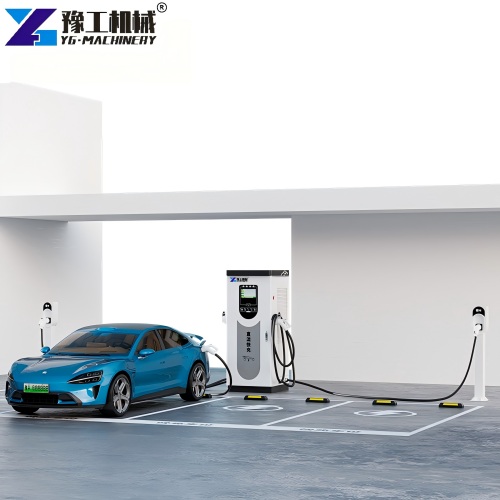
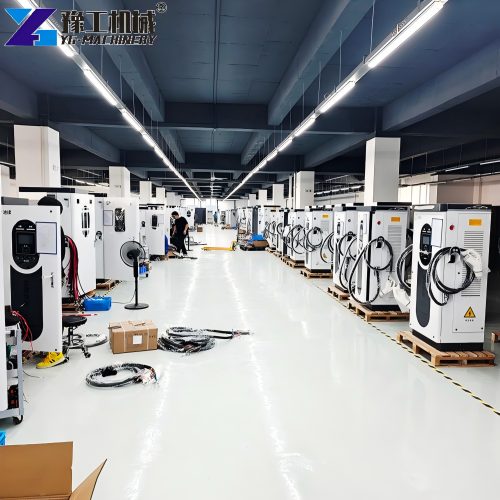
YG Machinery provides reliable EV charging solutions for customers worldwide. We focus on quality manufacturing, practical design, and professional service to help customers build efficient charging infrastructure. Our chargers are available in different power ratings and installation styles to meet the needs of residential, commercial, and public charging projects. We also offer customization options, including connector types, communication systems, and branding solutions.
As a manufacturer, YG offers competitive factory pricing while maintaining strict quality standards. Our team provides technical consultation, installation guidance, spare parts support, and after-sales service throughout the project lifecycle. Our products are suitable for homes, parking lots, office buildings, hotels, fleet operations, and public charging stations. A modern ev charger ac can also support future expansion as EV adoption continues to grow. Besides AC charging equipment, we also supply DC fast charging solutions. Contact YG Machinery today for a customized charging solution and quotation.