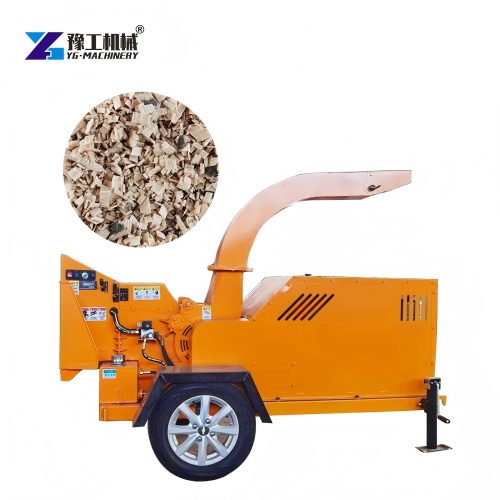
For landscaping companies, municipal departments, or wood recycling facilities, efficiently processing branches, shrubs, and other green waste is a daily challenge. Processing efficiency directly impacts project timelines, labor costs, and overall operational effectiveness. Many operators find that their productivity bottleneck often lies in a mismatch between equipment and task—either the machine is over-specified, leading to wasted investment, or it lacks sufficient power, causing inefficiency. A well-matched industrial wood chipper is key to boosting operational performance and controlling long-term operating costs. This guide aims to break down how to assess needs and compare different models of commercial wood shredders, helping decision-makers avoid common pitfalls and make an informed investment to find a truly capable, professional solution for demanding work.
Key Machine Parameters Explained
Evaluating a machine involves several technical specifications. Focus on throughput, power source, and cutting design to assess suitability.
Processing Capacity Parameter
This measures the volume of material processed per hour. A unit rated for 5 tons/hour is built for intensive operations, whereas a 2-ton/hour machine may be adequate for periodic use. Aligning this figure with expected workload helps in selecting an appropriately sized commercial wood chipper.
Engine Power Parameter
Power, measured in kilowatts (KW), dictates performance. Diesel engines provide high torque and site independence. For operations in noise-sensitive or fixed locations with power access, an electric chipper shredder could be a viable alternative, offering quieter, emission-free operation.
Cutting System Parameter
The knife configuration and drum size affect chip consistency and maintenance frequency. Systems with multiple moving knives on a larger drum are typically designed for tougher material and may extend intervals between servicing.
How to Choose the Right Machine: 5 Key Considerations
Selecting the most suitable industrial wood processing equipment is a critical investment. The optimal choice balances the machine’s technical capabilities with the specific demands of the job site, the nature of the material, and the long-term financial and operational picture. Rushing this decision based on price or a single specification can lead to underperformance, frequent breakdowns, and higher total cost of ownership. The following five areas provide a structured framework to guide the evaluation process, ensuring the chosen commercial wood shredder aligns with both immediate and future needs.
1. Conduct a Thorough Needs Assessment
The foundation of a good decision is a clear understanding of your own requirements. Start by quantifying the average daily or weekly volume of wood waste. Is it sporadic cleanup or continuous, high-volume processing? Next, profile the material: what are the common and maximum branch diameters, and is the wood primarily soft, green trimmings or harder, dried hardwood? Finally, evaluate the work environment. Will the machine need to be towed frequently between sites, or will it operate in a fixed yard? Is three-phase power readily available? Answering these questions creates a clear specification against which to measure any chipper shredder for sale.
2. Understand the Fundamental Differences: Commercial vs. Residential Grade
The gap between consumer-grade and industrial equipment is significant. A commercial wood shredder is engineered for durability, featuring heavier steel construction, industrial-grade bearings, and components designed to withstand hours of daily operation. Safety systems are more robust, and service points are designed for accessibility to minimize maintenance downtime. While the initial investment is higher, the total cost per operating hour and machine longevity often make the commercial model the more economical choice for professional, frequent use.
3. Choose the Right Power Source: Diesel vs. Electric
The power plant is a defining choice. A diesel-powered machine offers complete mobility, high torque for tough jobs, and is ideal for remote or varied outdoor locations. In contrast, an electric chipper shredder is typically suited for stationary applications like recycling centers or facilities with strict noise and emission regulations. Electric models offer quieter operation, lower energy costs per hour, and zero exhaust emissions at the point of use. The decision hinges on the primary work location and operational priorities.
4. Analyze the Total Cost of Ownership (TCO)
The purchase price is just the beginning. A comprehensive TCO analysis includes projected fuel or electricity consumption, the cost and frequency of replacing wear parts like knives and anvils, and scheduled maintenance. A machine with a slightly higher upfront cost but superior fuel efficiency and longer intervals between blade changes may offer a much lower cost per ton processed over its lifespan. This perspective is crucial when comparing models.
5. Prioritize Operational Safety and Ease of Maintenance
Safety is non-negotiable. Key features to look for include a lockable, tethered emergency stop system, a securely interlocked feed chute guard, and a feed mechanism designed to minimize the risk of kickback. Ease of maintenance is equally important for uptime. Consider how easily the knives can be accessed for inspection, sharpening, or reversal. Are routine service points like grease fittings and engine filters easy to reach? A design that facilitates quick, simple maintenance directly translates to higher productivity and lower long-term operating costs.
Recommended Commercial Wood Chipper Solutions
Different scales of operation call for different machines. The following models cater to distinct levels of demand.
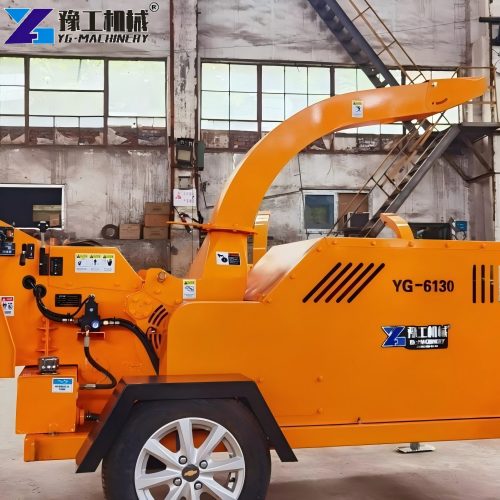
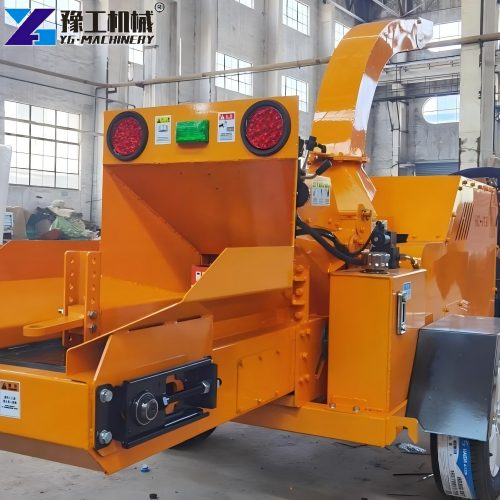
Model YG-6130: For Growing Landscaping and Recycling Businesses
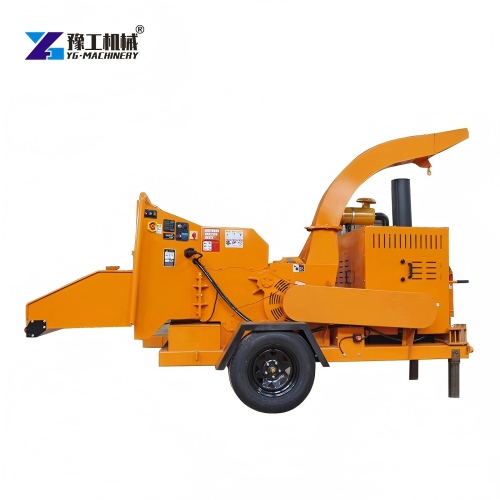
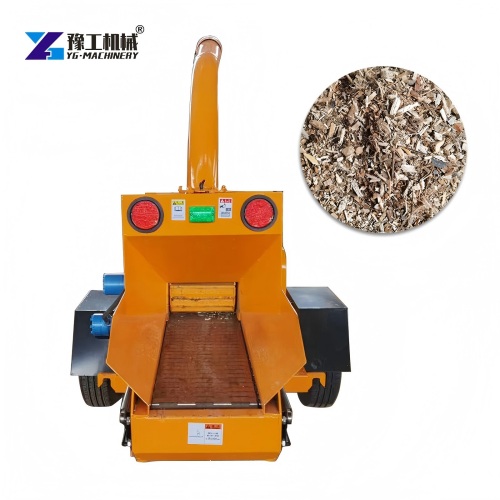
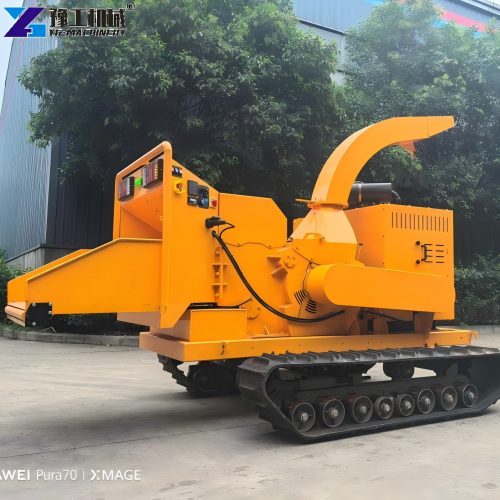
This model serves as a capable, mobile solution for companies processing moderate volumes. It efficiently handles branches up to 130mm in diameter, making it suitable for regular cleanup and maintenance work. Its diesel engine provides reliability across different job sites. This commercial wood shredder is a practical step up from lighter equipment.
Model YG-6145: For High-Volume and Municipal Operations
Engineered for demanding, continuous-duty applications like municipal parks departments or large land-clearing projects. It processes larger material (up to 250mm) at a significantly higher hourly rate. Its heavy-duty construction is built for durability in challenging conditions, representing a substantial productivity investment for serious operations. This model functions as a powerful industrial branch shredder.
| Model | YG-6130 | YG-6145 |
| Motor Type | Diesel motor, electric start | Diesel motor, electric start |
| Capacity | 2 tons/hour | 5 tons/hour |
| Dimensions | L2300*W1300*H1800 | L3200*W1700*H2400mm |
| Knife Roller Diameter | 300 mm | 500 mm |
| Equipped with power | 23.6KW diesel engine | 75KW (102 hp) diesel engine |
| Host speed | 2600r/min | 2500r/min |
| Number of blades | 4 moving knives, 1 stationary knife | 4 moving knives, 1 stationary knife |
| Maximum broken branch diameter | 130mm | 250mm |
| Feed throat size mm | 300*180 | 450*380 |
| outlet direction | The 360-degree quick adjustment device | 360-degree quick adjustment device, outlet angle adjustment, outlet nozzle, height adjustment |
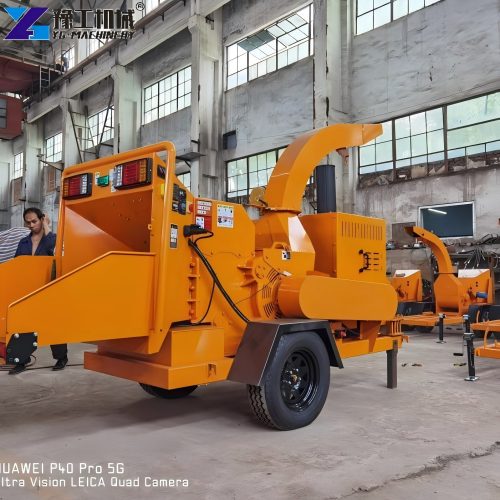
YG Commercial Wood shredder FAQ
A: With consistent and proper maintenance, a durable industrial chipper can deliver reliable service for many years. Actual lifespan depends on operating conditions and adherence to service schedules.
A: Diesel models are preferred for their power, mobility, and ability to work anywhere. Electric units are typically chosen for fixed locations where connected power is available and noise reduction is a priority.
A: Key considerations include matching the machine’s capacity to your workload, verifying the maximum material size it can handle, understanding the total cost of operation, and ensuring the dealer provides reliable support and access to parts.
YG Company Strength and Trust
YG has built a reputation in the power equipment industry by focusing on durable and practical machinery. Our products are designed to meet the rigorous demands of commercial use and are utilized by professionals in various regions, including North America, Europe, and Southeast Asia. This global application demonstrates a commitment to building reliable equipment suited to different markets and operational standards.
Take the Next Step
Identifying the most suitable commercial wood chipper involves careful matching of needs and machine specs. For detailed information on specific models or to discuss a particular application, reaching out for a consultation can provide clarity and support the decision-making process.